John Hornick — Chef’s Apprentice
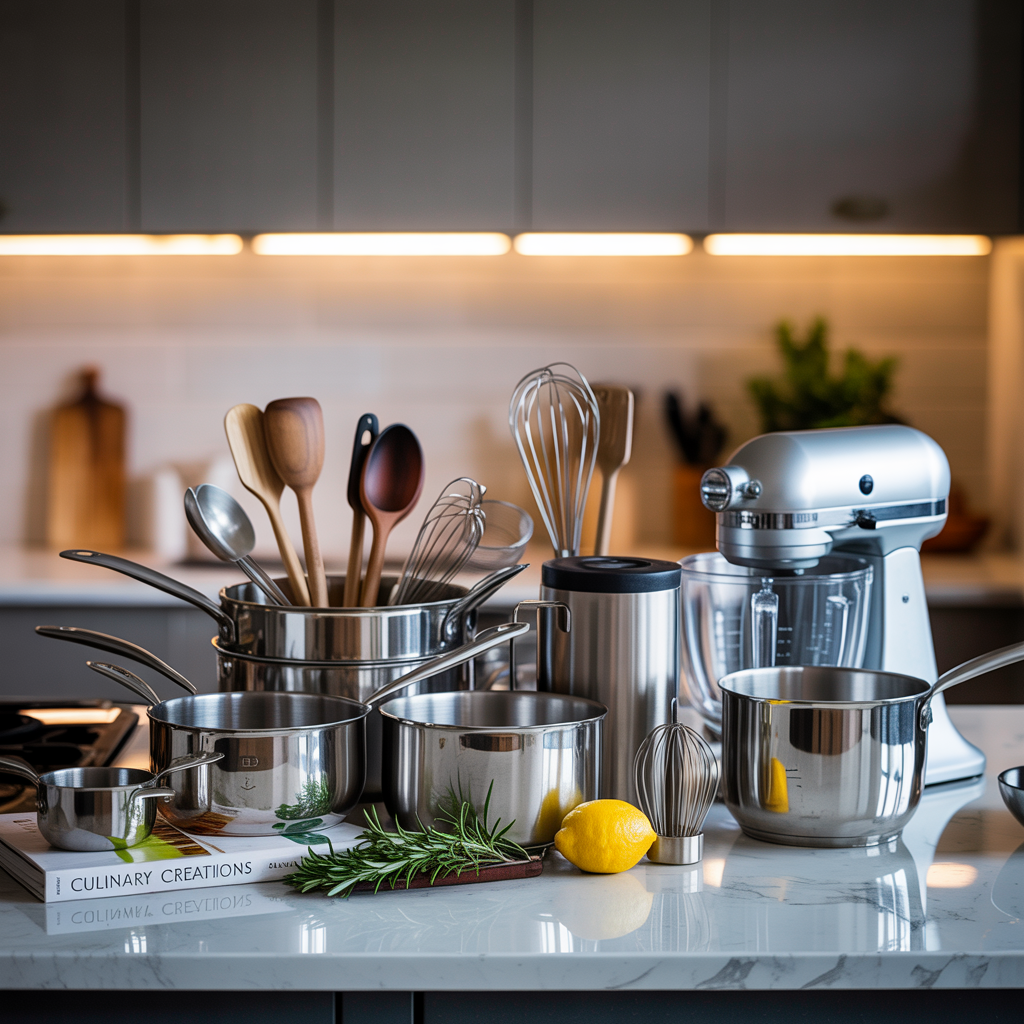
I am a big believer in the old saying: “Use the right tool for the job.” This expert guide is dream list of tools and appliances that will enable you to do virtually any kitchen task. Together, they will give you a very well-equipped kitchen.
I have at least one of everything on this list, which I have accumulated over many years. I believe in balancing quality, functionality, and value, so you won’t see much fancy kitchenware recommended here. Some of it is commercial grade, which is often less expensive than residential grade, and is very durable.
Appliances
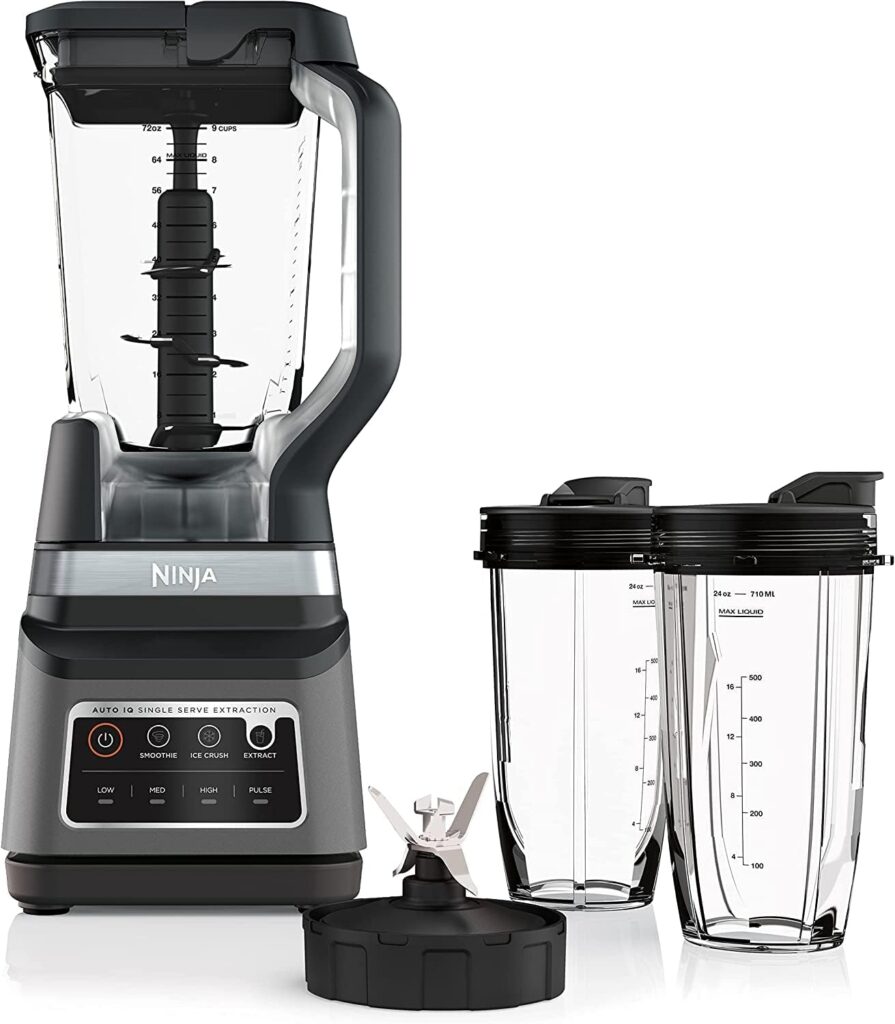
Blender: This may be my most-used appliance, which I use for making soups, purees, sauces, and of course Margaritas and other frozen drinks. It’s hard to imagine a kitchen without one. And gone are the days of blenders with cheap motors that burn out easily. I like both the Ninja and the Kitchenaid. Look for my blog post comparing the two (which may be published after this post). Bottom line: the Ninja edges out the Kitchenaid in my opinion.
Butane Portable Tabletop Burner and butane canisters: I use this portable tabletop burner for several guest-participation Japanese dishes, such as Shabu Shabu, Donabe (hotpot), Yakiniku, and Sukiyaki. Even if you don’t cook Japanese, it will come in handy. We also use it to heat a big pot of gumbo at our holiday party. This one burns both butane and propane and is also good for camping.
Electric deep fryer: I’m not a big fan of electric deep fryers for home use. Because they run on 110V current, I believe it’s hard for them to maintain a constant temperature unless you cook small batches. They can also be a pain in the neck to clean. I prefer using a deep fry pot placed on the stove (see below), but the pot-style works better on a gas range, rather than electric, in my experience. If you choose to buy an electric deep fryer, on this one the oil can be drained easily and the unit can be cleaned easily.
Food processor: I use a food processor often, but I bought mine at yard sales. If I were to buy one new, the Ninja is a good choice.
Ice Machine (countertop): My lessons and recipes call for a lot of ice, mostly for plunging boiling vegetables to stop the cooking. If your fridge icemaker has a high output, or you store or buy extra ice, you may not need a dedicated ice maker. But if you want a countertop machine, this is a good choice.
Ice Machine (15″ undercounter) & Cleaner: We have had a 15” undercounter ice machine for many years. They make ice fast and they make a lot of it. I don’t know how I would live without one. See my review of this excellent choice.
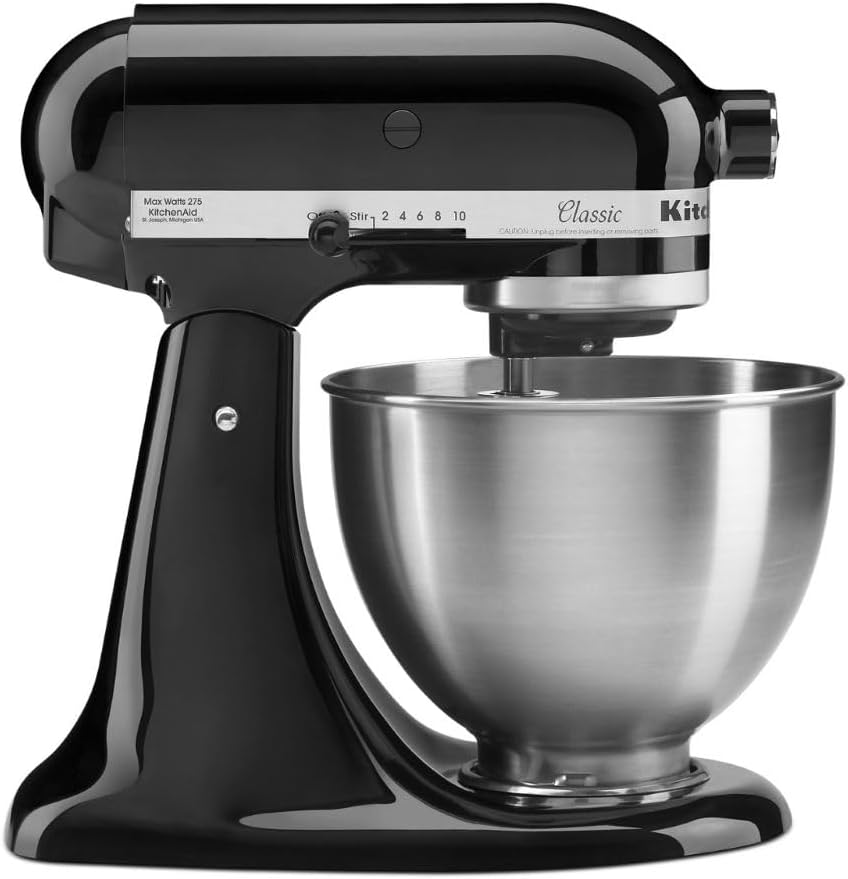
Kitchenaid Mixer: Although there are other mixer brands, Kitchenaid has the lock on quality. They are well made, powerful, and durable. If you want to make your own burgers or sausages, get the Meat grinder attachment.
Microwave oven: Just about the only time I use a microwave oven is to thaw stock and frozen ingredients. So I don’t believe in spending much on them. I have had several inexpensive units, like this one. It does what I need it to do, doesn’t take up much counter space, and won’t burn a hole in your pocket.
Pizza Oven: Pizza can be cooked in a conventional oven but dedicated pizza ovens will probably give you closer-to-restaurant-results. I like the Ninja 12″ and the Ooni 12″ Duel Fuel, which can run on both wood and propane (with an extra attachment).

Reverse Osmosis Water Filtration System: If you would prefer to refill our carry-around water bottle, rather than buying disposable bottles, this is a good choice.
Rice Cooker: There are many rice cookers on the market, some of which may be smarter than I am. But I don’t need a smart rice cooker. I have used inexpensive cookers like this one for many years. Add rice and water, cover it, push the button, and come back a little while later for cooked rice, which the unit keeps warm. It is also easy to clean.
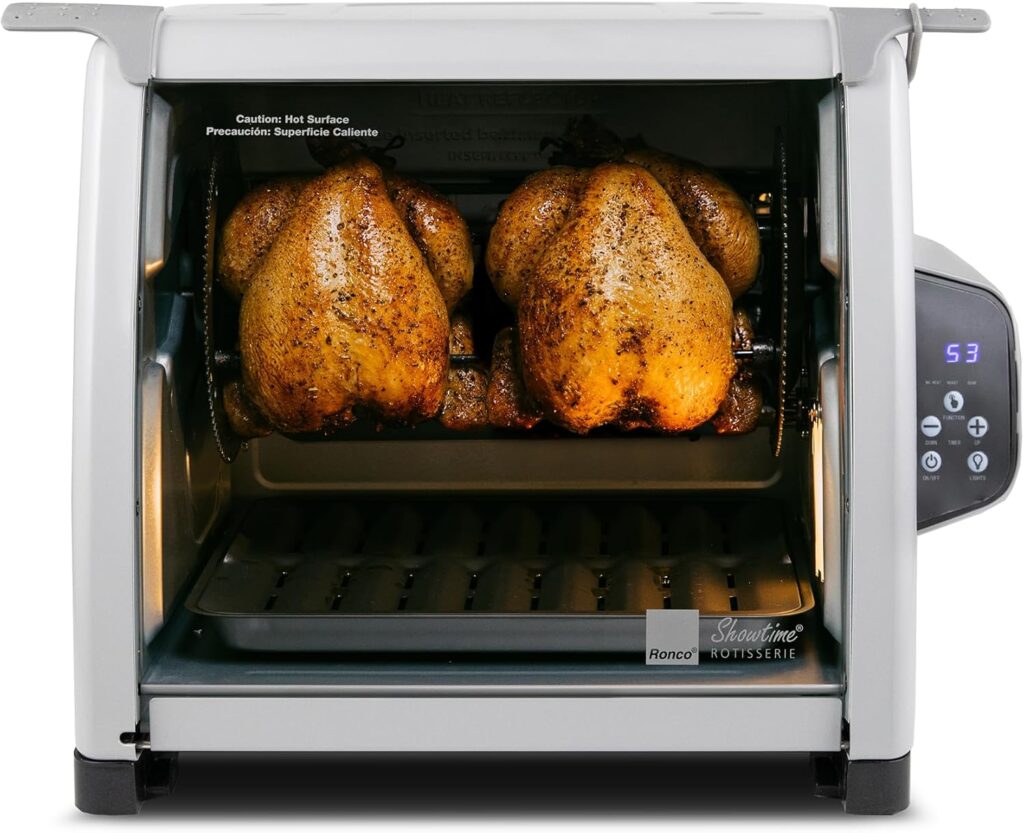
Rotisserie oven, with basket: This is one of the most-used appliances in our kitchen. I sometimes roast whole chickens but usually break down the chicken into pieces, which I roast in the basket. We also use it for things like pork chops and roulades. I like the Ronco brand. I’ve had mine forever. Tip: spray the basket with cooking spray before you load it, which makes cleaning easier.
Slow cooker: A slow cooker is really a braising pot. I use mine often for dishes like my Killer Beef Stew.
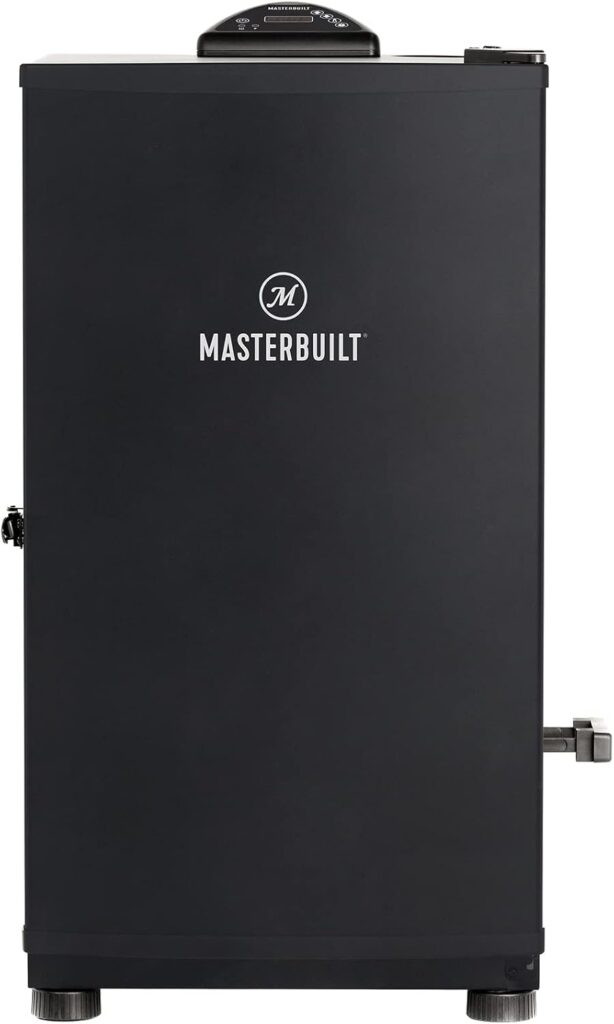
Smoker: If you like to smoke meat, this is a great choice. After a lot of research, I settled on this smoker, which I love. Its four shelves provide all the capacity I need and it’s well built. The electric heating element keeps the temperature steady and wood chips are easy to add without opening the door.
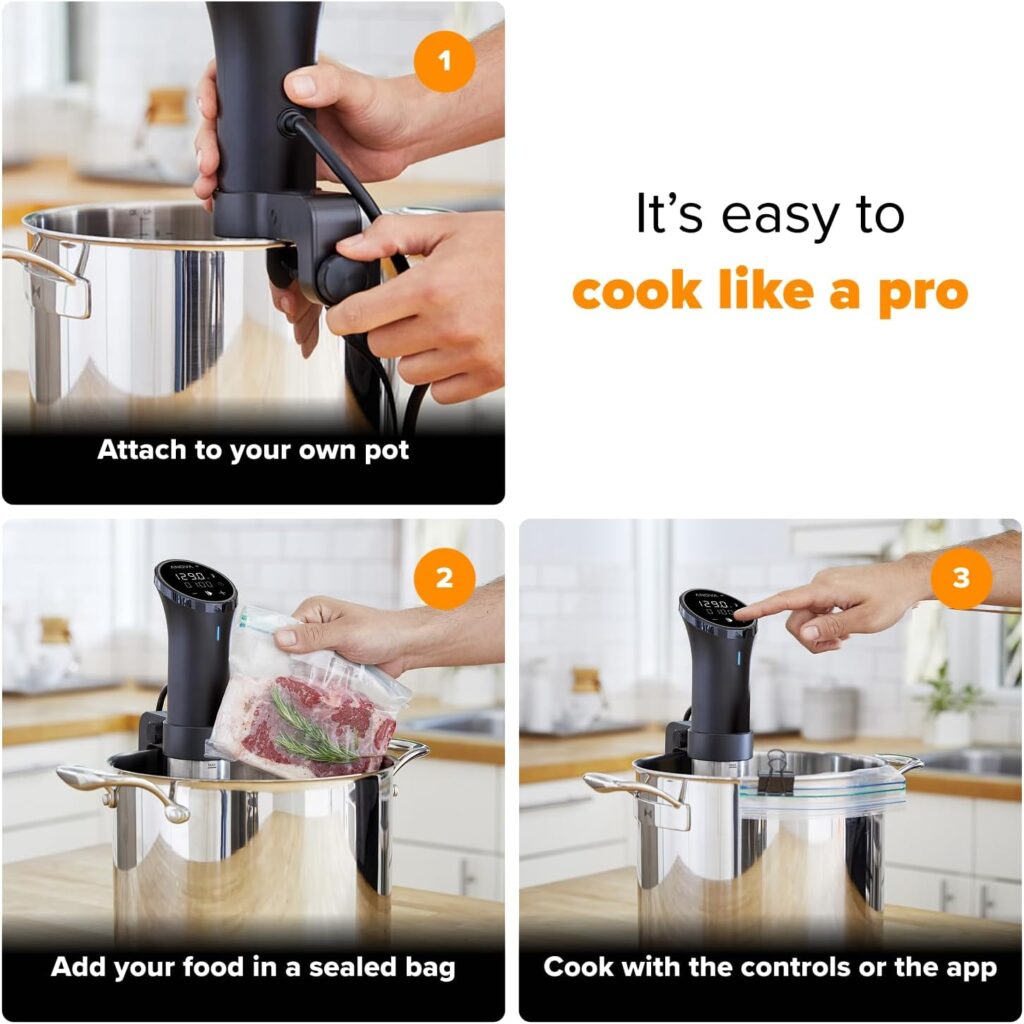
Sous Vide Devices: Sous vide cooking is a great tool for getting consistent, perfect results. There are several types of devices on the market. I am currently using the immersion circulator type.
Anova and basin and clips: This immersion circulator can be used in any stockpot, but I recommend buying the basin too, which keeps the heat in.
Sous Vide Supreme Water Oven: I used this product for many years and I was very happy with it. Tip: don’t leave water in it or it may develop pinhole leaks, which is why I no longer have one.
Vacuum sealer: This is a necessary tool for sous vide cooking. I also use it for vacuum sealing food to be frozen, which eliminates freezer burn.
Vacuum sealer bags: I have used many brands of vacuum sealer bags. I like the OutOfAir bags because they are heavy duty and seal well.
Baking Sheets, Pans, & Accessories (for the oven)
Baking pans: These are necessary tools for any kind of roasting or baking. I like commercial grade pans, which are durable and economical.
Cooling racks, set: These racks really come in handy for cooling freshly baked chocolate chip cookies, which is a frequent occurrence in our kitchen.
Roasting pan and rack: I use this pan mainly for the Thanksgiving turkey. Again, it’s not fancy, but it works and is reasonably priced.
Roasting pan – disposable (for smoker, 9″ x 13″). These are really handy for smoking. Any pan you use in the smoker will be permanently smokey and hard to clean, especially on the outside. I have dedicated smoking pans that I line with these disposable pans. After smoking meat, I clean them for reuse if they will clean easily. Otherwise, I trash them and don’t need to clean the dedicated pans.
Sheet pans: Commercial sheet pans come in several standard sizes. A full-size sheet pan is 18″ x 26″ (bigger than most people need), a half sheet pan is 13″ 18″, and a quarter sheet pan is 9.5″ x 13″. Half sheet pans are best for home use. Quarter sheet pans really come in handy. The more you buy, the less you pay per pan. You will be glad you have a good supply.
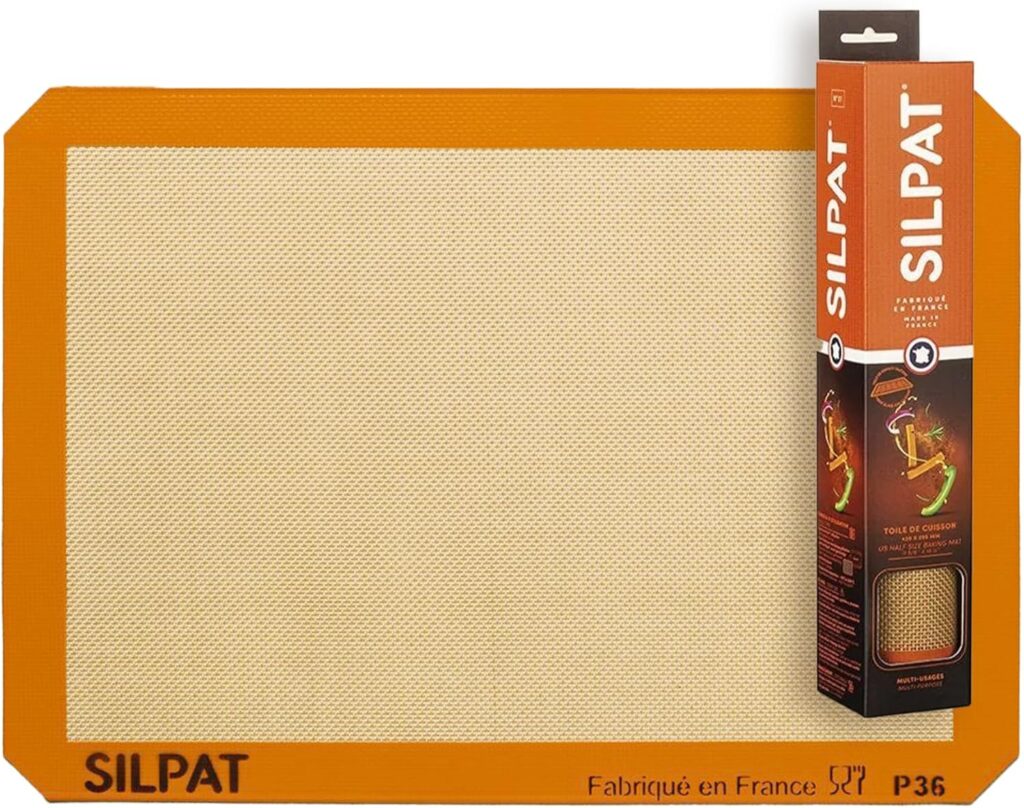
Silpat baking sheet: Yes, you can line a baking sheet or pan with foil, then either clean it or trash the foil. But Siplat mats are a breeze to clean and totally nonstick.
Bowls
Mixing bowls: I recommend having as many stainless steel mixing bowls, in as many sizes, as you can fit in your cabinets.
Prep bowls: Again, have as many as you can. They really come in handy for all sorts of prep.
Cooking and Serving Vessels
There are zillions of different types and sizes of serving vessels. Buy whatever fits your needs. I make only two recommendations:
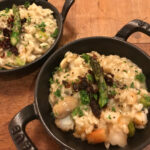
Cocottes: These small, individual-sized serving vessels are great for many of the small plates I teach on my YouTube channel.
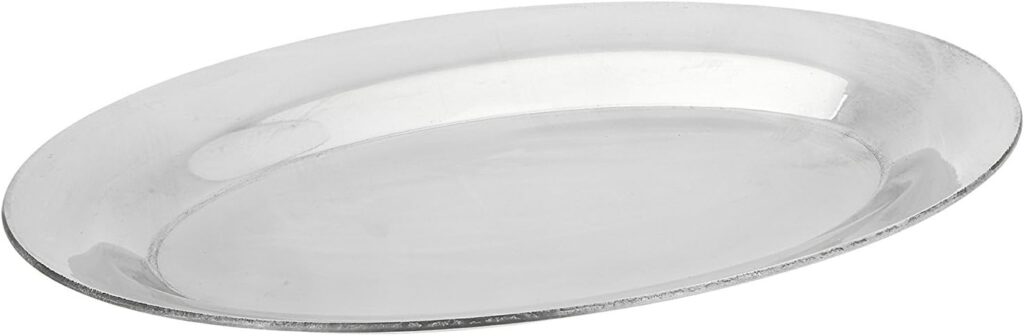
Sizzle platters/plates: This is possibly the most-used kitchen tool. You will see me use them in many of the lessons on my YouTube channel. You can’t have too many.
Cutting Board
Cutting boards deserve special mention. The materials range from flexible thin plastic to glass to wood and bamboo. They come in many sizes. They can be beautiful wood boards that you are afraid to scratch or purely functional boards that show their heavy use. I have used plastic boards for many years but am in the process of switching to wood. I was afraid of bacteria hiding in wood until I read an article in Fine Woodworking magazine (I am a woodworker too) touting the self-sanitizing properties of wood.
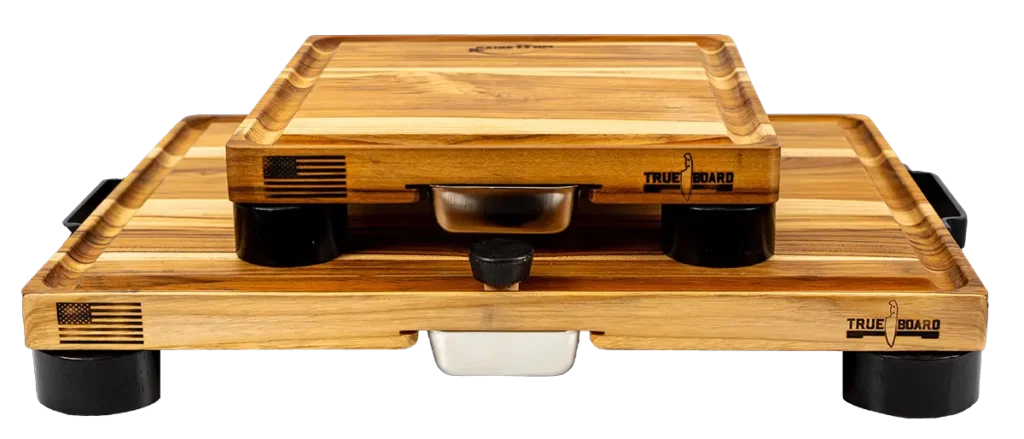
Then I discovered the best cutting board ever, TrueBoard, which is heavy wood, with adjustable feet and a drain tray to catch juices. Use my CHEFSAPPRE20 code for a 20% DISCOUNT. It is the Rolls Royce of cutting boards, but my discount should help with the price (of the cutting board, not the car). If you can’t afford a Rolls, this is a good set. I also like bamboo, which is an amazing material.
Gadgets and Tools
There are many more gadgets and tools than I list here. I actually use these tools. I also love gadgets and tools and I’m always looking for a new one. But if it’s not listed, I don’t need it and you probably don’t either.
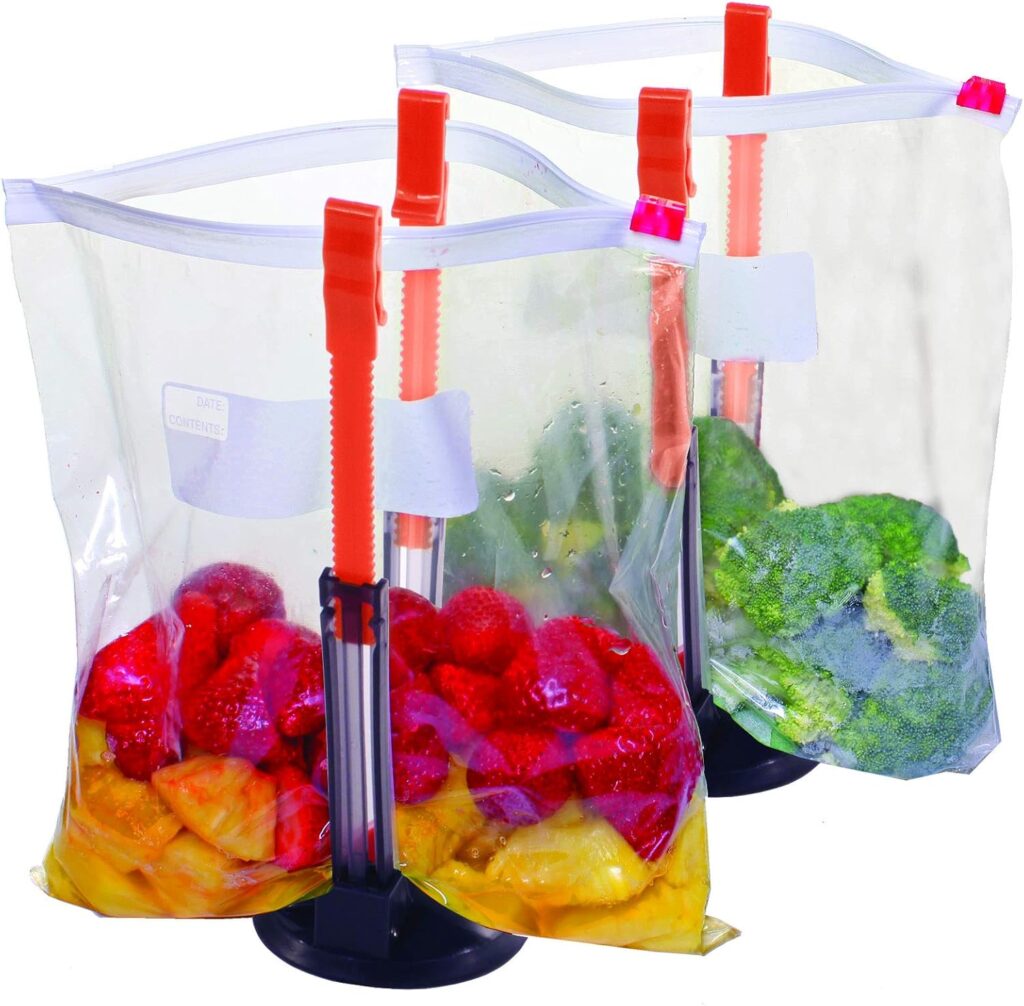
Bag filler: I LOVE THIS GADGET. I use it all the time for filling vacuum sealer and plastic storage bags. As I have said in many of my videos, this gadget should get the Nobel Prize for bag-filling technology. If they don’t have such a prize category, they should start one and award the prize to this device.
Brushes: These don’t last a long time, so don’t spend much on them.
Chopsticks: We serve a lot of Japanese food and use chopsticks frequently. I also use them for cooking some dishes. Here are two recommendations.
Cooking (these are longer than chopsticks used for eating)
Eating
Chinese (blunt)
Japanese (pointed)
Citrus juicer/squeezer: When my YouTube lessons and recipes call for lemon or lime juice, it’s always freshly squeezed. This device does a great job.
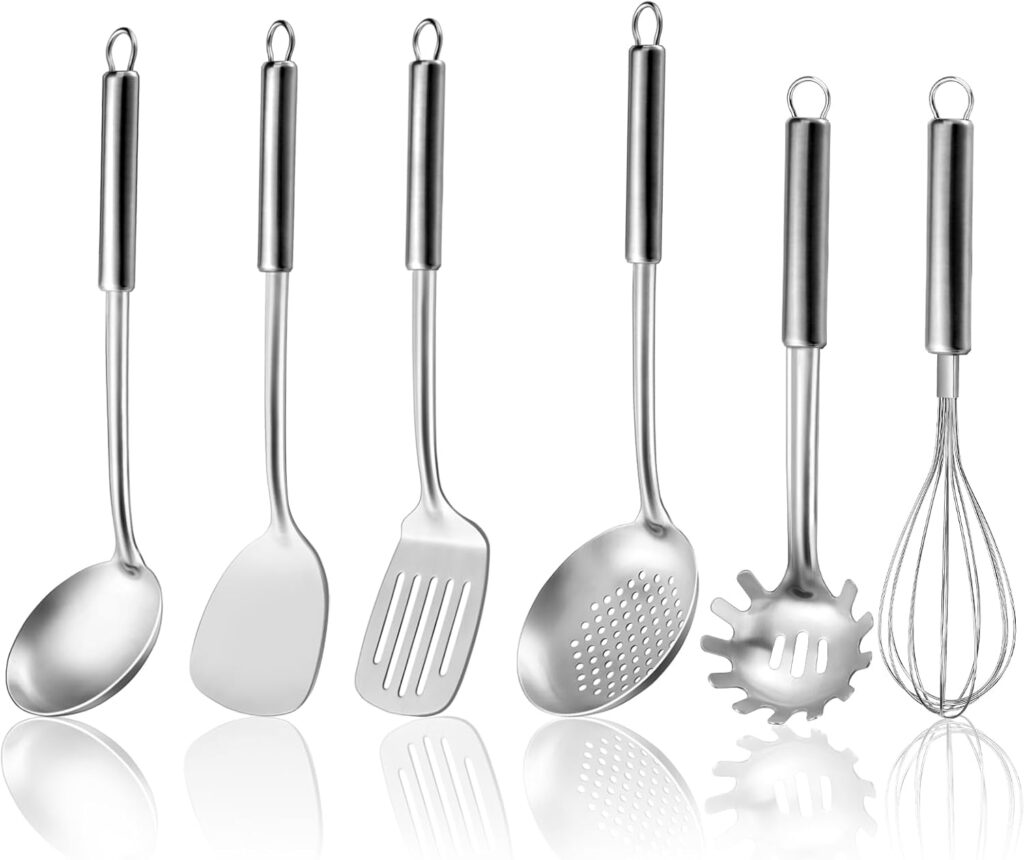
Cooking Utensils Set: These are crucial kitchen tools: slotted spoon, ladle, and metal spatula. Less crucial: skimmer, whisk, pasta server. They need not be fancy. This set is simple and each piece can be hung from a hook.
Corer: Not a crucial tool, but it can be handy.
Egg topper: Several of my lessons and recipes call for removing the tops from egg shells (aka “topping”). There are two basic types, Plunger type and Scissor type. I use the plunger type most often because I believe it makes a cleaner cut.
Fat separator: Hand tool for separating tasty sauce from liquid fat.
Fish Spatula: You don’t know you need this tool until you have one. After you get one, this will become a go-to tool. It helps to release food from frying pans for turning to the other side.
Funnels: Handy.
Garlic Press: This tool probably won’t be used often, but when you need one you need one.
Graters:
Box: This is the most versatile grater. Each side grates or shreds a different way.
General purpose handheld: This grater is good for grating a block of Parmesan cheese over a bowl of pasta and sauce.
Microplane: Excellent for zesting citrus fruits.
Oroshigane: I don’t use this grater very often, but it is good for grating ginger. Tip: be careful not to grate your fingers.
Shark skin: The first time a friend noticed this grater on my equipment list she said “A shark skin grater? Really?” The answer is “Yes, really,” if you ever want to grate fresh wasabi root. It’s also safer than using an Oroshigane for grating ginger.
Heat Diffuser: This tool is very handy when the lowest setting on your stove still isn’t low enough.
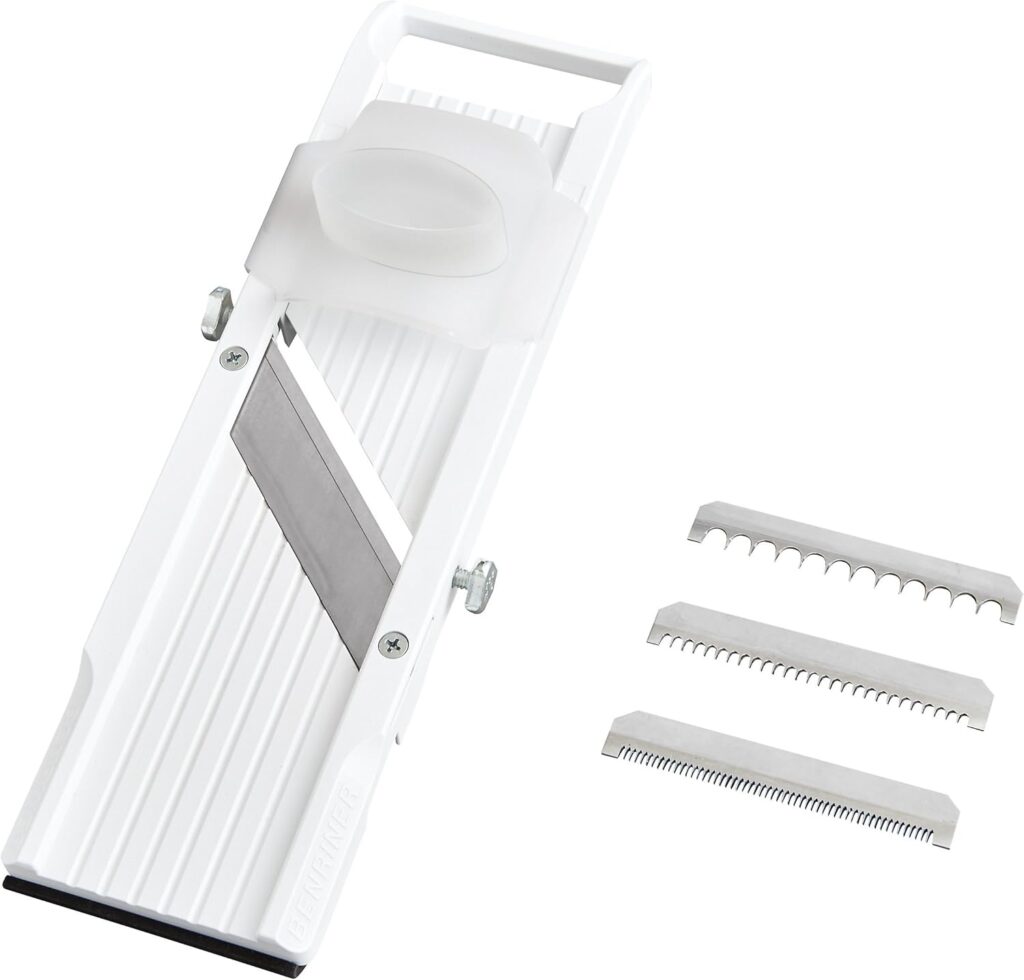
Mandoline: I have a very expensive French mandoline and a very inexpensive plastic one. I use only the latter.
Marble pastry slab: If you bake, get a slab, which helps keep dough at a good working temperature and helps to prevent sticking. I also use one to raise my cutting board a little off of the countertop, which makes prep easier on my back. 16” x 20” is a good size.
Measuring cups: Crucial kitchen tools. This set includes 2/3 and 3/4 cup, which are not included in most sets.
Measuring spoons: Another crucial kitchen tool. I use this magnetic set almost exclusively; it includes 1/8 tsp., 3/4 tsp. and 1/2 Tb.
Meat pounder: An often-used tool for dishes like Chicken Roulade or Beef Negimaki.
Mortar & Pestle: Maybe not a crucial tool, but when you need it you need it. Japanese mortars are ribbed, regular mortars are not. The ribs can help with crushing some ingredients.
Needle-style meat tenderizer: This device, also called a needler, is good for piercing meat so that marinades can penetrate. You can do the same thing with a fork, but if you like devices, it’s better than a fork.
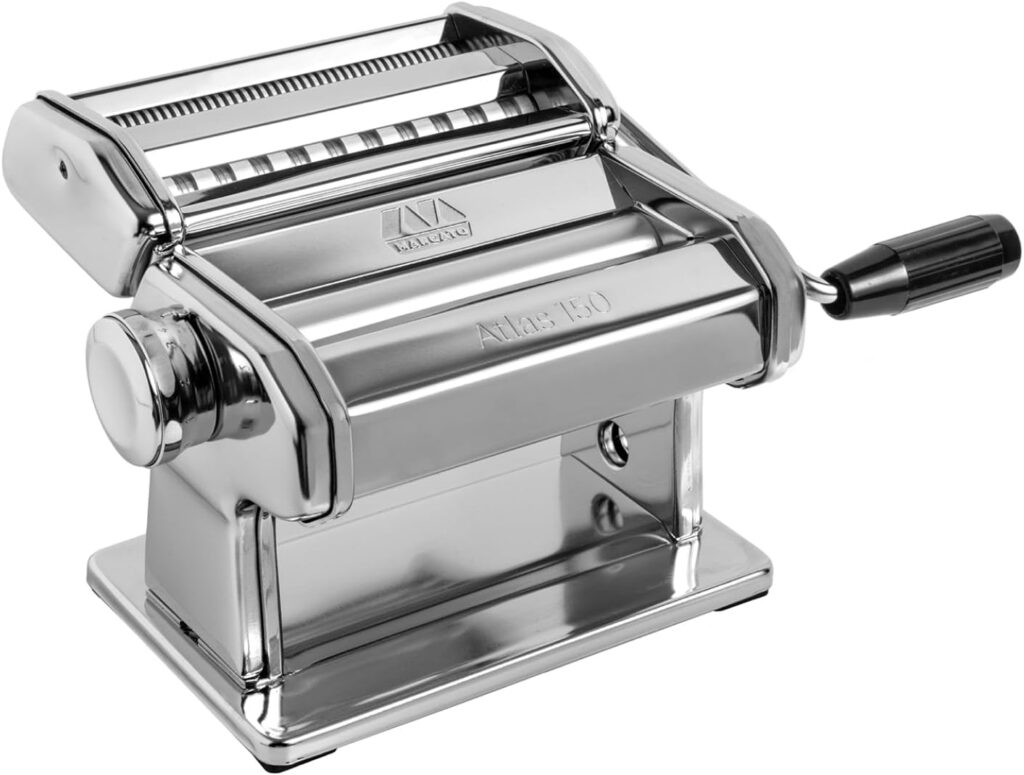
Pasta Machine, handcrank: I make pasta from scratch very often. It’s very easy and fast with a little practice. You can buy a motorized machine, but hand-cranking is more satisfying.
Pastry Bag with assorted tips: This tool is good for making whipped potatoes, meringue, or frosting look professional. Buy good tips, which will last a lifetime; bags will need to be replaced periodically.
Pastry knife: If you bake, this tool will come in handy. I also use it for making pasta dough.
Peeler: Try peeling a carrot or an apple without one.
Peppermill: I recommend using only freshly ground pepper. There are many fancy peppermill products on the market. This is a good, basic peppermill.
Pappardelle cutter: You may never use this. But I have two lessons requiring this tool, so I include it here.
Poultry sheers: Great for cutting bone-in chicken breasts into halves or thirds, and for removing the backs when breaking down a chicken.
Ravioli cutters: Absolutely necessary for making ravioli from scratch. This set contains a round cutter and a square cutter.
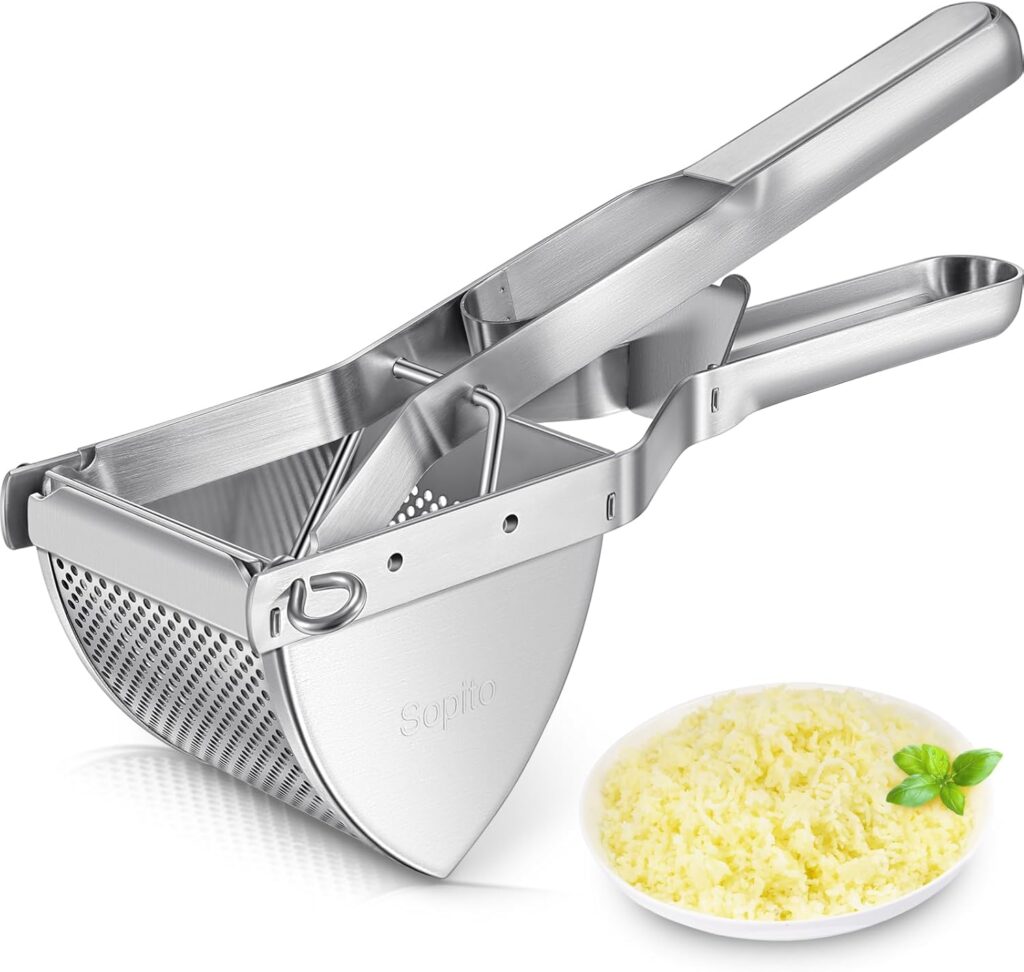
Ricer: If you have one of these babies, you don’t need a manual food mill. It’s great for making perfectly smooth mashed potatoes.
Ring Molds, 2 ½”: Really handy tools for serving perfectly sized portions, for a professional look.
Salad spinner: Washing greens is always a good practice, even if the package says they have already been washed. This tool is great for removing the extra water.
Scale, kitchen: A crucial tool for portioning ingredients.
Sifter: A handy tool for bakers.
Sizzle/splash guards, set: This simple tool helps keep your stove-top grease-free when you fry just about anything.
Spatulas, rubber. These high-heat tools are crucial for many jobs. For metal: See Cooking Utensils.
Spice grinder: I don’t need this tool often but it’s good to have on hand. An electric coffee grinder works great, but it is best to have one that is dedicated to spice grinding, unless you grind your own coffee beans and want your coffee to smell and taste like spices.
Spider strainer: A handy, ladle-like tool good for removing food from a deep fryer, wok, or boiling water.
Spray bottle (water): Handy tool for spritzing smoking ribs and other applications.
Spreader (for cheese, jam, etc.): I call this a luxury tool. You really don’t need it; a knife works fine. But it does a great job of spreading butter, jam, peanut butter, etc.
Squeeze bottles: I use squeeze bottle often for making sauces.
Thermometers
Deep frying: I like this thermometer for deep frying because it clips to the side of the pot and is easy to read.
Instant read: This thermometer is very handy for checking the doneness of meat.
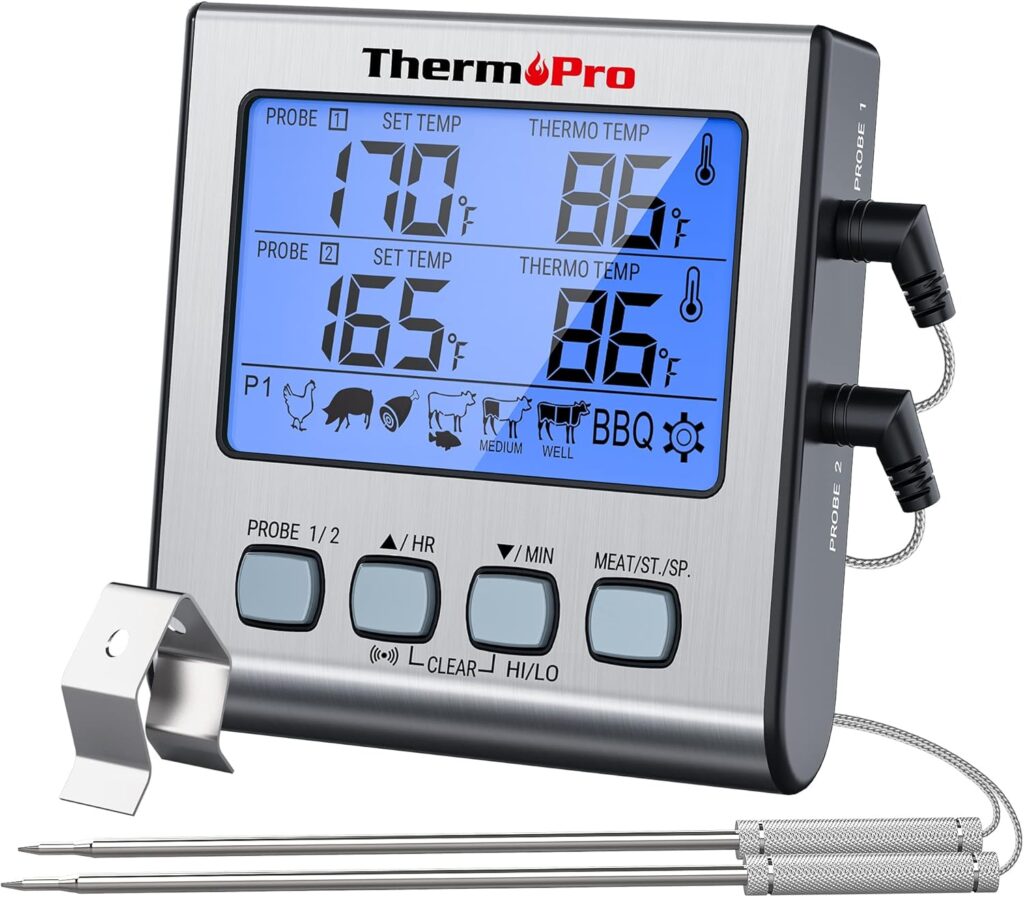
Oven or Smoker: This thermometer is for use with your oven or smoker. Place one probe into the oven or smoker compartment and the other in the food. Close the door on the wires. The remote readout keeps you up to date on the temperatures of the compartment and the food.
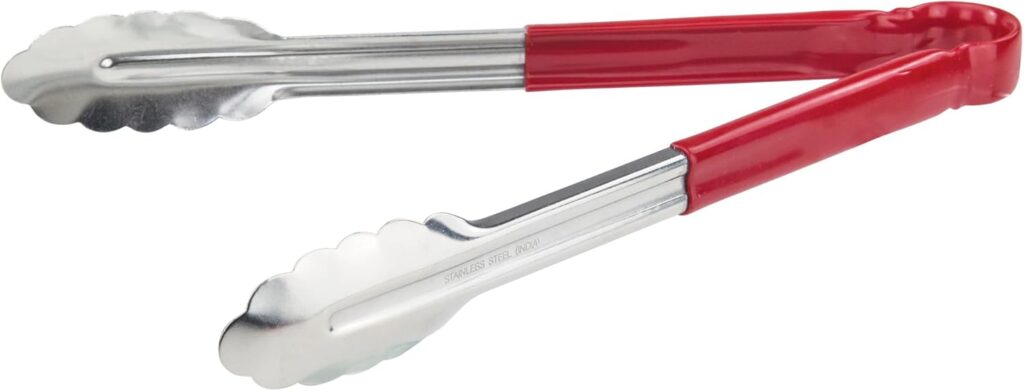
Tongs: This is an extremely essential tool, like an extension of your arm. This one is commercial grade, with no hinge or annoying lock. I suggest buying 3-4.
Torch: A great tool for browning the top of custards or meats. Just replace the butane canister instead of refilling.
Truffle slicer: You won’t need it until you need it.
Whisks: It’s helpful to have different sizes
Wok spatula: The shape of this spatula makes it a go-to tool for me, even when I’m not using the wok. I often use it instead of a regular metal spatula.
Wooden spoons: You need many, of different sizes and lengths.
Grills and Grilling
Picking an outdoor grill is a topic unto itself. Look for future posts on this subject. This section is about specialty grills.
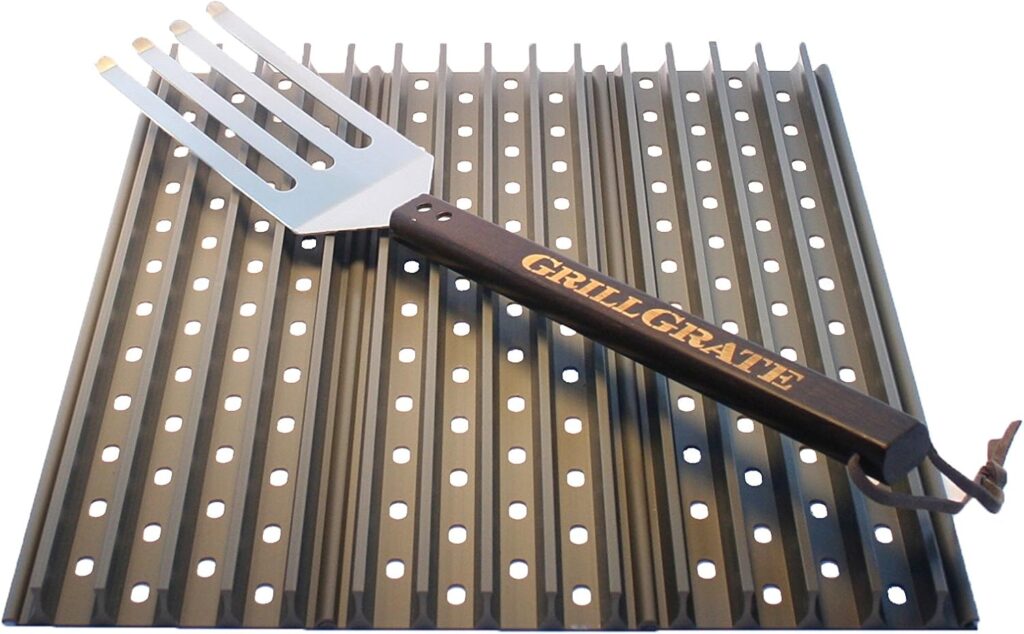
GrillGrate: This tool isn’t a grill but a plate that sits on top of your grill. They make one for grills with grates and one for flat-top grills. The ribs give the food nice grill marks and the spatula that fits between the ribs makes lifting and turning the food a breeze. I love my GrillGrate. Tip: spray it with cooking spray before use.
George Foreman hamburger grill. This is a great tool for any kind of bread or sandwich grilling, from grilled cheese sandwiches to panini, and is far less expensive than a panini press. I have the original version, which is very economical.
Konro grill: If you cook Japanese food, such as Yakitori, you will want and love a grill like this.
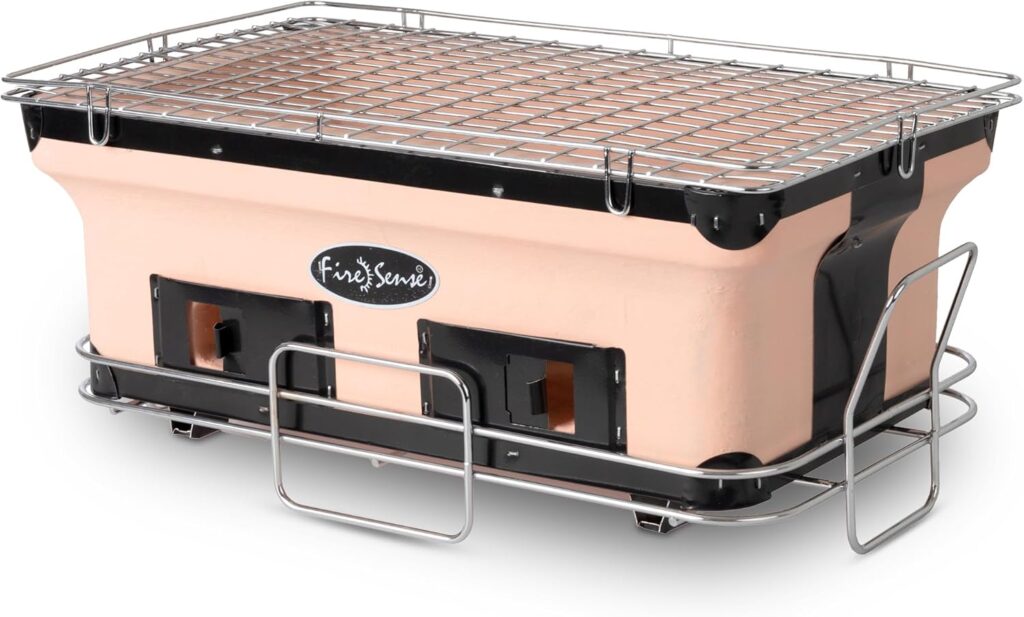
Yakiniku propane grill: If you want to host your own Yakiniku Night, you and your friends will love and remember the experience of using this grill.
Knives and Cutting Tools
A good set of kitchen knives will be your best friends in the kitchen. Good knives are not inexpensive, but – as my cooking school chef said – “take care of them and they will last you a lifetime.” I have been using mine for many years. I prefer Wusthof, which have withstood the test of time. See my blog post called “Essential Kitchen Knives: The Ultimate Guide for Home Chefs”. Here is a link to a good knives set. For individual knives:
Boning knife: For removing bones from meat and filleting fish.
Bread: A good bread knife should be serrated.
Chef’s knife: This is your most important knife.
Cleaver: I have a Wusthof, but this one is a better value.
Meat slicer: A slicer should be long and somewhat flexible.
Paring knife: A very handy, small general utility knife.
Sharpening steel: Give the steel a few strokes before every use of your knives, which raises a burr and reduces the need for sharpening.
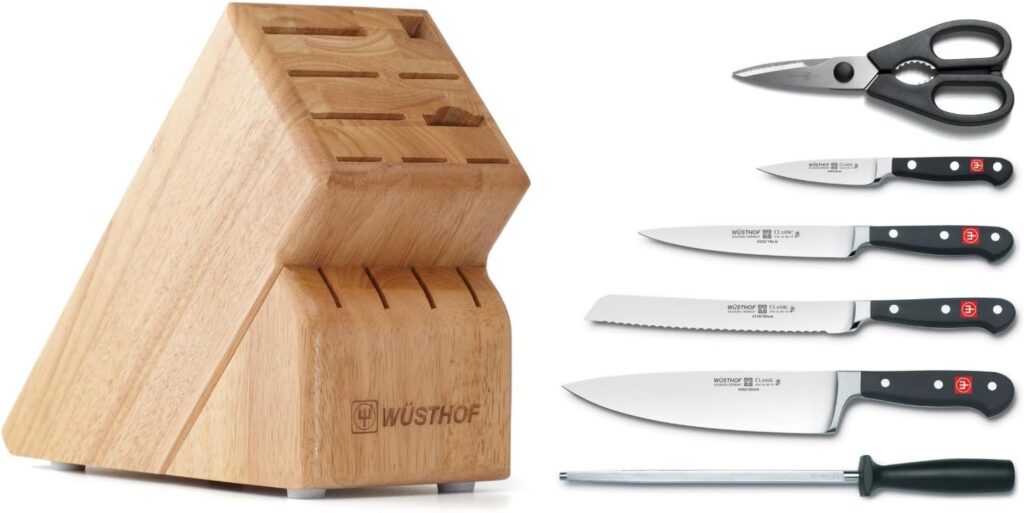
Steak Knives: I like the Japanese aesthetics of this set.
Pots and Pans
There may be as many different brands of pots and pans as there are cooks. I have an eclectic collection, which is a fancy way of saying that most of my pots and pans don’t match. I buy them for what I need them to do, not how they look, so mine are not fancy. Here are some recommendations for functional pots and pans that will not break the bank.
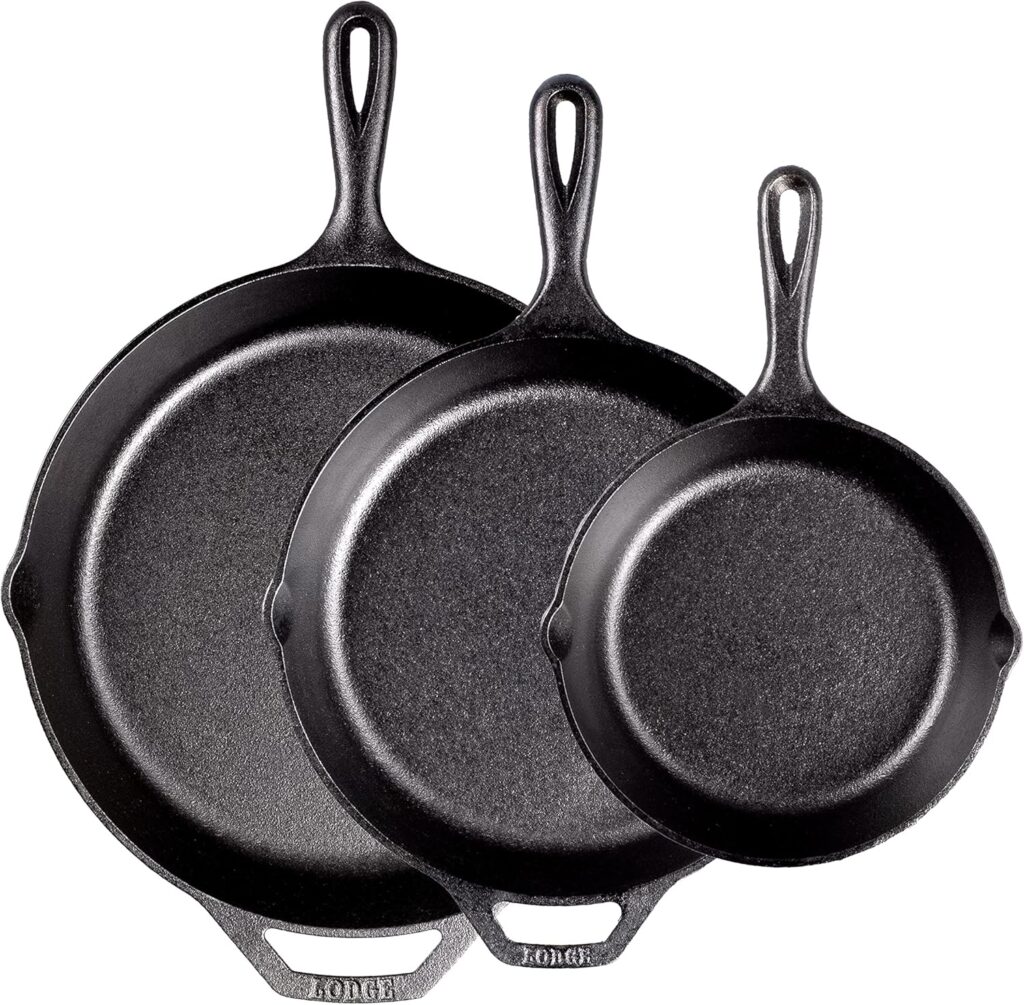
Cast iron skillet set: Many people love to cook in cast iron, including my wife. I like the Lodge brand, which has the plus of being made in the U.S.A.
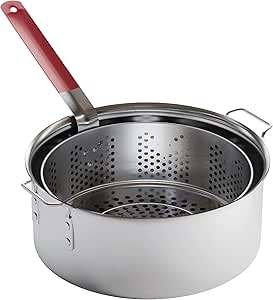
Deep Fryer Pot: I prefer a pot that sits on the stove to an electric deep fryer (see above). It should be big enough to hold a large quantity of oil, which makes it easier to maintain a consistent temperature.
Double boiler pot: This tool is great for reheating anything that might easily burn if you try to heat it in a pot directly over a flame or electric burner. Add water to the bottom section and the food to the top section, cover it, turn the heat on low to medium, and stir from time-to-time. It takes longer than direct heat, but will not burn your food.
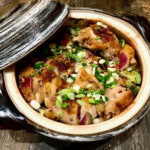
Donabe hotpot: I have several different lessons and recipes using a Japanese Donabe, which is a clay pot. Donabe cooking is fun and interactive with your guests.
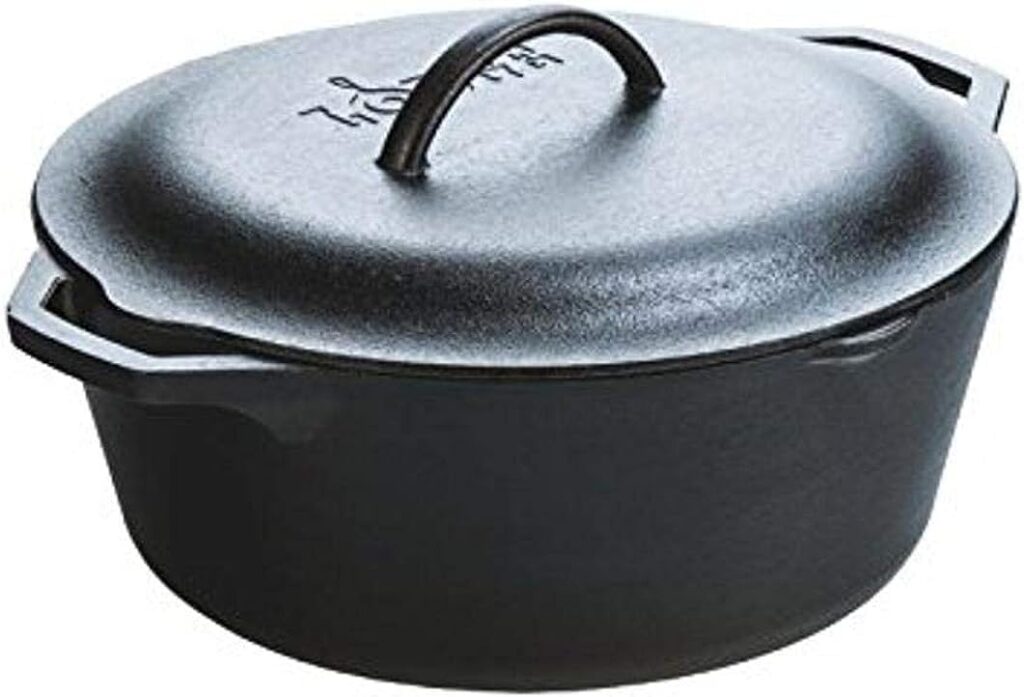
Dutch Oven: This tool is great for braising, low and slow, either on a burner or by placing the Dutch oven in a conventional oven. I like the Lodge brand.
Grill pan: This tool provides a way to get grill-like results without using a grill.
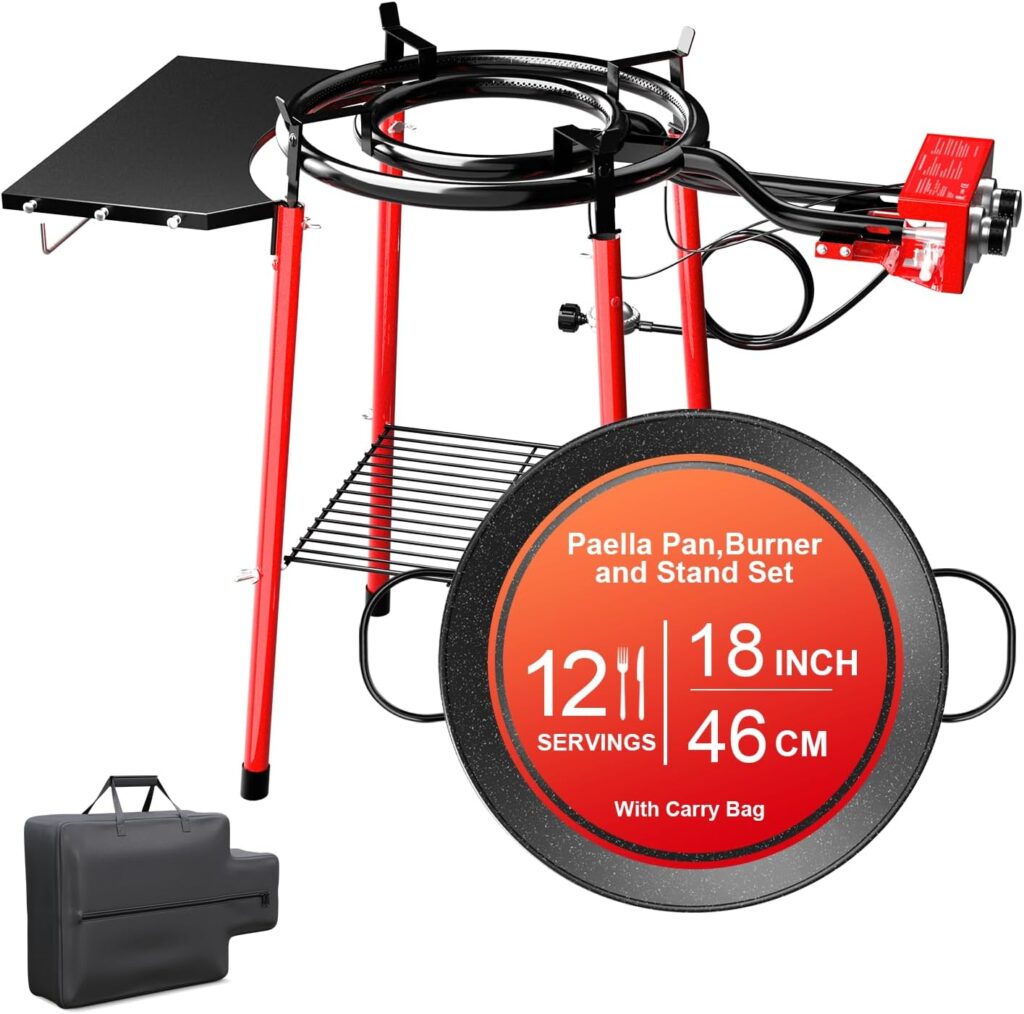
Paella pan: Paella is a classic Spanish dish cooked in a shallow pan. It’s fantastic food for parties. The size pan you need is determined by the size of the party. I have several different sizes, from 2-4 person size to feast-size. I like steel pans because of the way they transmit heat. Tip: dry the pan after cleaning, to prevent rust.
Paella burner: The pan of paella can be cooked on a stove burner or in the oven, but it’s better to use a paella burner, which has two concentric rings powered by a propane tank. This burner is especially better if you are using a large pan. The burner at the link comes with a paella pan.
Pots and pans set: This is a tough category. There are so many choices. I have bought a lot of my pots and pans piecemeal and some of them are commercial grade, but this set is economical. With a few exceptions, I don’t use nonstick.
Stockpots: I have 4 different sized stock pots and I make stock often. This is a good starter size (12 qts.)
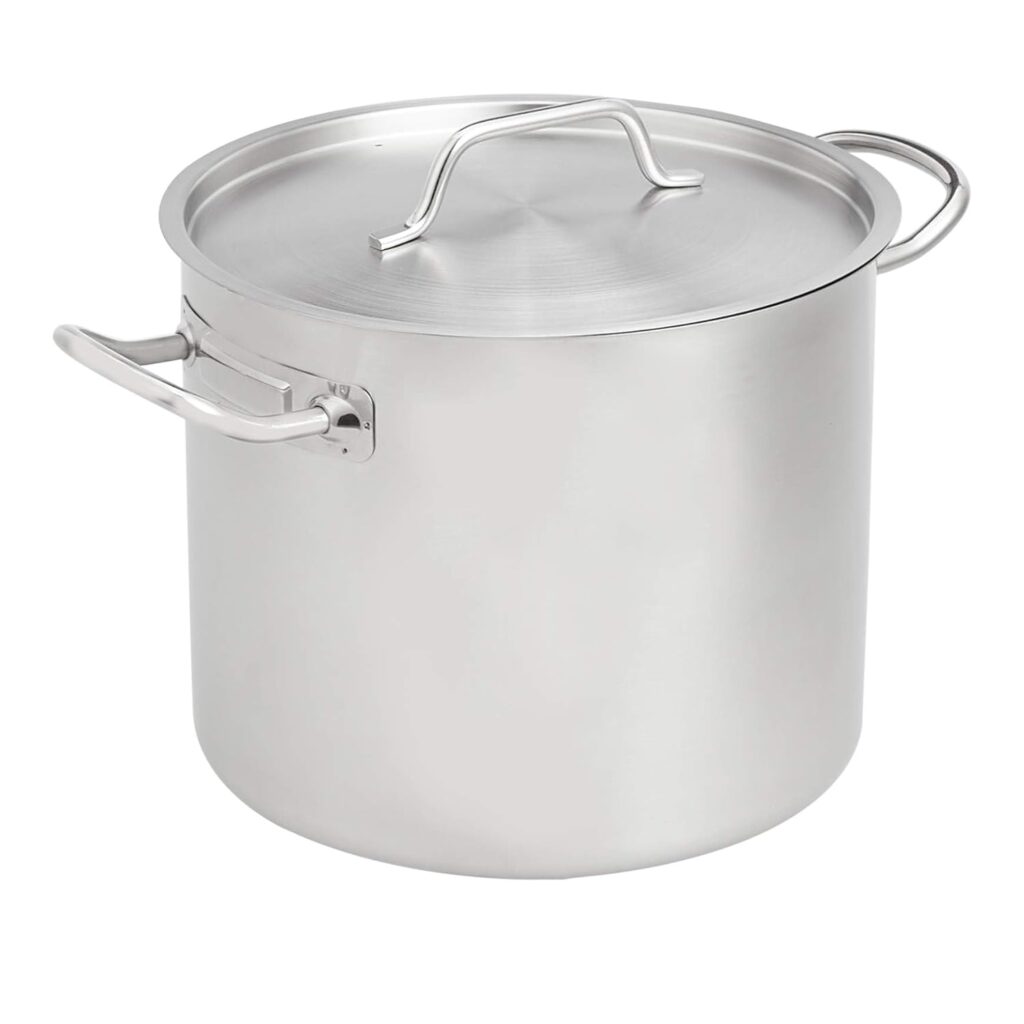
Steamer/Pasta Pot: This is a crucial tool for cooking pasta and for steaming food. Be sure to buy a pot with pasta and steamer inserts, like this one.
Takoyaki pan: You may never make Takoyaki, but I have two videos, one about how to make it and one showing it being made on the street in Osaka, Japan. So I have included it here.
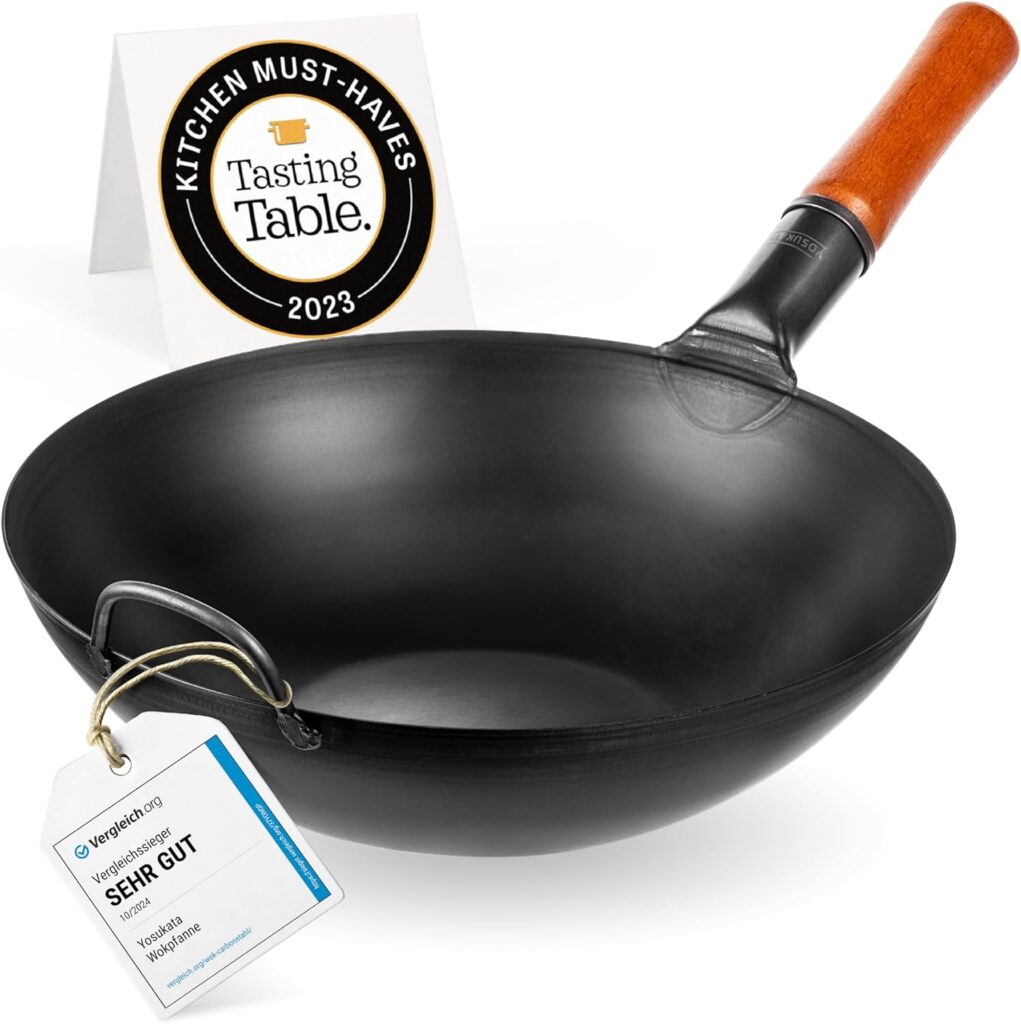
Wok and cast iron ring: A carbon steel wok is best for conducting heat. A wok should have a round bottom. The ring is for using the wok on a stove-top.
Supplies
Aluminum Foil, heavy duty: I recommend only using heavy duty foil — which is more durable — and buying large rolls, which are more economical than small rolls.
Bouquet garni bags: Bouquet garni is fresh thyme sprigs, bay leaf, peppercorns, and parsley. Classically, these ingredients are wrapped in cheesecloth and submerged in stocks, broths, soups, etc. These little bags make it easy.
Brown paper bags: Brown paper is good for draining deep-fried food. I use lunch bags and tear them open.
Cheesecloth: Good for straining stocks, sauces, and soups.
Cooking spray: Important for helping to prevent food from sticking. This spray is especially good for use on the rotisserie oven basket.
Parchment paper: This is a kitchen staple, especially for bakers, but it’s useful for almost anything placed on a sheet pan in the oven. It can also be used for any papillote dish.
Plastic wrap: I recommend buying it in large rolls, which is more economical than small rolls.
String: Another kitchen staple, used for trussing poultry, tieing meat, making roulades, etc.
Wood chips for smoking: If you do any smoking, this is a good assortment or hickory, mesquite, and apple.
Ziploc bags: A kitchen staple used for marinating and storing food. Buy them in assorted sizes.
Strainers
Chinois strainer: This so-called “Chinese cap” strainer comes in two varieties, with either fine mesh or tiny holes. I prefer fine mesh. Make sure it comes with a stand and a push stick. It’s used for extracting as much juice and flavor as possible from cooked food. Place a bowl under the strainer, fill the strainer, and use the push stick to push juices through it and into the bowl.
Colander: A handy tool used to rinse vegetables. But I hardly ever use one, opting instead for a common strainer.
Strainers: Buy a set of strainers of various sizes, with mesh from coarse to fine.
Conclusion
Some cooks want every kitchen tool and gadget ever made. Some cooks are minimalists. I am somewhere in between, but closer to the former. When friends come to cook in our kitchen, as they often do, I don’t want them to want for any tool they need. Use this list, equip your kitchen, and decide which type of cook you are.
Disclosure: As an Amazon Associate I earn from qualifying purchases. If you buy from a link on this site, I may earn a small commission from the vendor without any additional cost to you. No company pays me to say anything in particular, or to say nice things. I only stand behind products I believe in.