John Hornick — Chef’s Apprentice
Cooking is all about balancing flavors, and salt plays a big part in that. It’s what makes a dish taste more vibrant and complete. But knowing how to use salt properly is an art. When done right, salt can turn a good meal into a memorable one. This guide will walk you through the practical techniques, the different types of salt, and expert tips to help you cook with confidence.
Understanding Salt: The Foundation of Flavor Enhancement
The Role of Salt in Cooking and Taste
Salt is more than just an ingredient; it’s a flavor amplifier. It makes natural flavors pop and enhances the umami taste we all love. For example, a pinch of salt on a tomato slice makes its flavor more intense. It also does other jobs, like drawing moisture out of food and preserving it. Check out my video called Mastering Salt.
The Fifth Taste: Umami and Its Relationship with Salt
Many consider umami to be the fifth taste, along with sweet, sour, bitter, and of course salty. It’s the savory flavor you find in mushrooms, aged cheese, and meats. Salt works with umami to deepen the taste of a dish. Add a little salt when cooking dishes rich in umami, like broths or stews, and the flavors will become more layered and full.
Types of Salt: Choosing the Right Salt for Cooking and Finishing
Common Salt Varieties and Characteristics
- Table Salt and Iodized Salt: Fine grains, often with additives to help it flow. It’s easy to over-salt. Use sparingly. I don’t use it at all.
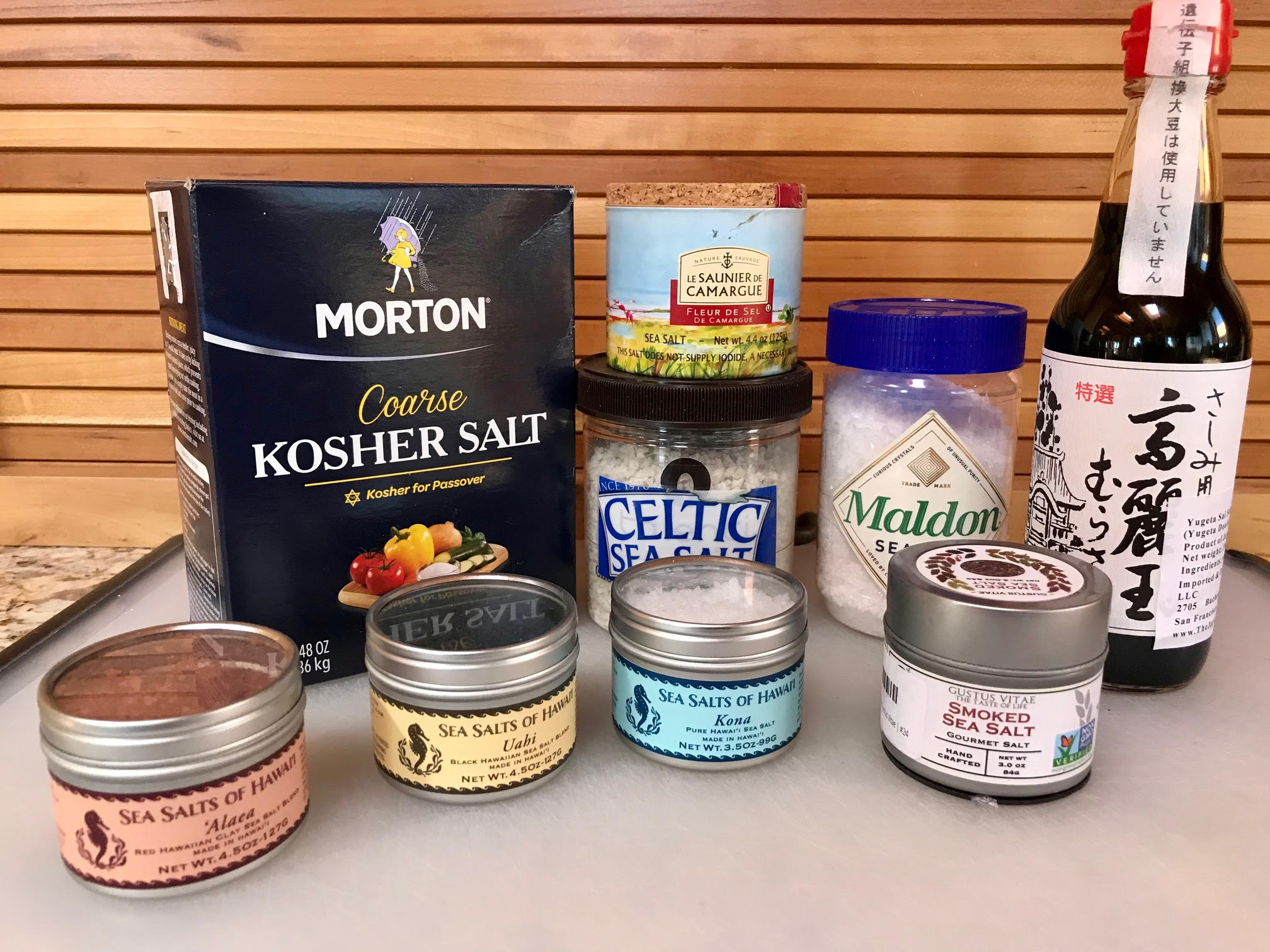
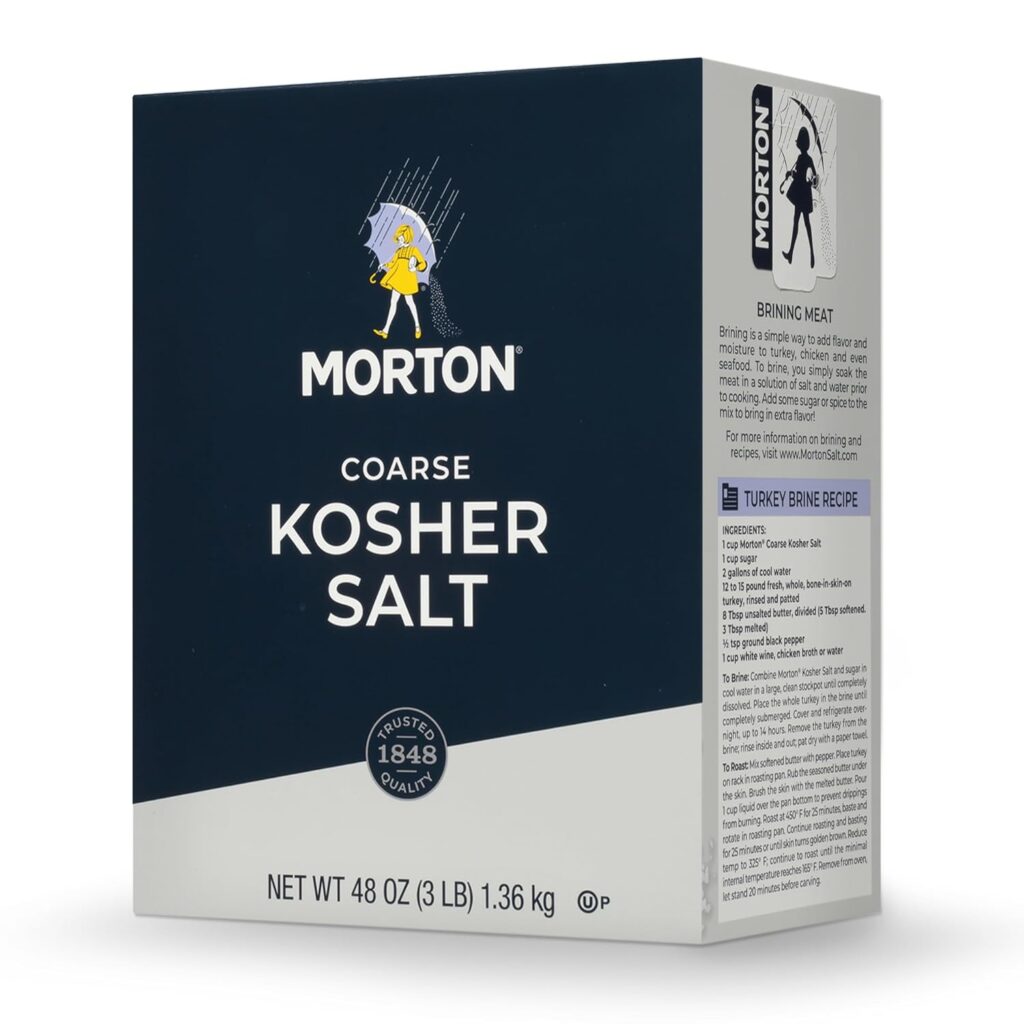
- Kosher Salt: Larger grains, no additives. Easier to control and less likely to oversalt. Great for seasoning during cooking. I use Morton Coarse Kosher Salt almost exclusively, and I use a lot of it.
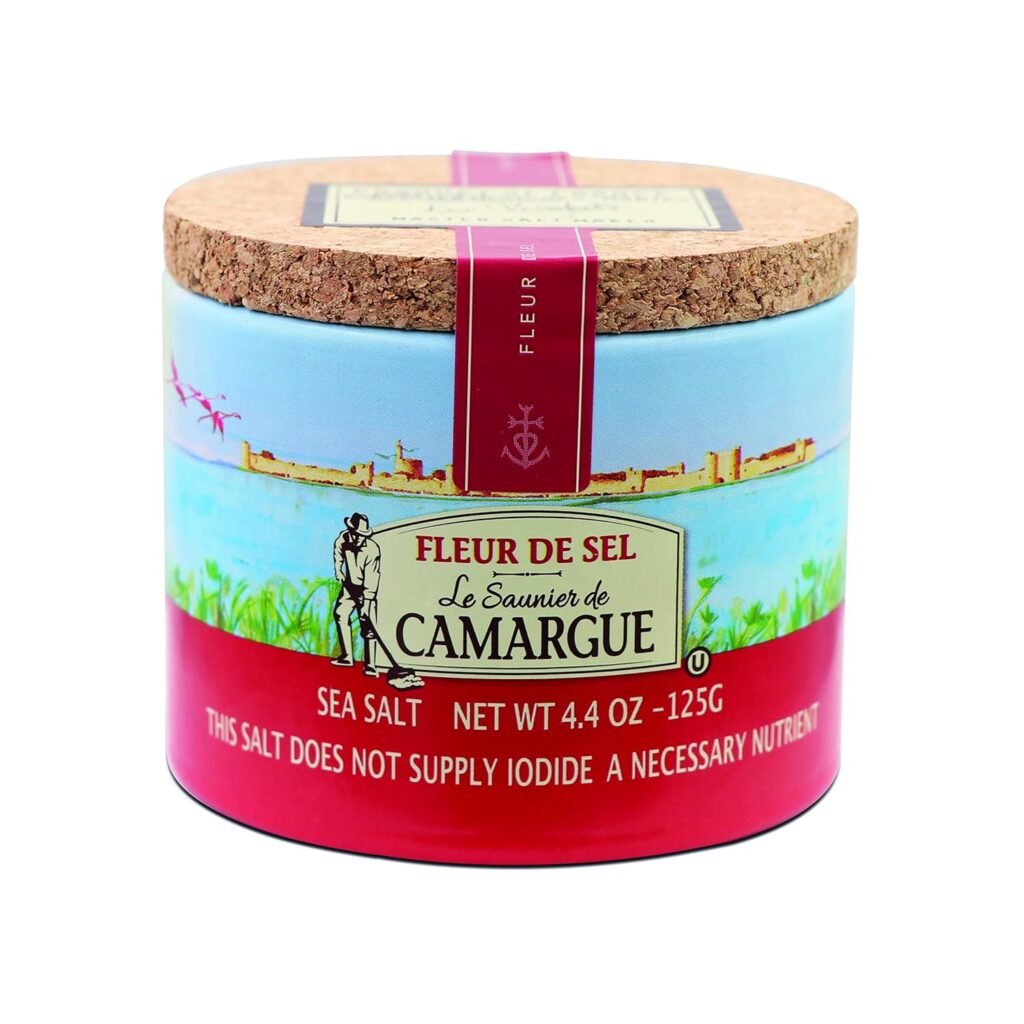
- Sea Salts: There are many types of sea salts, and many brands. They come in very coarse crystals, medium coarse, fine, flakes, and other forms. Here are three I especially like.
- Fleur de Sel: Light, flaky, looks elegant. Use as a finishing salt.
- Celtic Sea Salt: Fine or coarse, gray color, mineral-rich. Use for finishing.
- Maldon Salt: White, chunky crystals, mild flavor, ideal as a finishing touch.
- Himalayan Pink Salt: Pink hue, contains trace minerals. Use lightly for finishing or presentation.
- Black salt: Really black. Coarse. Good for finishing a dish where the color will show.
Salt for Different Applications
- Cooking: Use coarse salts like kosher or sea salts for slow infusions or seasoning.
- Finishing: Fine or flaky salts like fleur de sel add a spark when sprinkled on dishes just before serving.
- Texture and Dissolution: Larger grains dissolve slower, giving a crunchy sensation, perfect for finishing and garnishing.
Techniques for Optimal Salt Usage in Cooking
Start Light and Adjust: The Core Method
Beginning with less salt prevents over-salting, a common mistake in cooking. It’s easier to add more later than to fix a dish that’s too salty. This is the most important thing to learn about using salt: salt lightly as you go, then taste and adjust at the end, right before serving.
Guesswork vs. Precise Measurement
Relying on guesswork is common, but it’s not always reliable. Use your experience to judge how much salt to add. Recipes can be a guide, but other factors, like fresh ingredients or ingredient size, affect salt needs. Over time, your skills will improve, and you’ll develop a good “salt instinct.” Don’t blindly trust salt measurements in recipes. Use your own judgment, starting light. Use the Core Method: start light and adjust.
The Power of Experience and Observation
Seasoning from experience is a skill you develop by paying close attention to how dishes look, smell, and taste. Watching seasoned chefs work teaches you a lot. Watching how they salt meat or vegetables can sharpen your touch.
Practical Application Techniques
- Salting Ingredients Directly: Salt meat or vegetables just before grilling or sautéeing.
- Timing Matters: Salt early on to draw out moisture or late to preserve texture and flavor. For broth or sauces, it’s best to start light and adjust just before serving.
- Sample dishes: Taste an unserved piece or extra portion to decide if more salt is needed. This can stop salt mistakes from ruining a dish.
Adjusting for Over- or Under-salting
- Over-salted dishes can sometimes be fixed by adding liquids like stock or water, or incorporating ingredients like potatoes or rice, which may soak up extra salt.
- Adding ingredients such as more vegetables, mushrooms, or pasta can help disperse salt evenly.
- Mask flavors with acids, like lemon juice or vinegar, or fats such as cream or avocado to hide excess salt.
- Sometimes, dilution is the only fix, especially for soups or stews. Be careful, though—adding too much liquid can change the dish’s taste and texture.
- Sometimes, oversalting can’t be fixed, so follow the Core Method.
When and Why to Salt During Cooking
Timing of Salt Addition
In general, add salt just before or during cooking, not too early. Salting meats well in advance can dry them out because salt pulls moisture out. However, salting meat in advance is desirable if you want to develop a crispy surface during cooking. Don’t add salt to stocks, which are used for reductions. If a stock contains salt, reducing it will intensify the salt. For sauces, start light and adjust to prevent concentration of salt.
Letting Guests Salt Their Own Food
In U.S. fine dining restaurants, most chef’s believe it is their obligation to salt the food perfectly, so they don’t offer salt on the table. Of course salting food perfectly in the kitchen is impossible because different guests like different amounts of salt, or they may have dietary restrictions that require low salt intake.
But in many cultures, especially in Japan, letting diners salt their own food is normal. It gives people control and allows them to customize their flavor. Serving high-quality salts on the table invites your guests to tweak their dishes to their liking. Present salts nicely on small dishes; it becomes part of the experience.
Salt Substitutes and Enhancers: Alternative Ingredients to Boost Flavor
Salt Substitutes for Cooking
- Prosciutto, bacon, parmesan cheese, anchovies: These add salt and rich flavor naturally.
- Capers and olives: briny and salty, great in salads and sauces.
- Soy sauce and fish sauce: Excellent for Asian dishes, they pack a salty punch.
Japanese and Asian Salt Alternatives
- Shoyu (soy sauce) and tamari are common substitutes. Tamari is gluten-free. Soy sauce is not. Warning: light colored soy sauce has MORE salt than regular. Light soy sauce has less.
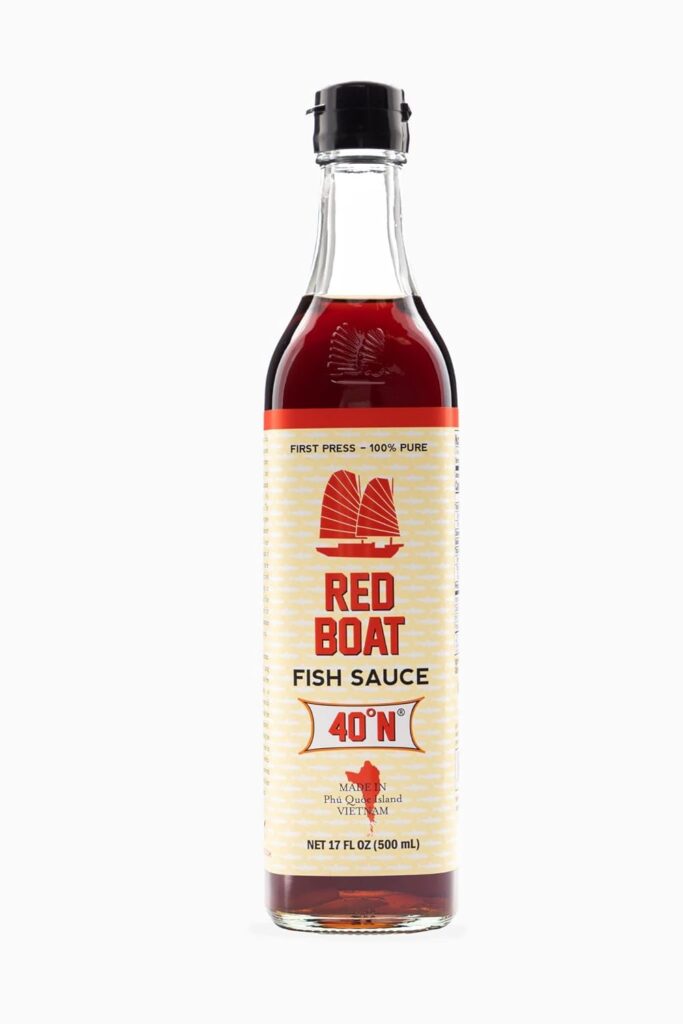
- Fish sauce: Adds depth to dishes, especially in Asian cooking. I recommend Red Boat brand, even though it is not Japanese. Fish sauce is very salty.
- Shio koji and shoyu koji: Salt fermented with rice or soy, acting as flavor boosters. See my video Making Shio Koji, Shoyu Koji,and Amazake.
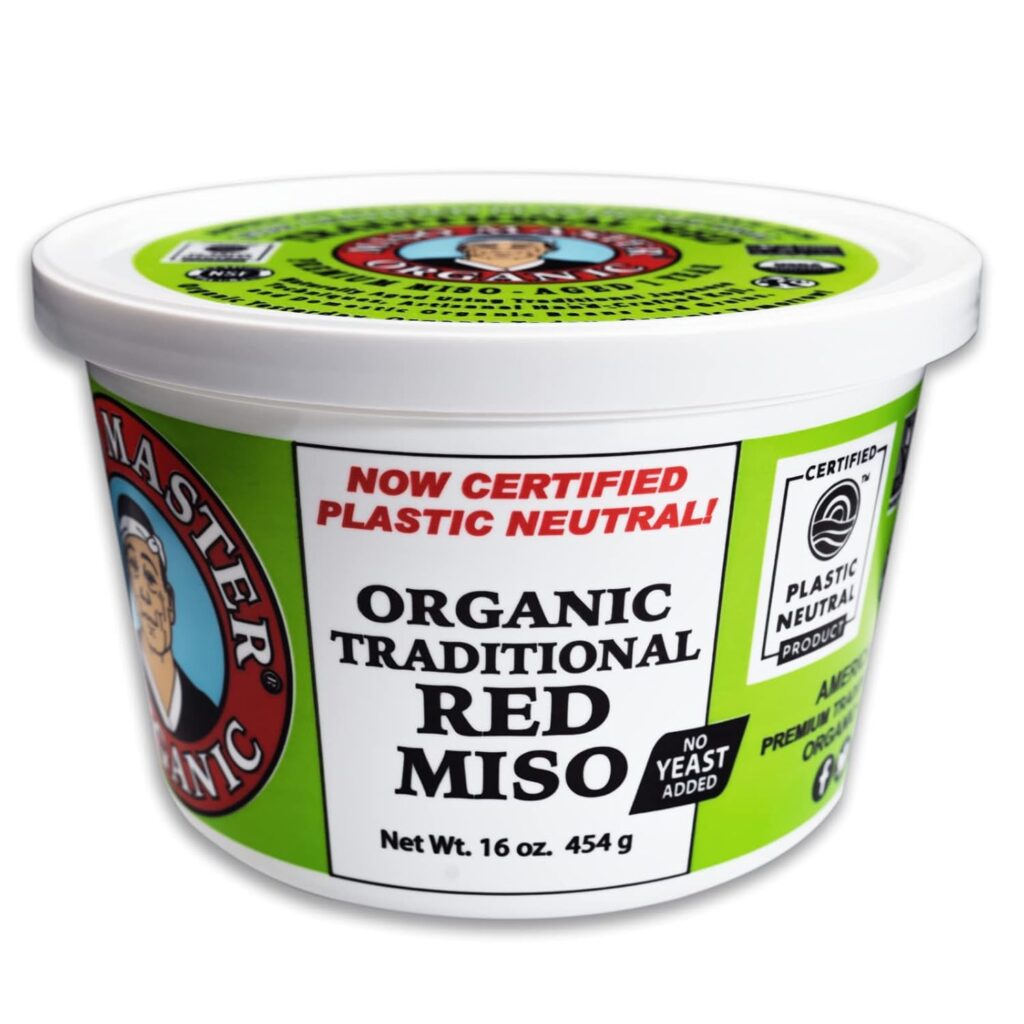
- Miso: A fermented soybean paste that provides saltiness along with umami. It comes in different colors and levels of saltiness and sweetness. I use red miso most often, and mostly the brand shown below, which is easy to find (see photo and link below). See my video Miso 101.
Other Salt-Like Flavor Enhancers
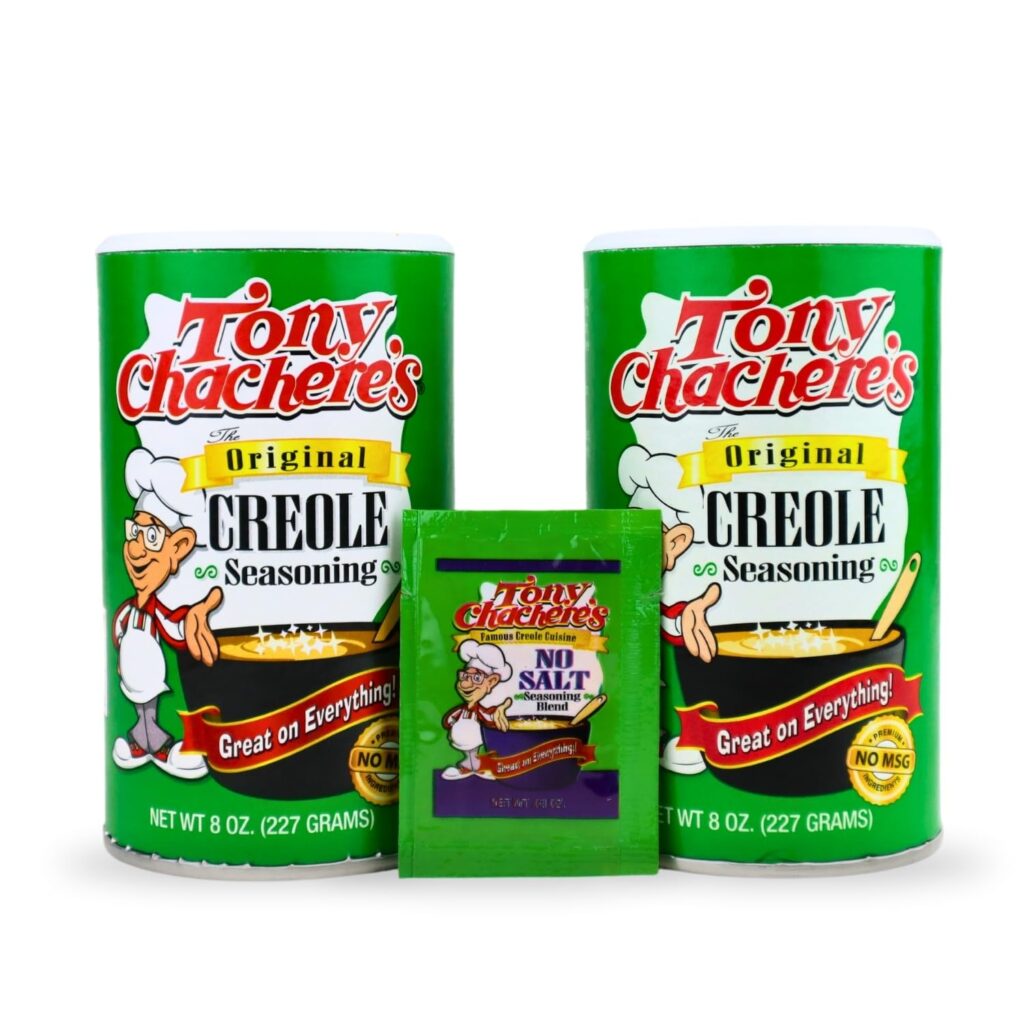
Spices like Tony’s seasoning or garlic salt enhance dishes without packing in extra salt if used carefully. Be mindful—these blends contain salt, so adjust accordingly. We use Tony’s for adding Creole spice, especially to gumbos.
Practical Tips for Mastering Salt
- Conduct simple salt experiments: Try salting tomatoes or eggs with different amounts of salt, starting with only a few grains. Taste each and see how little salt is needed to flavor well.
- Observe cues: A properly salted dish should just have a very slight salt taste, not overpowering.
- Consistency: Keep track of your salt amounts and taste at key points.
- Be intentional: Think of salt as part of the presentation, not just seasoning—like presenting a small dish of fine salt as part of a finished dish.
Conclusion
Mastering salt is an essential skill for any cook. It starts with light seasoning, tasting often, and making adjustments before serving. With practice, you’ll develop a feel for how much salt to use and when to add it. Remember, salt can make everything better—so don’t be afraid to experiment and trust your palate. The result? perfectly seasoned dishes that delight everyone at the table.
Disclosure: As an Amazon Associate I earn from qualifying purchases. If you buy from a link on this site, I may earn a small commission from the vendor without any additional cost to you. No company pays me to say anything in particular, or to say nice things. I only stand behind products I believe in.