John Hornick — Chef’s Apprentice
Introduction
If you’ve ever had sushi in a Japanese restaurant, chances are you’ve encountered wasabi. It’s that bright green condiment that adds a spicy kick. But do you really know what you’re eating? Most people have never tried the real deal. Understanding the difference between authentic wasabi and its cheaper substitutes can change how you enjoy sushi. This guide will help you learn about the plant, the challenges of growing it, and how to tell real wasabi from fake. Get ready to uncover the truth behind this mysterious, spicy root.
What Is Wasabi? An Overview of the Plant and Its Origins
The Nature of Wasabi
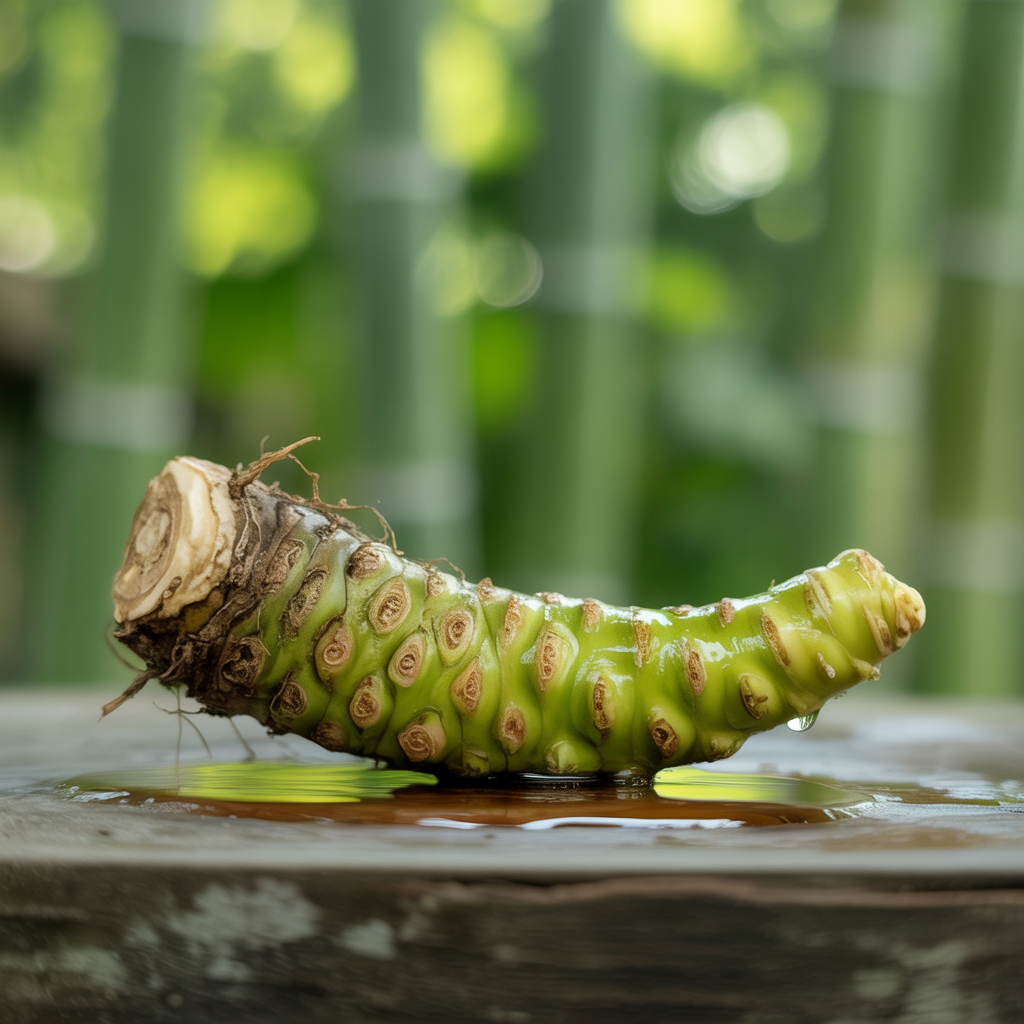
As I explain in my YouTube video, Wasabi is a plant native to Japan, but it also grows naturally in parts of Russia and Korea. Its name refers to the root that forms the heart of this plant. The root is used like a spice — freshly grated, it’s a key condiment for Japanese sushi and sashimi. Unlike most spices, wasabi has a unique way of delivering heat. It stimulates your nose more than your tongue.
Historical Use of Wasabi
People have used wasabi in Japan for well over a thousand years, dating back to around the 700s. It was popular in traditional Japanese meals long before sushi became worldwide. Yet it wasn’t until the 1980s that wasabi really hit the American scene, with sushi restaurants opening across the U.S. Since then, it’s become a common accompaniment for raw fish.
Cultural Significance
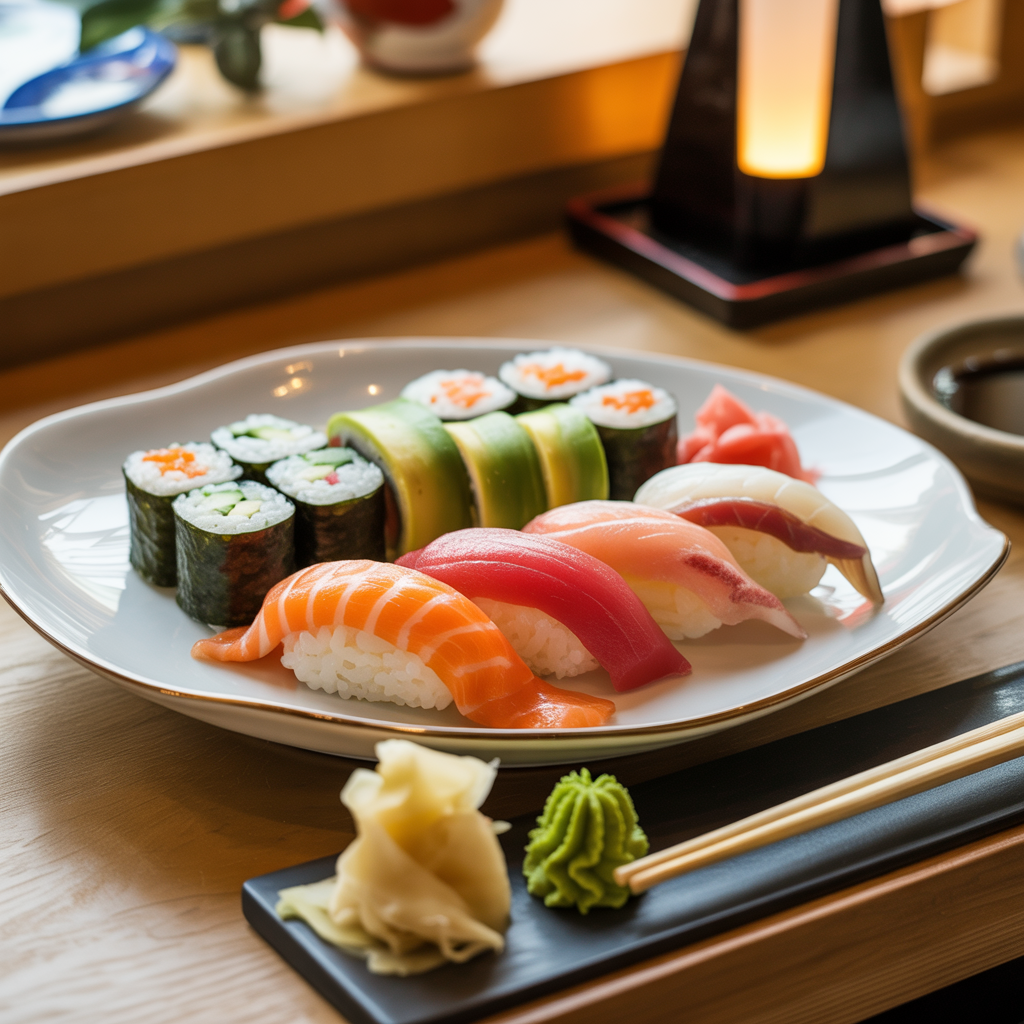
In Japan, wasabi isn’t just a condiment but a sign of quality. High-end sushi chefs take great care to use fresh wasabi to enhance flavors. The way it’s served reflects respect for tradition and culinary artistry. Meanwhile, in many places outside Japan, you’ll find so-called “wasabi” in paste form or as a green powder — usually not real wasabi at all.
Experience Real Wasabi in Tokyo
Maybe you’re heading to Japan and would like to experience real wasabi. Maybe you love food travel and have been struggling to decide your next destination. Maybe you’ve heard that Tokyo restaurants hold the highest number of Michelin stars in the world. If you fall into one of these categories, CLICK HERE TO PLAN YOUR JAPAN TRIP and CLICK HERE TO BOOK JAPANESE CULINARY ADVENTURES.
Growing and Cultivating Wasabi: Challenges and Realities
Ideal Growing Conditions
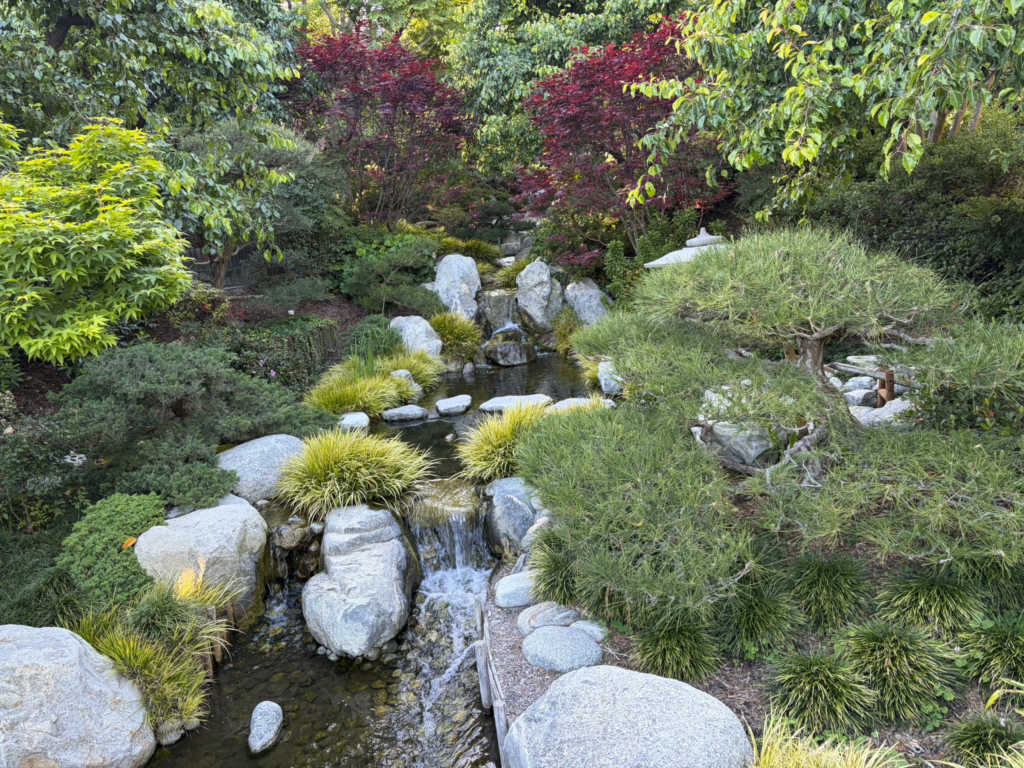
Growing real wasabi isn’t easy. It needs a very specific environment: a shady spot, cool temperatures between 46°F and 68°F, and high humidity. It prefers mountain stream beds with flowing water, like a babbling brook. The conditions of its natural habitat are tough to recreate.
Difficulties in Cultivation
It takes patience and skill to grow wasabi. It can take about three years for a plant to reach maturity. It’s also very sensitive — even small injuries to its delicate leaves or stems can kill it. Plus, it’s prone to diseases, making it one of the hardest plants to cultivate commercially.
Perennial Nature and Commercial Cultivation
Thankfully, wasabi is a perennial, which means it comes back year after year. Farmers and hobbyists in Japan, the United States, and elsewhere now grow it artificially. Still, producing enough for the world’s demand remains a challenge. From steep costs to fragile growth, only a small percentage of wasabi sold is truly authentic.
Economic and Practical Issues
Because it’s so hard to grow, real wasabi is expensive. High prices mean many restaurants opt for cheaper substitutes. When you see a small green dollop on your sushi plate, chances are it’s fake. This shortfall in supply keeps real wasabi a rare treat outside Japan.
Distinguishing Real Wasabi from Faux Wasabi
Visual and Textural Differences
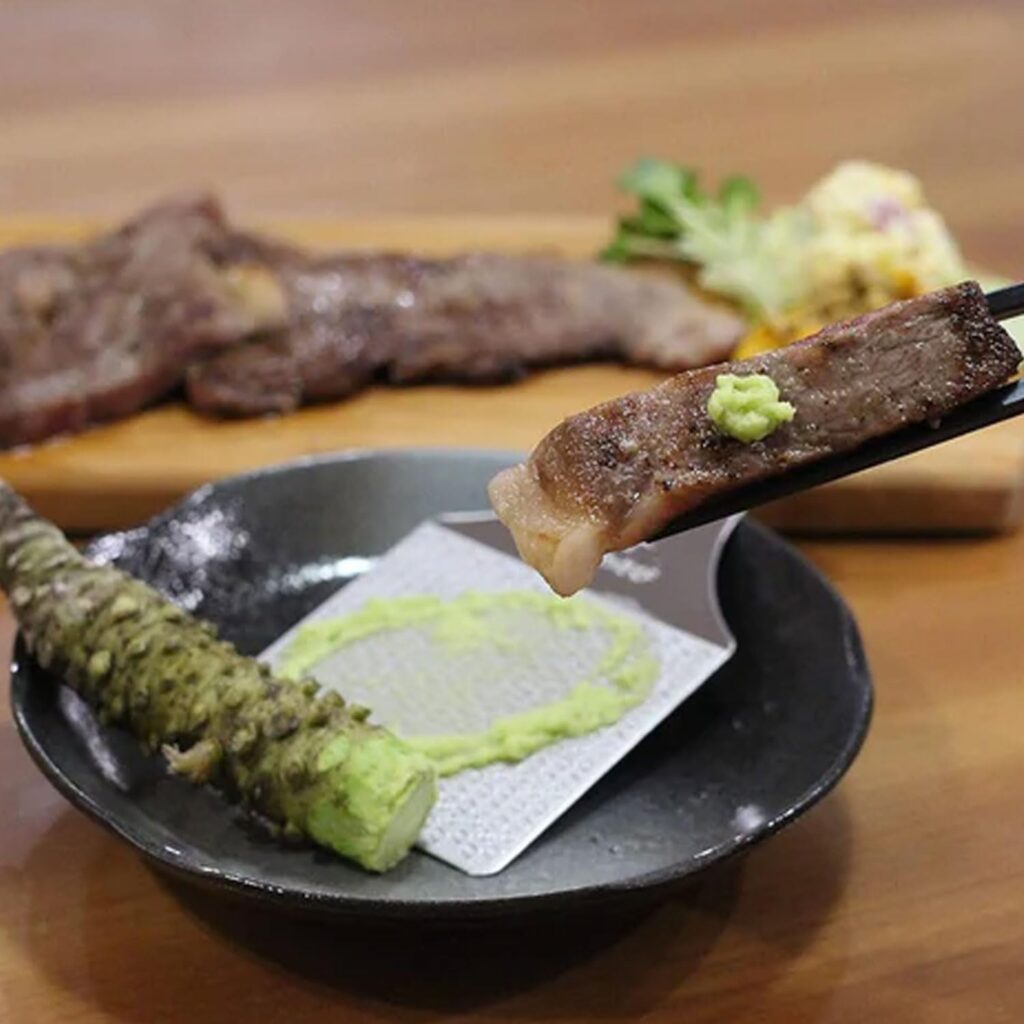
Look closely at the color. Authentic grated wasabi is a vibrant, bright green, and visibly moist, while fake often looks dull or pastel, and dry. When grated, pure wasabi feels grainy or gritty, similar to grated daikon or horseradish. Fake wasabi, on the other hand, is smooth and paste-like.
Taste and Sensory Profile
Real wasabi offers a clean, subtle heat. It stimulates the nose and makes your sinuses tingle without overwhelming the taste of the fish. Fake versions are much stronger, with a fiery, burning sensation that lasts longer. They can overpower the delicate flavor of sushi and really make your eyes water. I hardly use faux wasabi when I eat sushi, and instead focus on the taste of the fish with a little shoyu (Japanese soy sauce).
How the Flavor Diminishes
Once grated, real wasabi loses its flavor in about 15 minutes when exposed to air. That’s why it’s usually graded fresh at the sushi bar. Fake wasabi in tubes or powders can last longer, but its flavor isn’t as fresh or complex.
Using and Serving Wasabi
Chefs traditionally grate real wasabi using shark skin or fine ceramic graters. This technique keeps the root fibers intact, preserving the flavor and moistness. They serve a small amount of freshly grated wasabi with the fish. Avoid turning your soy sauce into a faux wasabi mix; that’s rarely seen in Japan, plus it muddles the pure taste. This wouldn’t be seen in Japan with real wasabi, which is too precious to mix with shoyu.
Wasabi can also be used as a condiment with any dish. It goes great with grilled beef. It can also be stirred into sauces or soups, like Shabu Shabu, which is a Japanese hotpot.
Authentic Wasabi: How to Identify and Source It
Forms of Real Wasabi
You can buy real wasabi in different forms:
- Root: The authentic, whole root for grating yourself.
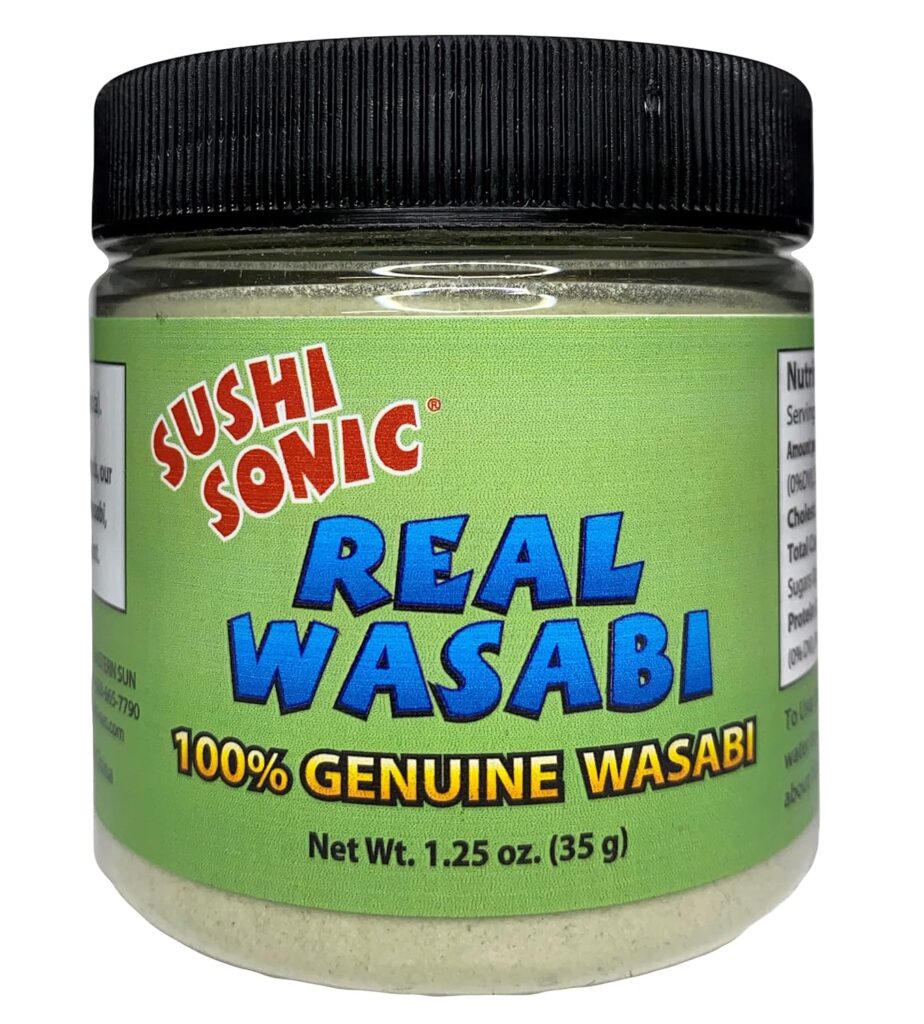
- Powder: Dried wasabi powder that’s easy to reconstitute, mixing equal parts powder and water.
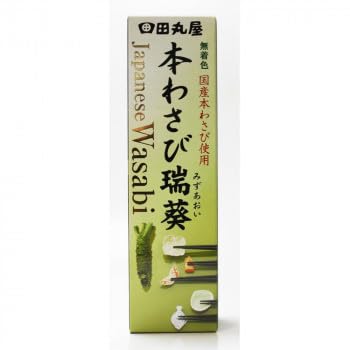
- Paste: Wasabi paste in a tube, which is handy but can vary in quality and usually does not maintain a beautiful green color.
Buying Tips
In the U.S., you’ll find real wasabi online, and maybe at a Japanese grocery story or other specialty stores. Look for the word “Hon”, which means “real”. Online suppliers may sell both roots, pure powders, or pastes. Here are a few products on Amazon.
High-end grocery stores or Japanese markets might stock fresh roots, especially in areas with a strong sushi scene or Japanese population, but I’ve never seen it in a grocery store. Warning: if you can find real wasabi root, it will not be cheap. But if you can afford it, the price is worth it, if only to be able to boast that you have had real wasabi.
To enjoy real wasabi in Japan, use this Expedia box to book your trip:
Tips for Storage
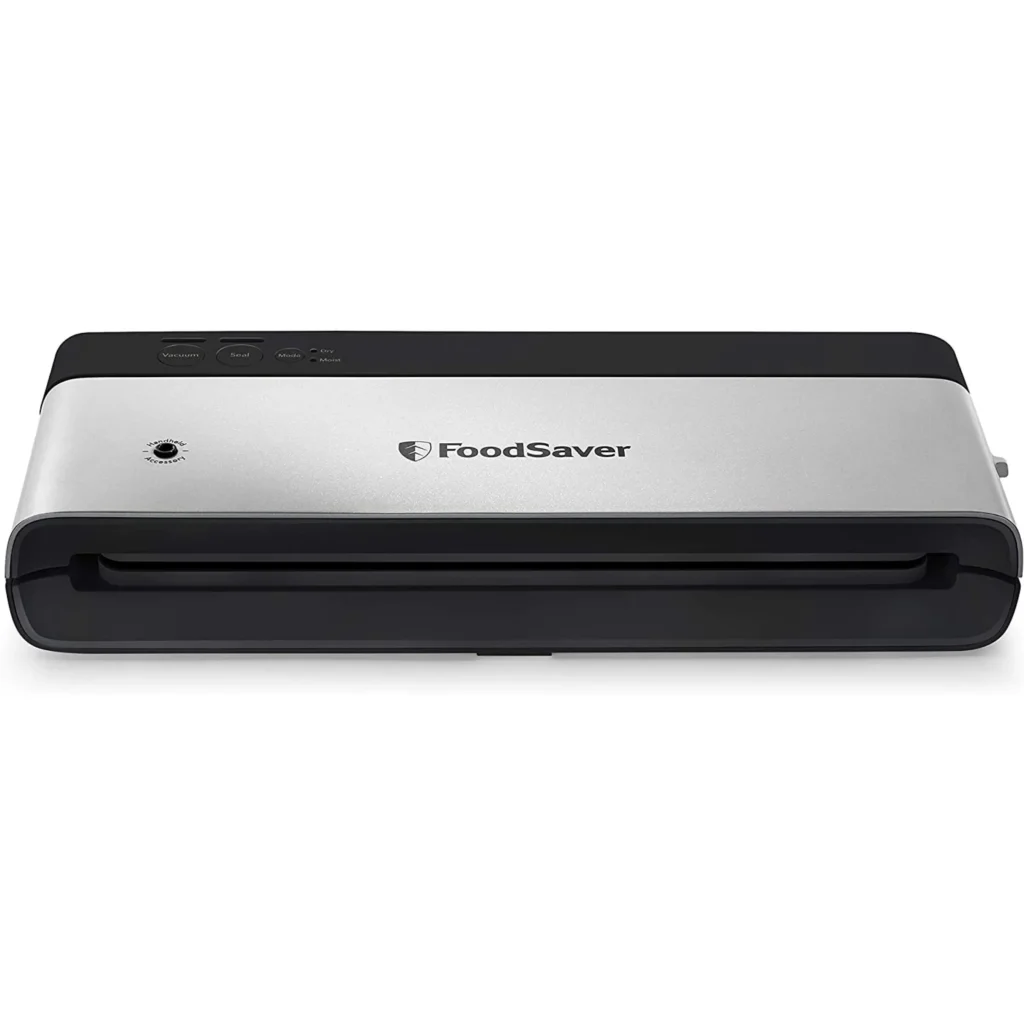
If you can find real wasabi root and buy some for use at home, you will get the best taste and texture if you use it quickly. If you need to store it, seal it in a vacuum bag, even if it will only be a day or two between uses (vacuum sealers are very easy and fast to use). I have been using FoodSaver vacuum sealer machines for many years. I vacuum seal mostly meat for freezing, but vacuum sealing is also a great way to preserve this precious root.
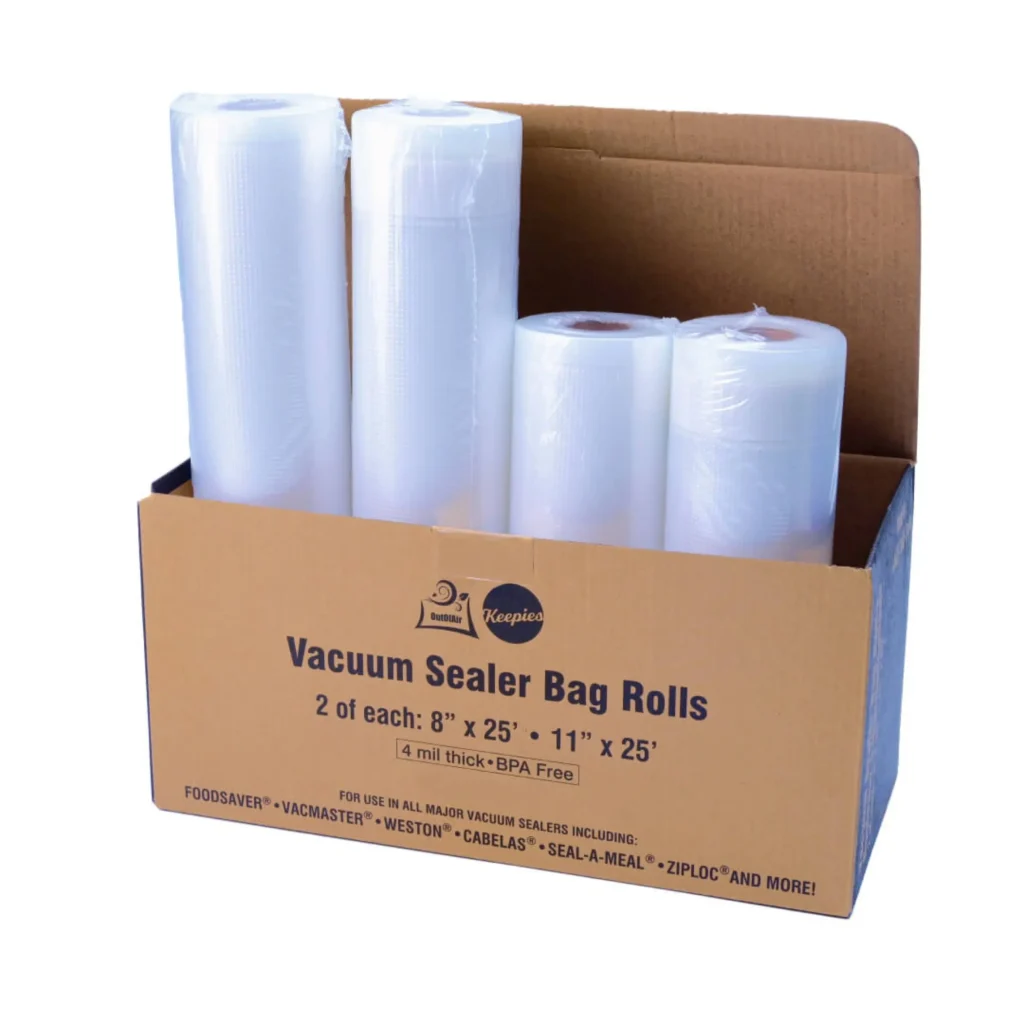
I recommend the Out of Air vacuum sealer bags, which are tough and reasonably priced. I buy them in 25 ft. rolls and cut them to the size I need, but you can buy pre-made bags in various sizes, too.
Practical Tips for Using Wasabi in Cooking and Dining
How to Prepare Real Wasabi
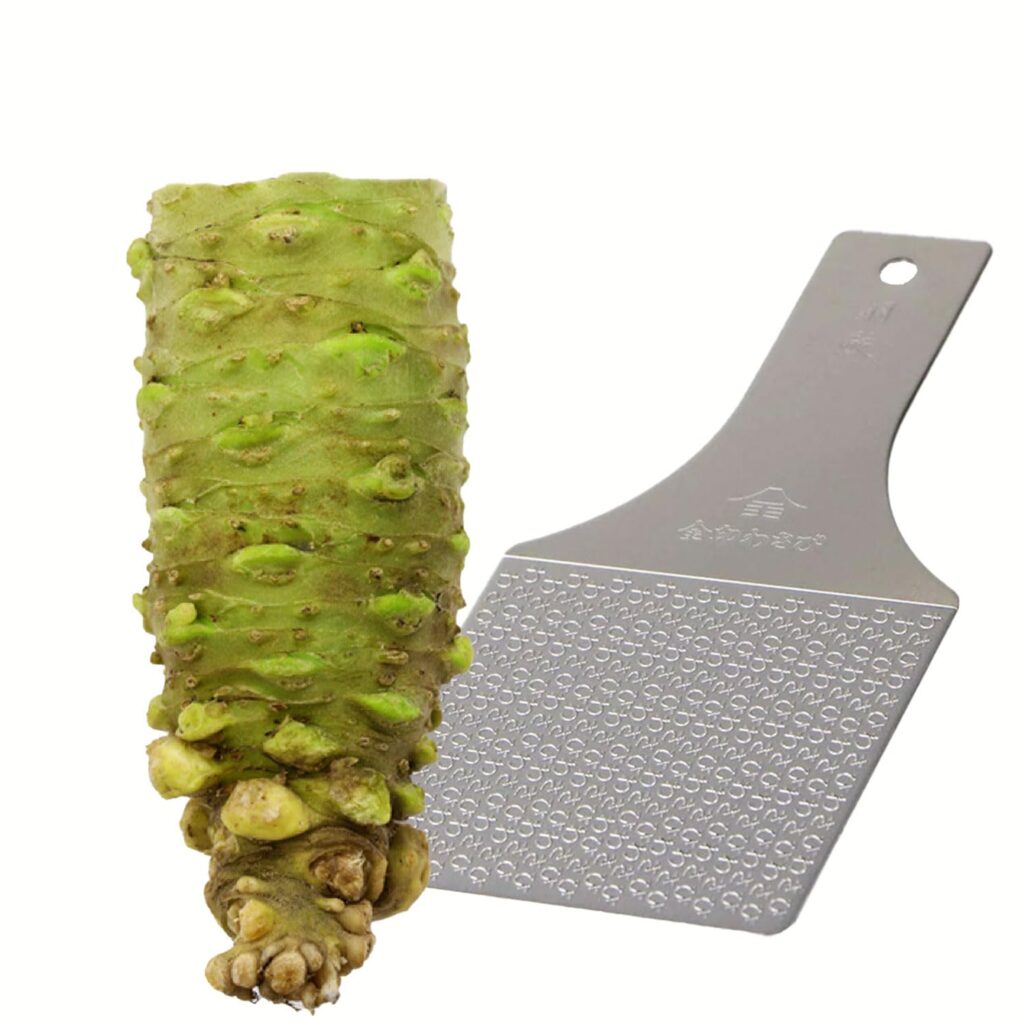
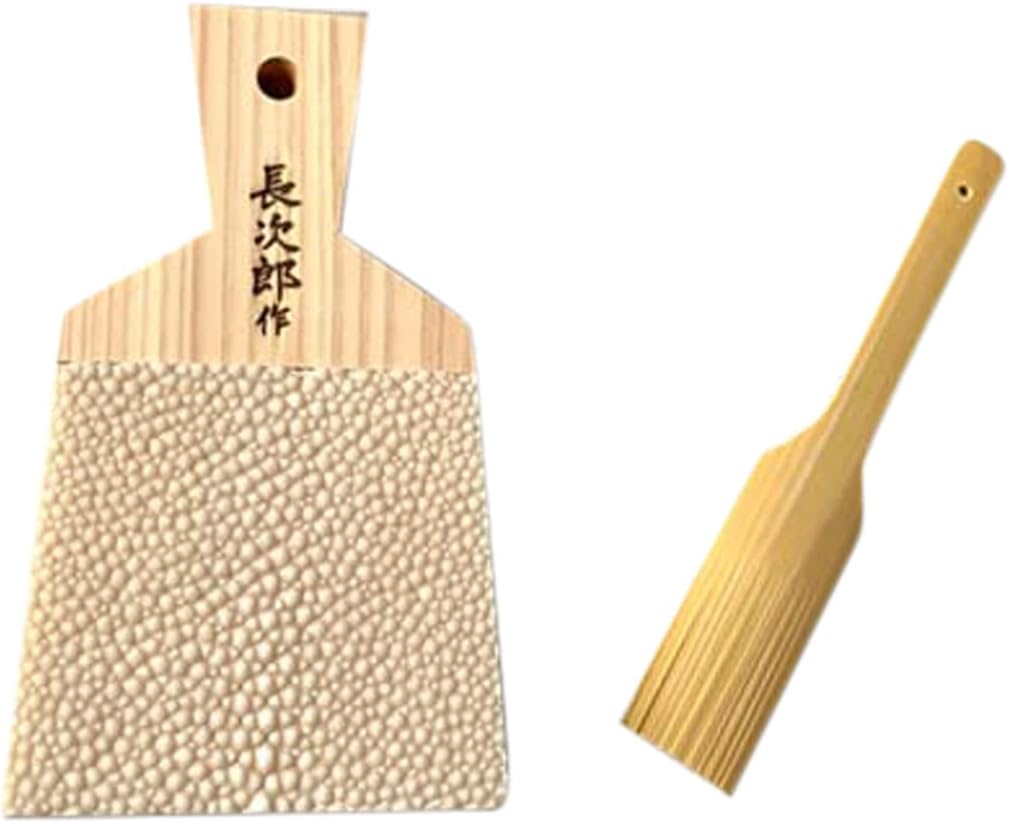
Traditionally, chefs use a sharkskin grater and brush.
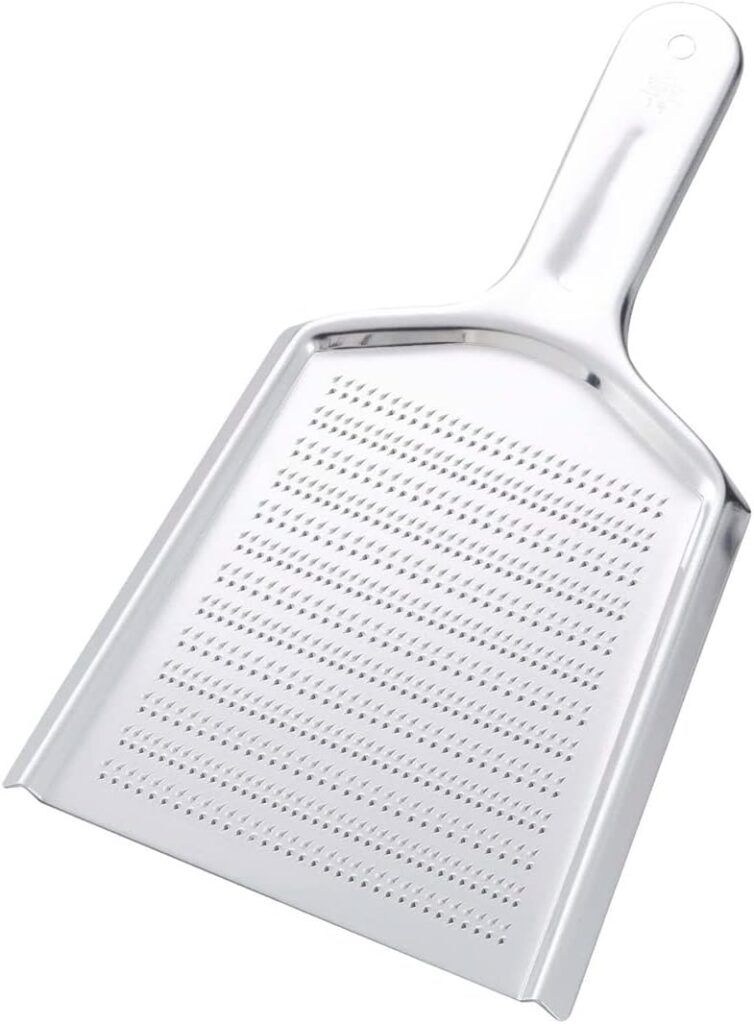
Another type of grater is called an Orishigane. It can also be used to grate ginger. I prefer the sharkskin grater for both aesthetics and safety. If you are working with a small piece, you may scrape your fingers on the metal teeth of the Orishigane.
If you are lucky enough to score some real wasabi root, grate only as much wasabi as you need, in gentle circles. Gently brush the grated wasabi into a small bowl.
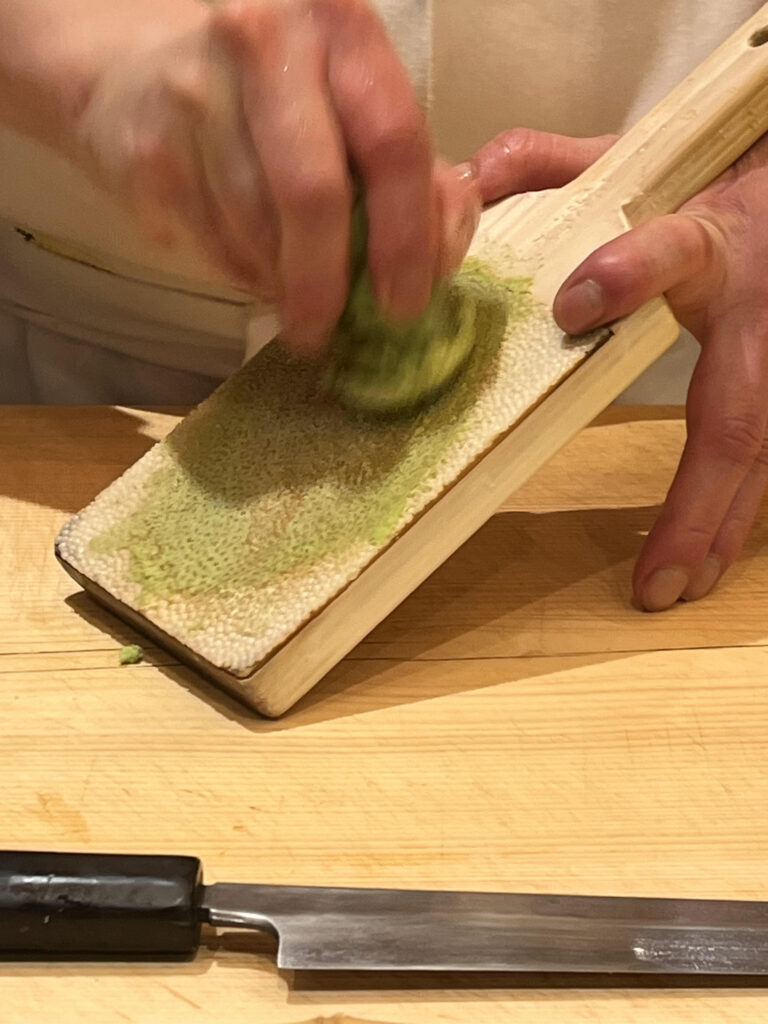
Cover the remaining root immediately to prevent loss of flavor. If using powder, mix equal amounts of powder and cold water until it forms a gritty paste. Tube wasabi can be squeezed directly onto your fish or rolled into sushi.
Use small amounts to delicately enhance raw fish. Remember, a little goes a long way. Overdoing it can hide the quality of your ingredients. It’s best to let the natural taste of the fish shine through.
Do a Taste Comparison
Don’t expect real wasabi in the U.S., unless the restaurant is high end. You can do a taste test at home by comparing real wasabi to faux pre-made paste. Authentic wasabi is brighter, grainier, and less fiery. Start with just a tiny amount of real wasabi. Try it side by side with fake wasabi so you see the difference. Notice the subtle sweetness of the real stuff, and how quickly the heat fades.
Conclusion
Understanding the difference between real and fake wasabi opens a new world of flavor. Authentic wasabi’s mild, clean heat offers a more refined experience than the overpowering, fire-like faux versions. Since real wasabi is rare and expensive, many restaurants opt for cheaper substitutes, but try it yourself if you can find it. It will make all the difference. Whether in powder, root, or paste, seek out sources for the real thing and appreciate the subtlety behind this rare root. Next time you enjoy sushi, ask if it’s real (“hon”) wasabi — your taste buds will thank you.
Disclosure: As an Amazon Associate I earn from qualifying purchases. If you buy from a link on this site, I may earn a small commission from the vendor without any additional cost to you. No company pays me to say anything in particular, or to say nice things. I only stand behind products I believe in.