John Hornick — Chef’s Apprentice
Introduction
Imagine cooking your favorite steak or chicken breasts with perfect precision every time. That’s what sous vide cooking can do for you. It’s gained popularity fast among home cooks and top chefs alike because it makes cooking easier, more reliable, and tastier. If you’re ready to explore this revolutionary cooking method, this guide will walk you through the technique, the gear you need, and the tips for fantastic results.
What Is Sous Vide Cooking? An Overview
Definition and Origin
The phrase “sous vide” means “under vacuum” in French. It’s a cooking method where food gets vacuum sealed in special bags, then cooked in water at a precise temperature. This technique started in professional kitchens decades ago but has become a popular choice for home cooks in recent years. It’s known for bringing restaurant-quality dishes into your own kitchen.
How Sous Vide Works
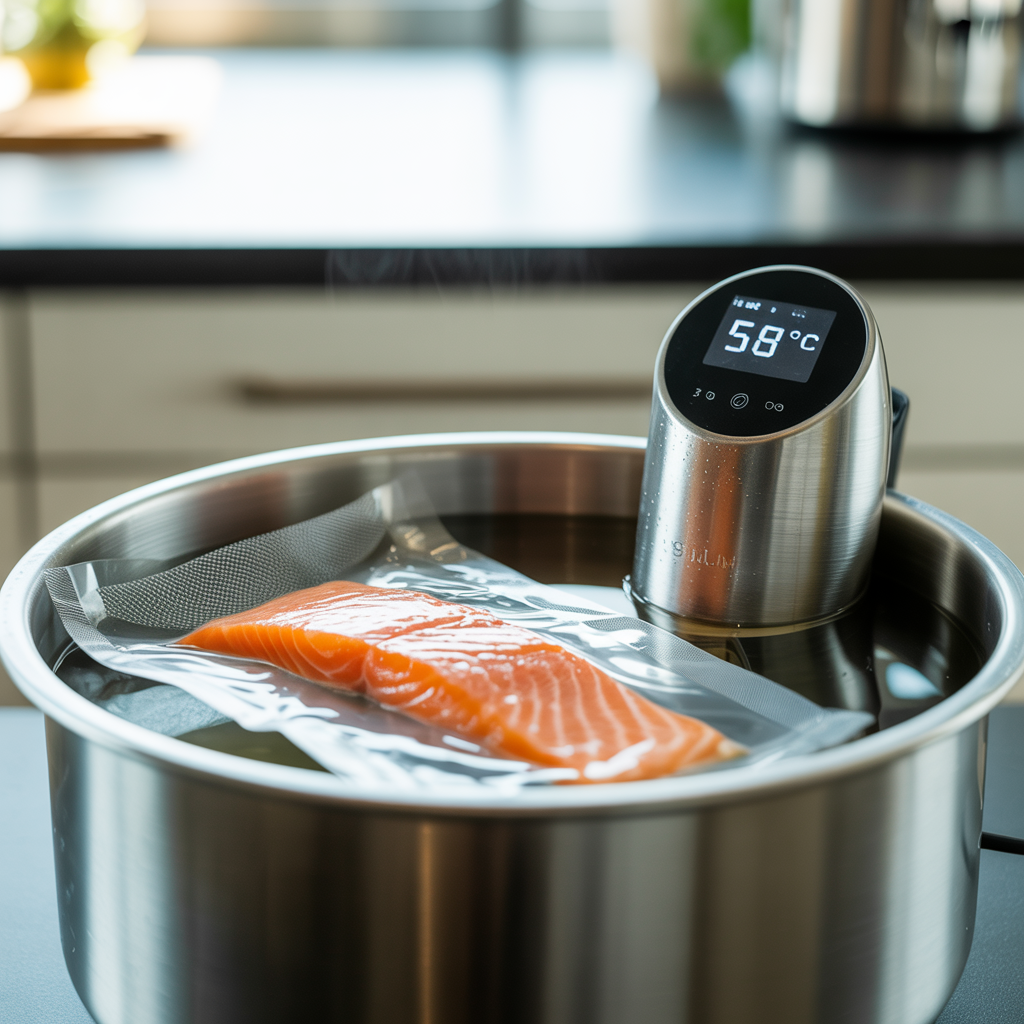
In simple terms, sous vide uses a device called an immersion circulator to keep water at an exact temperature. Vacuum sealed bags containing the food are submerged in the water. Unlike traditional cooking where heat fluctuates, sous vide maintains a steady heat, cooking food uniformly in the bag. It’s like having a tiny, super-precise oven immersed in water.
One of the advantages of sous vide devices is that they can maintain the water bath at temperatures much lower than an oven can. For example, if you want a steak to cook to medium doneness, you can set the sous vide device to maintain the water temperature at a constant 137F, which is the temperature for medium (135-140F).
Here’s the wonder or sous vide cooking: the temperature of the food will never exceed the temperature of the water bath, so it cannot become overcooked. If you want a steak to be perfect medium doneness and you set the device to 137F, the beef will never exceed that temperature, no matter how long you leave the bag in the water bath. HOWEVER, if you leave the beef in the water bath too long, the texture of the beef will change in ways you may not like. I find that steak, chicken, and pork become grainy if left in the water bath too long.
Advantages of Sous Vide
- Consistent results: Never overcook or undercook again.
- Enhanced flavor and texture: Food stays juicy and full of flavor.
- Better food safety: Vacuum sealing reduces risks of bacteria.
- Time flexibility: You can set it and forget it, fitting cooking into your busy schedule.
Cooking Controversy
Some chefs and home cooks view sous vide cooking as cheating, bypassing the chef’s skill. In my opinion, it’s just a tool, like an oven or a food processor. It has its best purpose. It enables professional or home kitchens to produce perfect, consistent results without calling attention to itself. In other words, unless sous vide cooking is a feature of the dish, for example, when a very long cooking time is employed (I knew a chef who served an excellent “24-hour sous vide beef short rib”), there is no reason that guests need to know the dish was cooked sous vide. Does the chef tell the guest that a convection oven was used to prepare the meal, or a blender versus a food processor? Is it necessary for the chef to tell guests that sous vide was used to cook a filet mignon to desired doneness, after which it was seared on a flatop? No, these are examples of using tools at the chef’s disposal, to obtain optimum results. Sous vide is just another tool.
Tip: You can sometimes tell if sous vide was used to prepare your dish in a restaurant. If the protein, say, a chicken breast, is perfectly and uniformly cooked from edge to center, it was probably cooked sous vide. If a steak is perfectly cooked but grainy, it was probably cooked sous vide for too long. If you think a dish was cooked sous vide but the menu doesn’t say so, ask the server. You may be rewarded by knowing that you spotted this technique in action.
Essential Equipment for Sous Vide Cooking
Sous Vide Circulators
There are two main types of temperature controllers for home kitchens: immersion circulators and water ovens.
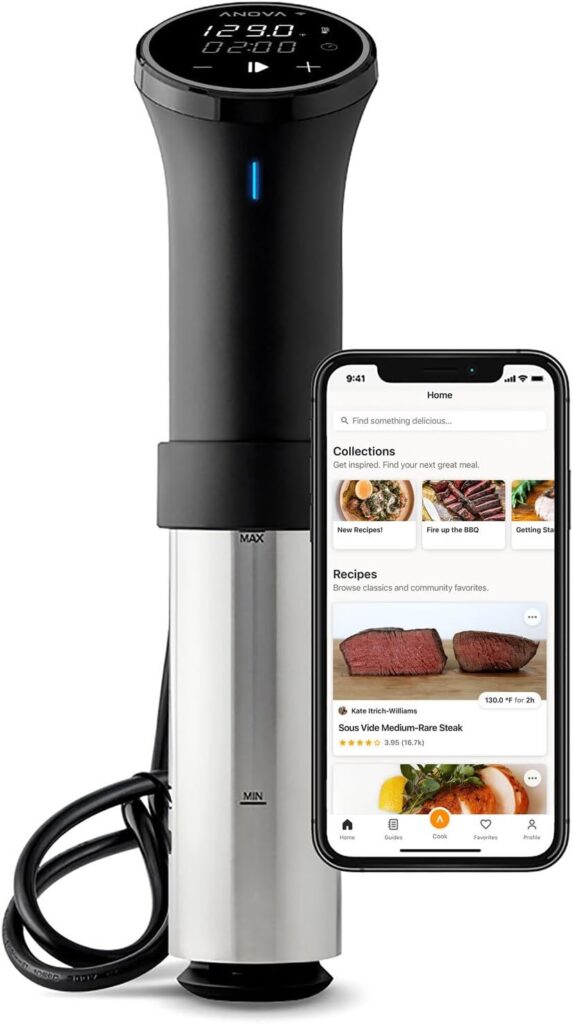
- Immersion circulators are electric devices, like the Anova brand, which clip onto the side of a container. They heat and circulate water to a set temperature.
- Water ovens are standalone appliances with a built-in water bath, like the Dash brand.
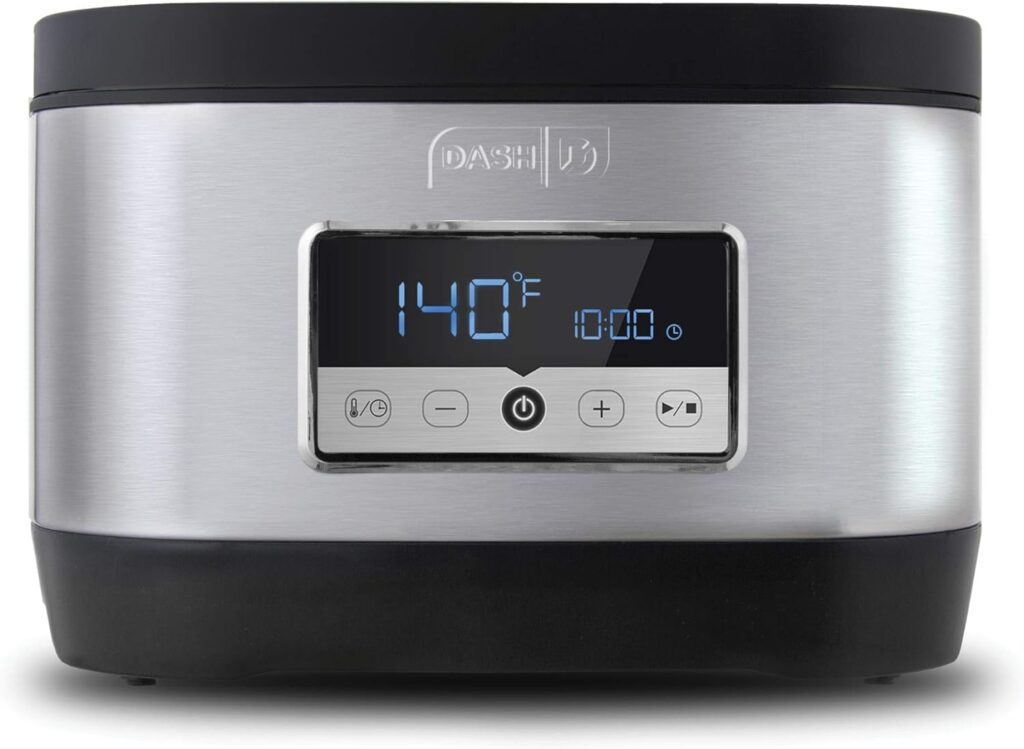
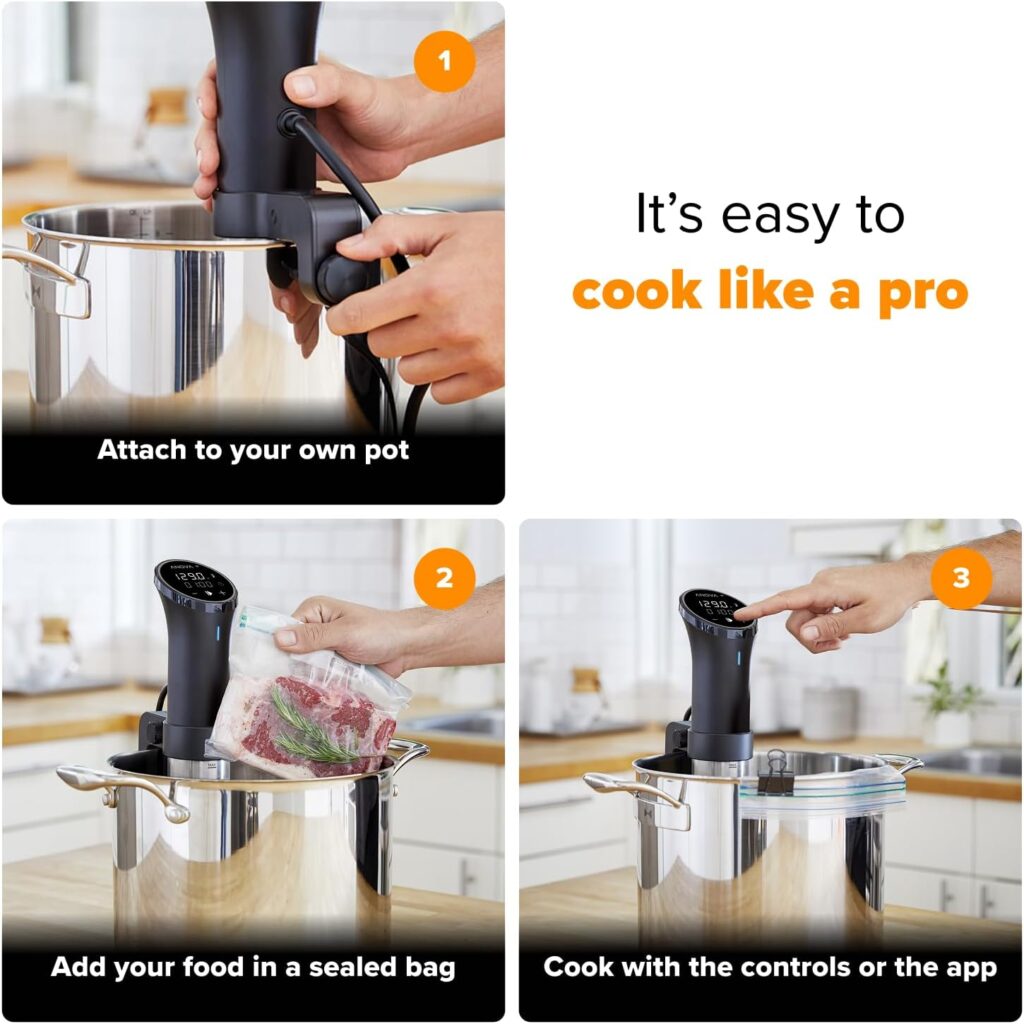
I use the Anova brand, which has wi-fi connectivity (though I don’t use it). Immersion circulators like Anova take up less space than water ovens when not being used. But water ovens are easier to use because the only setup is filling it with water (Note: don’t leave a water oven filled with water. I did this and it eventually developed pinhole leaks).
Vacuum Sealers and Bags
Vacuum sealing is key to removing air, locking in flavors, and ensuring water doesn’t seep into your bag. Look for my video and blog post on vacuum sealing, coming soon.
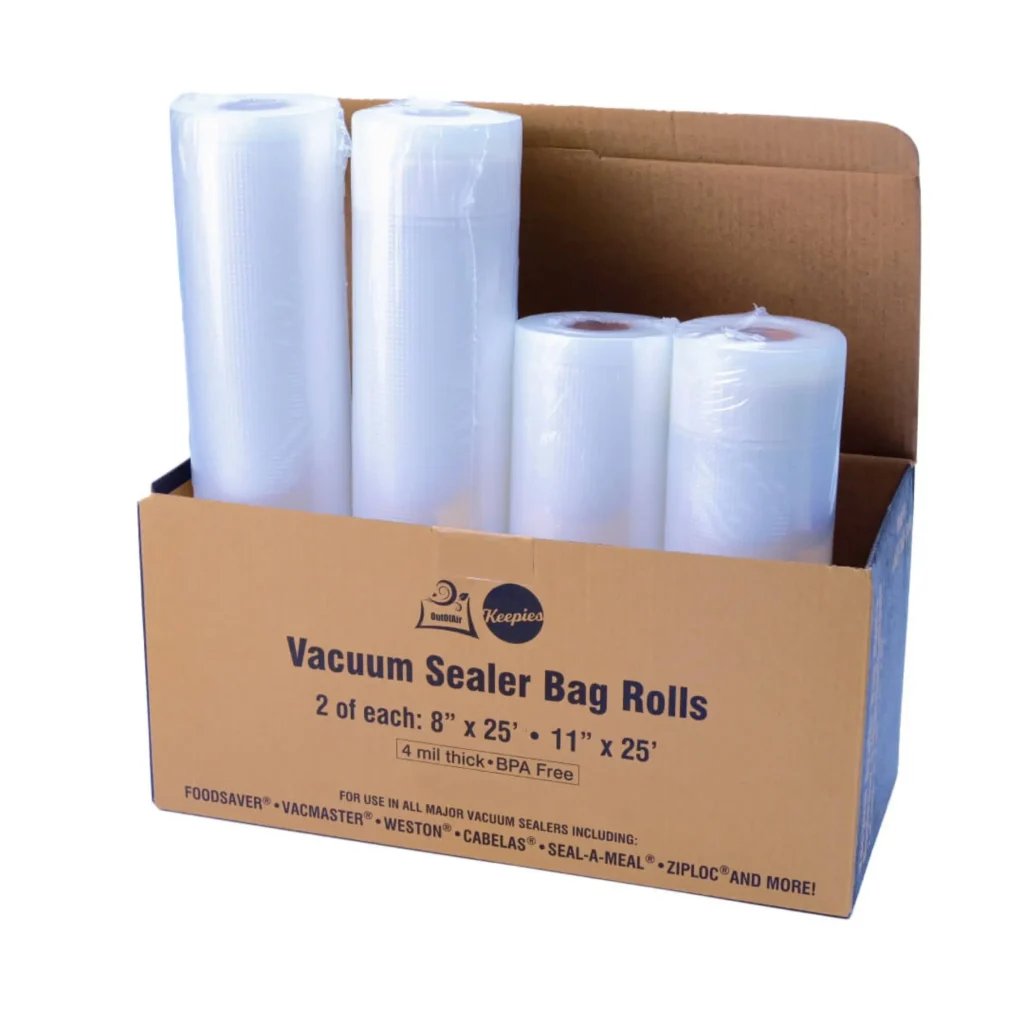
- Bag types: I use heavy duty one-time-use bags made for vacuum sealing. I don’t use reusable bags because I don’t trust that all of the air gets sucked out of them. I like the OutOfAir brand bags, which are heavy duty and come in pre-made sizes and in rolls.
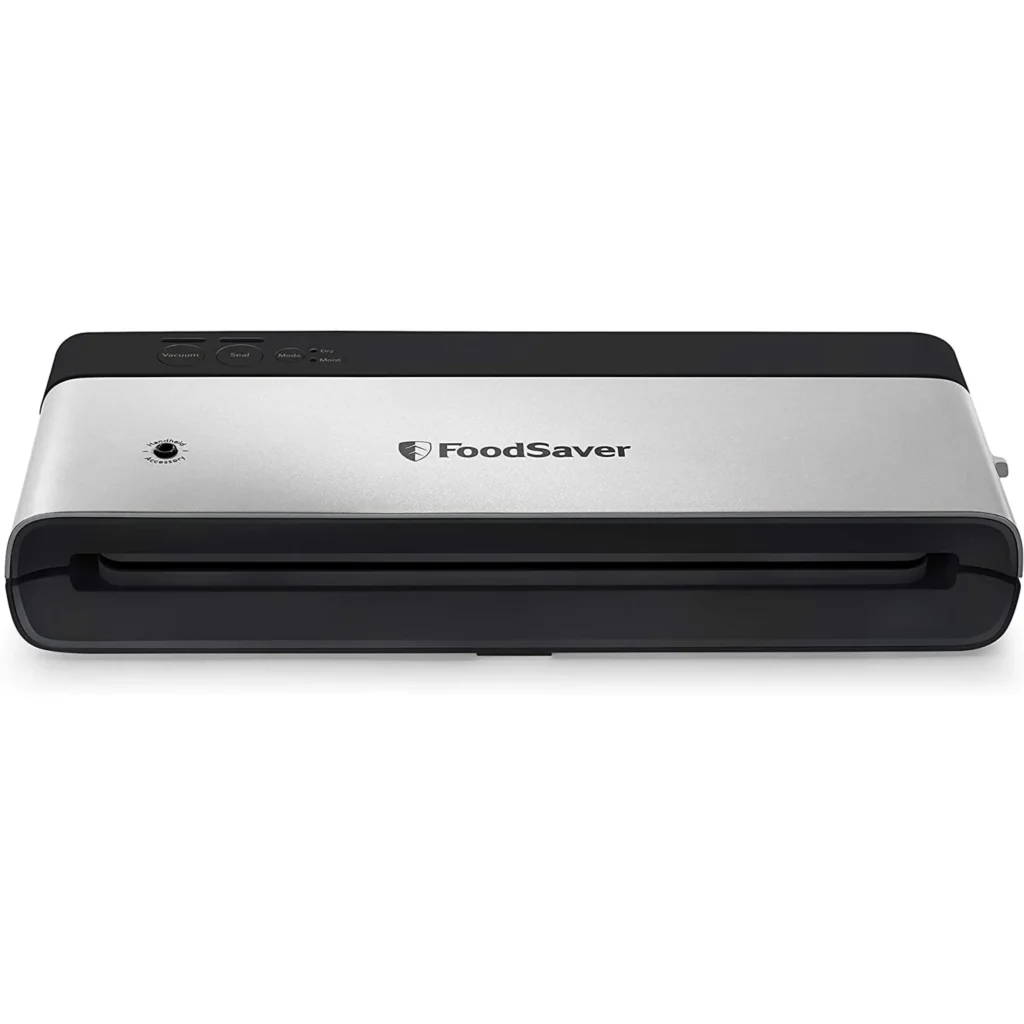
- Sealing tips: Remove as much air as possible. This is important to prevent floating, uneven cooking, or bacteria development. Use a vacuum sealer for a tight seal. I have used the Food Saver brand vacuum sealers for many years.
Additional Accessories
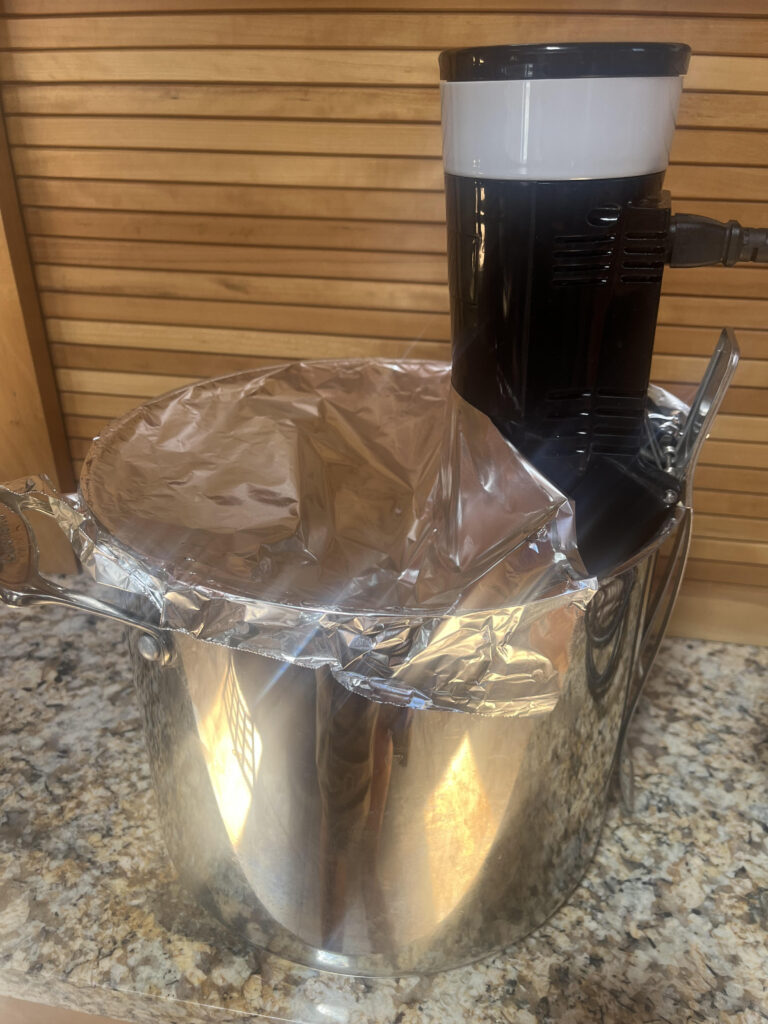
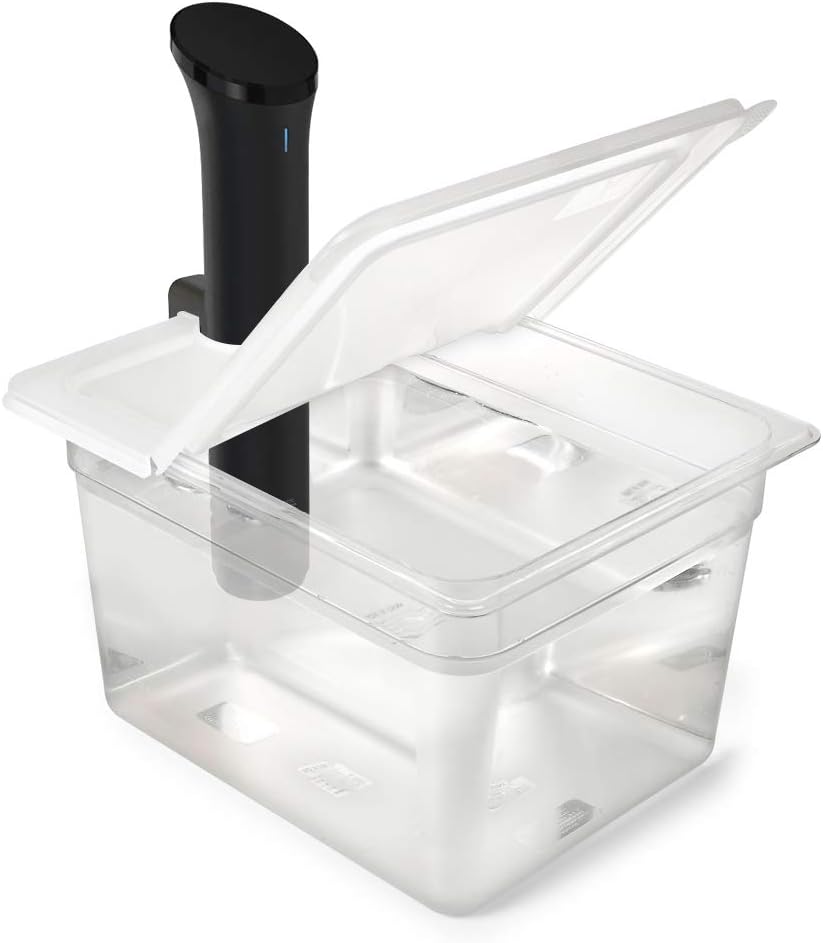
- Sous vide basin with a lid. You can use a stockpot with foil to keep the heat and steam in, but a basin with lid works much better. The lid has a cutout hole for the immersion circulator, which helps keep the steam in, minimize evaporation, and reduce the need to replenish the water bath.
- Clips: Keep bags submerged or arranged neatly.
- Thermometer: Use to verify water temperature.
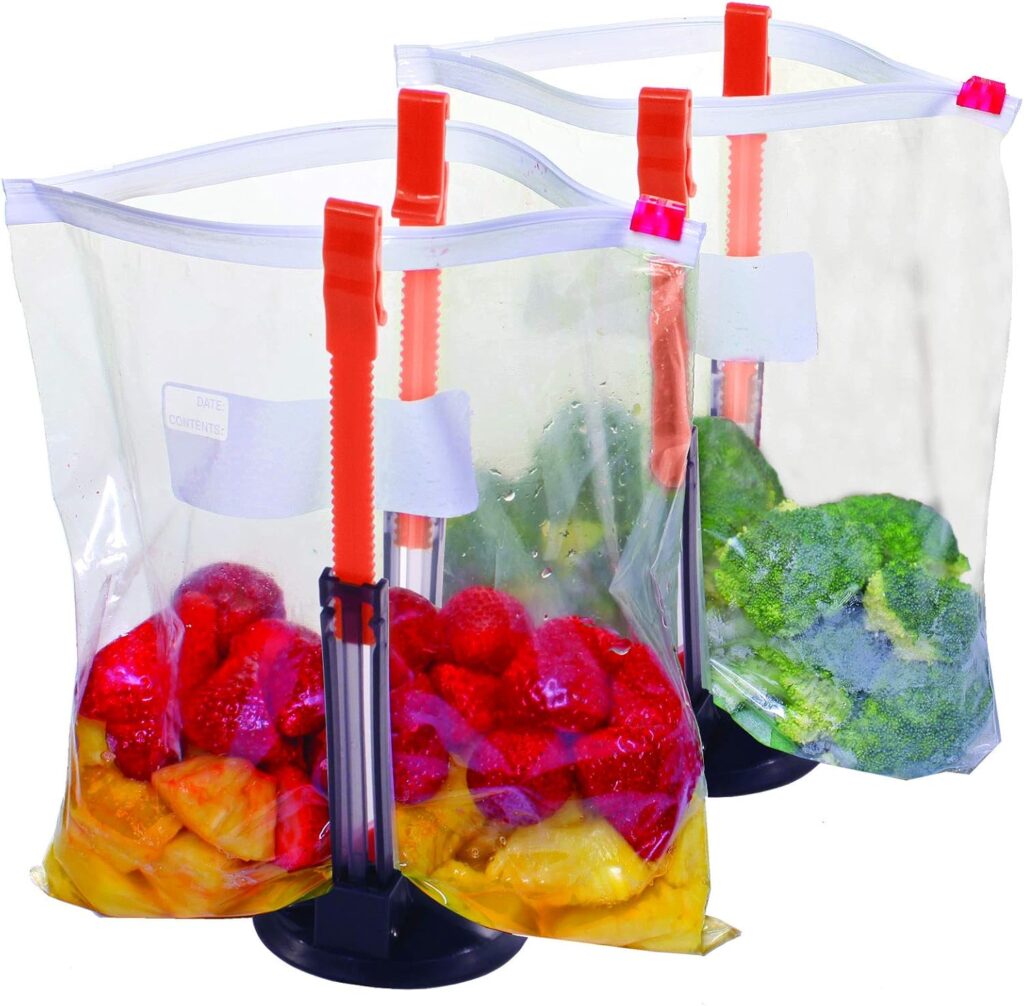
To get your ingredients into the vaccum bag without a mess, use the Jokari bag filler. As I’ve said in many of my videos, this clever device should be awarded the Nobel Prize in Bag Filling Technology. If there is no such category, they should create one and award it for this product.
How to Prepare and Cook Sous Vide
Preparing Food for Sous Vide
Start with seasoned or marinated ingredients. But be aware that flavors can be intensified under a vacuum.
Some people do a quick pre-sear before vacuum sealing. If you do this, chill the food after searing to reduce the chance of bacteria developing in the bag. I prefer to sear after the food comes out of the bag. This way, the sear is fresh and beautiful for presenting the food.
Setting Up the Water Bath
First, fill your container with water. Set your sous vide device to your desired temperature. Make sure the water circulates freely around the bags for even cooking, and that the food in the bags is fully submerged. Regularly check the water level and replenish as needed. But if you need to replenish water, that will throw off the temperature of the bath for some period of time. This is why foil should be used to cover the top, or use a basin with lid.
Cooking Times and Temperatures
Your sous vide device will come with suggested cooking times for most food. Charts are also easy to find on the Internet. For doneness, follow the same temperature used for determining doneness by any cooking method. See the Culinary Glossary under Doneness. For example, medium rare for beef is 135 to 140 F and medium is 140 to 145 F.
For cooking time, I like the Sous Vide Supreme chart, which covers many proteins and cuts.
Finishing Techniques
Once cooked, many foods benefit from a quick sear or broil to create the Maillard Reaction (browning).
- Use a cast iron skillet or grill pan for a crisp crust on meats.
- Use a kitchen torch for a quick, even browning.
- Broil briefly to enhance appearance and flavor.
Tips for Achieving Perfect Results Every Time
- Use a thermometer to double-check water temperature.
- Cooking times need not be precise, so don’t stress if you leave the bag in the water bath a little longer than you planned.
- If you notice a bag leak, start over. It could be dangerous to proceed with a leaky bag.
- Add herbs, garlic, or spices during sealing for extra flavor. But remember, flavors can intensify under a vacuum.
- Make sure the bag stays submerged (unlike the floating vacuum-sealed salmon in the photo at the beginning of this post, which is for illustration purposes).
Conclusion
Sous vide offers a simple way to cook restaurant-quality dishes at home. It gives you control over texture, flavor, and safety, all while fitting into your busy schedule. The key is good equipment, proper preparation, and understanding the right cooking times and temperatures for each food. With these tools and tips, you’ll elevate your cooking and achieve consistent, delicious results. Dive into sous vide cooking and transform your meals from good to gourmet.
Disclosure: As an Amazon Associate I earn from qualifying purchases. If you buy from a link on this site, I may earn a small commission from the vendor without any additional cost to you. No company pays me to say anything in particular, or to say nice things. I only stand behind products I believe in.