John Hornick — Chef’s Apprentice
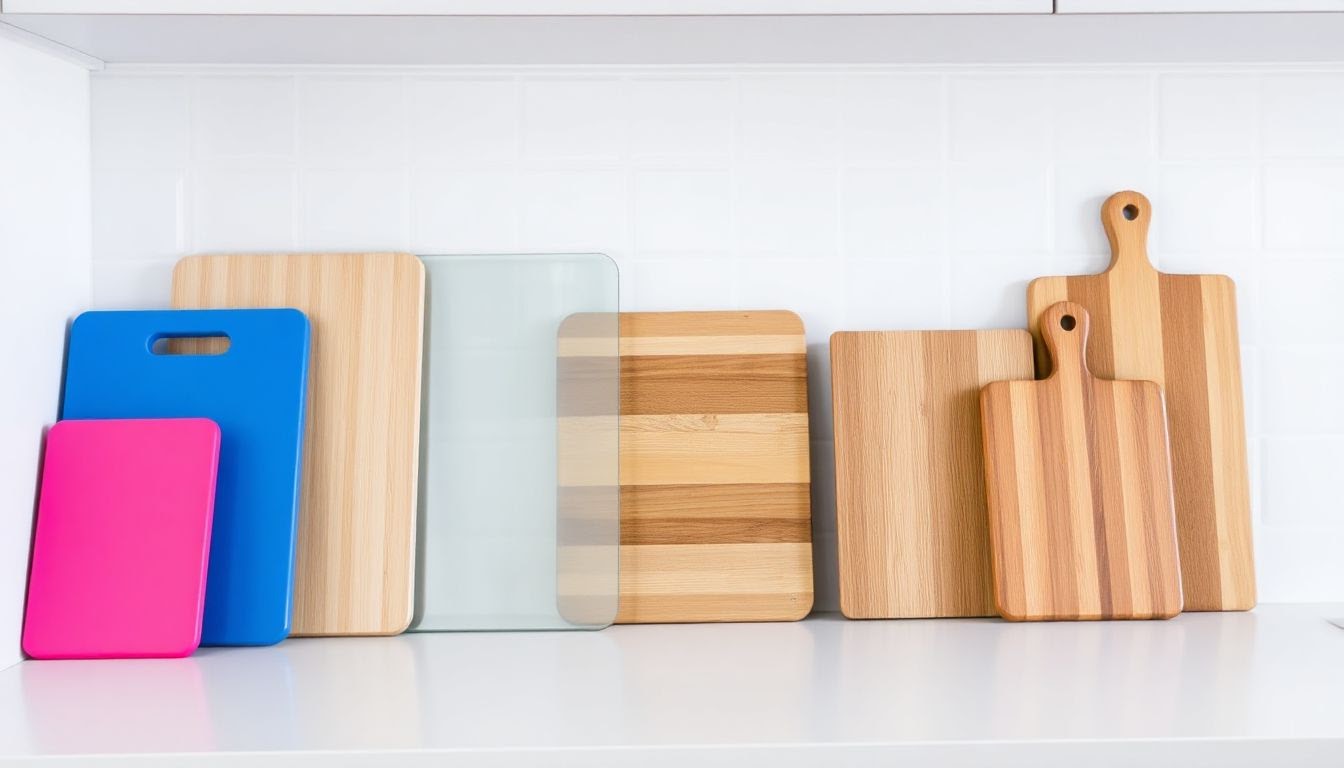
The cutting board is a true unsung hero in any kitchen. It’s a basic tool we use for nearly every meal. This essential surface keeps your countertops safe and clean. It also plays a big part in food hygiene. With so many materials out there, picking the right board affects how you prep food.
You might wonder, which cutting board is best? The answer isn’t simple. Each material has pros and cons. Knowing these differences helps you choose the perfect board for you. Let’s compare the most common options.
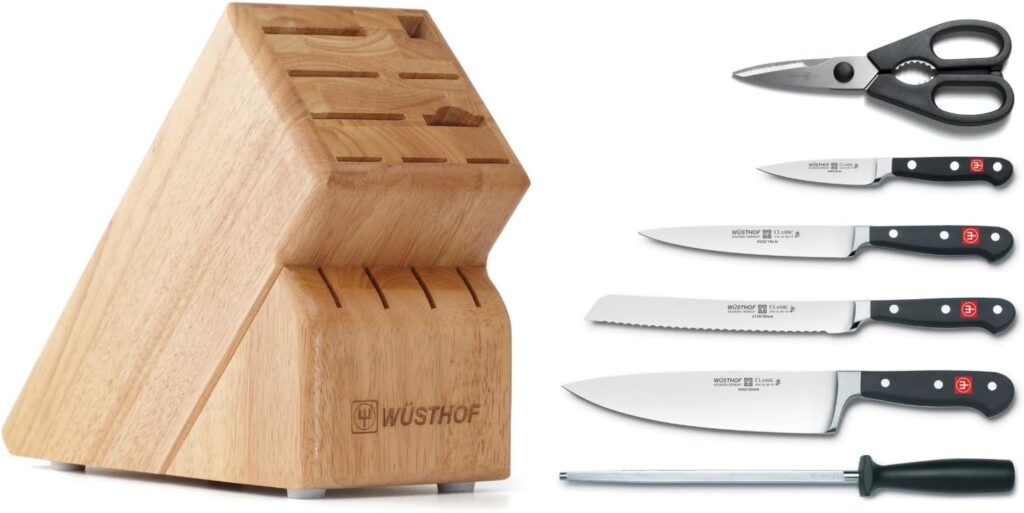
As you will see, choosing a board is related to how much you value your knives. See my Cooking Knives and Knife Skills video and my blog post Essential Kitchen Knives: The Ultimate Guide for Home Chefs.
Also see my Expert Guide to Equipping Your Kitchen to Cook Almost Anything and my Well-Equipped Kitchen List.
Wood Cutting Boards: The Traditionalist’s Choice
Wood boards are a timeless kitchen staple. They bring warmth and natural beauty to your space. Many cooks prefer them.
Types of Wood and Their Properties
Maple is a popular choice for wood cutting boards. It is very hard and durable. Cherry and walnut offer slightly softer surfaces but have beautiful grain patterns. Teak is known for its natural oils, which resist moisture. These woods often contain tannins, which naturally fight bacteria.
Pros and Cons of Wood
Wood cutting boards are gentle on your knife blades. They help keep knives sharp longer. Small cuts in the wood can “heal” or close up over time. This makes them look good and stay clean. Wood boards also come from a renewable resource, making them a good choice for the planet. However, they can stain. They might also warp or crack if not properly cared for. Drying them takes a bit longer than other types.
I have used plastic boards for many years but am now also using wood. I was afraid of bacteria hiding in wood until I read an article in Fine Woodworking magazine (I am a woodworker too) touting the self-sanitizing and anti-staining properties of wood.
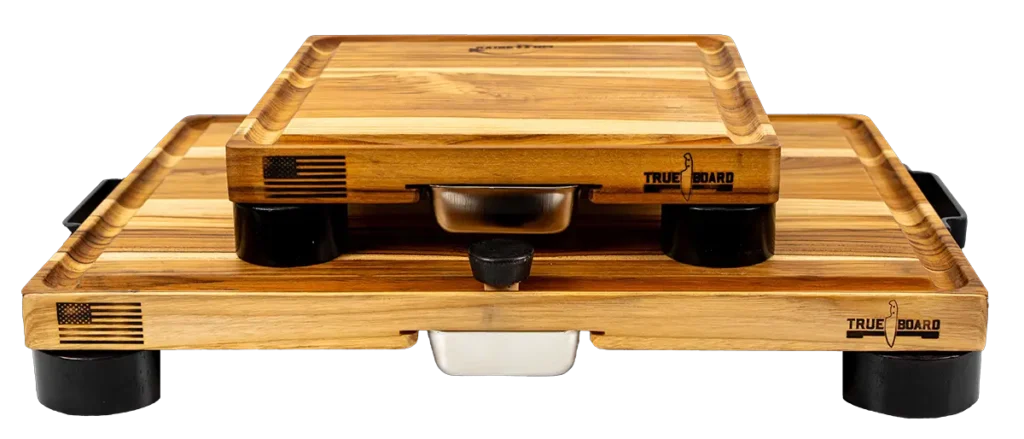
Then I discovered the best cutting board ever, TrueBoard, which is heavy wood, with adjustable feet and a drain tray to catch juices. Use my CHEFSAPPRE20 code for a 20% DISCOUNT. It is the Rolls Royce of cutting boards, but my discount should help with the price (of the cutting board, not the car).
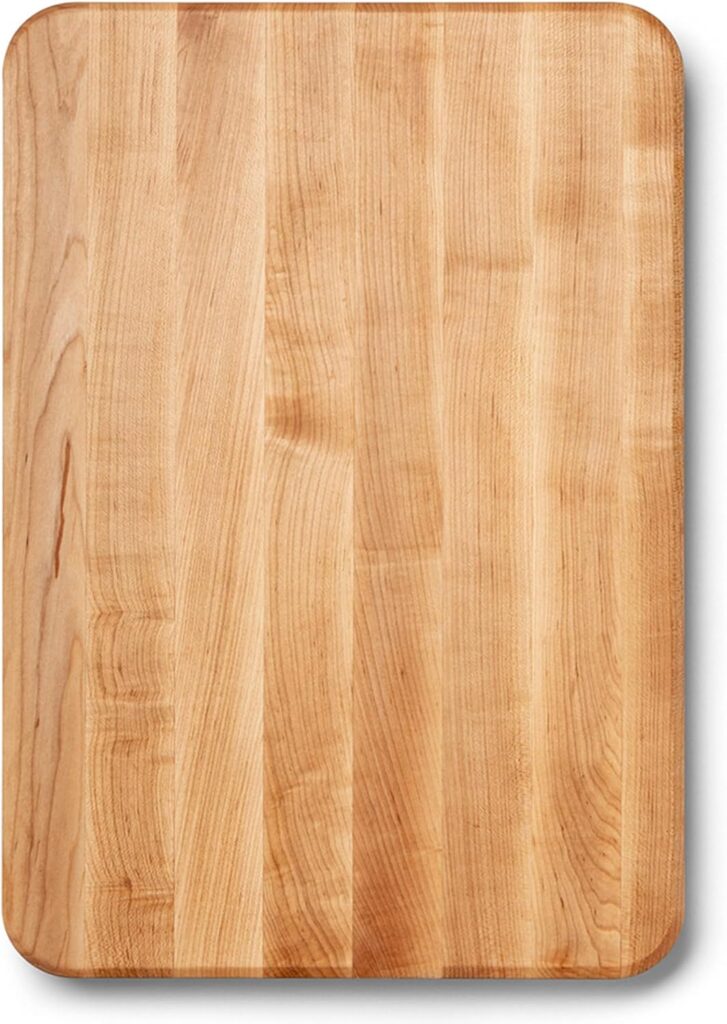
If you can’t afford a Rolls but want a wood cutting board, there’s no need to buy a board so pretty that you’re afraid to touch it with a knife. I recommend a simple maple board like this one.
Another great wood alternative is Hinoki Japanese Cyprus.
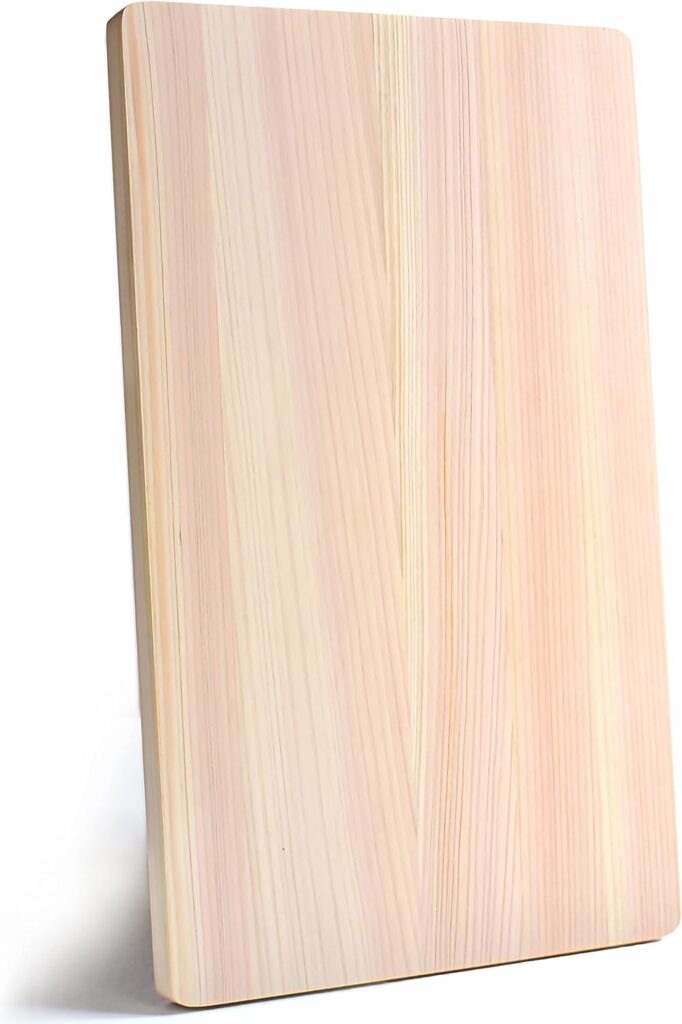
Although Hinoki is relatively soft, it’s durable and its natural oils are antibacterial and mildew resistant. Because it is soft, it helps maintain the sharpness of your knife edges. Hinoki also has a nice pine aroma and is sustainable. Before using Hinoki boards, Japanese cooks dampen the surface, which they believe creates a thin protective barrier. The board should be thoroughly dried after use.
Wood Cutting Board Care and Maintenance
Never put your wood cutting board in the dishwasher. Wash it by hand with warm, soapy water. Rinse it well and dry it right away. Some people oil the board with food-grade mineral oil, which can help prevent drying out and cracking. For deep cleaning, rub coarse salt and lemon juice on the surface. Let it sit, then rinse and dry.
Plastic Cutting Boards: The Practical Workhorse
Plastic cutting boards are common in many kitchens. They offer a simple, functional surface for everyday tasks. They come in many sizes and shapes.
Material Composition and Design
Most plastic cutting boards are made from high-density polyethylene (HDPE) or polypropylene (PP). These materials are tough but flexible. You can find them in different colors, which helps prevent cross-contamination. Many cooks use color-coded boards for raw meats, fish, and vegetables. Some also have textured surfaces to help food stay put.
I have never bothered with color coding because I wash my boards thoroughly. Here’s a good set of high-density plastic boards.
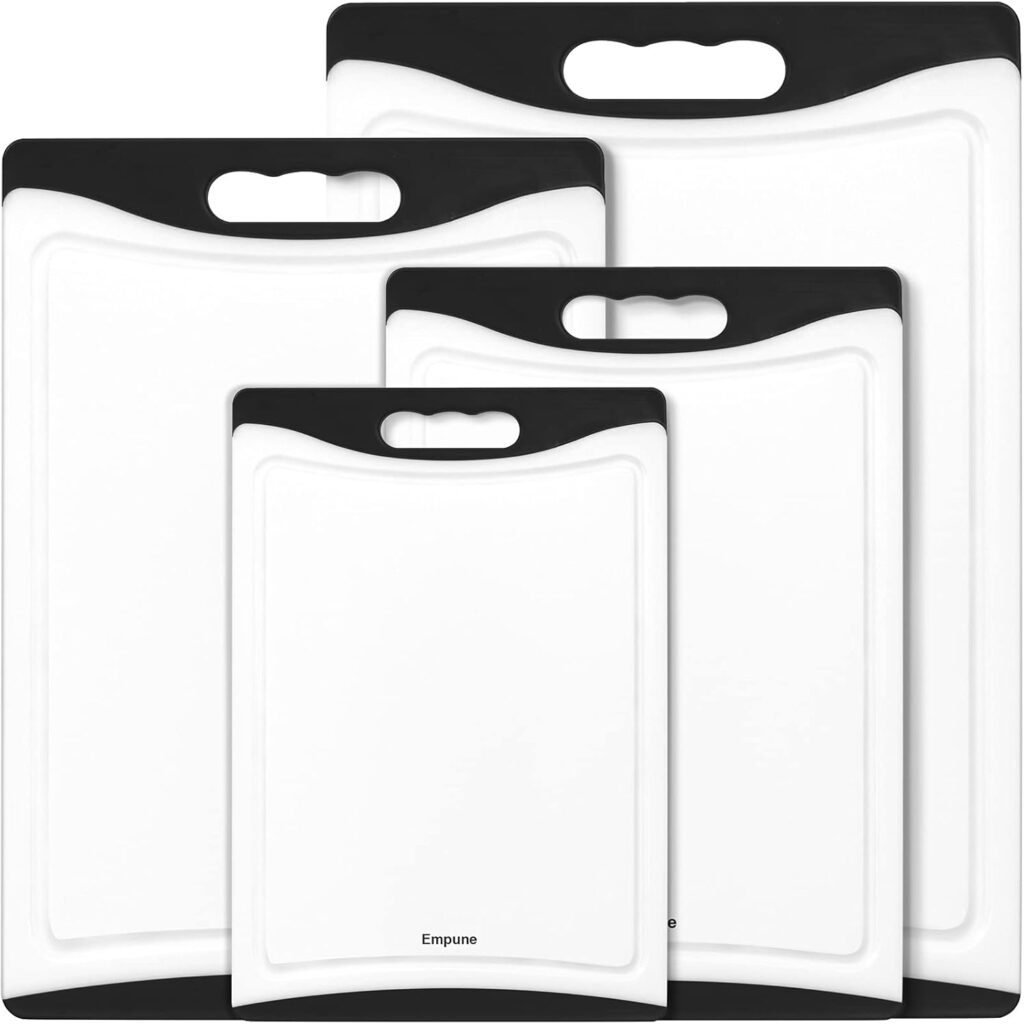
The largest in the set is 17″ x 12″ and the smallest is 10″ x 6″. These dishwasher safe boards have a groove to catch juices and a hole for hanging.
Advantages and Disadvantages
Plastic boards are lightweight and easy to move around. You can often toss them right into the dishwasher for cleaning. They are usually quite inexpensive. But plastic can get deep scratches quickly. These grooves can trap bacteria, even after washing. Plastic also dulls knife blades faster than wood. Some people worry about tiny plastic bits shedding into food. They can also stain from things like beet juice or tomato sauce.
Best Practices for Using and Cleaning Plastic Boards
Always wash plastic cutting boards thoroughly after each use. A good scrub and dishwasher cycle help keep them clean. When deep scratches appear, it’s time to replace the board. Those grooves make perfect hiding spots for germs. If you like, use different colored boards for raw meats, poultry, fish, and produce. This is a smart way to stop germs from spreading.
Glass Cutting Boards: The Sleek and Sanitary Option
Glass cutting boards offer a modern look. They provide a very smooth surface for food prep. Some glass boards double as decorative items.
Material and Construction
These boards are made from tempered glass. This type of glass is strong and can handle heat. It resists breaks and chips better than regular glass. The surface is completely non-porous. This means nothing can soak in.
The Good and the Bad of Glass
Glass boards are super hygienic. They are easy to clean and sanitize. You can wipe them down and know they’re germ-free. They also resist stains and can handle hot dishes placed directly on them.
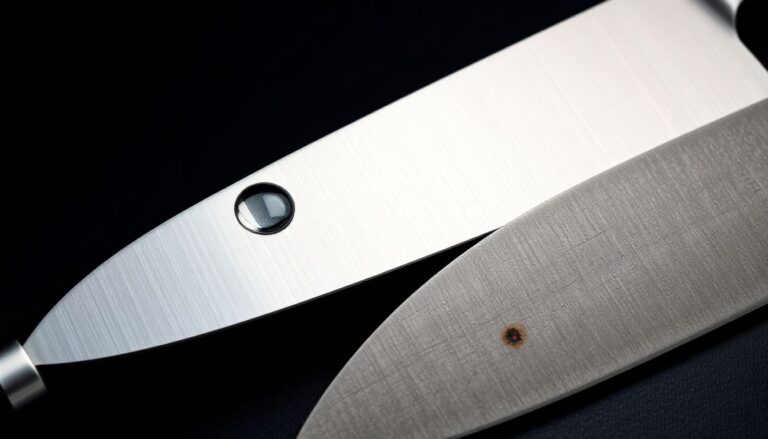
However, glass is extremely hard on your knives. It will dull a sharp blade very quickly. It also chips or shatters if dropped on a hard floor or countertop. The smooth surface can sometimes make food and your knife slip around while you’re cutting, which can be dangerous. For these reasons, I don’t use glass and I don’t recommend glass.
When to Use Glass Cutting Boards
Glass boards are best for show. They work great for serving appetizers or cheese. In other words, use them like a serving platter. Avoid using them for cutting and chopping. Your knives will thank you.
Metal Cutting Boards: The Industrial Alternative
Metal cutting boards are less common in home kitchens. You might see them more in commercial settings. They offer extreme durability.
Types of Metals and Their Suitability
Stainless steel is the main metal used for cutting boards. It is very strong and hygienic. Aluminum boards exist, but they are generally too soft for heavy use. Aluminum can also react with some foods, which is not ideal. Stainless steel is a much safer bet.
I don’t like metal boards for the same reasons I don’t like glass boards, but many people want a metal board. This metal board has thousands of good reviews.
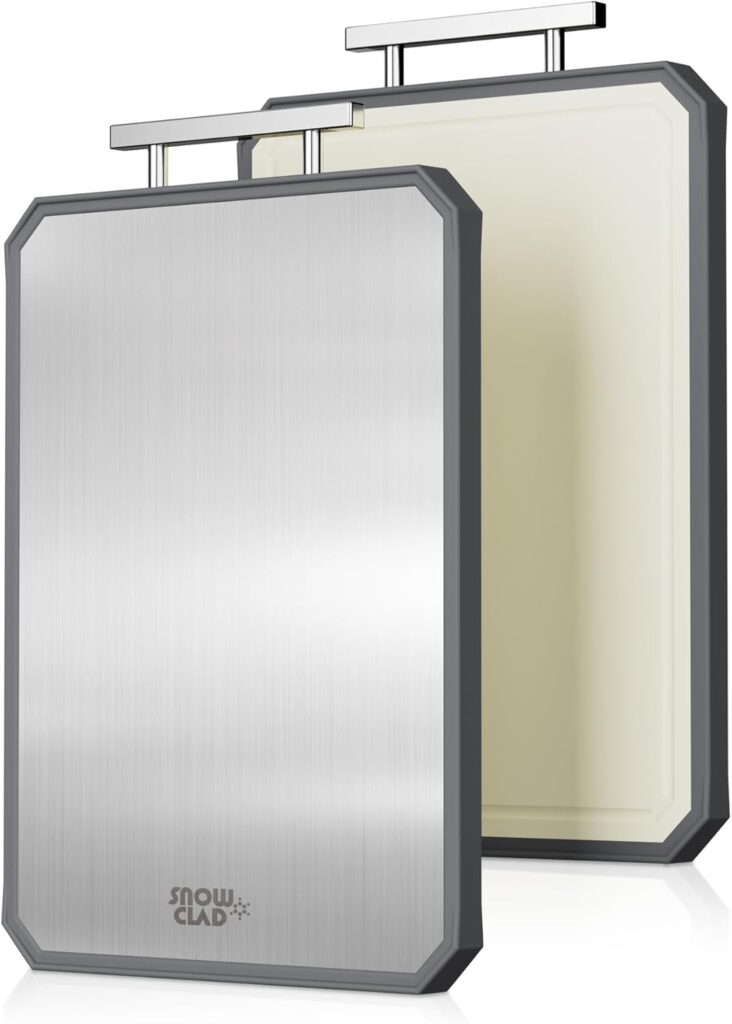
This board is stainless steel on one side and plastic on the other. It has a juice groove, a handle for hanging, and is dishwasher safe.
Titanium has recently emerged as a cutting board material. Many people love them.
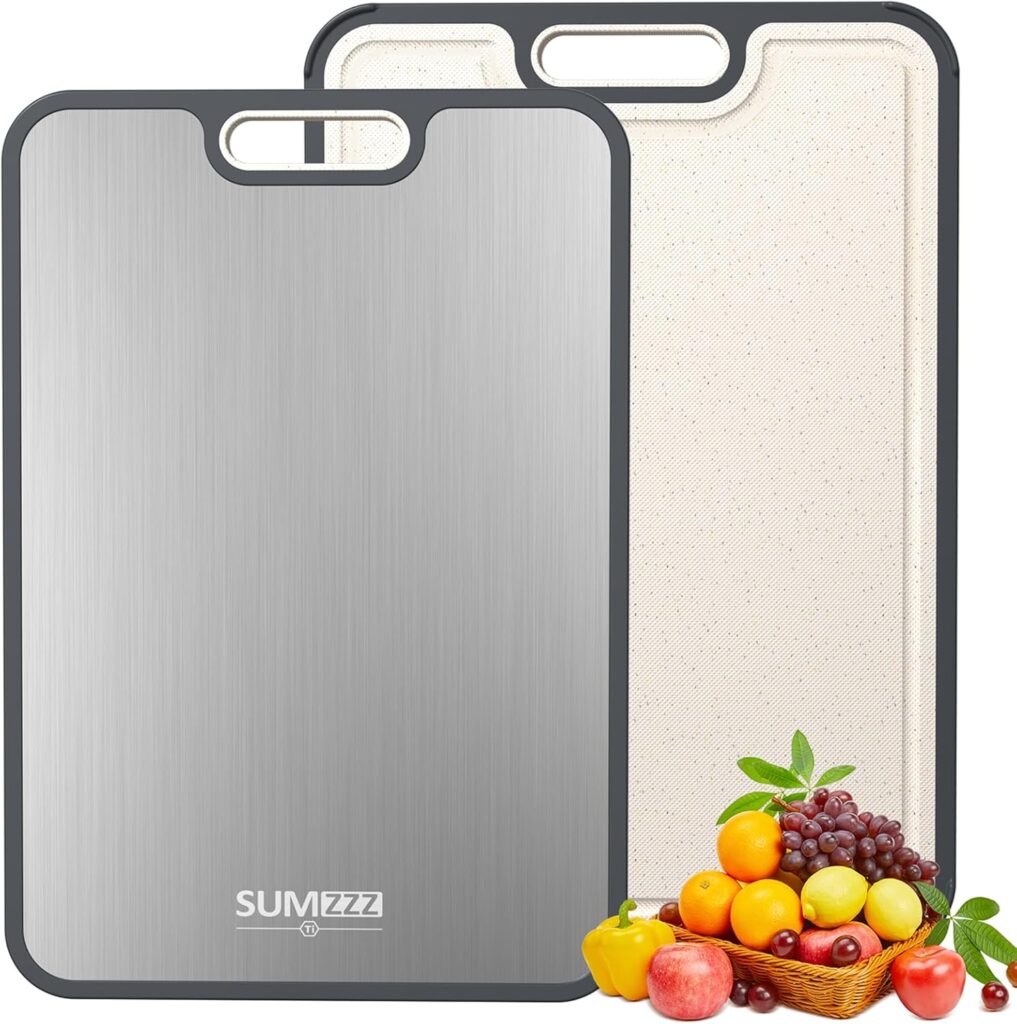
Like the stainless steel board, one side of this board is titanium and the other side is plastic. It also has a juice groove and a handle for hanging. But according to the reviews, it will scratch.
Benefits and Drawbacks of Metal Boards
Metal boards are incredibly durable. They will last a lifetime. They are non-porous and super easy to sanitize. Stains are never an issue. However, metal boards are even harder on knife edges than glass. They will quickly dull your sharpest knives. Using them can be quite noisy. Food and knives might also slide around easily on the slick surface.
Bamboo Cutting Boards: The Eco-Friendly Choice
Bamboo boards have become very popular. They offer a natural look and feel. Many people choose them for their sustainable nature.
Bamboo as a Material
Bamboo isn’t actually wood; it’s a type of grass. It’s an amazing material. It grows incredibly fast, making it a green choice. This fast growth means bamboo is a renewable resource. It’s naturally very hard and has antibacterial properties. These traits make it great for kitchen use.
Here’s a good set of bamboo boards.
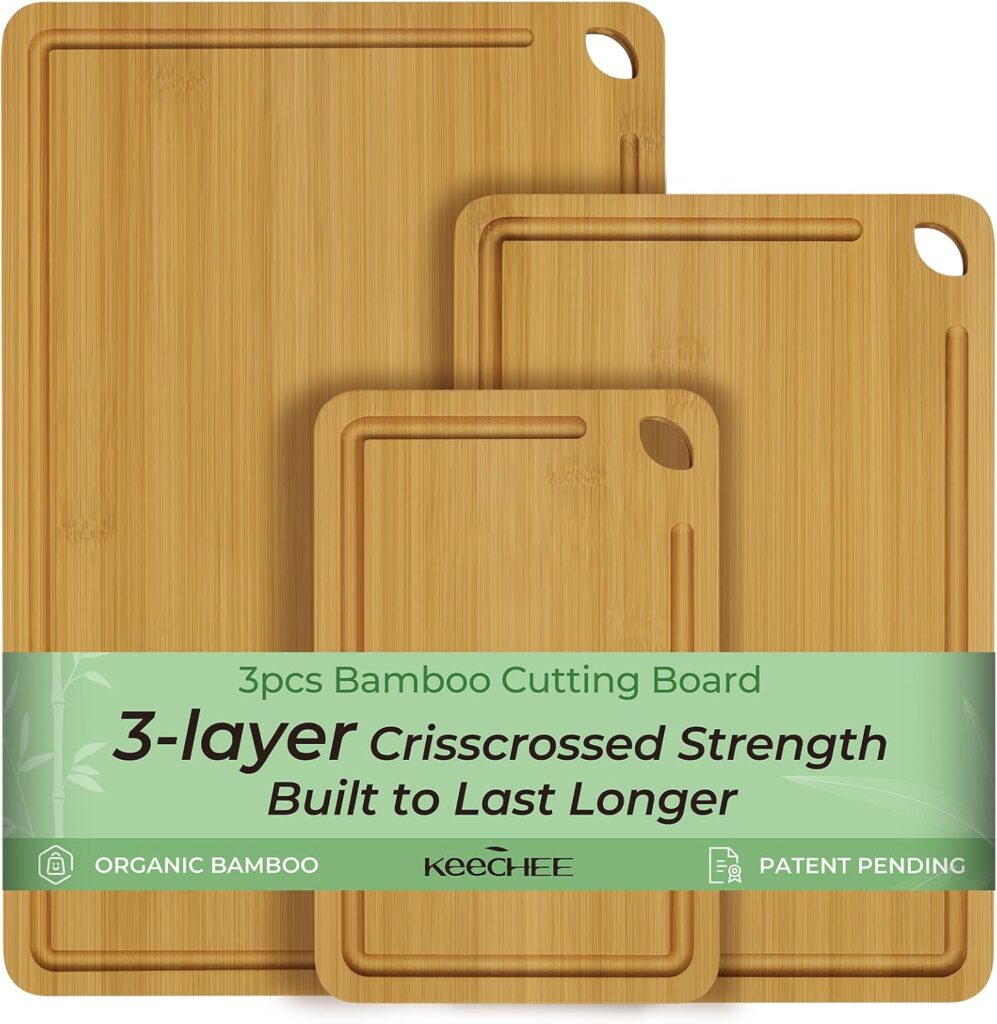
The largest board in this set is 15″ x 10″ and the smallest of 9″ x 6″. Both sides of the boards can be used. The manufacturer also offers a carbonized version, which reduces water absorption. They have a juice grove and hanging handle. The manufacturer recommends maintaining the boards with mineral oil.
Bamboo Cutting Board: The Upsides and Downsides
Bamboo cutting boards are eco-friendly and light. They naturally fight germs. Compared to glass or metal, they are kinder to your knives. On the downside, bamboo can crack or split if it dries out. It can also warp if it gets too wet.
Maintaining Your Bamboo Cutting Board
Caring for bamboo is much like caring for wood. Wash it by hand, never in the dishwasher. Dry it quickly and completely. Oil your bamboo board from time to time with mineral oil. This keeps it from drying out and cracking. Proper care helps your bamboo board last a long time.
Conclusion: Choosing Your Perfect Prep Surface
Each type of cutting board has its own set of advantages and disadvantages. Wood offers knife-friendliness and beauty but needs upkeep. Plastic is convenient and dishwasher-safe but can harbor germs. Glass is highly sanitary yet very hard on knives. Metal is extremely durable but also damages blades. Bamboo is a sustainable, affordable middle ground, but needs good care.
Consider your cooking habits, how many knives you own, and how much time you have for cleaning. Many cooks find it best to own a few different types. Maybe a sturdy wood board for most chopping and a plastic board for raw meats. The perfect cutting board choice supports both great cooking and safe food prep.
Disclosure: As an Amazon Associate I earn from qualifying purchases. If you buy from a link on this site, I may earn a small commission from the vendor without any additional cost to you. No company pays me to say anything in particular, or to say nice things. I only stand behind products I believe in.