John Hornick — Chef’s Apprentice
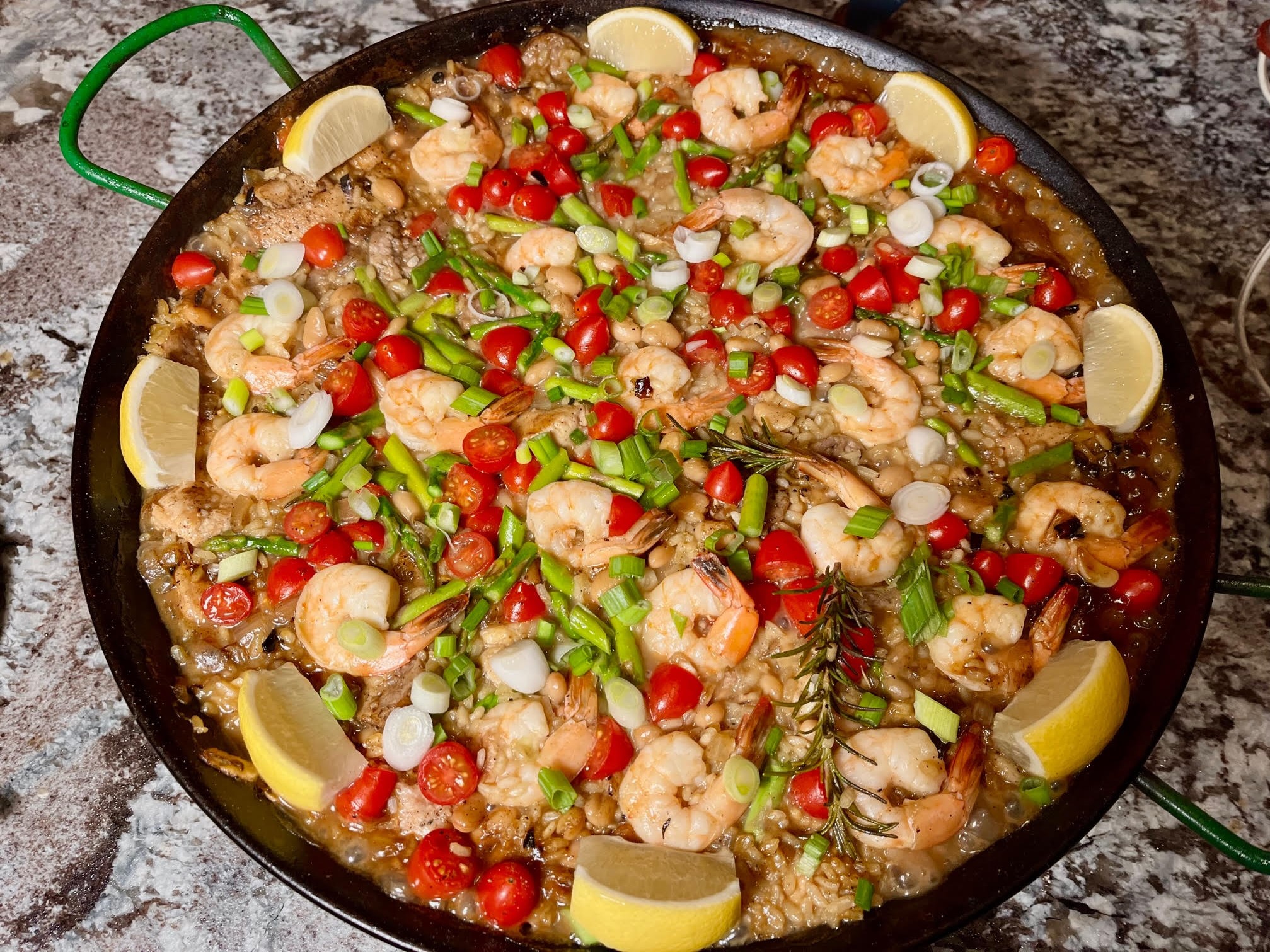
Spain’s favorite rice dish, paella, isn’t just food — it’s a celebration of tradition. From the colorful fields of Valencia to bustling Spanish tables, this dish is a symbol of community and festive cooking. Whether you want a classic seafood mix or a hearty version with chicken and sausage, making authentic paella at home is easier than you think. Follow these steps for restaurant-quality results.
Understanding the Roots and Types of Paella
A Brief History of Paella
Paella started in Valencia, a region known for rice fields and rich flavors. It was originally a dish cooked outdoors among farmers and workers, who used local ingredients to create a bold, flavorful meal. Over time, each region added its twist, turning it into a national favorite.
Different Styles of Paella
Paella styles depend greatly on proximity to the sea. Inland paellas are more likely to be chicken-or-sausage-centric, while coastal paellas will probably be rich in seafood. But styles can be very broad and are usually the result of whatever is fresh.
- Valencian Paella: Made with rabbit, snails, and fresh vegetables.
- Seafood Paella: Loaded with mussels, shrimp, and fish, perfect for seafood lovers.
- Mixed Paella: Combines chicken, sausage, seafood, and vegetables for a hearty dish.
No matter which style you choose, the key is using fresh ingredients and respecting traditional techniques.
To experience regional Paella in Spain, use this Expedia box to book your trip:
Tools and Ingredients for Perfect Paella
Essential Ingredients
To access authentic paella-making ingredients and equipment, click the links throughout this post.
- Saffron: The heart of paella — adds color, aroma, and deep flavor. Buy high-quality saffron for the best results. (Confession: I don’t always use it.)
- Rice: Use short-grain varieties like Bomba or Calasparra. They absorb flavors well without getting mushy.
- Proteins: Chicken, sausage, shrimp, mussels, or clams. Feel free to mix and match.
- Vegetables: Asparagus, green beans, peas, cherry tomatoes, or any greens you like.
- Broth: Homemade or a good-quality store-bought, unsalted chicken stock works best.
Equipment You Need
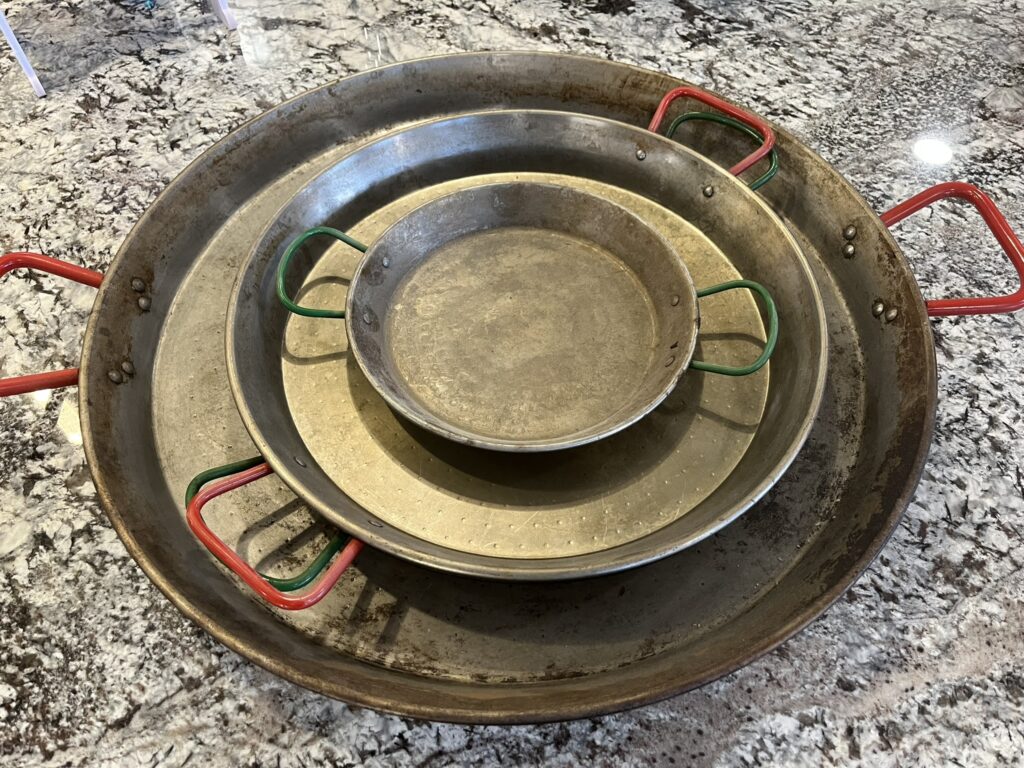
- Paella Pan: A wide, shallow pan about 16-18 inches across — ideal for serving six.
- Propane Burner: A “butano” burner with concentric rings ensures even heat distribution.
Here are my paella pans, in 10″ for 2, 18″ for 6-8, and 24″ for parties. I use steel pans, which conduct heat really well, but they will rust, so dry them after cleaning and don’t expect them to look brand new after you use them. I’ve made paella in a cast iron pan but I believe paella pans work better and they are certainly more authentic.
Here is my butano. It once had a mobile base like the one shown at the link, but it rusted away after many years of living on the patio. Now it lives on a countertop outside. Note: a butano should be used outside.
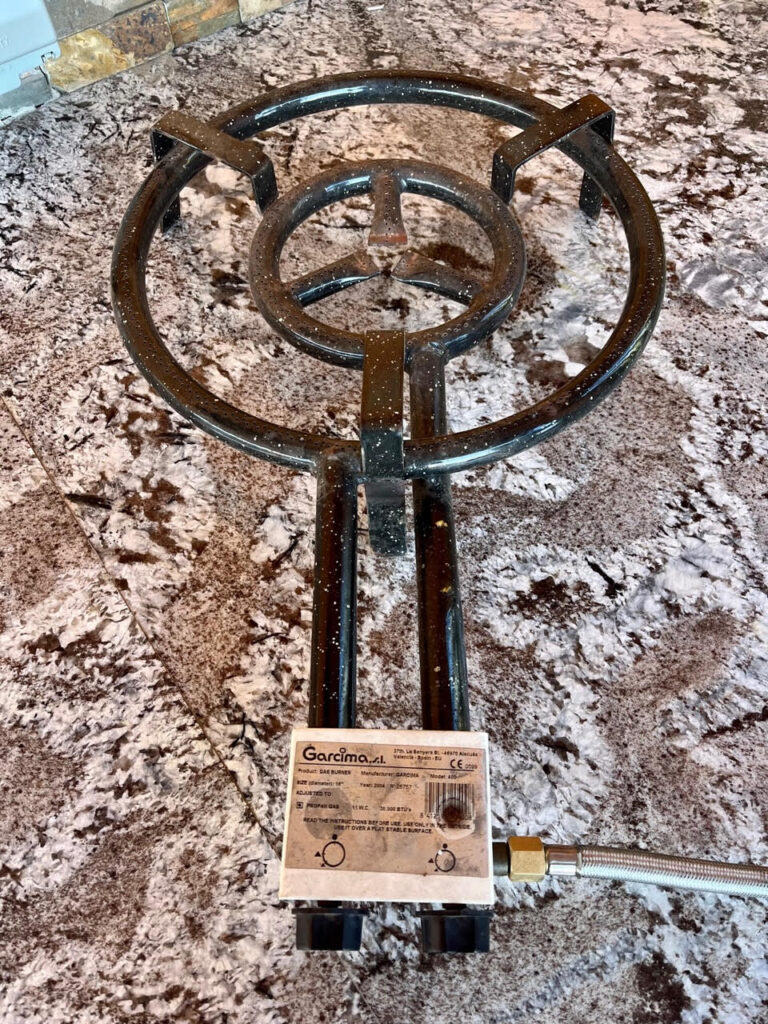
Here’s what they look like new.
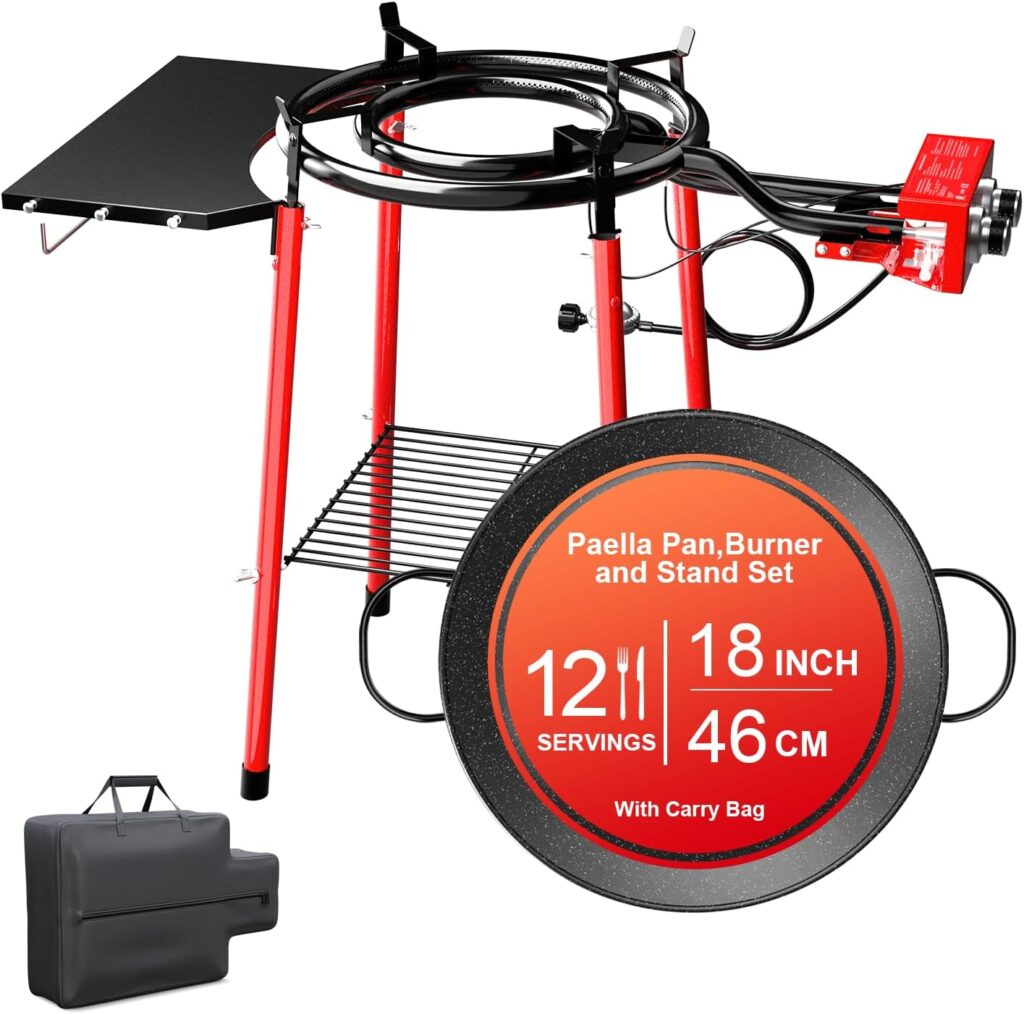
You can cook paella on the stove, especially if you are using a small paella pan, but a butano is MUCH better for distributing the heat and cooking everything evenly.
Getting Your Ingredients Ready
Turn Saffron Into Liquid Gold
Crush the saffron threads with the back of a knife. Steep them in warm chicken. This unlocks their full flavor and color, making your paella vibrant.
Prepare Proteins and Vegetables
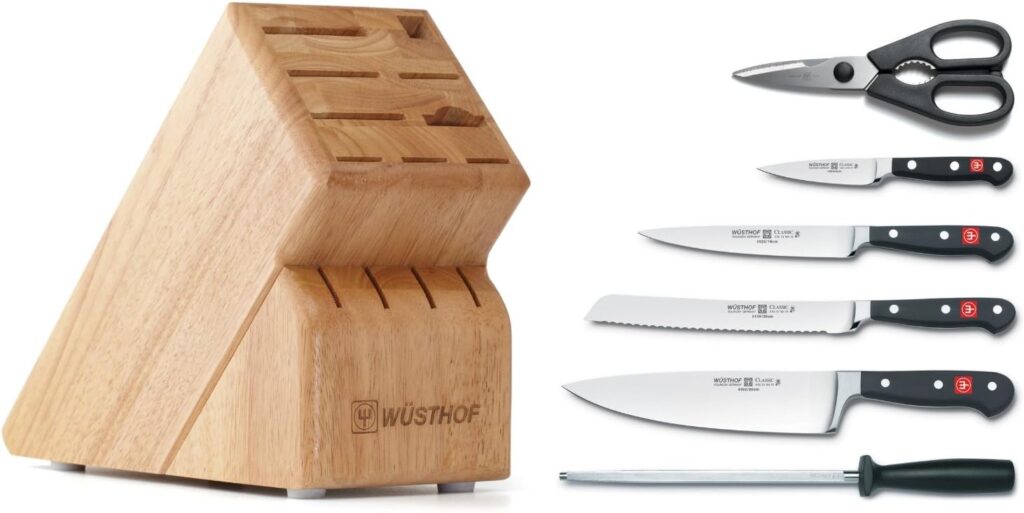
- Cut chicken into bite-sized cubes and lightly season chicken and seafood with salt and pepper. I use either a chef’s knife or a slicer.
- Slice sausages into quarter-inch coins only after cooking.
- Dice onions and chop garlic.
- Prepare cherry tomatoes and any greens like asparagus or peas.
Make Your Broth
Add the crushed saffron to warm stock and keep it hot for later. This step ensures your rice cooks evenly and gains rich flavor.
Check my video to see me making paella.
Cooking Your Paella: From Start to Finish
Sear Your Proteins
Heat the pan with olive oil until it just starts to show whiffs of smoke. Add the chicken pieces and cook until browned on all sides. Don’t fully cook through — they’ll finish cooking later with the rice. Remove them from the pan. Do the same with the sausages, but cook them through, then slice.
Build Flavor
Add chopped onions and cook until they soften and turn golden. Then add garlic and sauté briefly — garlic burns quickly, so watch carefully.
Reintroduce Proteins and Flavor Boosters
Put the browned chicken and sausage slices back in. Add white beans if you like, for extra heartiness. Mix everything well.
Add the Rice and Let it Simmer
Spread the rice evenly across the pan. Pour your hot saffron-infused stock over everything, making sure everything is just covered. Let it simmer gently, stirring occasionally, until the rice begins to soften and soak up the flavors.
Incorporate Seafood and Vegetables
After the rice starts to soften, press the shrimp and cherry tomatoes into the rice. Cook the shrimp until they turn pink — flip them halfway for even cooking. Add asparagus or other greens in the last few minutes so they stay bright and tender.
An alternative way to cook the shrimp is to saute them briefly in separate pan until they turn orange on both sides, then press them into the paella.
Achieve the Socarrat: the Crispy Bottom
When most of the liquid is absorbed, crank up the heat for a minute or two. This creates a smoky, crispy layer on the bottom — the coveted socarrat. Listen for a gentle cracking sound; that’s when you know it’s forming.
Rest and Garnish
Remove the pan from the heat and let the paella rest for five minutes. Garnish with sliced scallions, lemon wedges, or herbs. Serve directly from the pan for an authentic touch.
Tips for Making Perfect Paella Every Time
- Use a wide pan for even cooking.
- Keep the heat steady.
- After the rice is in, stir everything to mix, then avoid stirring while the rice cooks.
- Don’t rush — patience makes a difference.
- Feel free to customize with your favorite ingredients and veggies.
- If the rice is undercooked, add a splash more stock. Overcooked? Cover and let it rest longer.
Conclusion
Getting authentic paella right takes a little practice, but this guide simplifies the process. Focus on quality ingredients, gentle simmering, and creating that crispy crust on the bottom. Paella is more than a rice dish — it’s a feast and a tradition. So gather your ingredients, fire up your butano, and enjoy making this classic dish at home. Your taste buds and your guests will thank you.
Disclosure: As an Amazon Associate I earn from qualifying purchases. If you buy from a link on this site, I may earn a small commission from the vendor without any additional cost to you. No company pays me to say anything in particular, or to say nice things. I only stand behind products I believe in.
Ingredients for 18″ pan:
- 1 ½ – 2 lbs. boneless, skinless chicken breast or chicken thigh, cut into 1” pieces
- 3-4 Sausages, depending on size (I used mild Italian)
- ¾ lbs. medium shrimp, peeled and deveined
- 1 lg. onion, coarsely chopped
- About 10 cloves garlic, thinly sliced
- About ¾ cup cherry tomatoes, halved
- About 1 ½ cups white beans, cooked
- About ¾ cup asparagus, cut diagonally into 1” pieces
- 2-3 qts. chicken stock, unsalted, warm
- Several saffron threads
- 4-6 rosemary sprigs
- 8 lemon wedges
- Kosher salt
- Peppermill
- Olive oil
- Paella rice (Bomba, Calasparra)
- About ½ cup scallions, chopped (white and green parts)
Step-By-Step
1. Crush saffron threads with knife and soak in a little warm stock
2. S&P chicken
3. Brown chicken in OO in paella pan; remove, keep warm (need not be fully cooked)
4. Brown sausage in OO in paella pan; rest; slice; keep warm (need not be fully cooked)
5. Sweat onion in OO in paella pan; S&P
6. Add garlic and sweat
7. Add chicken, sausage, beans, rice, stock, rosemary, S&P
8. Add stock as needed
9. As rice softens, add shrimp, asparagus, tomatoes, and press down into rice (alternatively, saute the shrimp in separate pan until they turn orange on both sides, then press them into the paella).
10. Turn shrimp (you need not do this if you sauteed the shrimp before adding them to the paella.
11. Garnish with lemon wedges and scallions