John Hornick — Chef’s Apprentice
Introduction
Beef shabu-shabu is more than just a meal; it’s an experience. Imagine a hot, flavorful broth bubbling in front of you while you cook thin slices of premium beef and fresh vegetables right at the table. Originally from Japan, this interactive dish has gained popularity worldwide. Today, we’re aiming to bring that restaurant-quality comfort into your home. With the right ingredients, technique, and presentation, you’ll master making gourmet shabu-shabu that rivals the best Japanese restaurants and will blow your guests’ sock off.
Understanding Beef Shabu-Shabu: Origins, Technique, and Key Elements
The Cultural Roots of Shabu-Shabu
Shabu-shabu means “swish-swish” in Japanese, mimicking the sound of meat getting swished in hot water. It started in Japan as a communal dish where friends and family gather around a steaming pot. This tradition emphasizes sharing, interaction, and freshness—a truly social meal.
In Japan, Shabu-shabu starts with plain water in the pot. For extra flavor, my version starts with a home-made broth.
Have Shabu Shabu in Japan
What I remember most about my first trip to Japan, which was many years ago, was experiencing Shabu Shabu in a fine dining restaurant. Maybe you’re heading to Japan and would like to have a similarly unforgettable experience. Maybe you love food travel and have been struggling to decide your next destination. Maybe you’ve heard that Tokyo restaurants hold the highest number of Michelin stars in the world. If you fall into one of these categories, CLICK HERE TO PLAN YOUR JAPAN TRIP and CLICK HERE TO BOOK JAPANESE CULINARY ADVENTURES.
Essential Characteristics of Authentic Shabu-Shabu
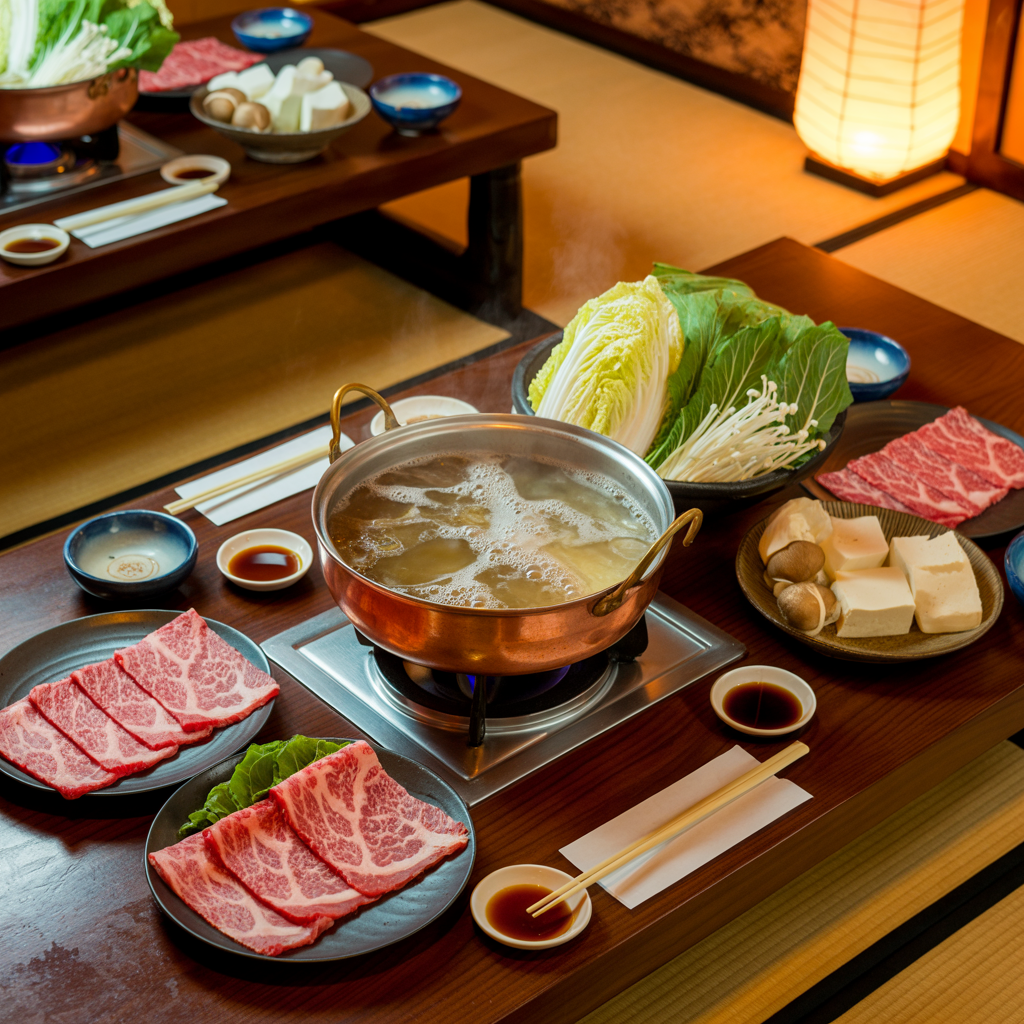
The hallmark of authentic shabu-shabu lies in the quality of its ingredients. The beef must be thinly sliced, highly marbled, and tender. Instead of plain water, traditional stocks like dashi (which is insanely easy to make) enrich the broth, adding umami flavor. The dish is meant to be prepared and enjoyed together, with everyone actively cooking at the table.
Significance of Quality Ingredients
Choosing the right beef is crucial for authentic flavor. Look for prime ribeye sliced paper-thin or carpaccio-cut beef from your butcher. Beautiful fresh vegetables and the right broth elevate the taste further. These elements turn a simple hot pot into a true gastronomic delight.
Preparing Ingredients for a Gourmet Shabu-Shabu Experience
Selecting and Preparing the Beef
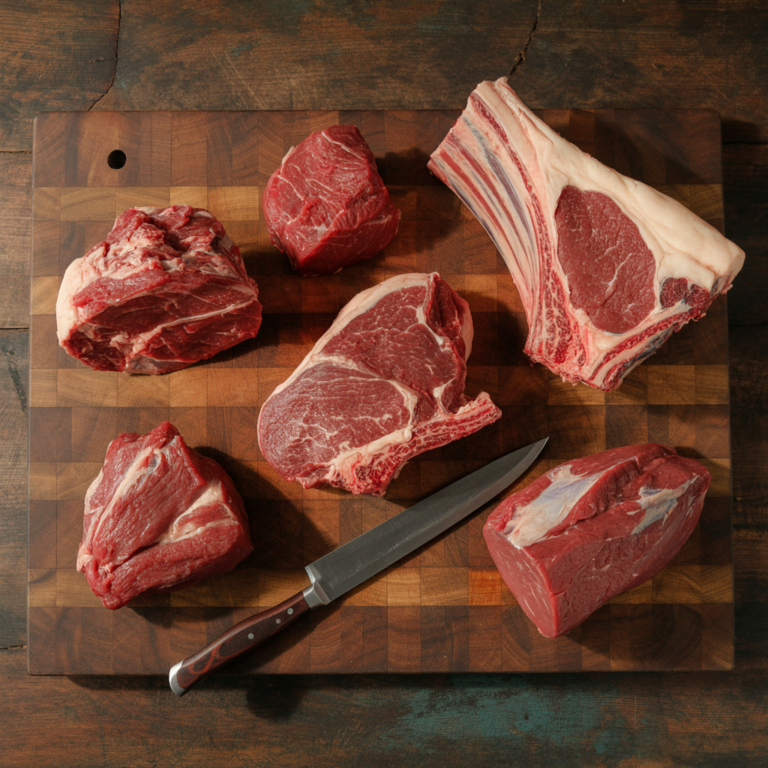
Find beef that’s well marbled. I recommend prime boneless ribeye or NY Strip. You can spend more for Wagyu beef, but it’s not necessary. Don’t use filet mignon. It doesn’t have enough marbling.

The beef needs to be sliced very thin—about a sixteenth to an eighth of an inch.
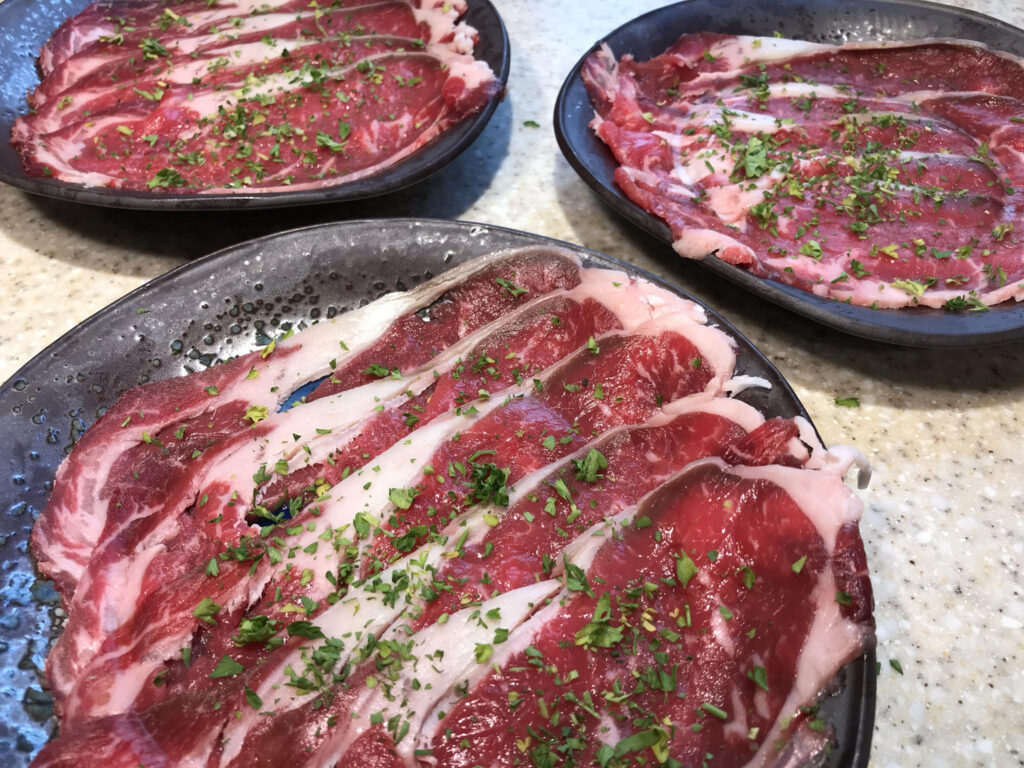
If you have an electric slicer, freeze the beef until it is very firm but not rock solid. That’s how I do it.
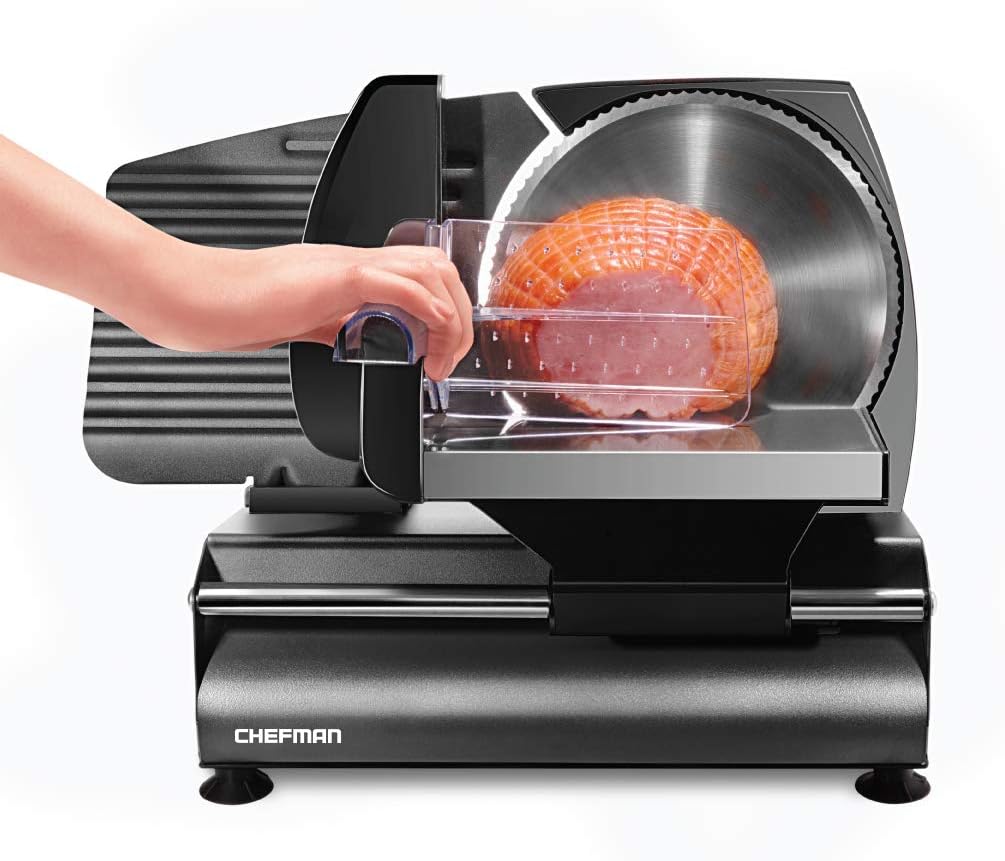
If you don’t have a slicer, ask your butcher for assistance. Properly sliced beef looks beautiful and cooks quickly, making each bite tender and flavorful. Use 2 to 4 ounces per person, or more for a feast. Arrange the slices, slightly overlapping, on a large platter or on a plate for each guest.
I’ve recently seen “shabu-shabu-cut” beef in some grocery stores and butcher shops, so it’s catching on!
Preparing Mushrooms and Vegetables
Fresh mushrooms add great taste and an earthy aroma that’s perfect for this dish. You will need about 2 cups. Use a mix like shiitake, oyster, and baby bella mushrooms for visual appeal and flavor. Slice them into thin, uniform pieces—about an eighth of an inch thick. Keep stems for stock-making, and reserve caps for the hot pot. Some spinach leaves or arugula (or Japanese greens like mizuma if you can find them) add color, flavor, and elegance, but aren’t crucial.
Equipment
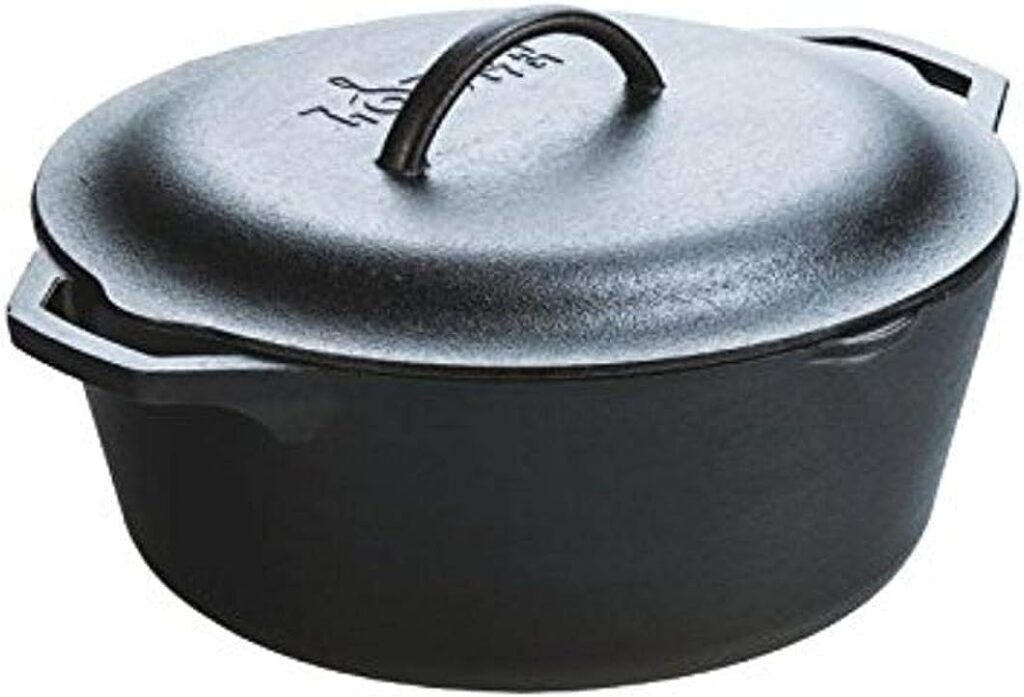
You will need a pot to cook your shabu shabu with your guests. I use a Dutch oven. The Lodge Dutch oven has kind of a Japanese rustic feel.
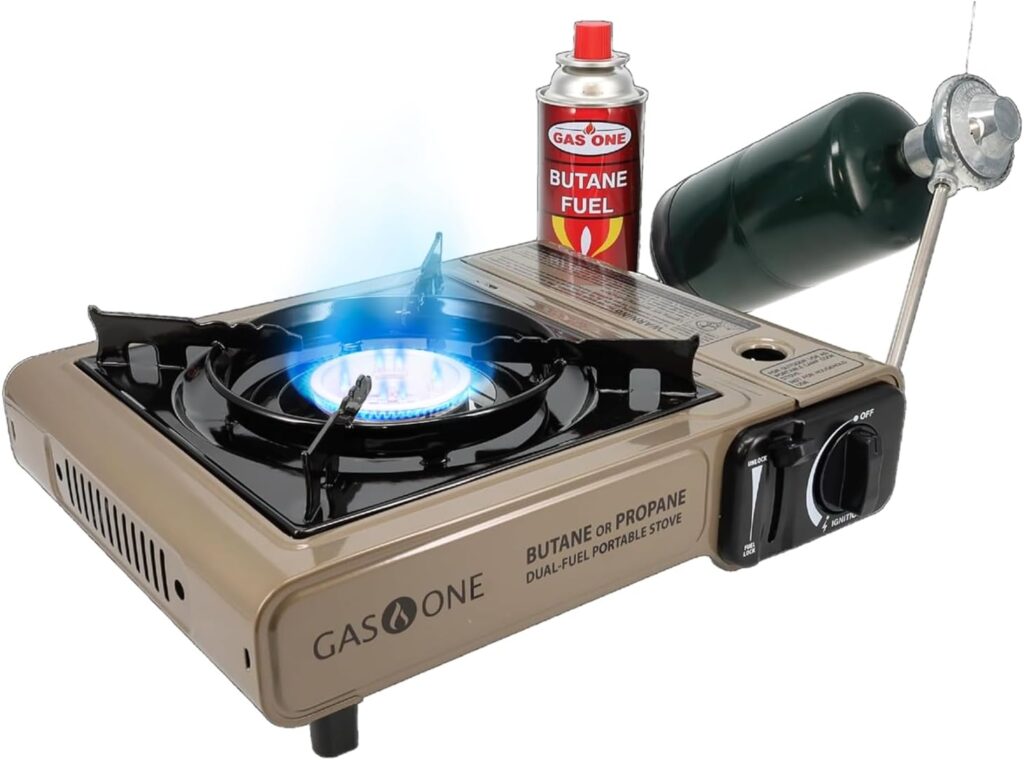
You will also need a butane burner like this one (which burns either butane or propane — great for camping), and butane fuel canisters.
Crafting the Broth
The base of your shabu-shabu is a flavorful dashi stock made from kombu (seaweed) and bonito flakes (bonito is a tuna-like fish). To keep it simple, mix the broth ingredients in your shabu shabu pot (I use a Dutch oven), bring them just to a boil on your kitchen range, then simmer the stock on low heat, uncovered, for about ten minutes to cook off alcohol and enrich the taste. Then add the mushrooms and any vegetables. Then cover and keep warm. The broth should be hot but not boiling when you start adding other ingredients. When you’re ready to cook, move the Dutch oven to your butane burner.
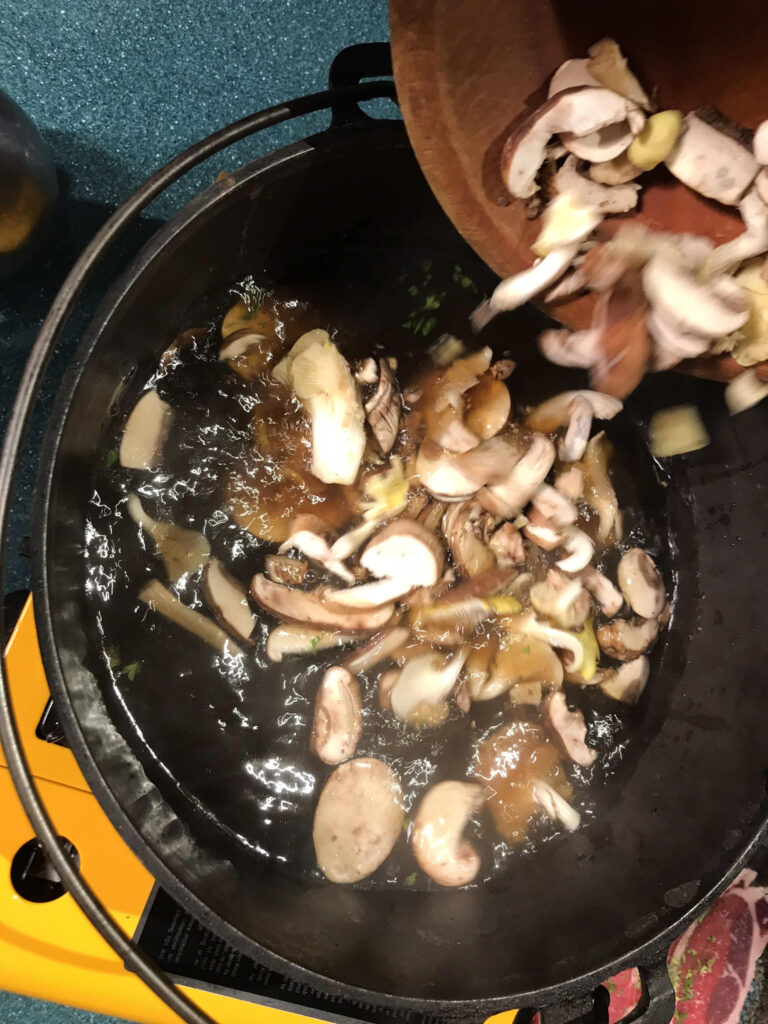
To make dashi in about 5 minutes, bring a piece of kombu (about 1-2″ wide and 6-8″ long) just to a boil in 32 oz. water. Just as the water starts to boil, remove the kombu and drop in about 1 oz. of bonito flakes (they come in a 1 oz. bag). Let them settle for about 1 minutes. If they don’t settle on their own, stir them in. Then strain the stock. This is first dashi, which is flavorful and delicate. To make second dashi, which is more full bodied, repeat the process with the same piece of kombu and the same bonito flakes (with new water of course).
Broth ingredients:
- 1 qt. dashi (see Bonus Lesson: Making Dashi, or buy powder here)
- 2 Tb. shoyu (Japanese soy sauce)
- 2 Tb. mirin without high-fructose corn syrup
- ½ cup sake (the link is to my curated sake list at tippsysake.com; buy any dry sake and use my “Chef’s Apprentice” discount code at checkout)
- 1 cup chicken stock (unsalted)
- 1 cup water
- ¼ tsp. white pepper, ground
Making the Wasabi Mayonnaise
Create a silky, flavorful dipping sauce for the beef. Start by mixing mayonnaise with fresh garlic and lemon juice. I usually use store-bought mayo. To make wasabi paste, mix wasabi powder with water in a one-to-one ratio. The wasabi powder at the link is made from real wasabi. Process the garlic, lemon, and wasabi paste into the mayo. If you want it to be smooth, strain it to ensure a lump-free dip (I don’t always strain it). This sauce should pack a punch with a gentle heat and complex flavor.
- 1 cup prepared mayonnaise
- 2 cloves garlic, finely chopped
- Juice of 1/2 lemon
- 2 tsp. wasabi paste, made from wasabi powder
Gathering Additional Elements
You will also need a ladle (this one has a Japanese look), chopsticks (Japanese chopsticks are pointed), and small dishes for the dipping sauce, and bowls for the broth. The presentation makes all the difference—use attractive bowls and utensils that highlight the meal’s beauty. Here’s my typical shabu-shabu setup.
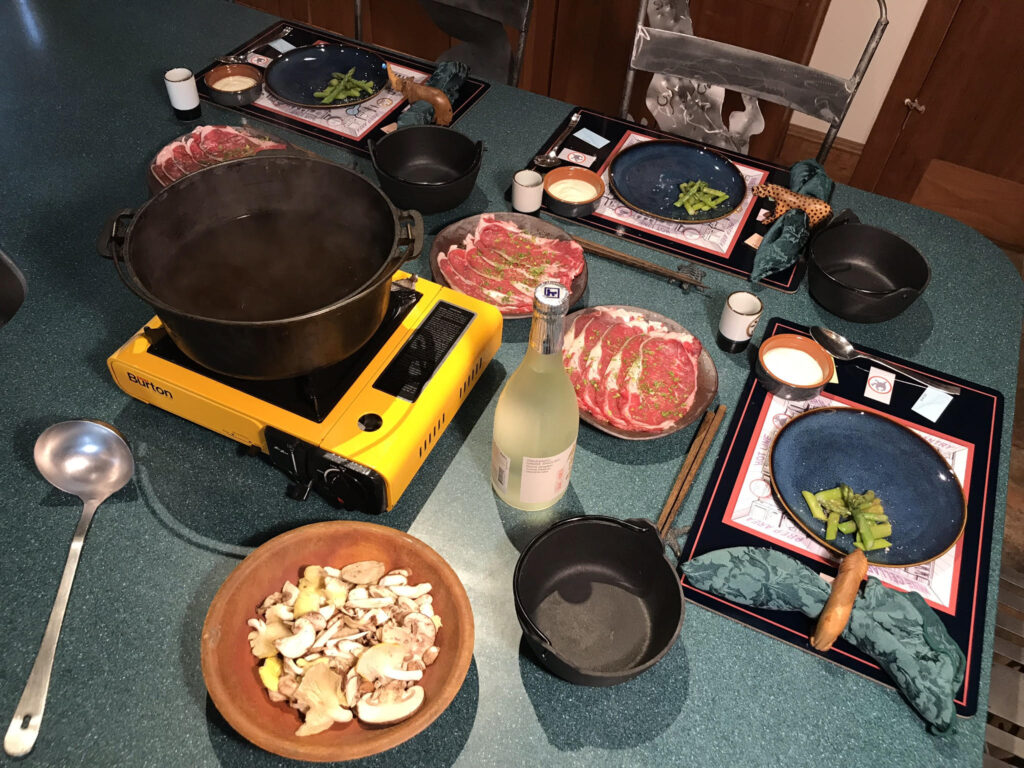
I served sake with shabu shabu, which pairs well with the Japanese flavors and ambience.

Step-by-Step Cooking Techniques for Perfect Shabu-Shabu
Cooking the Beef and Vegetables
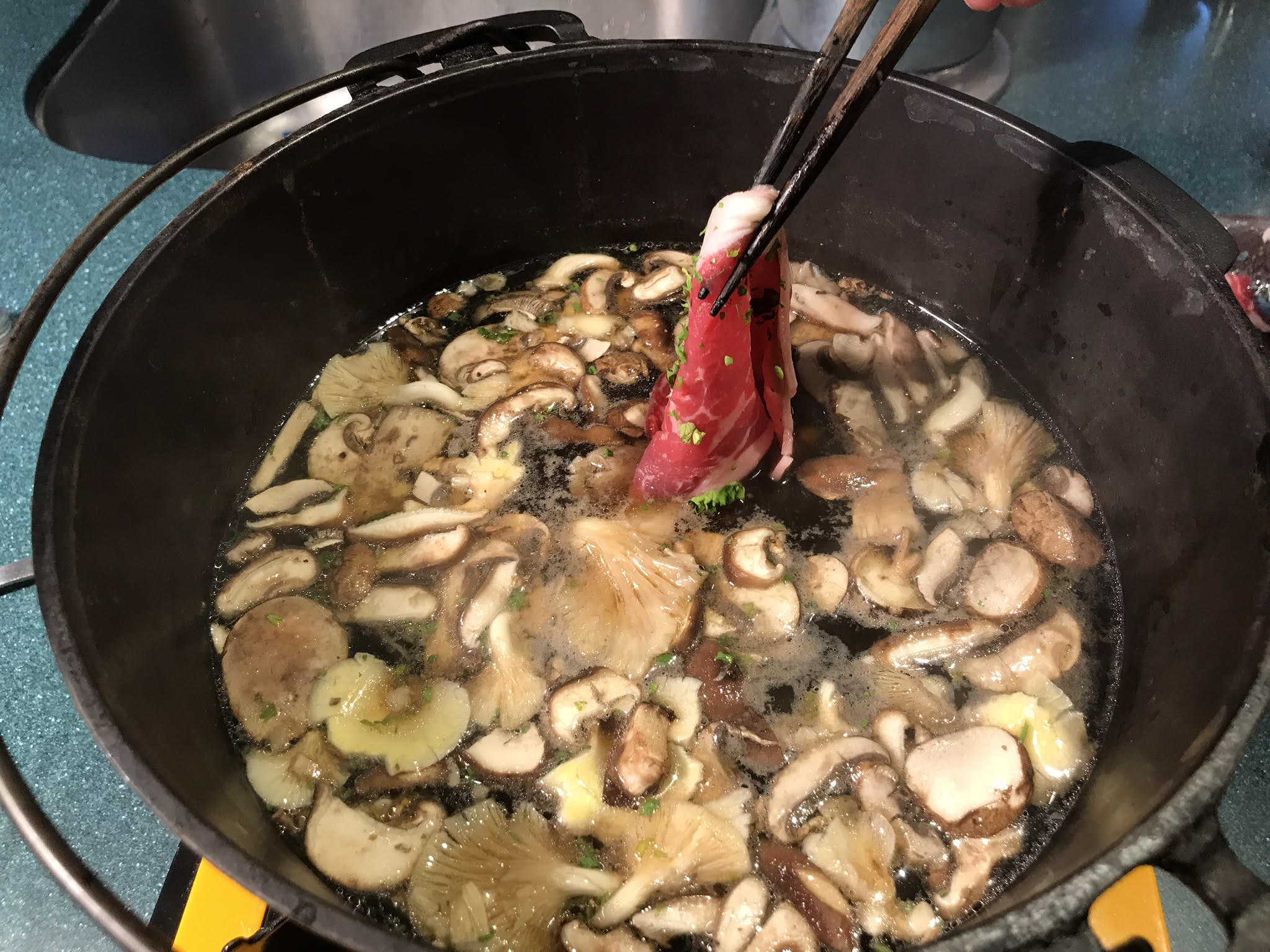
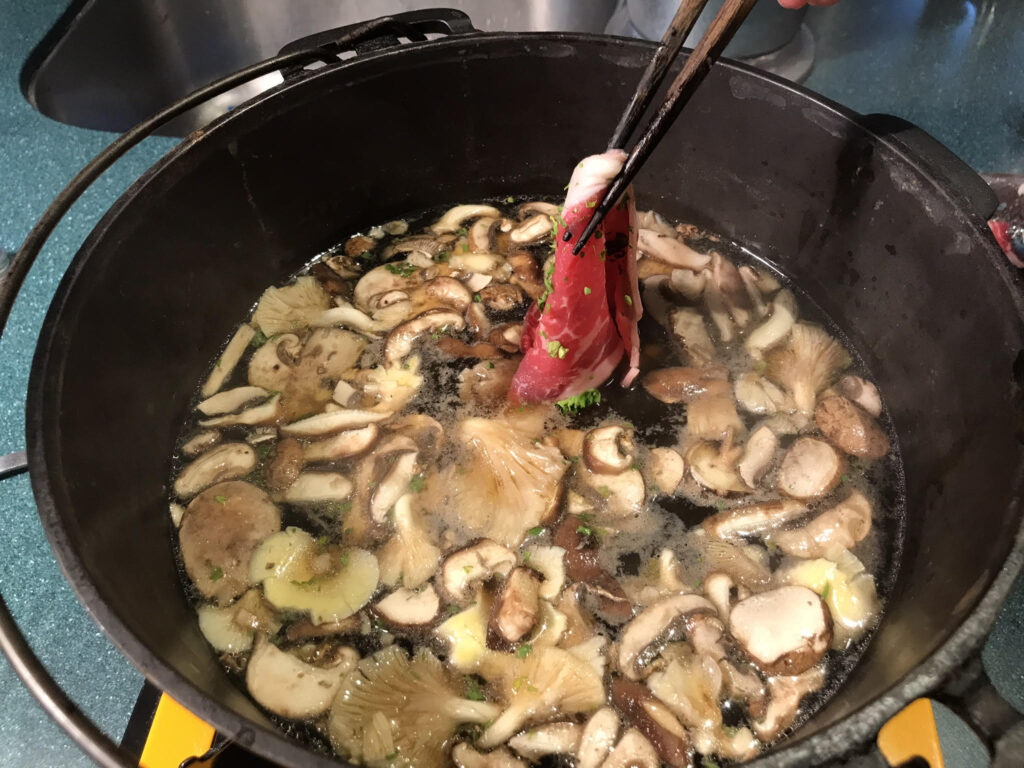
This is the fun part! Using chopsticks, each guest dips the thin slices of beef into the hot broth. Swish gently (“shabu shabu”), cooking for only a few seconds until just opaque. You may not want to let go of your slice; someone may grab it. Remove the beef slice with your chopsticks, then enjoy with a dab of wasabi mayonnaise. Keep the broth bubbling gently, so it’s always ready for the next round.
Serving and Garnishing
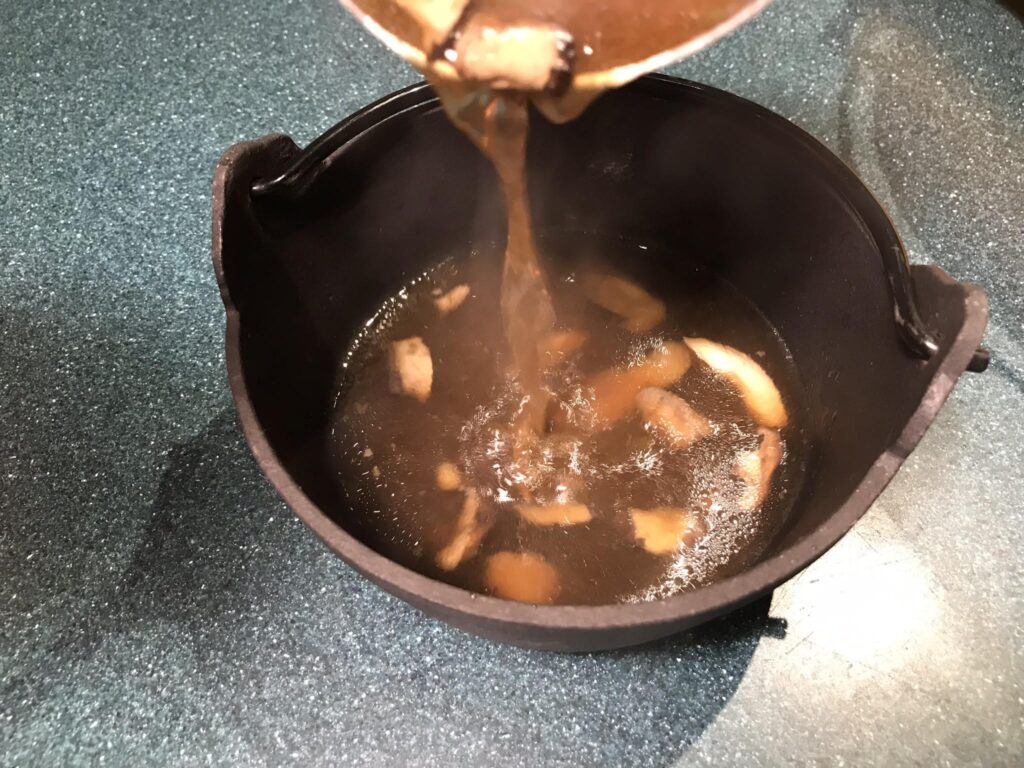
After all of the beef has been cooked and enjoyed, ladle the broth into individual bowls for each guest to enjoy. Use chopsticks and small spoons to serve. Provide dipping sauces to enhance flavors—this could include extra wasabi mayo or soy sauce. Remember, the small details—beautiful presentation and neat serving—make the meal memorable.
Tips for a Restaurant-Quality Shabu-Shabu at Home
- Maintain the broth at a steady, gentle simmer. This helps keeps flavors fresh without overcooking ingredients or boiling away the broth.
- Use attractive serving dishes and utensils to create an authentic, inviting atmosphere.
- Handle hot equipment carefully.
- Keep the meal interactive for a fun experience.
- For variety, add different vegetables, seafood, or experiment with other broths.
Step-by-Step Instructions
Watch my step-by-step video tutorial.
Words is BOLD are defined in the Culinary Glossary.
1. Arrange the beef slices on a platter and bring the beef to room temperature. Lightly sprinkle the raw beef with chopped parsley.
2. Bring to a boil the dashi, soy sauce, mirin, stock, sake, mirin, water, and pepper in an iron pot or Dutch oven (this technique is used here, rather than a rolling boil, to avoid evaporating the liquid). Simmer 10 minutes to burn off the alcohol, then reduce heat to very low and cover.
3. Process mayonnaise, garlic, lemon juice, and wasabi, then strain by pushing through a strainer with a rubber spatula or wooden spoon. Spoon the mayonnaise into small dishes, one for each guest.
4. Place a small dish of wasabi mayonnaise, a soup bowl, chopsticks, and a soup spoon in front of each guest.
5. Place a butane burner on the table in front of your guests, place the pot on the burner, and bring the broth to a high simmer.
6. Add mushrooms to broth and simmer about 5 minutes.
7. Present your guests with the beef platter and instruct them to select a slice and cook it in the broth, using chopsticks. The cooking time determines doneness. Thirty seconds is usually about right for medium rare. Instruct them to dip the cooked beef in the mayonnaise.
8. When the beef is gone, ladle mushroom broth into each bowl and eat as a soup.
Conclusion
Mastering beef shabu-shabu involves the right ingredients, precise technique, and thoughtful presentation. When you serve this Japanese hot pot at your next gathering, you’re providing more than a meal—you’re creating an memorable experience. With practice and passion, you’ll bring a true taste of Japan into your home. Now, go ahead and start cooking—your perfect shabu-shabu awaits!
Disclosure: As an Amazon Associate I earn from qualifying purchases. If you buy from a link on this site, I may earn a small commission from the vendor without any additional cost to you. No company pays me to say anything in particular, or to say nice things. I only stand behind products I believe in.