John Hornick — Chef’s Apprentice
Wagyu beef is one of the most sought-after meats in the world. Its incredible marbling, rich flavor, and tender texture make it a true luxury. But what exactly is Wagyu? How do you choose the best grade? And what’s the right way to cook it? This guide covers everything you need to know about Wagyu beef—from its origins to the best cooking methods.
What Is Wagyu Beef? Origins, Meaning, and Cultural Significance
Understanding the Term “Wagyu”
The word “Wagyu” is actually two words and means more than just “Japanese beef.” It translates roughly as “Japanese cattle” or “Japanese beef.” But the word Wagyu also hints at ideas like “harmony” or “perfection” because the word combines “wa,” meaning harmony, and “gyu,” meaning cow or beef. It’s a word that carries cultural significance and a sense of high quality. Check out the book called You Gotta Have Wa, which hilariously explains “wa” in the context of Japanese baseball.

When Wagyu beef first started to become available in the U.S., many restaurants called it “Kobe” beef, incorrectly implying that it came from Kobe, which is a city in Japan. Wagyu comes from many places in Japan, but Kobe beef only comes from Kobe, Japan. Over time, restaurants in the U.S. have mostly corrected the error, and now specify that their beef is either American Wagyu or Japanese Wagyu (Australia and Uruguay also grow Wagyu beef, which you may see in the U.S.). From time to time I find real Kobe beef in U.S. restaurants (or so they say), but again, Wagyu comes from many places in Japan, not only Kobe.
History and Cultural Context
Long ago, Japan began breeding cattle with a focus on marbling and flavor. Wagyu became a symbol of Japanese craftsmanship in meat. Over centuries, local farms perfected their raising techniques. Today, Wagyu isn’t just food—it’s part of Japan’s cultural identity, enjoyed in fine dining and cherished traditions.
Main Types and Breeds of Wagyu Cattle
The Four Major Wagyu Breeds
Japan has four main breeds of Wagyu cattle:
- Japanese Black – The most popular for high-quality meat.
- Japanese Brown – Also called Akage or Red Wagyu.
- Japanese Shorthorn – Known for a milder flavor.
- Japanese Polled – Less common but still Wagyu.
Focus on Japanese Black
Japanese Black is prized for its incredible marbling and tenderness. Its fat melts at low temperatures, creating that signature “melt-in-your-mouth” experience. Many top-tier Wagyu brands use this breed because of its rich flavor profile.
Regional Variations of Wagyu in Japan
Key Regions Producing Wagyu
Different cities or regions of Japan produce unique Wagyu varieties. Each region has its own climate and farming style. These factors influence the beef’s flavor, marbling, and texture.
- Kobe – Famous for Kobe beef, from Hyogo Prefecture.
- Matsusaka – Known for its highly marbled beef.
- Miyazaki – Offers flavorful, tender Wagyu.
- Mishima – Lesser known but highly prized for marbling.
- Hokkaido – The northernmost area with diverse Wagyu types.
- Kagoshima – Rich, buttery, and luxurious
To experience Japanese Wagyu in Japan, use this Expedia box to book your trip:
Explore Wagyu Beef in Japan
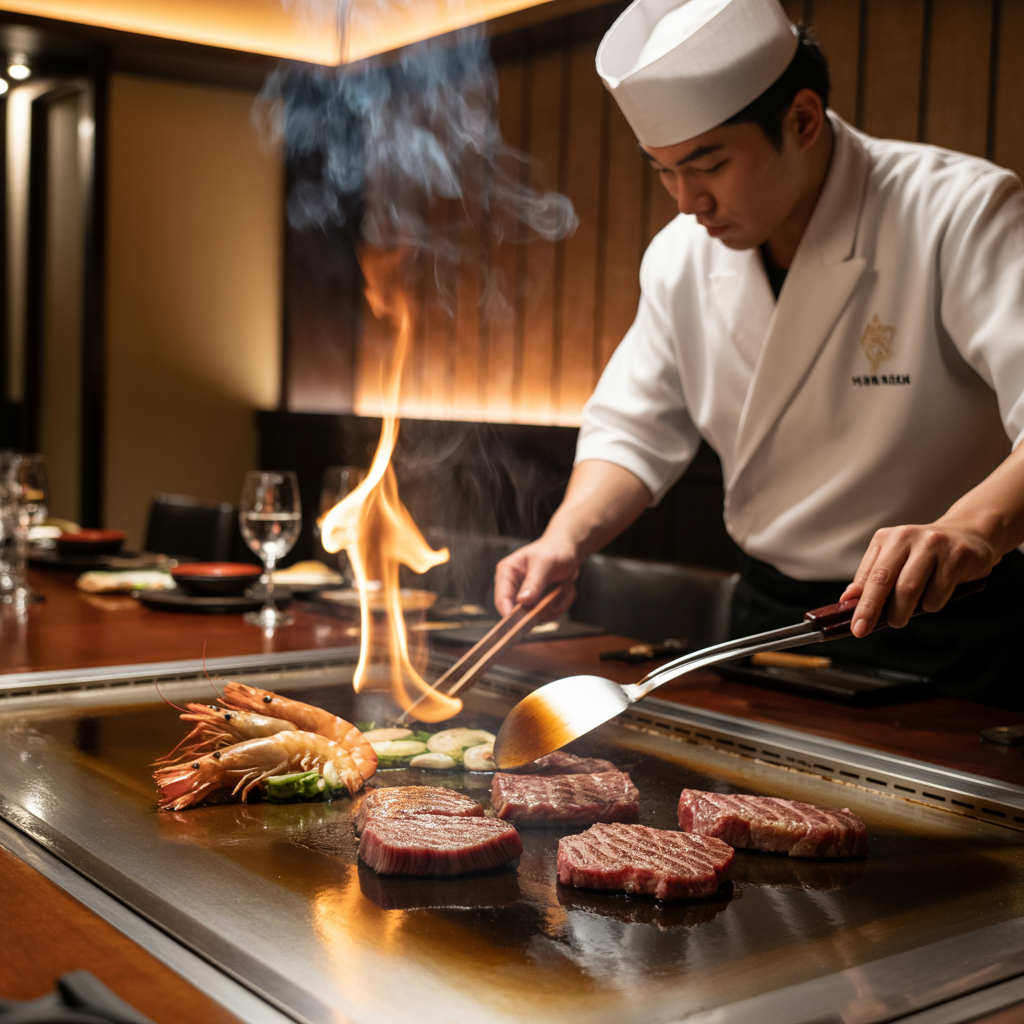
Maybe you’re heading to Japan and would like to experience Japanese Wagyu beef. Maybe you love to travel and have been struggling to decide your next destination. Maybe you would like to experience Japanese teppanyaki, which is much different than in the U.S. (see my Chef’s Apprentice Travels Tastes & Toasts: Three Nights in Ginza, Tokyo post or my Teppanyaki Fine Dining in Tokyo YouTube video). If you fall into one of these categories, CLICK HERE TO PLAN YOUR JAPAN TRIP and CLICK HERE TO BOOK WAGYU BEEF DINING ADVENTURES.
Understanding Wagyu Grading and Quality
Japanese Grading System
Japan grades Wagyu based on two main factors:
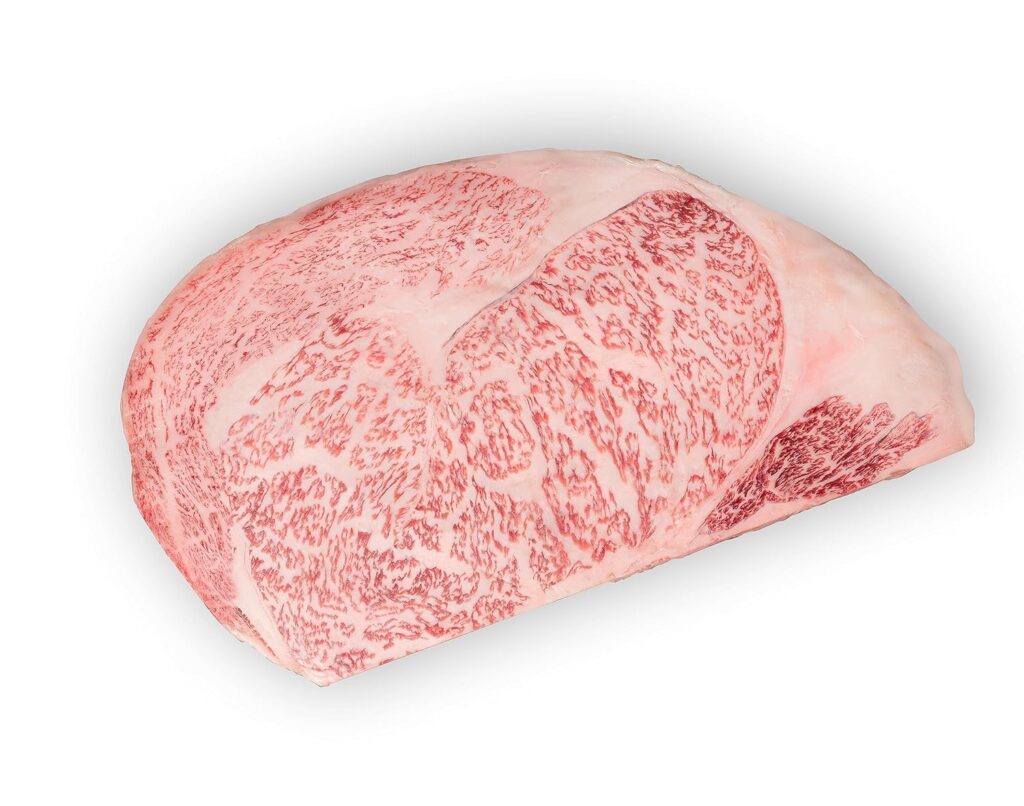
- Yield Grade (A-C) — Lettered as A, B, or C, reflecting how much meat you get from the carcass. A is the highest. The final grade combines yield and a quality score of 1-5, with A5 being the highest possible — excellent yield and intramuscular fat, also known as marbling. This is the Wagyu grading scale we see for Japanese beef imported into the U.S., with A5 being the most desirable, with the most beautiful marbling. In fact, I’ve never seen A1 through A4 in America.
- Beef Marbling Score (BMS) — On the A scale, A5 is the highest and best. But there is another, more granular scale: BMS, or Beef Marbling Scale, ranging from 1 to 12. BMS 8-12 are all A5 and are considered top quality. But BMS 8 is obviously of lower quality than BMS 12. I’ve never seen imported Japanese Wagyu rated on the BMS scale in the U.S. I believe there is a reason for that, revealed below.
Why Marbling Matters
More marbling means a more flavorful, juicy bite. High-grade Wagyu shows intricate white streaks of fat across the meat. That fat melts during cooking, adding richness and tenderness.
Japanese Wagyu in Japan vs. U.S. Wagyu in America: Wagyu Grading and Comparison
In America, beef is graded as Prime, Choice, or Select. But for the best Japanese Wagyu, look for the grade A5. Within A5 there are five levels on the BMS scale, 8-12. BMS 8 is the lowest grade within the A5 range and BMS 12 is the highest.
Now I’m going to say something controversial, which I can’t prove. But based on my experience, which includes eating the best Wagyu in Japan and in the U.S. over several decades, American Wagyu can be comparable or even better in fat-to-meat balance and taste compared to the Japanese Wagyu available in the U.S. I believe Japanese Wagyu in Japan is better than Japanese Wagyu available in the U.S., even though they are all A5. The bottom line, in my opinion: American Wagyu is better in America than Japanese Wagyu in America, but Japanese Wagyu in Japan is the best beef in the world. But why? Read on.


Flavor and Texture Differences
Japanese Wagyu in Japan melts in your mouth because of its high marbling and careful raising. But I believe it’s less greasy in Japan, more refined, and feels luxurious, compared to Japanese Wagyu in the U.S. American Wagyu tends to be leaner and less marbled, with a different flavor profile, and tends to be more robust and very delicious.
Export and Market Factors
My theory is that Japan keeps much of the best Wagyu for its domestic market. Most of what makes it overseas may be A5, but toward the lower end of the BMS scale within the zone of A5. In other words, Japan may export mostly BMS 8 or 9 to the U.S., even though it is still A5, and keep BMS 10-12 for consumption in Japan. Of course some BMS 10-12 may also make it to the U.S. but I doubt it would be advertised as such for several reasons. Americans want it simple: order A5 rather than having to distinguish BMS grades. Also, restaurants may not want to reveal that their beef is BMS 8 (if they even know it) when they are able to charge top dollar for it as A5. I have no evidence to support this theory, other than my eyes and taste buds. In contrast, U.S.-raised Wagyu is bred specifically for consumption in the U.S., and I argue it offers better overall taste and value. American Wagyu is expensive, but not quite as expensive as Japanese Wagyu.
Serving Styles and Portion Sizes
In Japan, Wagyu is served in small portions. Think of just 2 to 4 ounces per serving, about the size of a deck of cards, often thinly sliced by the chef. It’s often used as a supporting part of a meal, not the main course. Dinners focus on elegance, with high-quality meat cooked quickly, sometimes at the table. Even when beef is the focus, such as in a high-end Teppanyaki restaurant, the portion is usually small and is sliced or cubed by the chef after it is cooked in front of you. Even in such a setting, the beef is only part of the meal, though often the crowning moment.
In the U.S., steaks are usually larger—10 to 16 ounces—served as the main event in steakhouses. I have entertained many Japanese guests in the U.S. They have heard about how big American steaks are, but they don’t believe it until they experience a U.S. steakhouse. Also, the atmosphere in even the finest U.S. steakhouses is less formal than top Japanese teppanyaki restaurants, but U.S. steak quality can still be top-notch, even if it’s not Wagyu.
Pay Attention to the Cut
When you order a steak in a restaurant, you always know the cut. Maybe you like ribeye. Or if you are like me, you prefer New York Strip (aka striploin). Or maybe you love filet mignon. But U.S. menus that offer Wagyu often don’t identify the cut. I’ve asked many servers the cut of a Wagyu menu offering. They often don’t know and need to check with the kitchen. Even after checking, their answers are often less than confident.
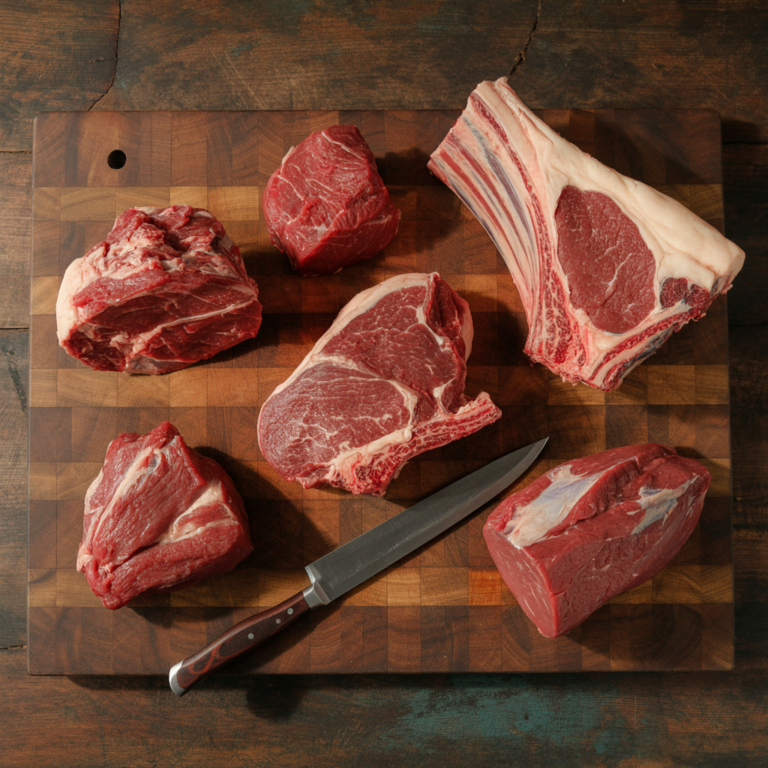
Remember, a steer has many cuts, from the finest steakhouse-cut T-Bone to chuck, which is used for hamburger. When you order Wagyu in a restaurant, it’s almost always the most expensive beef on the menu. Make sure you are not paying top dollar for Wagyu skirt steak when you could be paying less for Prime ribeye. Or at least know what you are buying.
Tips for Buying Wagyu
There is a growing number of suppliers of both American and Japanese Wagyu in America. After wrestling with the American vs. Japanese Wagyu issue for many years, I now buy only American Wagyu, but I have provided sources for Japanese Wagyu too.
American Wagyu
R-C Ranch American Wagyu Striploin/New York Strip
Snake River Farms/Various Cuts
Japanese Wagyu:
Kagoshima Striploin (New York Strip)
How to Cook Wagyu Beef: Techniques and Tips
Preparing and Slicing Wagyu
For maximum flavor, cook small pieces briefly and slice it thinly—about 1/8″ to 1/2″ thick. Use a very sharp slicer and make one cut, rather than sawing the meat. You will find that if you serve several slices, totaling around 4-6 ounces, it will probably be plenty because the beef is so rich. I have found that even 2-3 ounces of thinly sliced Wagyu is enough, depending on how it is served.
Best Cooking Methods
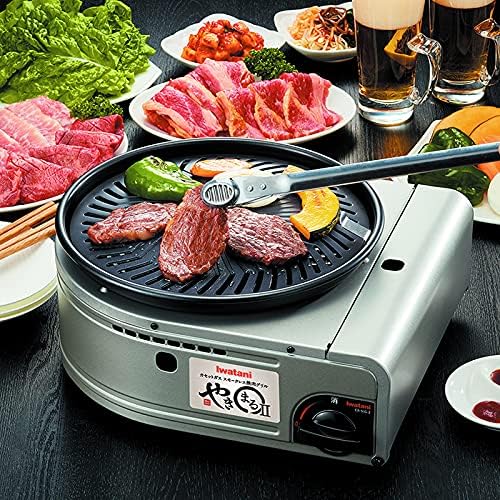
- Yakiniku: Thin slices are grilled briefly at the table. Ideal for communal eating with dipping sauces. This is very similar to Korean Barbecue. I’ve provided a source for a Yakiniku propane grill for home use.
- Teppanyaki: Cooked on a hot griddle, served elegantly. Perfect for a more refined experience, but good luck finding fine teppanyaki in the U.S.
Remember, Wagyu cooks fast due to its marbling. Brief cooking preserves its juiciness, tenderness, and size. Because of its fat, it will get smaller if you cook it too long. Go for rare to medium rare.
Accompaniments and Sauces
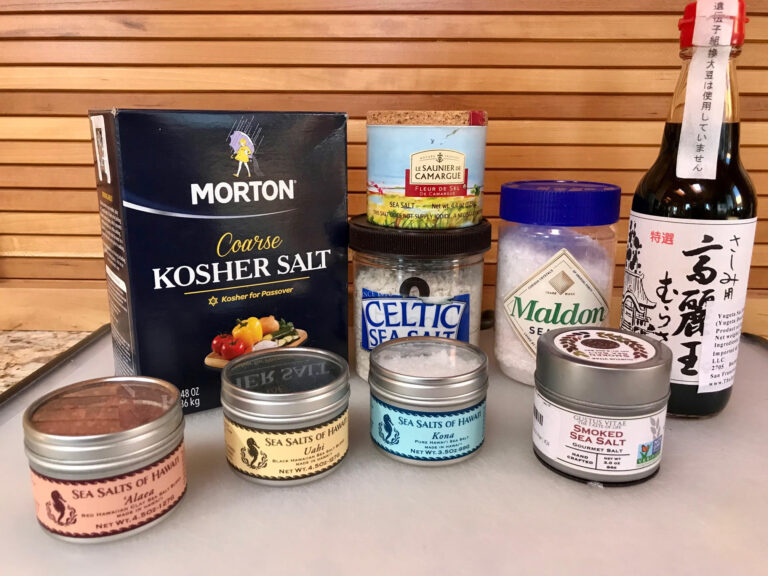
Wagyu is so rich and flavorful that it doesn’t need a sauce. Maybe just a little sea salt. But in Japan, Wagyu is usually served with one or more dipping sauces.
Traditional dipping sauces include Gyu-Dare or sesame. I recommend my Gyu-Demi, which combines traditional Gyu-Dare dipping sauce and the best sauce in the world: Demi-glace.
Light seasoning like sea salt or togarashi enhances flavor without overpowering.
Pair your Wagyu with dry sake or a rich red wine for a perfect match.

Practical Tips
- Cook every piece briefly—rare or medium- keeps it juicy.
- Rest the meat briefly before serving.
- Serve in small portions; savor each slice slow and steady.
Conclusion
Wagyu beef stands out as a true treasure of Japanese cuisine. Whether you’re enjoying Kobe beef in a fine teppanyaki restaurant in Kobe, Japan or savoring American Wagyu in your own kitchen, knowing the differences helps you make smarter choices. High marbling and careful cooking all play a part in creating that unforgettable experience. With the right cooking techniques, you can indulge in Wagyu’s melt-in-your-mouth flavor at home. Explore, taste, and enjoy this premium meat that turns every meal into a celebration.
Disclosure: As an Amazon Associate I earn from qualifying purchases. If you buy from a link on this site, I may earn a small commission from the vendor without any additional cost to you. No company pays me to say anything in particular, or to say nice things. I only stand behind products I believe in.