John Hornick — Chef’s Apprentice
Introduction
Imagine a sake brewed using techniques hundreds of years old, in a way so natural that it almost feels like a secret. Bodaimoto sake is one such brew, cherished for its history and rarity. It’s like tasting a piece of Japan’s ancient spirit, made with minimal intervention and pure tradition. This guide will uncover the story behind Bodaimoto, explain what makes it special, and help you understand its unique flavor and brewing process.
What is Bodaimoto Sake?
Definition and Origin
Bodaimoto sake is a traditional Japanese brew that dates all the way back to the 1400s. Its name can be understood as “enlightened starter,” which hints at its spiritual and cultural roots. Unlike mass-produced sakes, Bodaimoto is made with a unique fermentation starter that involves natural processes passed down through generations. This brewing method emphasizes harmony with nature and fewer additives, making each sip feel authentic and pure. See my video about Bodaimoto.
Unique Production Process
What sets Bodaimoto apart from other sake styles is its way of starting fermentation. Instead of adding chemicals or extra yeast, brewers soak steamed rice in water with uncooked rice. This creates a natural environment packed with good bacteria called lactic acid bacteria. These bacteria begin to develop on their own, helping prevent spoilage and supporting fermentation. It’s like letting nature take the lead, keeping the process low-intervention and traditional.
Ingredients and Key Components
The main ingredients are simple:
- Rice (usually polished to remove outer layers)
- Water
- Koji mold (which breaks down rice starch into sugar)
- Possibly yeast (sometimes allowed to develop naturally)
The magic lies in the environment—water soaked with rice acts as a starter that naturally develops lactic acid bacteria. This sets the stage for a slow, natural fermentation process unlike modern methods that add lactic acid at the beginning of the brewing process.
Check out my video called How Sake is Made.
Historical Background of Bodaimoto
Origins and Development
Bodaimoto’s roots reach back to the monks at Shorakuji Temple near Nara, Japan. In the 1400s, they farmed rice and brewed sake as part of their spiritual practices. Legend says they invented this method at the nearby Bodaisen Mountain, which inspired the name. It’s believed they created a sake starter that worked naturally, without relying on added acids or yeast.
Evolution and Modern Revival
Over centuries, the Bodaimoto method almost vanished. Modern breweries favored faster, more controlled techniques. But lately, some Japanese breweries, like Yucho Shuzo and Tsuji Honten, have started to revive this ancient method. They seek to bring back flavors that are richer, more natural, and true to Japan’s historical brewing traditions. This movement values lower intervention and aims for a more honest taste.
Cultural and Cultural Significance
The word “Bodaimoto” symbolizes enlightenment. It’s like awakening a long-lost tradition that connects to Japan’s spiritual past. While some stories credit monks with inventing the method, historical accounts vary, making Bodaimoto a mysterious part of sake lore. Today, it stands as a symbol of Japan’s dedication to preserving its craft and heritage.
Experience Sake Tasting in Japan
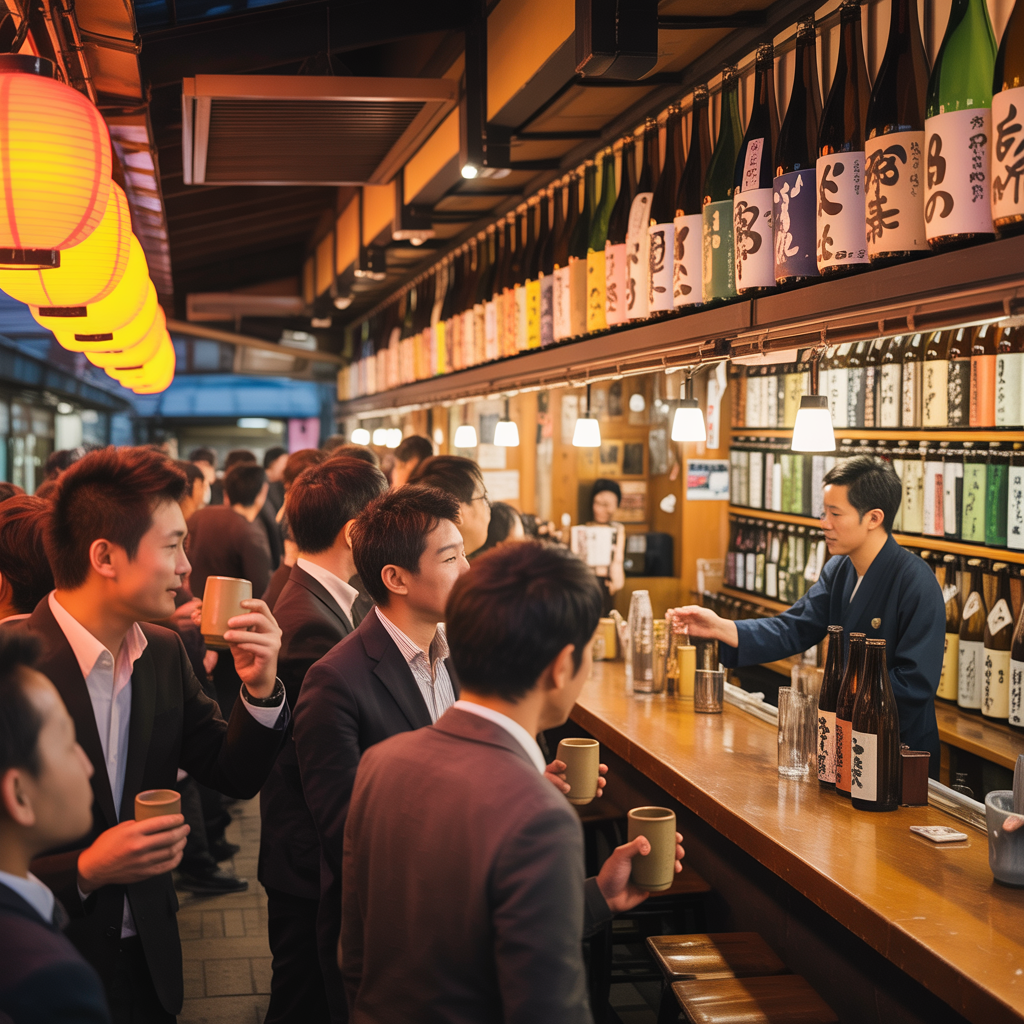
Maybe you’re heading to Japan and would like to sip Bodaimoto sake in a local bar. Maybe you love food travel and have been struggling to decide your next destination. Maybe you would like to take a sake brewery tour. Maybe you would like to hear local sake experts’ opinions on Bodaimoto. If you fall into one of these categories, CLICK HERE TO PLAN YOUR JAPAN TRIP and CLICK HERE TO BOOK JAPANESE SAKE ADVENTURES.
Characteristics and Flavor Profile of Bodaimoto Sake
What Makes Bodaimoto Sake Unique?
This brew tends to be heavier and more robust than other sake types. It often has a sweet note balanced with natural acidity. Its flavor profile is influenced by the low-intervention process, creating a richer, fuller taste that’s less refined and more authentic. Many describe it as having a slightly dense, satisfying body.
Tasting Notes and Sensory Profile
When you sip Bodaimoto sake, expect a creamy texture and a feeling of weight on your tongue. It’s not watery or thin—it has some heft. The acidity balances the sweetness, making it taste smooth and lively at the same time. You might notice faint fruity or grainy flavors, but it’s not overpowering. It’s usually served cold or cool to showcase its natural flavors.
Types and Variations
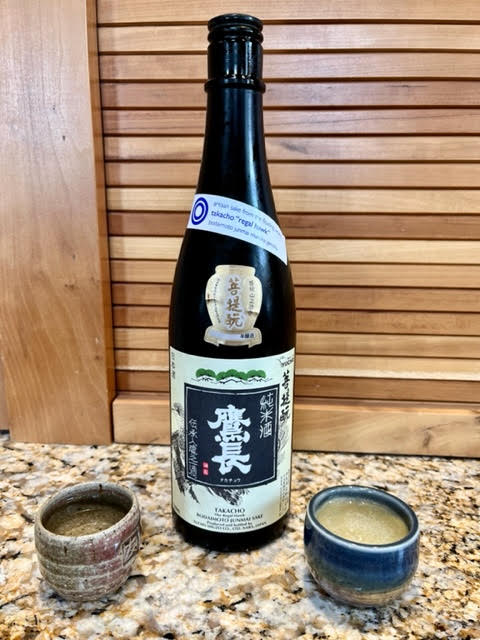
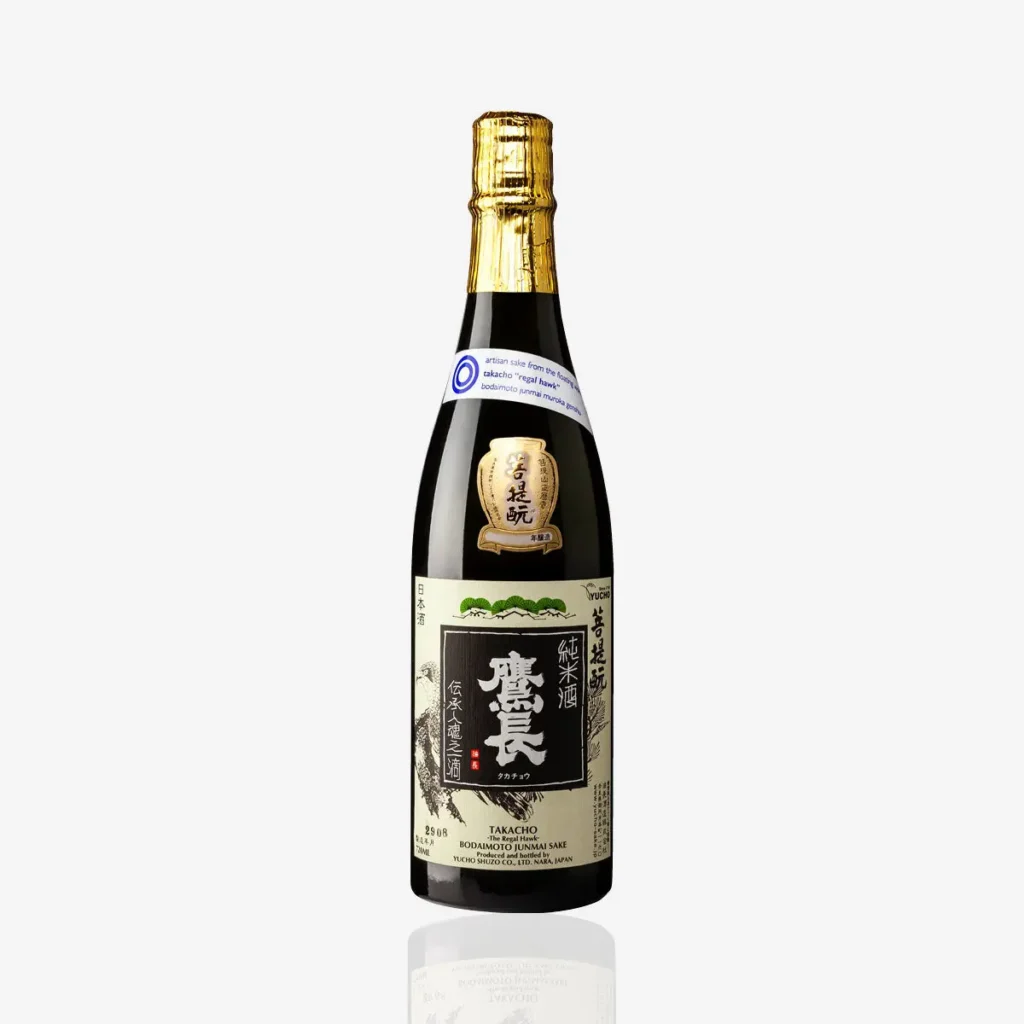
Different breweries interpret Bodaimoto differently. Some focus on traditional methods, while others experiment with modern twists. For example, Takacho Regal Hawk is a Bodaimoto sake made with Hino-hikari rice, offering a rich, complex experience. Variations may range from slightly sweeter to more tart, but all share that unmistakable natural quality.
Gozenshu “Tokuto Omachi 2.2”, which is a Junmai Daiginjo super pemium sake, is made from the grandfather of sake rice, Omachi, and it comes in a cool handcrafted box made of hinoki wood (Japanese Cypress). Omachi rice, which has a cult following, has a complex and earthy taste. Warning: This one is very expensive.
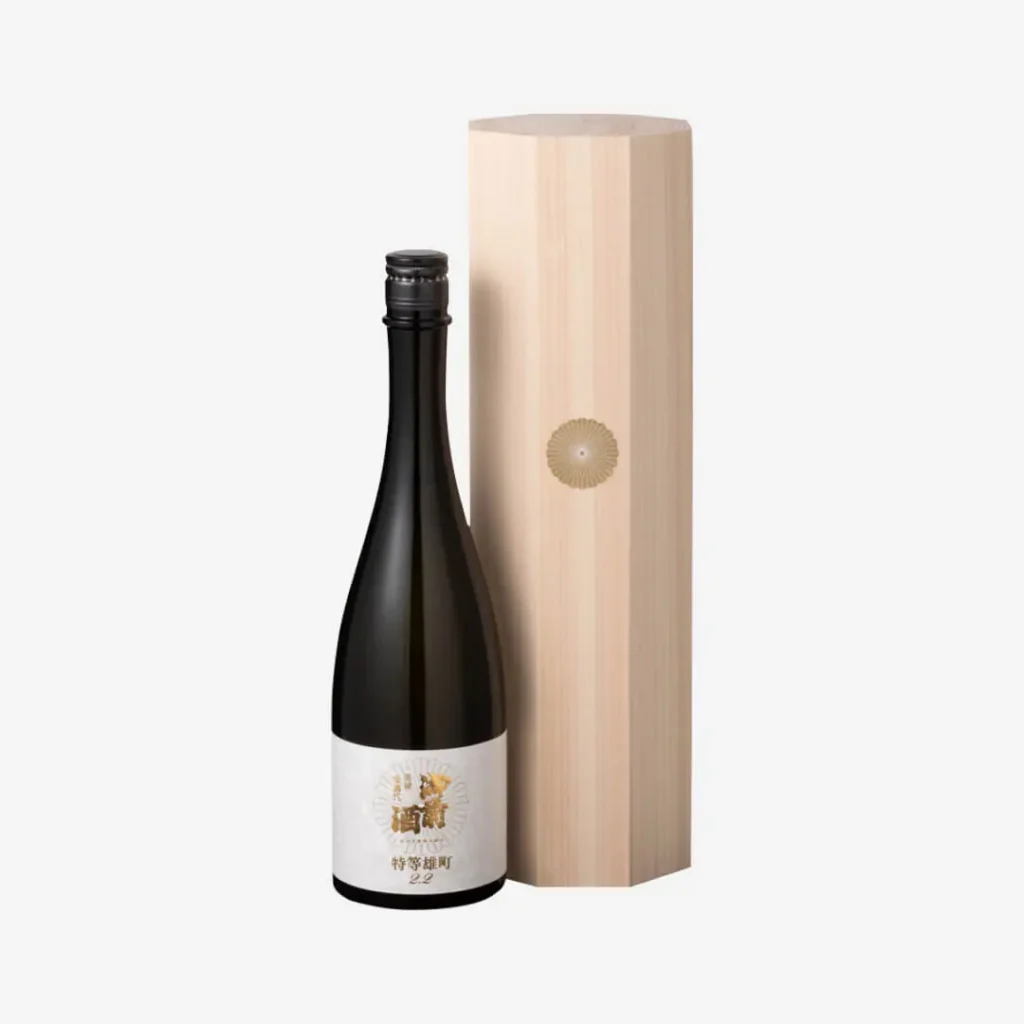
For a less expensive Omachi-rice option from the sake brewery, try Gozenshu “Bodaimoto” Nigori. Nigori is cloudy sake, which is popular in the U.S.
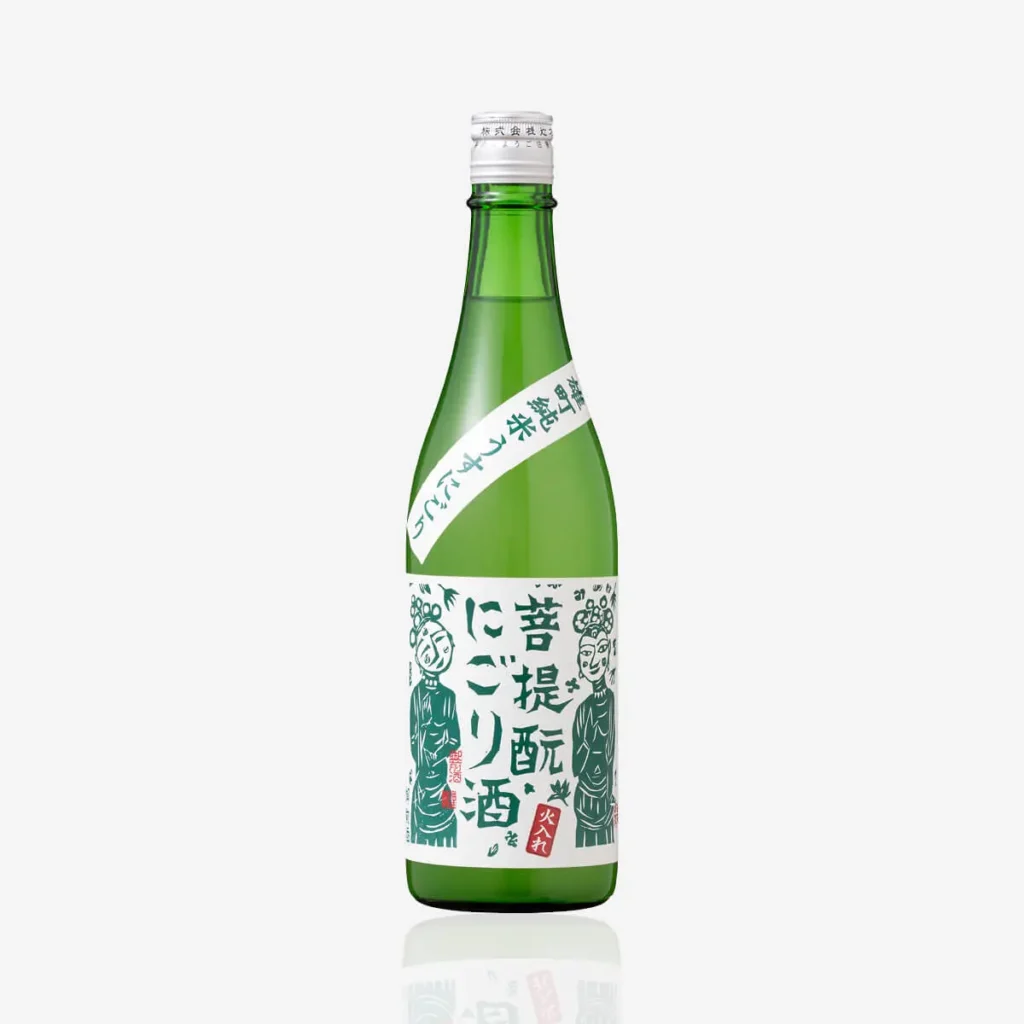
CLICK HERE for my curated list of sakes and use my one-time “CHEFSAPPRENTICE” discount code at checkout.
Key Factors and Measurements
Rice and Polishing Ratio
The rice used plays a big role. Bodaimoto sakes are made with specific varieties. Regal Hawk is made with Hino-hikari, polished to about 70%. Polishing removes the outer layers, exposing the starchy core, which influences taste and texture. Less polishing usually produces a fuller, more complex flavor. Gozenshu “Tokuto Omachi 2.2” is a Junmai Daiginjo polished to 40%, with a very refined flavor. Gozenshu “Bodaimoto” Nigori is polished to 65% and has a milky consistency. Both are made from Omachi rice.
Sake Meter Value (SMV) and Acidity
SMV measures the density of sake compared to the density of water, and can be a very rough guide to how dry or sweet sake tastes—zero is neutral, positive numbers are dry, negative are sweet. Bodaimoto sakes often have a negative SMV, indicating they may be on the sweet side. Regal Hawk is -28. But its very high acidity, 3.3 for Regal Hawk, balances this sweetness. This acidity contributes to the lively, tangy notes that some connoisseurs love. Regal Hawk is also a muroka, meaning it has not been charcoal filtered, and it’s a genshu, meaning it is undiluted.
By comparison, Gozenshu “Tokuto Omachi 2.2” has an SMV of only -3, which is close to neutral, and an acidity of 1.6, which is in line with most sakes. Gozenshu “Bodaimoto” Nigori has an SMV of -6 and a relatively high acidity of 2.2. Although perceptions of sweetness and dryness depend on the person, these SMV/acidity combinations should not taste overtly sweet or dry to you.
Serving Recommendations
Bodaimoto sake can be served at a variety of temperatures. Regal Hawk is good over ice, at room temperature, or warm. Gozenshu “Tokuto Omachi 2.2” is best served cold (but not over ice). Gozenshu “Bodaimoto” Nigori should be served either cold or warm.
Regal Hawk should pair well with spicy dishes, as the natural sweetness and acidity can cut through heat and rich flavors. Its weight and complexity also make it versatile enough for different cuisines, from Japanese to fusion dishes. Gozenshu “Tokuto Omachi 2.2” should be excellent alone, or with just about any food. Gozenshu “Bodaimoto” Nigori makes a good aperitif.
Tips for Purchasing
Seek out specialty retailers or direct from Japanese breweries focusing on tradition, such as Tsuji Honten, which makes both the Gozenshu “Tokuto Omachi 2.2” and Gozenshu “Bodaimoto” Nigori discussed here. Since Bodaimoto is rare, look for small batch or craft breweries reviving ancient techniques. Recently, more Japanese artisans are passionate about keeping this heritage alive, so exploring those options can be rewarding.
Benefits and Considerations of Bodaimoto Brew
Natural Aspects
Because it’s made with minimal additives, Bodaimoto sake tends to be cleaner and closer to nature. Its traditional method offers a purer taste experience.
Flavor and Drinkability
The richer body and complex flavors appeal to those looking for authentic sake. It feels more alive and connected to Japan’s cultural roots. Its natural ingredients mean you often get a more layered, satisfying drink.
Potential Challenges
Since it’s made with ancient techniques, Bodaimoto sake can be more expensive and harder to find. Its bold, heavier profile might not suit everyone’s palate—especially if you prefer light, crisp sakes. But for enthusiasts ready to explore history in a glass, it’s worth seeking out.
Conclusion
Bodaimoto sake isn’t just a drink; it’s a journey into Japan’s rich brewing history. Its natural, low-intervention process creates a unique flavor profile that is both weighty and refined. If you love exploring authentic, traditional beverages, seeking out Bodaimoto is a must. It offers a glimpse into what sake was like centuries ago—simple, pure, and full of soul.
Whether paired with spicy food or enjoyed on its own, Bodaimoto connects us to Japan’s ancient spirit. Keep an eye out for bottles from dedicated breweries trying to preserve this ancient craft. It’s a rare treasure waiting to be discovered.
Disclosure: As an Amazon Associate I earn from qualifying purchases. If you buy from a link on this site, I may earn a small commission from the vendor without any additional cost to you. No company pays me to say anything in particular, or to say nice things. I only stand behind products I believe in.