John Hornick — Chef’s Apprentice
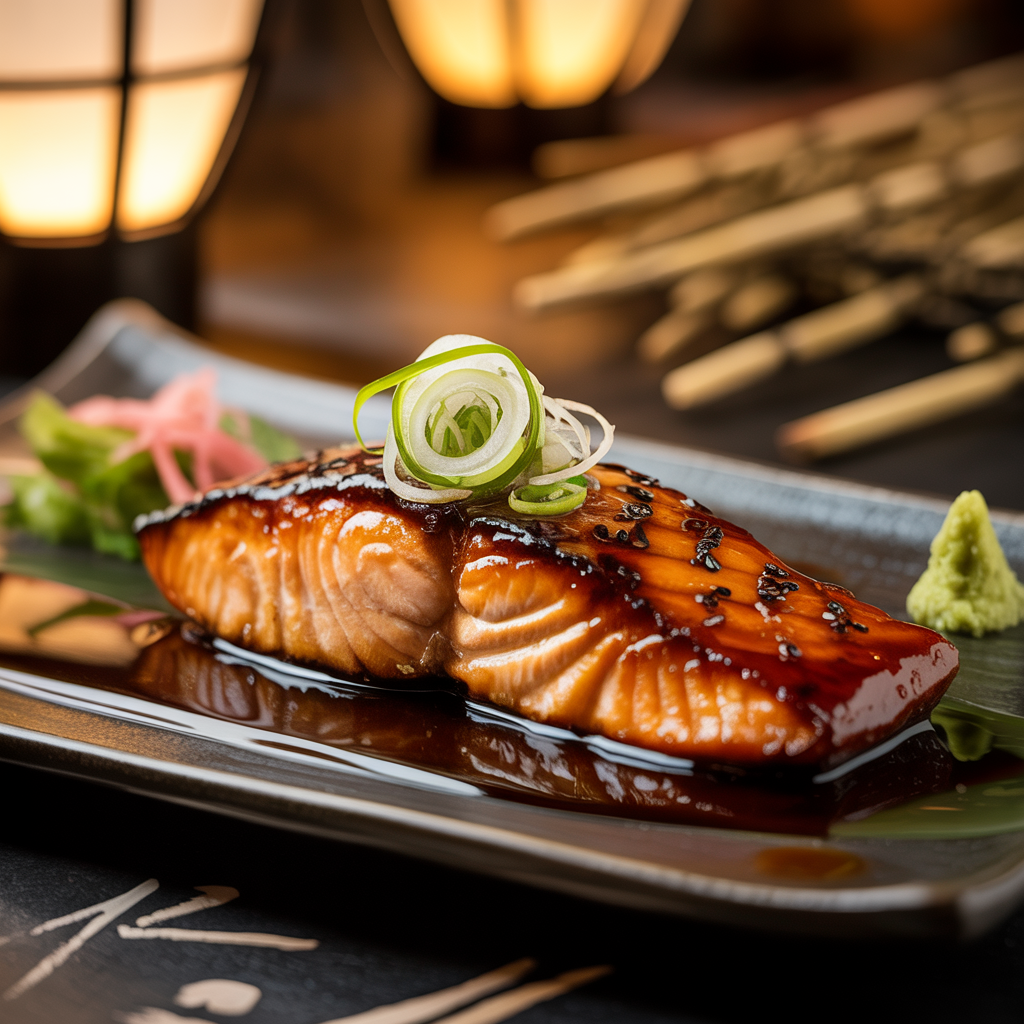
This recipe blends Japanese ingredients and techniques with a fresh twist, creating a dish that’s both elegant and surprisingly easy to make. The secret lies in the combination of sous vide-cooked Chilean Sea Bass, which is then seared and paired with spicy miso sauce. Whether you’re new to Japanese cuisine or a seasoned home chef who loves to cook Japanese, this guide will walk you through every step to achieve perfect results.
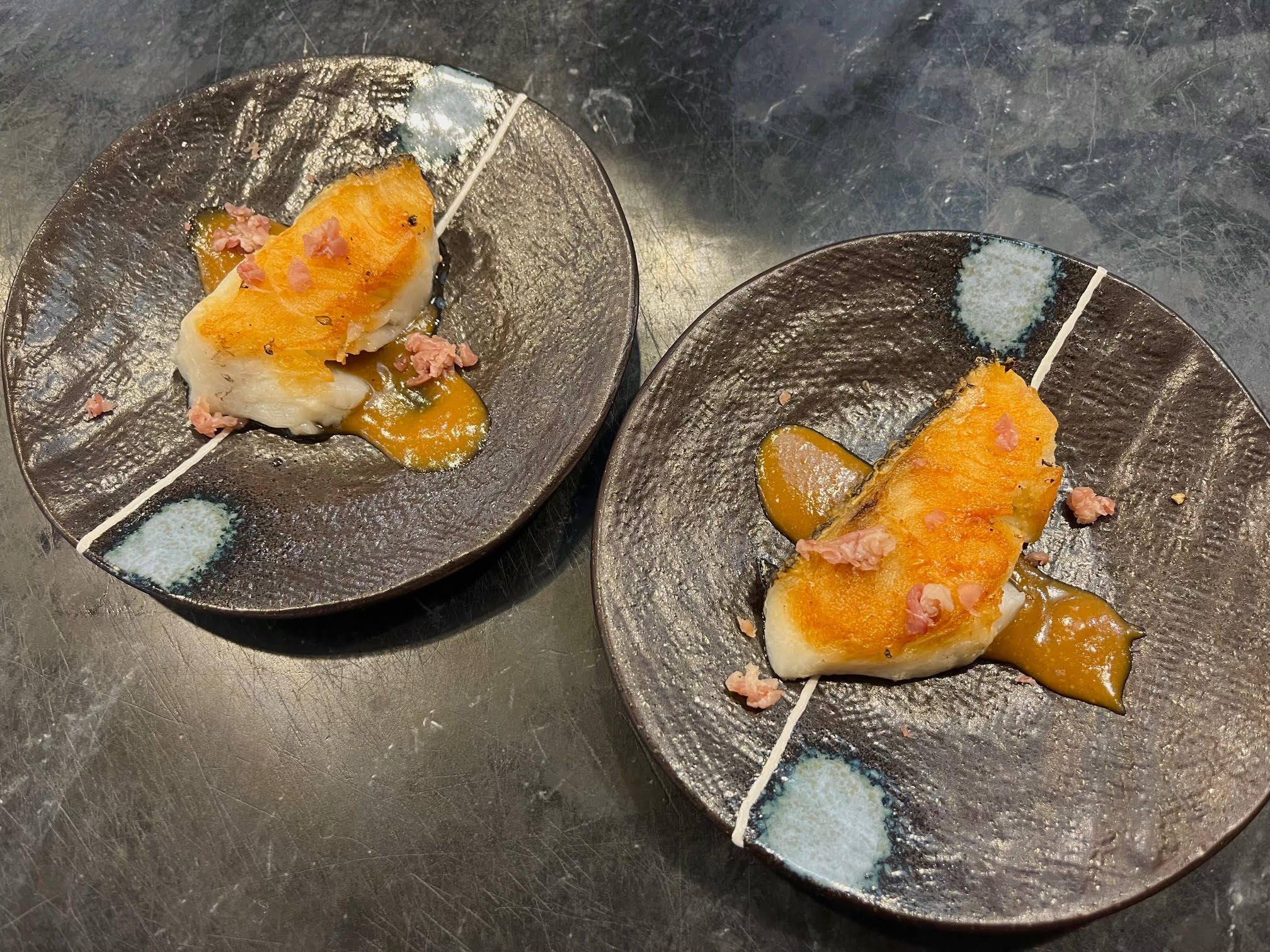
I was looking for a dish to use these sauces so I built the dish around the sauces, rather than building the dish around the fish. The combo of the fish’s crispy surface, creamy sous vide interior, and the slightly spicy colorful sauce makes a nice, tasty presentation.
I provide recommendations and links below for everything you need.
Dine on Japanese Food in Tokyo
Maybe you’re heading to Japan and would like to experience many types of Japanese food. Maybe you love food travel and have been struggling to decide your next destination. Maybe you’ve heard that Tokyo restaurants hold the highest number of Michelin stars in the world. If you fall into one of these categories, CLICK HERE TO PLAN YOUR JAPAN TRIP and CLICK HERE TO BOOK JAPANESE CULINARY ADVENTURES.
Understanding the Ingredients for Japanese-Style Seared Sea Bass
The Choice of Fish: Chilean Sea Bass and Alternatives
Chilean Sea Bass is favored here because of its rich, buttery flavor and firm texture. Its fat content helps it stay moist during both sous vide cooking and searing, making it ideal for delicate handling. Still, other fish like halibut, cod, or black sea bass can work well if you prefer. Just make sure your fish is fresh and firm.
Essential Sauces and Their Role
The star of this dish is the pair of miso and aji amarillo sauces. One is white miso (also called shiro miso), known for its mild, sweet flavor. The other is red miso, which has a deeper, saltier taste. Check out my video Miso 101.
Both sauces include Aji Amarillo. I discovered Aji Amarillo, which is a delicious but powerful Peruvian pepper paste, at a dinner at the Peruvian Ambassador’s Residence in Washington, DC.
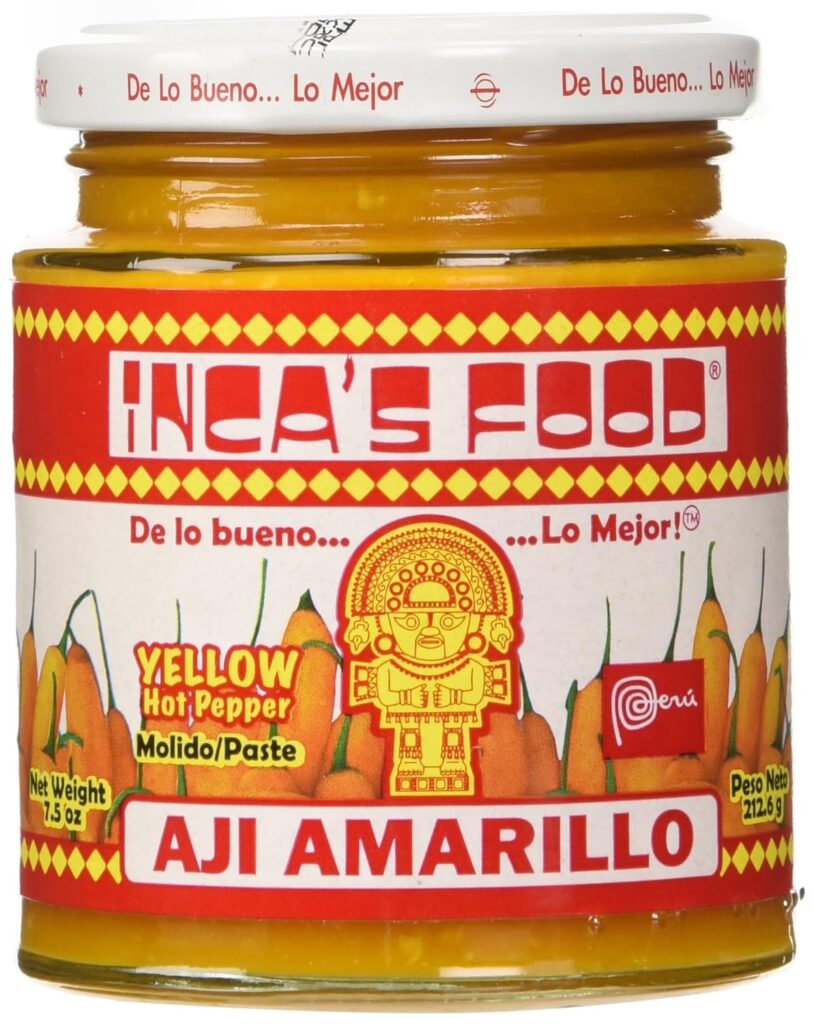
These sauces were inspired by the Aji Amarillo Sauce and White Miso Sauce by the great chef, Nobu Matsuhisa. I call my versions Nobu-ish because I use Aji in both sauces, Nobu doesn’t, and I use miso in both sauces, Nobu doesn’t. I also vary the other ingredients and technique. Either sauce makes a good marinade or glaze, but they really shine when combined. I like 2 parts White Miso Aji Sauce to 1 part Red Miso Aji Sauce, but 1:1 also works if you like more citrus. Check out my video “Nobu-ish Red Miso Aji Amarillo Sauce.”
Mixing these miso sauces creates a complex, umami-rich sauce that balances creamy and spicy notes. Using both sauces together enhances the flavor depth, making each bite more exciting.
Additional Flavor Enhancers
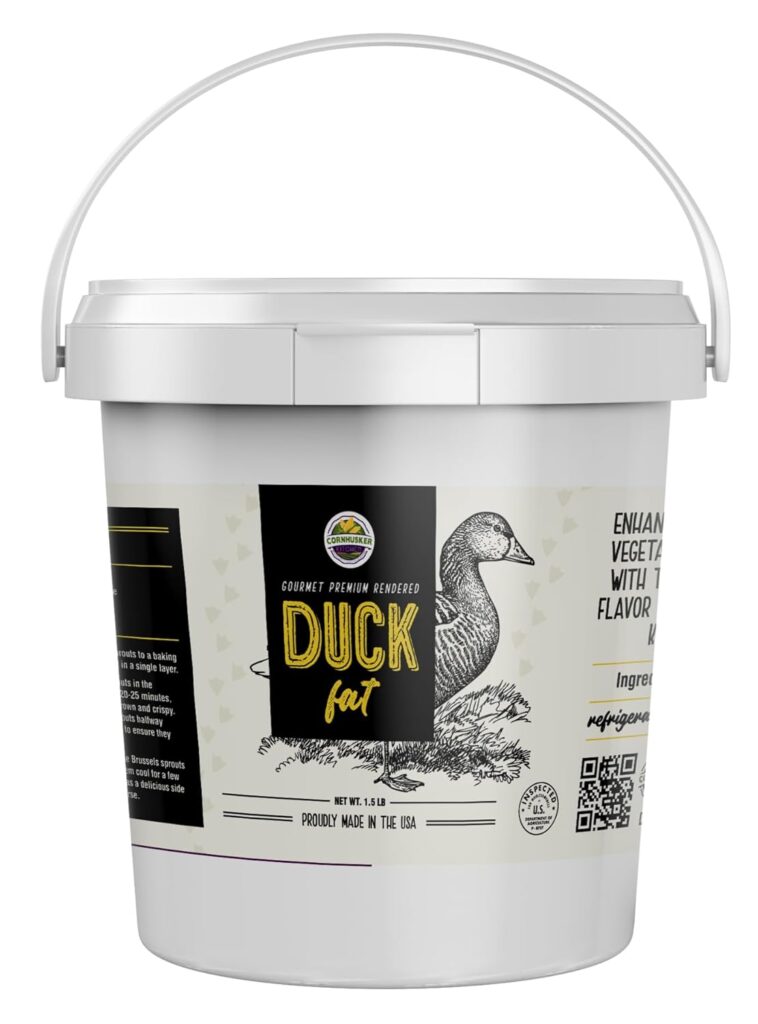
Aromatics like fresh thyme tie into the sous vide process, adding subtle herbal notes. I use Duck fat to sear the fish after sous vide because it adds richness and creates a beautifully crispy crust. Believe it or not, duck fat is also healthier than some other fats. Finally, garnish with a sprinkle of chopped prosciutto, elevates both presentation and flavor.
Step-by-Step Cooking Guide
Make the Miso Sauces
You can either prepare the sauces in advance or while the fish cooks. Mix twice as much White Miso Aji Amarillo Sauce with half that amount of Red Miso Aji Amarillo Sauce (2:1 ratio). Blend until smooth. The combination brings a creamy and slightly sweet yet spicy flavor, which pairs perfectly with the fish. You can add a little water if you want a slightly thinner sauce. Taste-test to adjust the balance if needed.
Preparing to Sous Vide the Sea Bass
First, you’ll need a sous vide device — I recommend the Anova, but any quality model will do. Set it to 140°F (60°C). Keeping the temperature steady results in perfectly cooked fish that’s tender inside and moist.
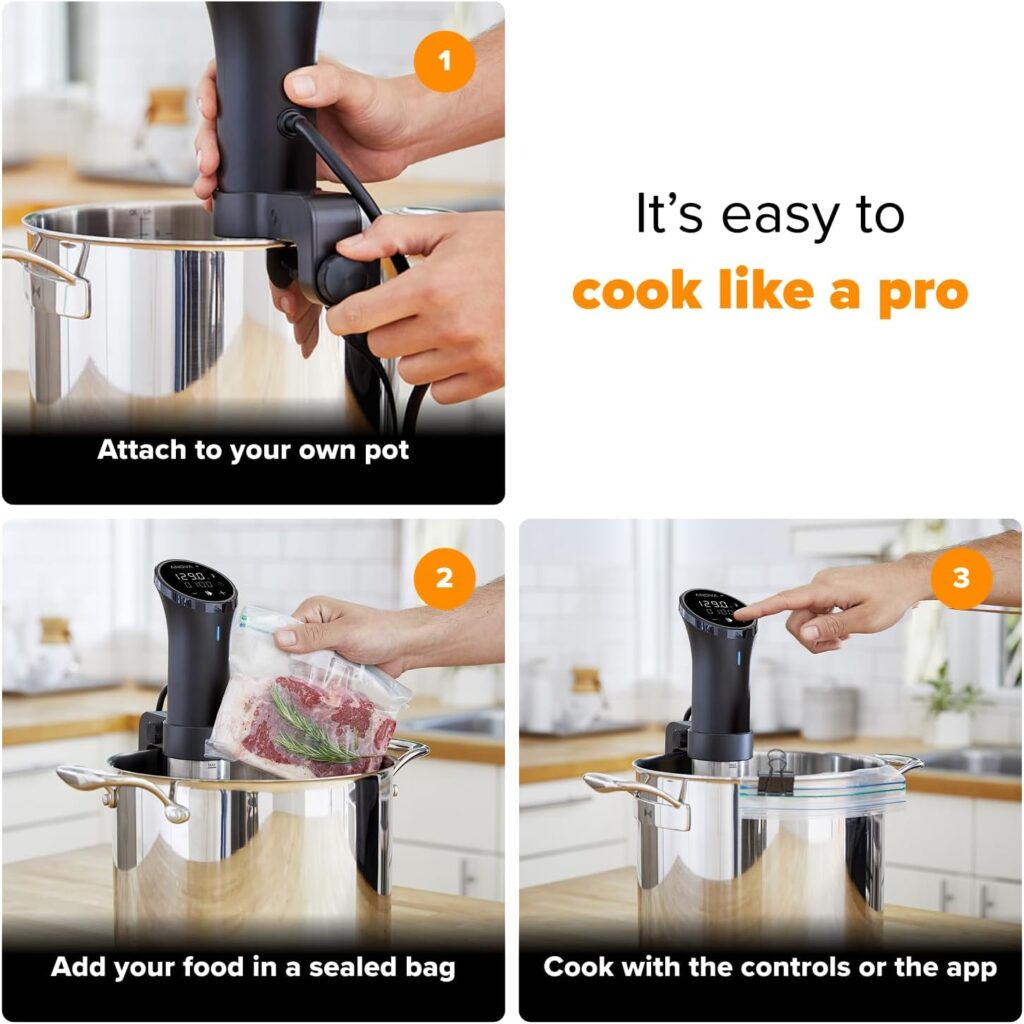
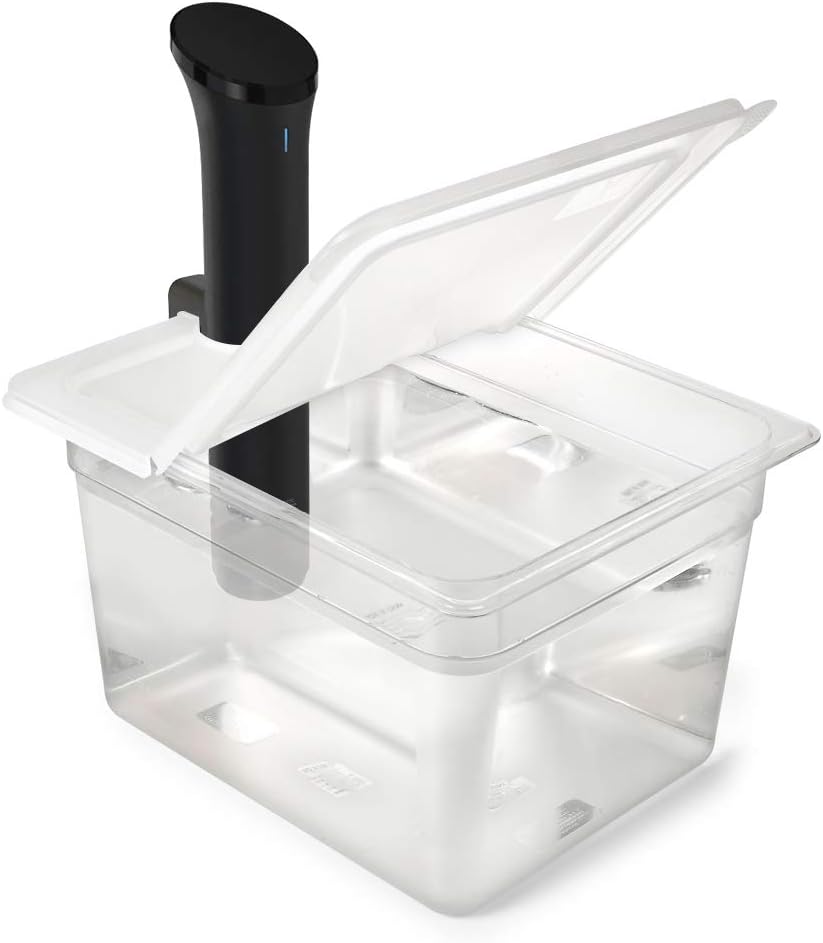
You will also need a sous vide basin and, ideally, clips to hold the bag in place.. You can use a stock pot covered with foil, but a purpose-made basin is better because it has a lid with a hole cut for the sous vide device. This reduces evaporation, helps keep the water bath at the constant desired temperature, and reduces the need to replenish the water.
To prepare the fish, cut it into portions you want, leaving the skin on if possible. Season with a pinch of salt and pepper, then add a sprig of thyme. Place everything into a vacuum bag. I use the OutOfAir brand bags, which are heavy duty and come in pre-made sizes or rolls.

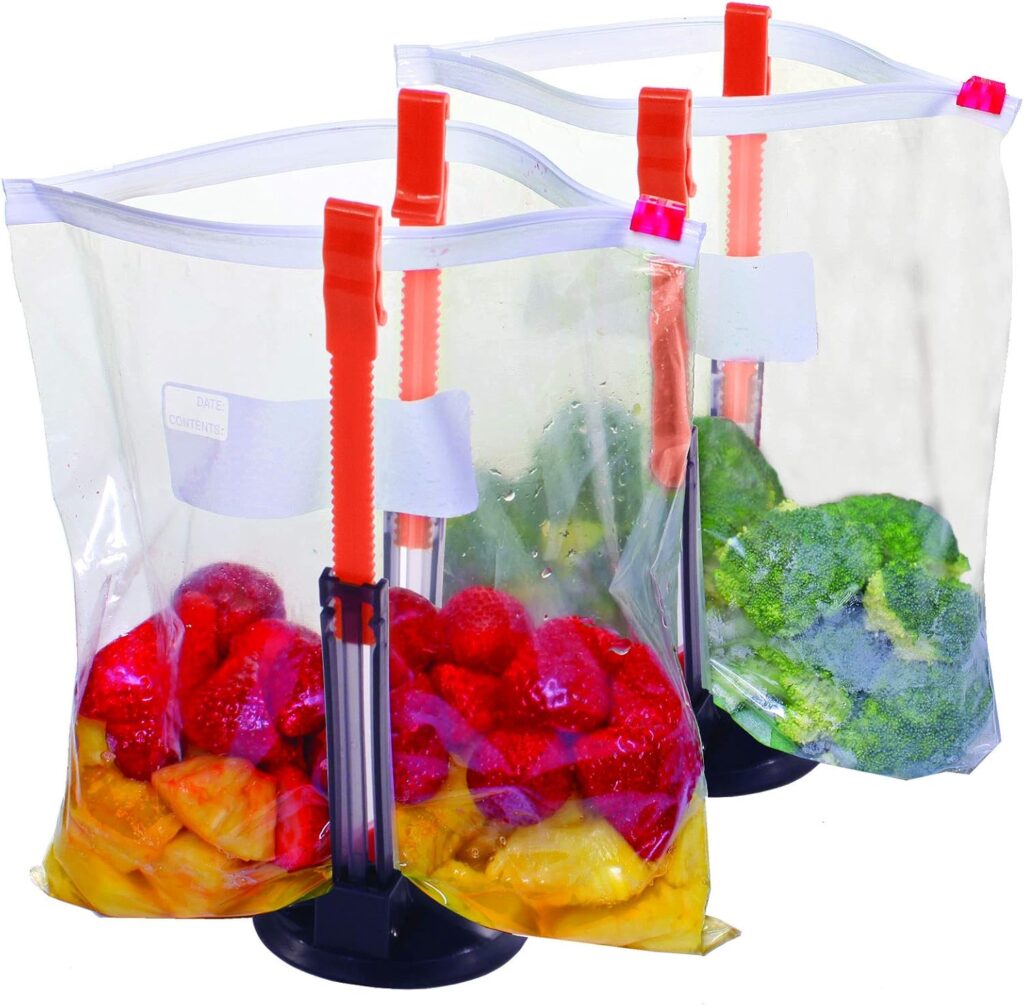
To get your ingredients into the bag without a mess, use the Jokari bag filler. As I’ve said in many of my videos, this clever device should be awarded the Nobel Prize in Bag Filling Technology. If there is no such category, they should create one and award it for this product.
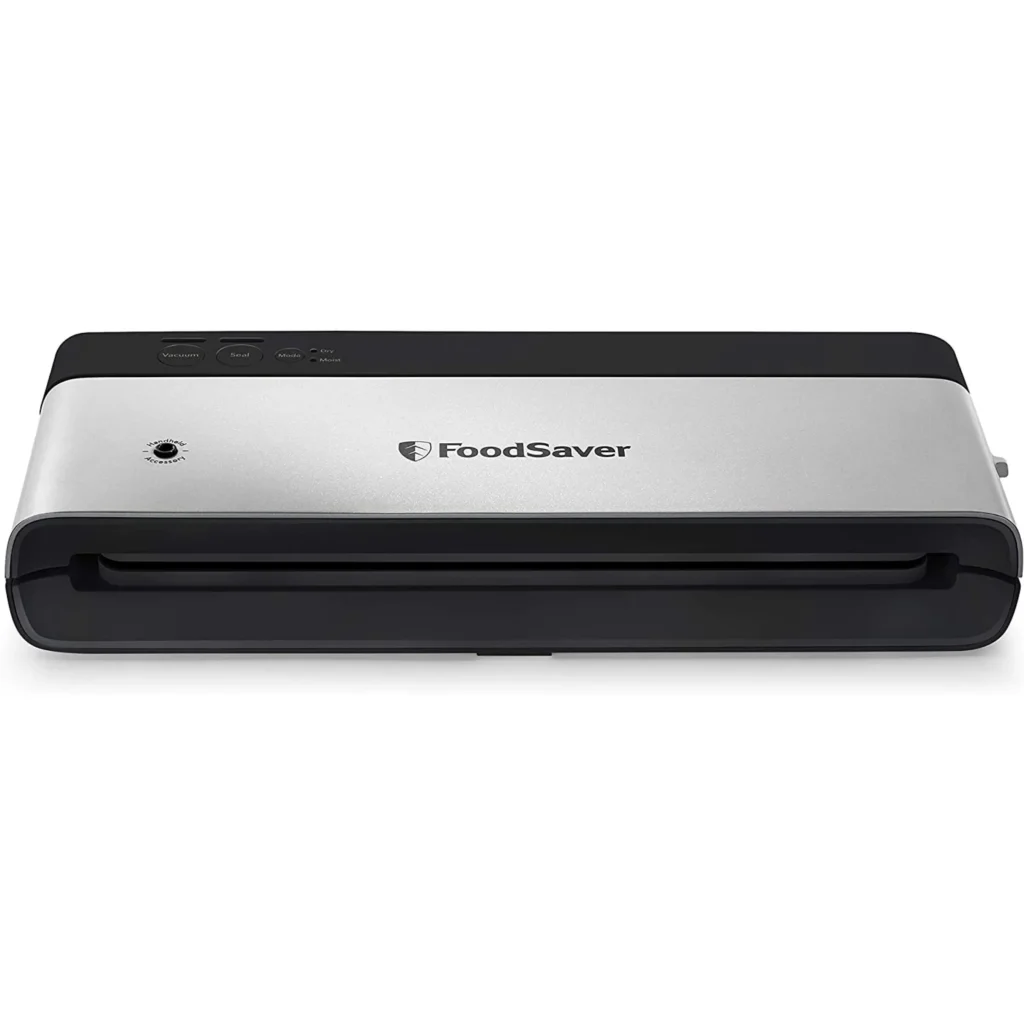
Now, seal the bag with a vacuum sealer. I have been using the FoodSaver brand for many years.
Drop the bag into the water bath, clip it in place, close the lid, and cook for 40 minutes. The low, slow heat ensures the fish stays delicate yet cooked through.
Pan-Searing the Sea Bass
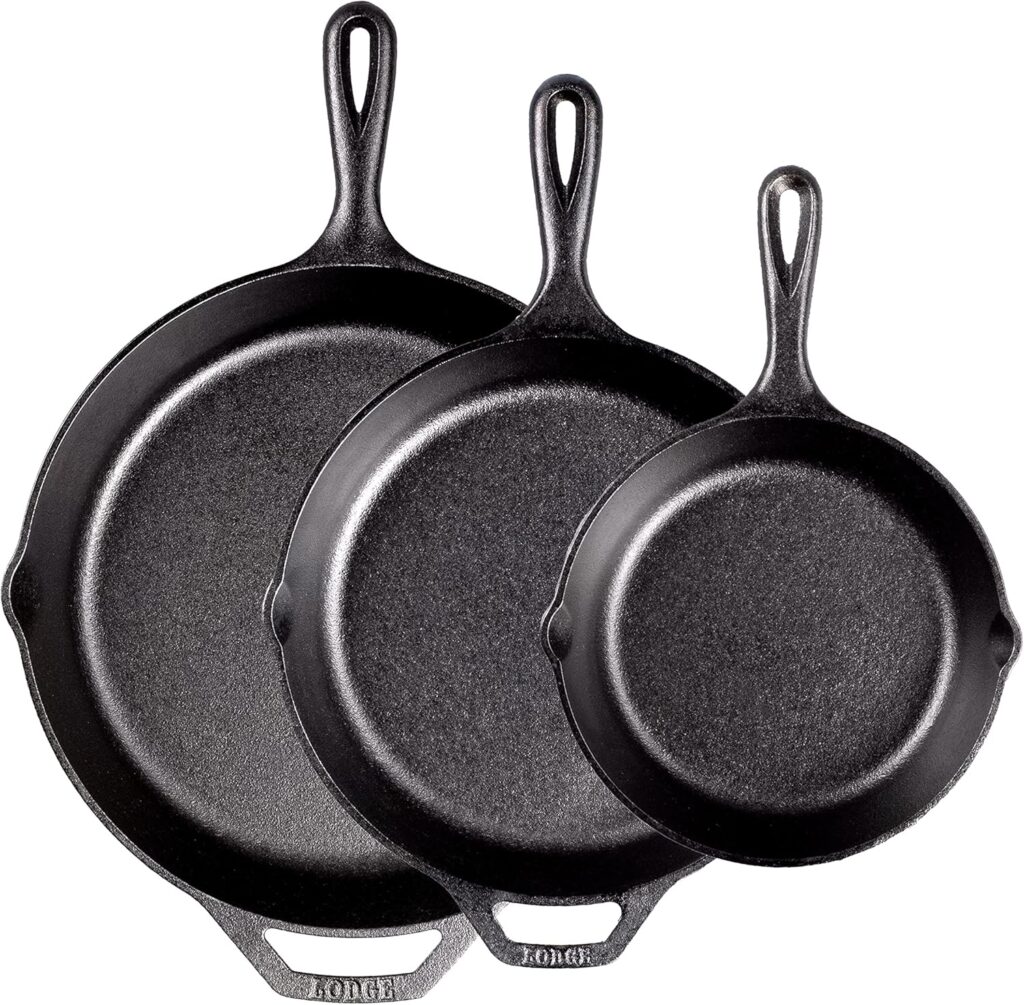
Once the fish is done, get your duck fat hot — just till it starts to give off tiny whiffs of smoke. Gently place the sous vide fish into the pan, preferably skin-side down. Be careful — the oil will splatter and you don’t want the fish to fall apart. Season the fish once in the pan with a little more salt and pepper for extra flavor. Sear for about 2-3 minutes until the surface turns a golden brown and develops a crispy crust. I usually use a cast iron pan. I like the Lodge brand, which is made in the U.S.A. Avoid flipping too early; let it naturally release from the pan to prevent tearing and leaving the beautiful browned surface of the fish stuck to the pan. Use a fish spatula if you have one, which make turning fish easier. This is my preferred metal spatula for almost everything.
Plating and Presentation
Streak a line of sauce across your serving plate. For a striking look, place the fish seared side up, perpendicular to the sauce streak on the plate. Garnish with chopped prosciutto . This style of plating makes the dish look as good as it tastes. But feel free to experiment with artistic plating.
Expert Tips and Common Mistakes to Avoid
- Invest in good-quality fish — freshness makes all the difference.
- Use a thermometer to monitor the temperature during sous vide. A degree or two won’t make much difference, but you don’t want the temperature to be way too low or high (5 degrees or more).
- Don’t rush the searing process; patience helps develop that perfect crust.
- Play with sauce proportions to find your perfect flavor balance..
- Make sure your pan is hot enough before adding the fish to avoid sticking or uneven browning.
- Rest your fish briefly after searing to let the juices redistribute.
Nutritional Insights and Benefits
Chilean Sea Bass offers healthy omega-3 fatty acids and high-quality protein. The miso sauces contain probiotics and antioxidants. Cooking via sous vide preserves nutrients better than high-heat methods. Combining these benefits creates a well-rounded dish that’s satisfying and nourishing.
Conclusion
This Japanese-inspired seared Sea Bass showcases how a few simple techniques can elevate fish to extraordinary heights. Combining the foolproof sous vide cooking process with a crispy crust and vibrant miso sauces results in a dish that’s full of flavor and stunning in presentation. With some practice, you’ll be amazed how easily you can bring restaurant-style dishes into your own dining room. Keep experimenting with flavors and techniques—you might just discover your new favorite recipe.
Disclosure: As an Amazon Associate I earn from qualifying purchases. If you buy from a link on this site, I may earn a small commission from the vendor without any additional cost to you. No company pays me to say anything in particular, or to say nice things. I only stand behind products I believe in.
Sauce Ingredients & Step-By-Step
Sauces preparation time: 15-20 minutes
Red Miso Aji Amarillo Sauce
Ingredients
- 2 Tb. Aji Amarillo
- 1/2 cup brown rice vinegar
- 2 Tb. Lemon juice, freshly squeezed
- 2 tsp. Lime juice, freshly squeezed
- 1/4 cup neutral (oil) (such as canola)
- 2 Tb. red miso
Step-By-Step
- 1. Mix all but the oil.
- 2. Emulsify the oil into the mixed ingredients.
- 3. Add the miso
White Miso Aji Amarillo Sauce
Ingredients
- 3 Tb. neutral to dry sake
- 3 Tb. mirin (wihout high fructose corn syrup)
- 1/2 cup white miso
- 3 Tb. White sugar
- 1 Tb. Japanese black sugar (or American brown sugar)
- 1 Tb. Aji Amarillo
Step-By-Step
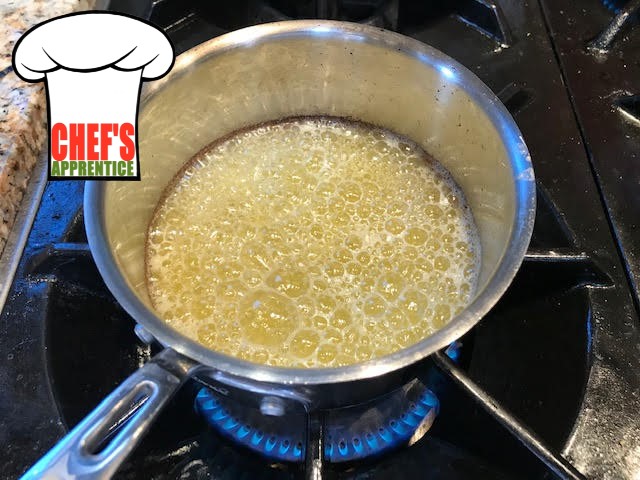
- 1. Bring to a boil (but don’t boil) sake and mirin, then boil gently for about 30 seconds to burn off the alcohol. Don’t reduce the volume of liquid.
- 2. Reduce heat to medium and add miso.
- 3. After miso is dissolved, add sugar and aji; stir to dissolve.
Fish Ingredients & Step-By-Step
Serves 6 as a small plate
Preparation Time: about 70-90 minutes
Ingredients:
- About 1 lb. Chilean Sea Bass, skin on, cut into 6 equal weight pieces
- Several sprigs of thyme, fresh
- About 2 Tb. duck fat
- ¼ cup Nobu-ish White Miso Aji Amarillo Sauce
- 2 Tb. Nobu-ish Red Miso Aji Amarillo Sauce
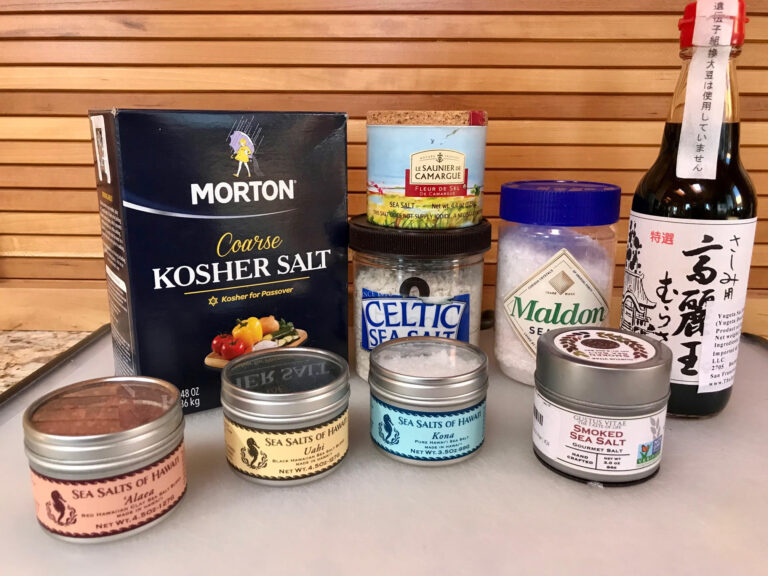
- Kosher salt or sea salt
- Peppermill
- About 3 Tb. prosciutto, chopped
Step-By-Step
- 1. Heat sous vide device to 140F
- 2. Vacuum seal fish with thyme
- 3. Cook fish sous vide 40 minutes
- 4. Mix the sauces (Preferred mix of the two sauces: 2 parts white to 1 part red)
- 5. Heat duck fat
- 6. Season and pan-sear fish on one side until it releases; it should be golden and crispy (be careful, the fish may fall apart easily)
- 7. While fish cooks, streak the sauce across the plates
- 8. Place the fish on the sauce, perpendicularly
- 9. Garnish with prosciutto