John Hornick — Chef’s Apprentice
Most good cooking knives are made of one of two materials: stainless steel or carbon steel. Each has its unique pros and cons. Deciding between them isn’t always easy. Your choice depends on your needs and how you cook.
This guide breaks down both blade materials. We’ll look at their properties, what makes them great, and what their downsides are. By the end, you’ll know exactly which type of kitchen knife is right for you.
Understanding Stainless Steel Knives
Many kitchen knives you see in stores are made from stainless steel. It’s a very common choice for cooking knives worldwide. This material has properties that make it a favorite for many cooks.
What is Stainless Steel?
Stainless steel is an iron alloy. What makes it “stainless” is the added chromium. This chromium content helps prevent rust. These rust-resistant blades make cleanup easier. The amount of carbon and other elements also affects the blade’s strength and how well it holds an edge.
Pros of Stainless Steel Knives
Choosing stainless steel cooking knives brings many benefits. They offer great convenience in the kitchen.
- Corrosion Resistance: Stainless steel blades fight off rust and stains very well. You don’t have to worry much about moisture or acidic foods like tomatoes causing damage. This makes them ideal for most kitchens.
- Ease of Maintenance: These knives are simple to care for. A quick hand wash with mild soap and drying is usually all they need. They don’t demand immediate drying.
- Durability: Many stainless steel knives are tough. They resist chipping and breaking from everyday use. This makes them reliable kitchen tools.
- Availability and Cost: You can find stainless steel kitchen knives almost anywhere. From grocery stores to specialty shops, they are common. Often, they come at a more affordable price than high-end carbon steel options.
Cons of Stainless Steel Knives
While stainless steel offers great advantages, it does have some downsides. These drawbacks lead some chefs to look for different blade materials.
- Edge Retention: Many stainless steel blades don’t hold an edge as well as carbon steel. This means you might need to sharpen them more often.
- Hardness vs. Toughness Trade-off: To make stainless steel harder, it can sometimes become more brittle. This means a very hard stainless blade might chip if you drop it or hit bone. It’s a delicate balance.
- Less “Sharpness Potential”: Stainless steel knives can’t get as truly razor-sharp as carbon steel. While they get sharp enough for most tasks, they may not reach that ultimate fine edge loved by pros.
My Stainless Steel Knife Choices
I have been using the same set of Wusthof cooking knives since I went to cooking school in the 1990s. As my teaching chef said, “take good care of them and they will last a lifetime.” That’s true.
The four most important cooking knives are the chef’s knife, slicer, boning/fileting knife, and paring knife. See my Kitchen Knives YouTube video, my Essential Kitchen Knives: The Ultimate Guide for Home Chefs, and my Expert Guide to Equipping Your Kitchen to Cook Almost Anything.
There are many good brands, but I swear by Wusthof.
If you are looking for a good stainless steel chef’s knife, which is the kitchen workhorse, this Wusthof knife is a great choice.

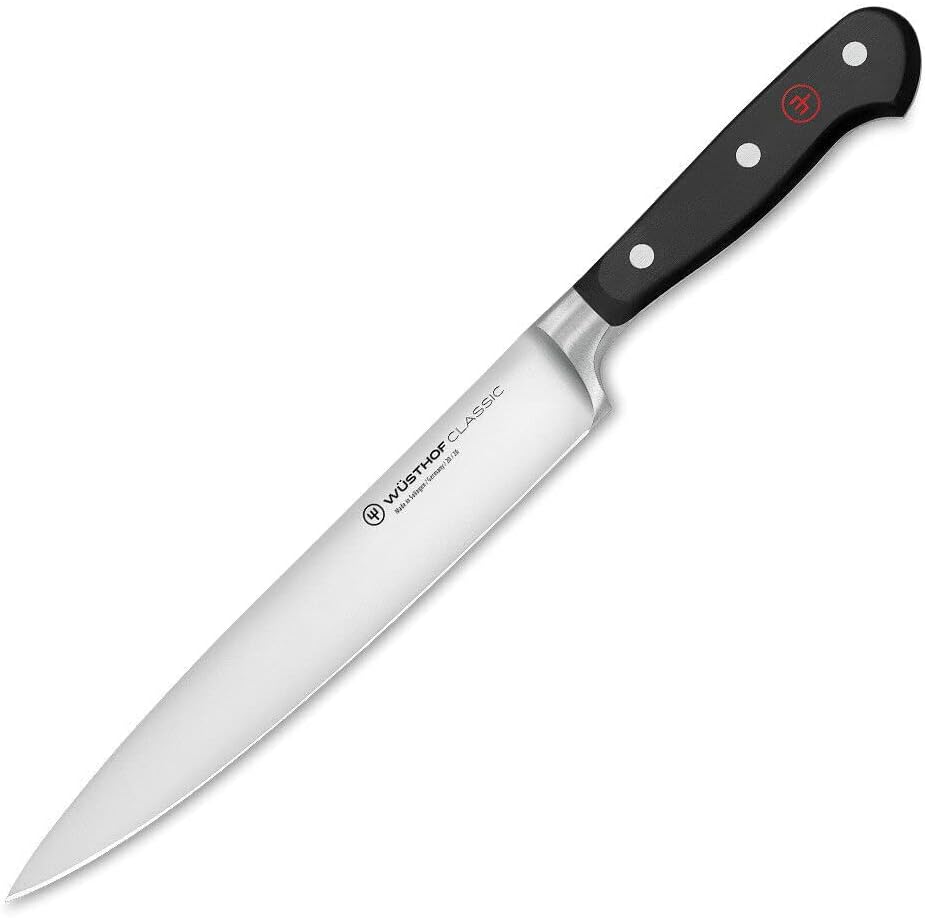
For a stainless steel slicer, I recommend this Wusthof 8″ model.
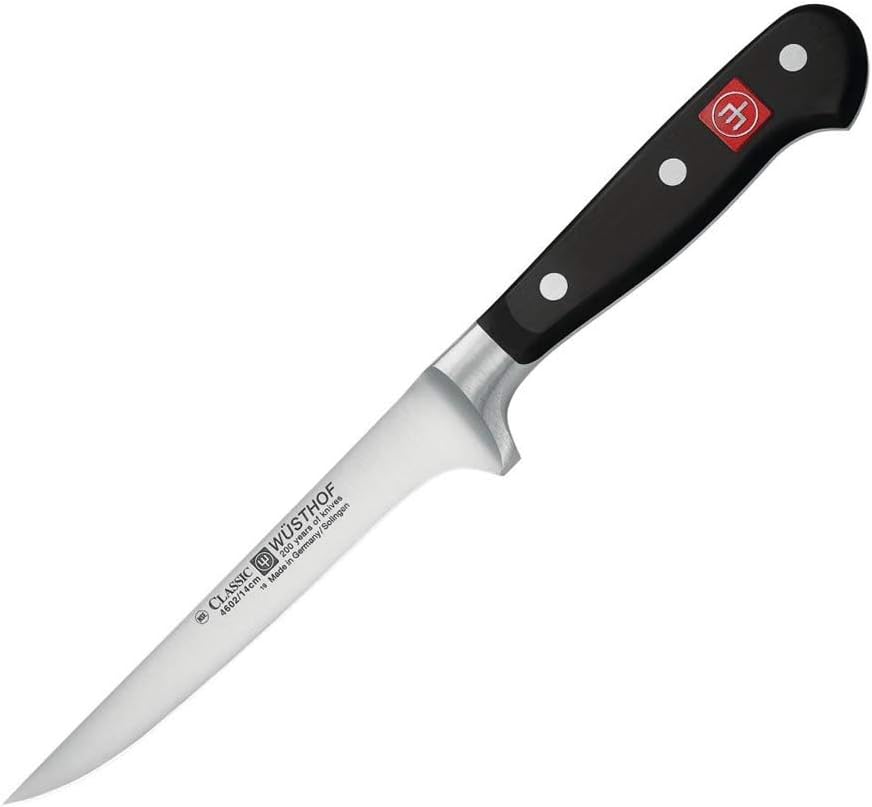
This Wusthof stainless steel fileting knife will making deboning a breeze.
This Wusthof stainless steel paring knife is a great kitchen utility player.

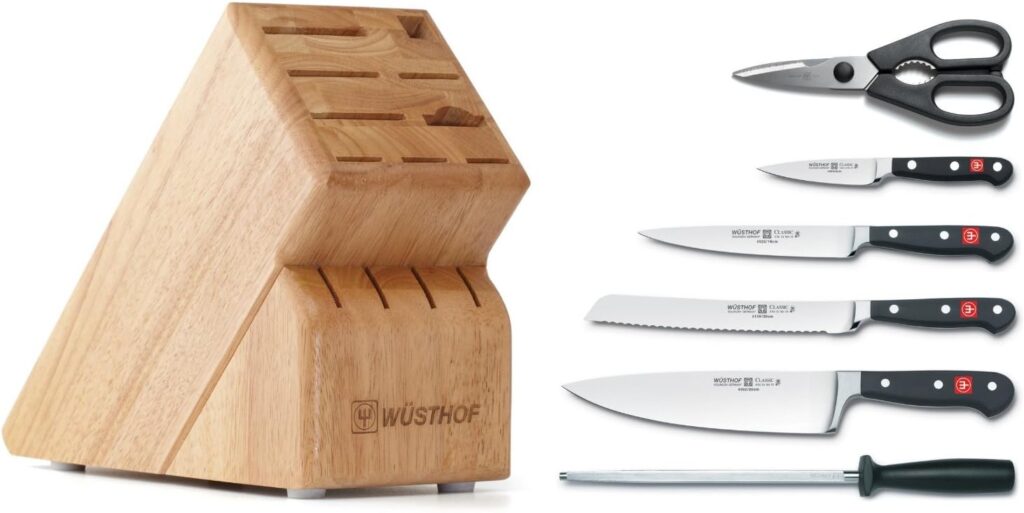
If you are looking for an entire set, this one comes with a knife block.
Exploring Carbon Steel Knives
Carbon steel knives have a long history. Many experienced chefs and knife enthusiasts prefer them. They offer a very different feel and performance in the kitchen.
What is Carbon Steel?
Carbon steel is an iron alloy, too. But it has a higher carbon content than stainless steel, which is the key to its amazing sharpness. The lack of chromium means these blades are not rust-resistant. Understanding carbon steel properties is important for proper care. These blade steel alloys are known for their ability to take a super fine edge.
Pros of Carbon Steel Knives
Carbon steel knives are favorites for their top-notch performance. They bring a different kind of joy to cooking tasks.
- Exceptional Sharpness: Carbon steel can achieve an incredibly fine, sharp edge. This makes slicing, dicing, and chopping feel effortless. It glides through ingredients with precision. My carbon steel chef’s knife gets scary sharp.
- Superior Edge Retention: These knives often stay sharper for much longer than most stainless steel knives. You can rely on a consistent sharp edge.
- Ease of Sharpening: Many people find carbon steel easier to sharpen to a keen edge. Its microstructure lets you restore a razor-sharpness with less effort on a whetstone. It responds well to honing, too.
- “Patina” Development: Carbon steel blades develop a unique dark coating over time. This patina is a natural oxidation process. It actually helps protect the blade from rust and gives it a distinct look. Chefs often cherish this personal mark on their tools.
Cons of Carbon Steel Knives
While carbon steel knives excel in sharpness, they demand more attention. Their downsides are important to understand before you buy one.
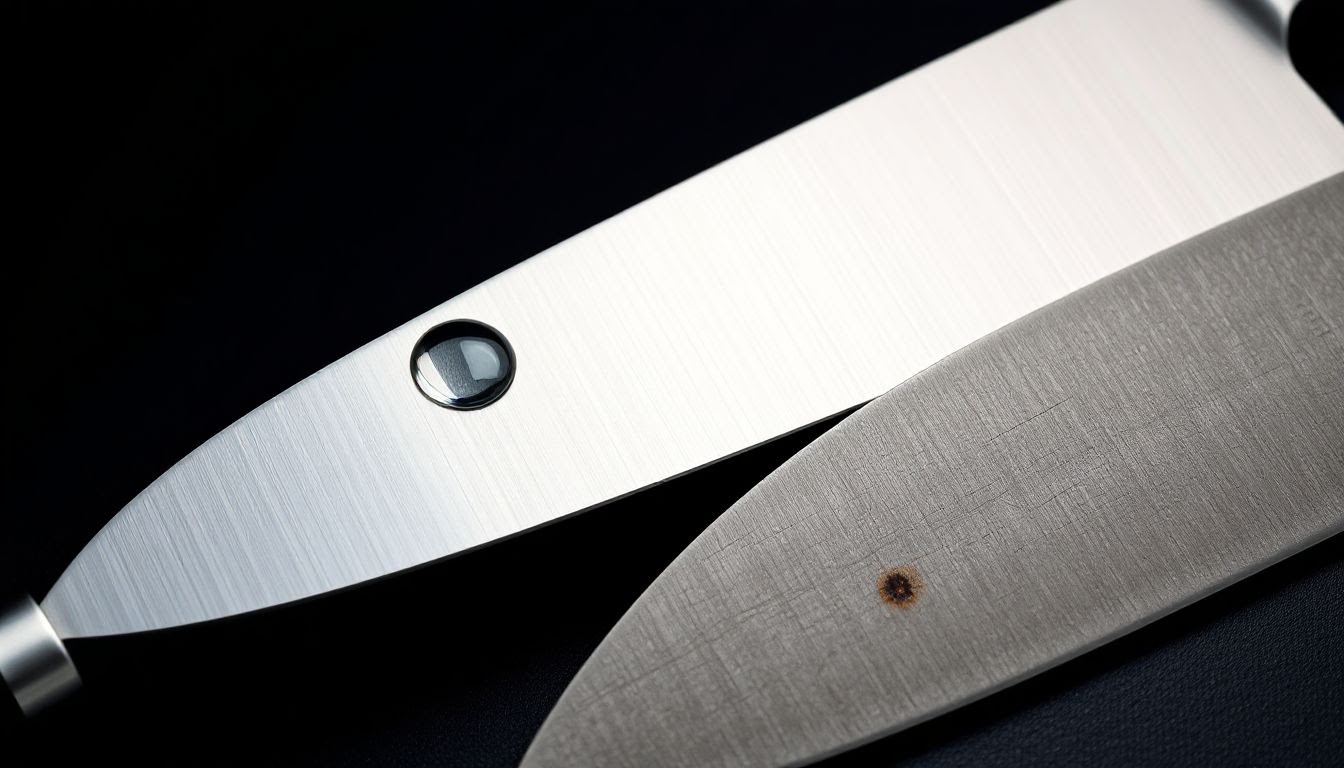
- Susceptibility to Rust and Corrosion: This is the biggest drawback. Carbon steel will rust if you don’t dry it immediately after use. Moisture and acids from food are its enemies. It needs careful and quick cleaning.
- Staining and Discoloration: Acidic foods like onions (especially red onions), lemons, or tomatoes can cause immediate discoloration and staining. This isn’t harmful, but it changes the blade’s look. The blade might turn grey or blue after cutting these items. Removing the stain can be difficult.
- Higher Maintenance Requirements: Carbon steel needs constant care. You must hand wash it right away. Then, dry it fully. Many cooks oil the blade now and then with food-grade mineral oil. This routine helps stop rust.
- Potential for Brittleness: Some very hard carbon steels can be brittle. This means they might chip if dropped or used roughly. You need to be a bit more careful with them than with tougher stainless steel blades.
My Carbon Steel Knife Choices
There are many choices of carbon steel knives, many of which are Japanese or Japanese style. I have recommended some reasonably priced entry-level carbon steel knives.
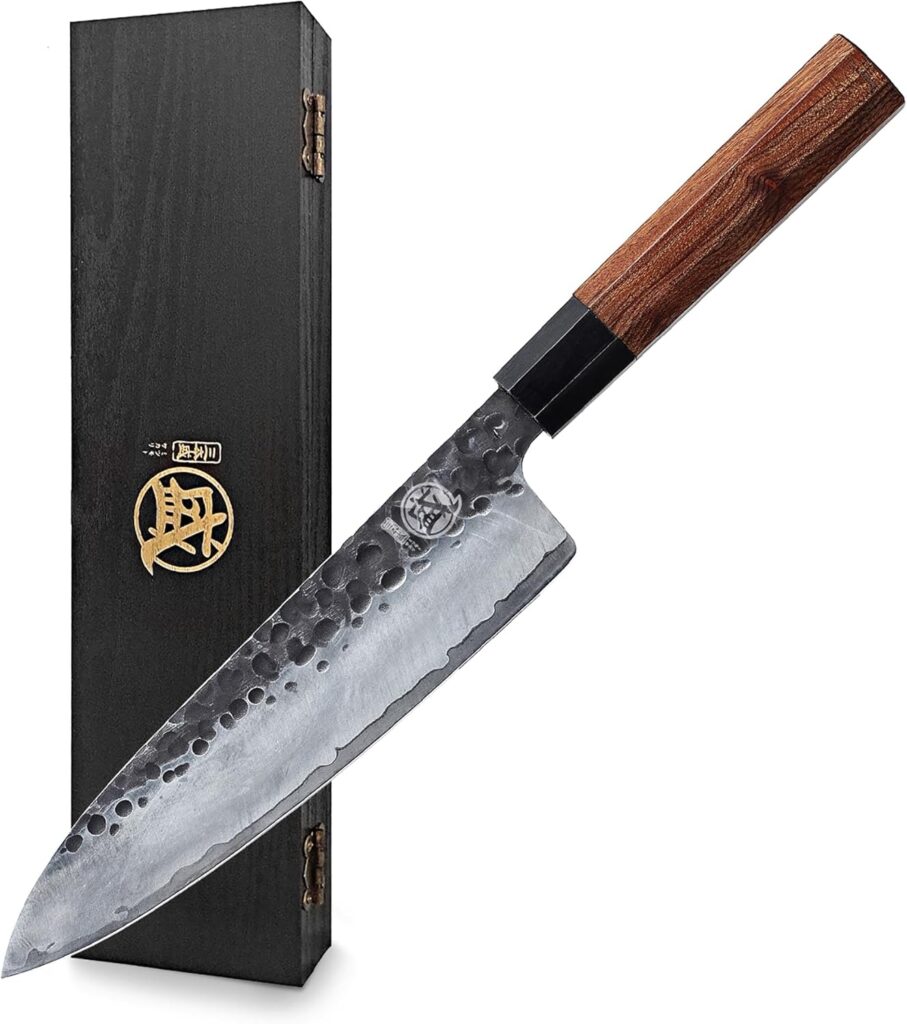
This knife by Mitsumoto Sakari is both beautiful and functional. Known in Japanese as a Gyuto, this hand-forged and hammered chef’s knife has three layers of high carbon steel and a Rosewood handle.
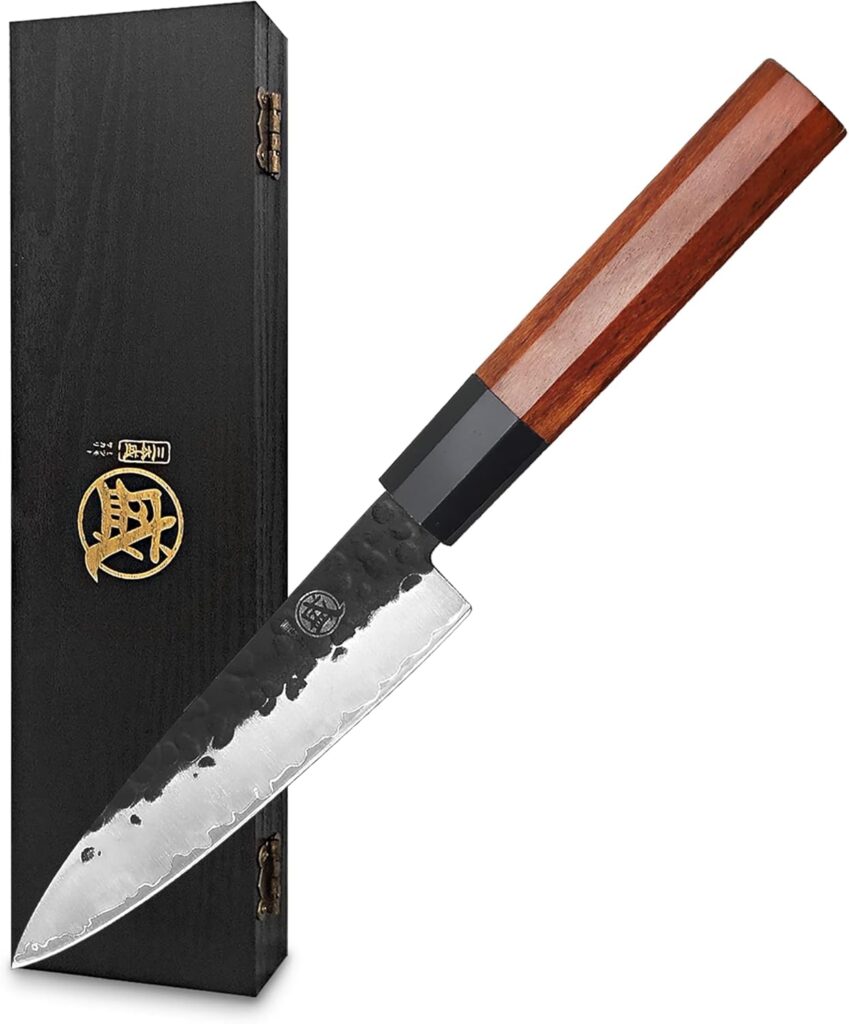
The same company makes a carbon steel paring knife with three layers of high carbon steel and a Rosewood handle.
This Mercer Culinary slicer, known in Japanese as a Sujuhiki, has two layers of high carbon steel and a stainless steel core. But don’t let the stainless steel core fool you. This knife is capable of a very sharp edge but should be maintained like other carbon steel knives.
.

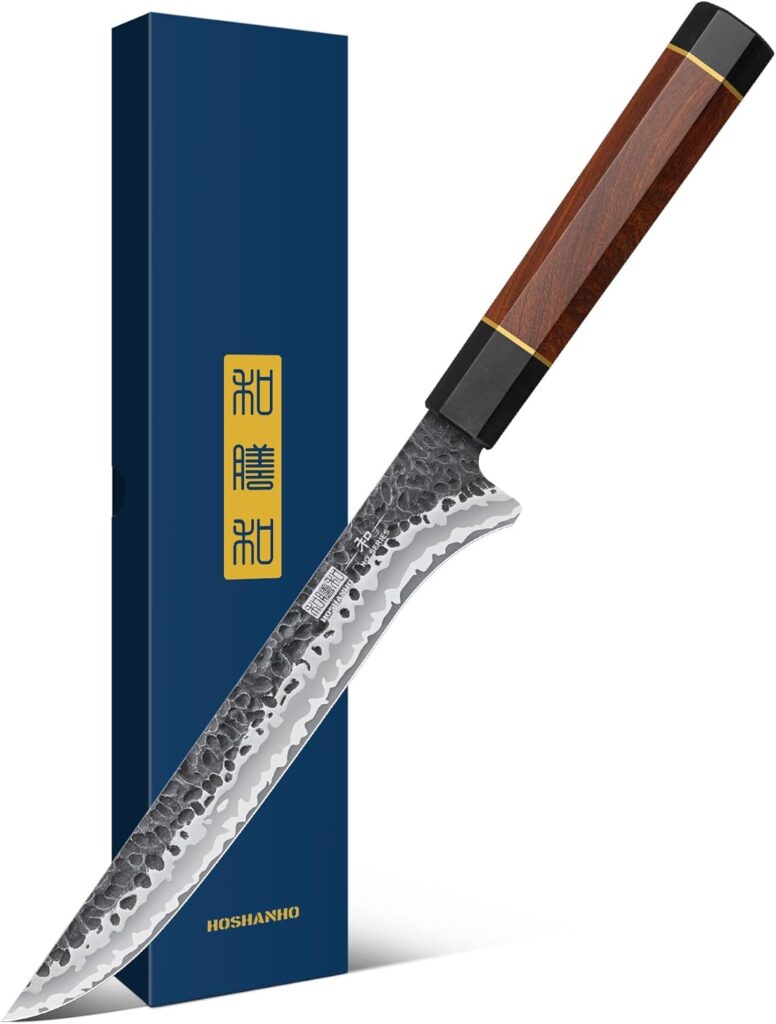
This boning knife by Hoshanho is almost too beautiful to use. This flexible knife is made from multiple layers of carbon steel and has a Rosewood handle.
Key Differences: A Direct Comparison
Let’s look at how stainless steel and carbon steel knives stack up head-to-head. Understanding these core differences helps you pick the right knife for your kitchen.
Hardness and Edge Retention
Knife hardness is often measured on the Rockwell scale. Carbon steel knives usually have a higher Rockwell hardness. This means they can be made very stiff. Higher hardness means better edge retention. A carbon steel knife will typically hold its sharp edge longer than a stainless steel knife. While some high-end stainless steels come close, carbon steel usually wins here.
Reactivity and Maintenance
This is where the two steels differ most. Stainless steel is designed for low reactivity. Its chromium content resists corrosion. You can wash it and not worry about immediate drying, although I recommend drying the knife and the handle right away.
Carbon steel is very reactive. It rusts easily and stains from acidic foods. You must hand wash and dry carbon steel immediately after every use. Many users also oil their carbon steel blades regularly (I don’t do this very often, but I should). Stainless steel is the low-maintenance option.
Sharpening and Honing
Many experienced users find carbon steel easier to sharpen to a truly razor-sharp edge. Its grain structure allows for a very fine finish. Stainless steel can be sharpened, but it might take more effort to get that extreme sharpness. Honing, which realigns a blade’s edge, works well for both. But a carbon steel blade often feels more responsive on a honing steel.
Cost and Availability
Stainless steel knives are widely available at many price points. You can find good quality ones without spending a fortune. Carbon steel knives are often more niche. They can range from affordable basic models to very expensive, artisan-made chef knives. Generally, high-performance carbon steel knives cost more.
Choosing Your Perfect Blade: Stainless Steel vs. Carbon Steel
Deciding between these two blade materials comes down to your cooking style. Think about your cooking habits and how much time you want to spend on knife care.
Who Should Choose Stainless Steel?
Stainless steel cooking knives are great for certain cooks and kitchens. If any of these sound like you, stainless steel might be your best bet:
- Beginner Cooks: If you’re new to caring for knives, stainless steel is forgiving. It’s less demanding.
- Busy Home Cooks: For those who want kitchen tools that perform without needing special attention. You want to cook, not spend time on knife care.
- Environments Prone to Moisture: If your kitchen is humid or if knives sit in the sink often, stainless steel handles it better. It resists rust in wet conditions.
- Budget-Conscious Shoppers: You can find quality stainless steel knives that offer great performance for a lower price. They give good value without a huge investment.
Who Should Choose Carbon Steel?
Carbon steel knives are for cooks who appreciate peak performance. They are for those who don’t mind a little extra effort. They may even enjoy caring for their knives. In my experience, sharpening a good knife on a whetstone can be very satisfying.
- Passionate Home Chefs: If you love cooking and appreciate top-tier tools, carbon steel offers unmatched sharpness and feel. It makes chopping and slicing enjoyable.
- Professional Chefs: For demanding kitchen tasks where edge retention and precision are key, many pros swear by carbon steel. It stands up to heavy daily use.
- Users Willing to Invest Time in Maintenance: If you’re okay with hand washing, immediate drying, and oiling, carbon steel will reward you. It’s a loving commitment.
- Enthusiasts Appreciating Patina and Craftsmanship: For those who see the aging patina as character. You value the unique look and traditional feel of a well-cared-for carbon steel blade.
Which Do I Prefer, Stainless Steel or Carbon Steel?
I own a lot of knives, both stainless steel and carbon steel. Don’t ask me why, but I usually use carbon steel knives to cook Japanese food. Maybe it’s that I like to use a super sharp, precise, and beautiful knife for such precise and beautiful cuisine. Maybe it’s that my carbon steel knifes are Japanese.
I especially like to use my Japanese slicer, aka Sujuhiki, for portioning beef and fish. Check out my YouTube video on Wagyu beef and my Ultimate Guide to Wagyu Beef: Types, Quality, and Cooking Tips.
Also, check out my Japanese cooking YouTube video playlists:
Japanese Faves: Japan Adventures
Japanese Faves: Midnight Diner
If you plan to travel to Japan, check out my Chef’s Apprentice Gourmet Guide: Three Nights in Ginza, Tokyo.
If you are a sake lover, check out my Expert Guide to Japanese Sake Education: A Comparison of US, Japan, and Online Education Programs , my Ultimate Guide to Ordering and Enjoying Sake, and my Ordering Japanese Sake in a Restaurant YouTube video.
I use stainless steel knives for most other cooking. They are certainly easier to care for even though they are not nearly as sharp.
Caring for Your Knife: Maximizing Longevity and Performance
No matter what blade material you pick, proper knife care extends its life. It also keeps your knives performing their best.
Stainless Steel Care Tips
Keeping your stainless steel knives in top shape is simple. Just follow these basic steps:
- Regular hand washing with mild dish soap and warm water is best.
- Always dry your knife completely after washing it, especially the handle.
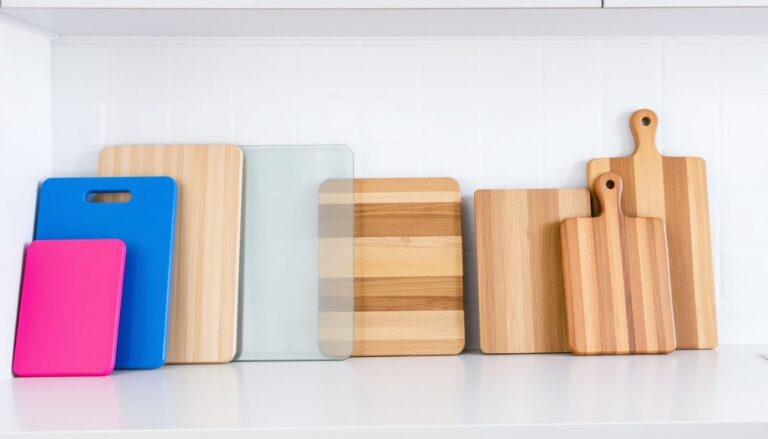
- Use an appropriate cutting boards like wood or plastic, not glass or stone.
- Sharpen your knife regularly to keep its edge keen.
Carbon Steel Care Tips
Carbon steel knives need a bit more love. But the effort pays off with superior performance.
- Immediately hand wash and dry your knife after every single use. Don’t let it sit wet.
- Apply a light coat of food-grade mineral oil to the blade often. This adds a protective layer.
- Avoid leaving your knife in contact with acidic foods. Cut, then clean.
- Understand and embrace the patina. It’s a sign of a well-used carbon steel knife.
- Regular sharpening and honing are crucial for maintaining that razor-sharp edge. For example, many chefs have a routine where they dry and oil their carbon steel knife right after a busy shift. This prevents those annoying rust spots that can appear if moisture is left on the blade.
Sharpening
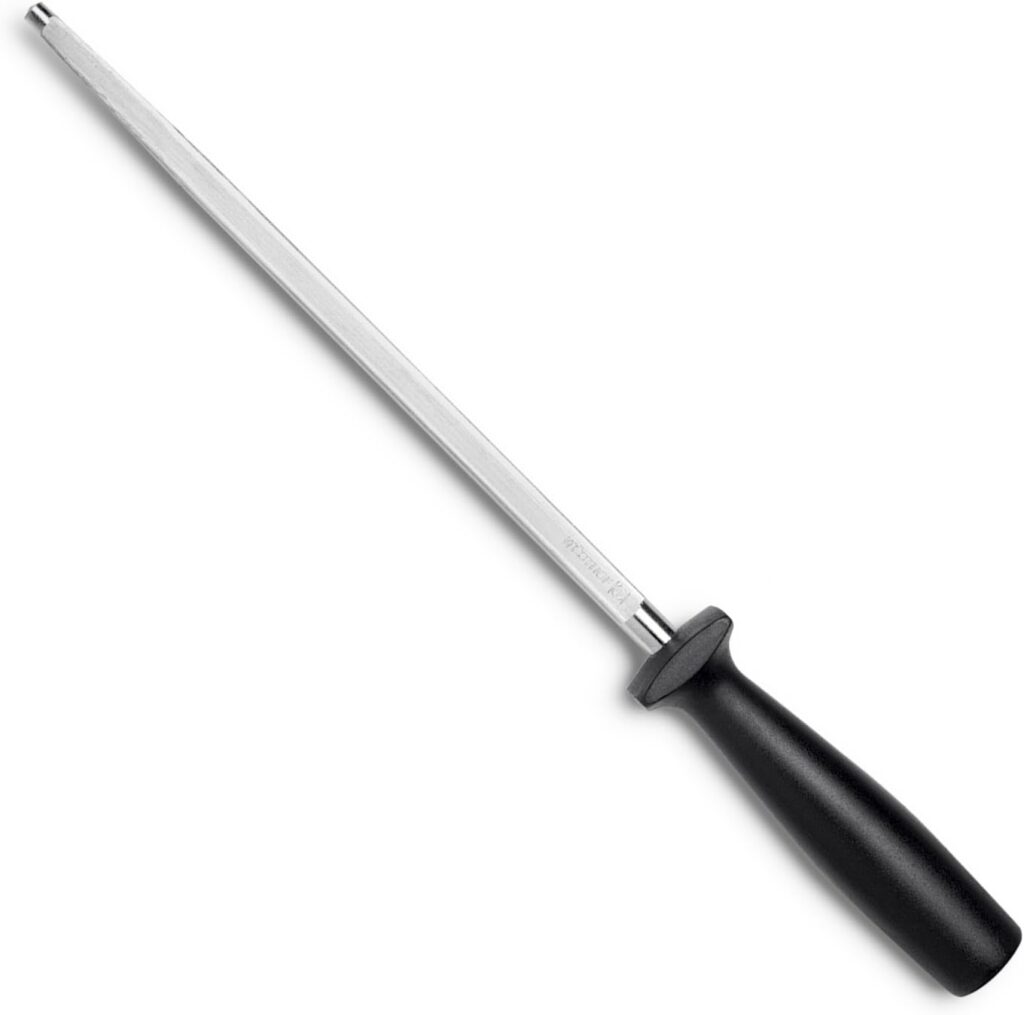
There are different levels of sharpening. For my stainless steel knives, I use a sharpening steel before I start using a knife and often again during the cooking session. Here’s a good steel.
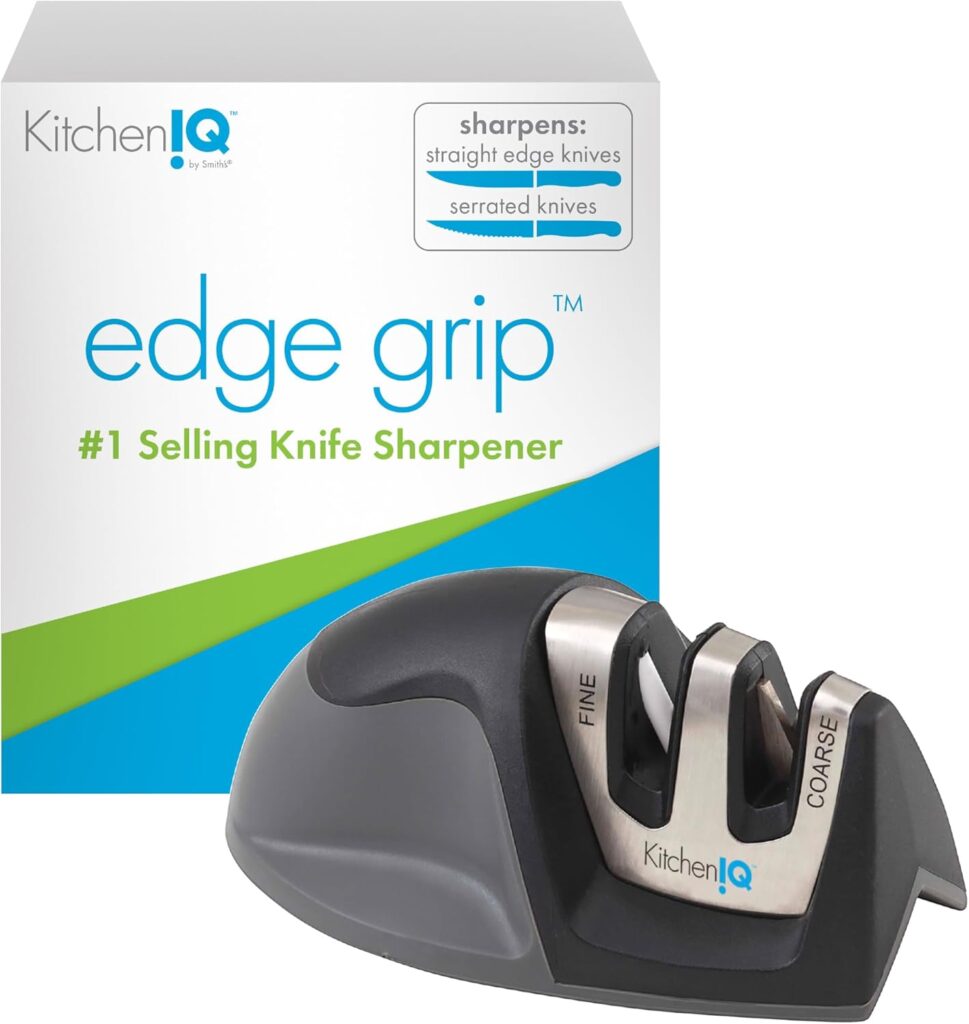
I also use this handy sharpener regularly.
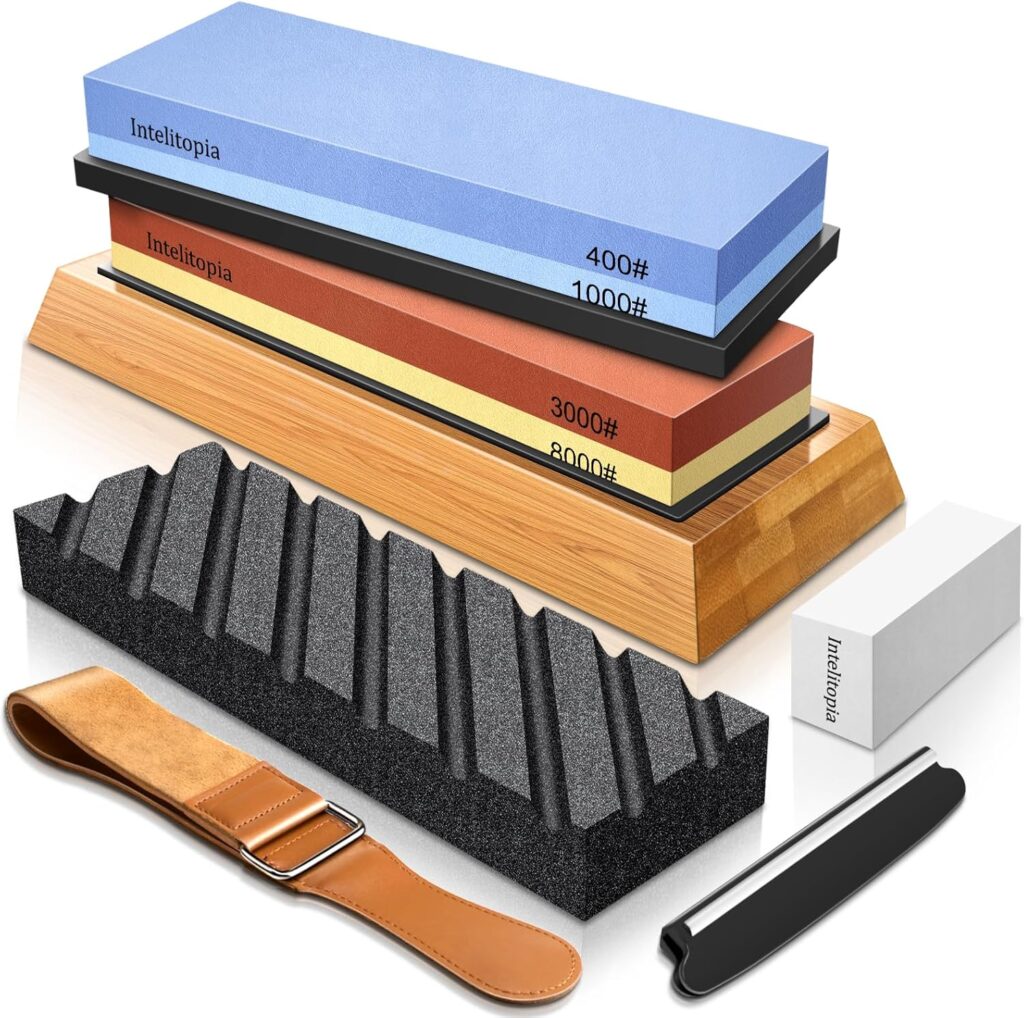
I also use the sharpening steel and the handy sharpener for my carbon steel. But for a super-sharp edge, I use whetstones. Look for a separate post about whetstones and sharpening. For now, here is a basic set:
Conclusion: The Final Cut
When it comes down to it, there isn’t one “best” knife steel. The perfect blade for you depends on your personal cooking journey. Stainless steel offers convenience, low maintenance, and solid durability. It’s a fantastic everyday workhorse. Carbon steel, on the other hand, delivers incredible sharpness and superior edge retention, but it asks for more attention.
Think about your cooking style. How much time will you commit to knife care? What’s your budget? These questions will guide your choice. Pick the knife that fits your kitchen and makes you want to cook more. Your relationship with your cooking tools can truly elevate your meals.
Disclosure: As an Amazon Associate I earn from qualifying purchases. If you buy from a link on this site, I may earn a small commission from the vendor without any additional cost to you. No company pays me to say anything in particular, or to say nice things. I only stand behind products I believe in.