John Hornick — Chef’s Apprentice
If you’ve ever gone to a sake bar or picked up a bottle in a store, you probably noticed the + and – numbers on the label. Many people see those numbers and think they hold the key to whether the sake is sweet or dry. But here’s the catch: those numbers, called the SMV or Sake Meter Value, often aren’t a reliable guide. In fact, trusting only the SMV can lead you to the wrong conclusions about what you’re drinking.

What Is SMV and How Is It Measured?
Knowing the Basics of SMV
SMV is English for the Japanese term “Nihon-shudo,” which measures how dense a sake is compared to water. Think of it like weighing two objects. If sake is lighter than water, it has a positive SMV number, and it’s usually called “dry.” If it’s heavier than water, the SMV turns negative, and it is deemed “sweeter.” Zero means the sake has the same density as water — nothing more.
Check out my video Sake SMV (Sake Meter Value): Ignore It.
To learn how sake is made, check out my video and my blog post.
How Do You Interpret the Numbers?
- Positive numbers (+1, +2, +5, etc.) suggest the sake is drier.
- Negative numbers (-1, -2, -10, etc.) hint that the sake might be sweet.
- Close to zero (like 0.5 or -0.5) means it’s somewhere in the middle.
Many sake bottles display SMV between about -20 and +5. However, what those numbers truly reveal about taste — if anything — is more complicated.
Common Beliefs About SMV
Many people think that higher positive SMV means very dry sake, while negative suggests it’s very sweet. It’s a simple idea — but is it really that clear-cut? Not really. The truth is, SMV only tells part of the story and in most cases is not of much value in predicting the sweetness or dryness of sake.
Experience Sake Tasting in Japan
Maybe you’re heading to Japan and would like to experience sake in a local bar. Maybe you love to travel and have been struggling to decide your next destination. Maybe you would like to take a sake brewery tour. Maybe you would like to hear local sake experts’ opinions on SMV. If you fall into one of these categories, CLICK HERE TO PLAN YOUR JAPAN TRIP and CLICK HERE TO BOOK JAPANESE SAKE ADVENTURES.
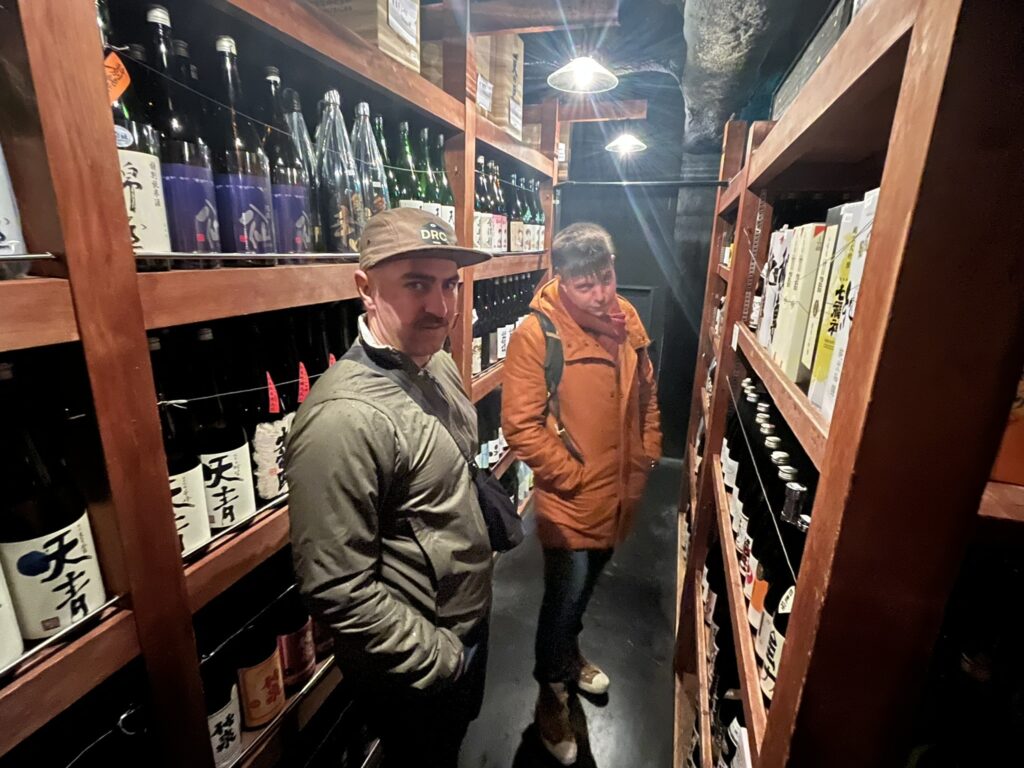
The Limitations of Relying on SMV to Guess Flavor
Why SMV Can Be Misleading
- It measures density, not flavor. Just because sake is lighter or denser doesn’t mean it’s dry or sweet.
- Taste is personal. One person’s “dry” might seem “sweet” to another.
- Numbers close to zero are unhelpful. A +1 and a +3 may have the same apparent dryness or could be taste completely different, even though they’re close numbers.
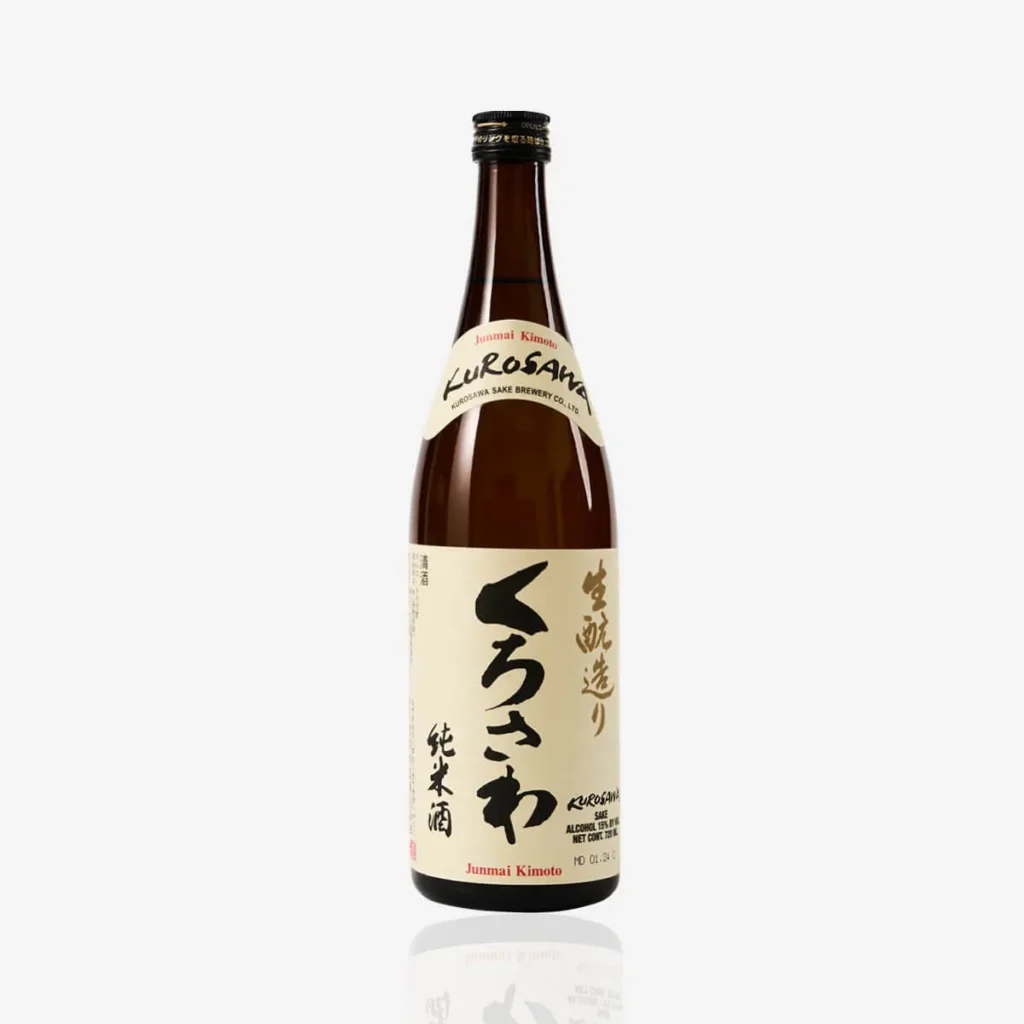
Here’s another one of my favorite sakes, Kurusawa “Junmai”. With an SMV of +2 and acidity of 1.8, most people will probably perceive this sake as neutral in dryness. I think it tastes slightly sweet even though the numbers say otherwise.
Bottles Without SMV on the Label?
Many sake bottles don’t show the SMV. That’s because SMV isn’t as useful as many believe. The brewery would rather have you taste the sake and decide whether you like it, without preconceived notions about dryness or sweetness.
To learn about sake terms and labels, check out my video and blog post.
The Problem With Small Differences
Think about it — if two sake bottles have SMV ratings of +1 and +3, does that really mean they taste distinguishably different? Not always. The closer the number is to zero, the less reliable the prediction. Small differences might barely affect how a sake tastes.
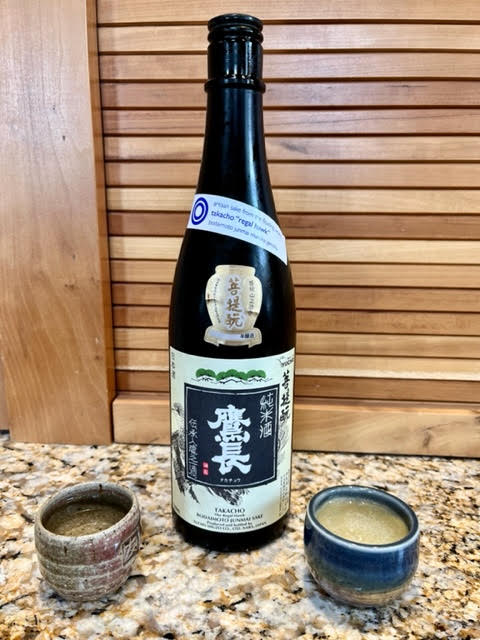
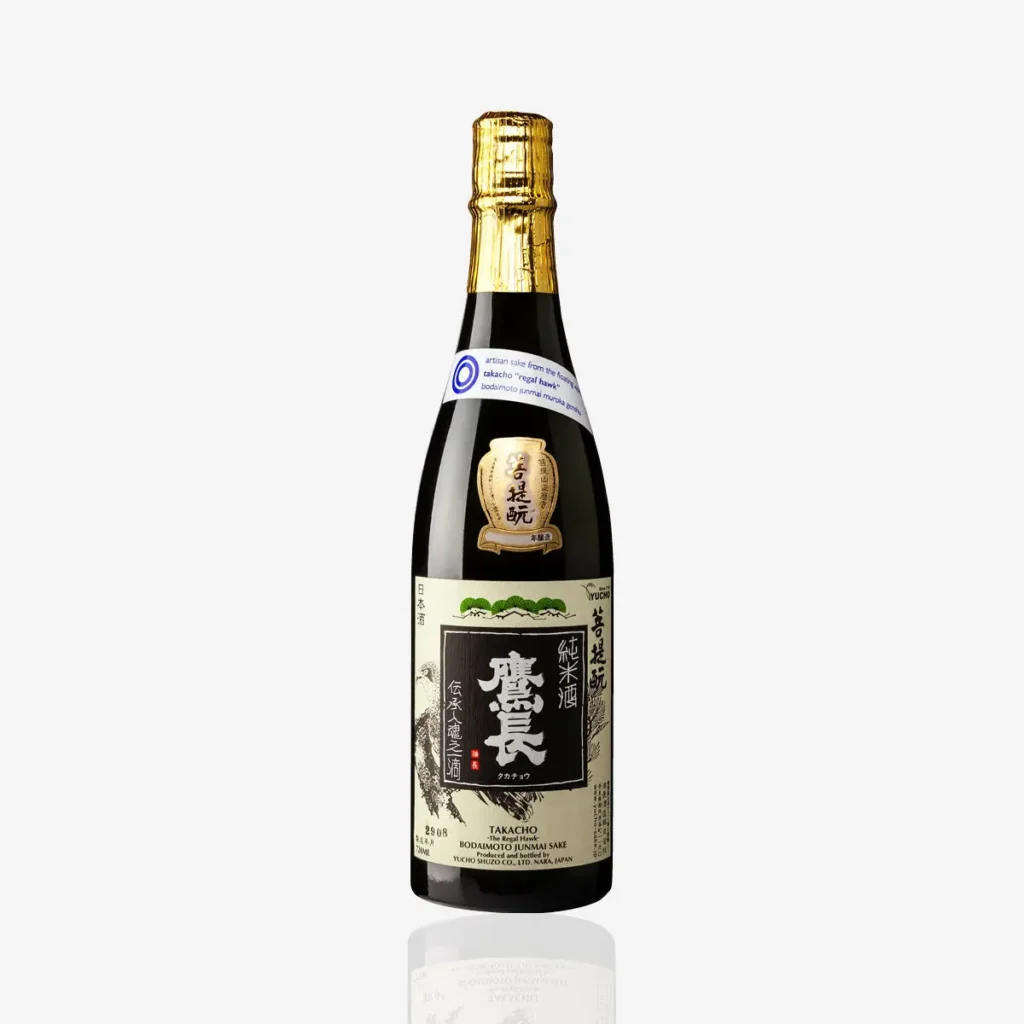
The Regal Hawk Bodaimoto sake shown below, which has an SMV of -28 but a very high acidity of 3.3 will probably taste sweet to most people.
What Really Affects How Sake Tastes?
Beyond the number, a lot of factors influence how we perceive sake’s sweetness or dryness.
Objective Factors That Change Flavor
Acidity is a big one. Higher acidity increases apparent dryness, making the sake seem less sweet even if it has a negative SMV. For example, a sake with a high acidity of around +2 but a negative SMV may taste less sweet than expected, despite its low SMV.
Water quality during brewing matters, too. Soft water can make sake seem sweeter, regardless of the SMV number.
Region and brewing style also influence flavor. Sakes from different parts of Japan—like Nada or Nara—have their own style. Some are naturally drier, others sweeter. The rice used plays a role too; Yamada-nishiki rice sometimes results in a sake with more apparent sweetness.
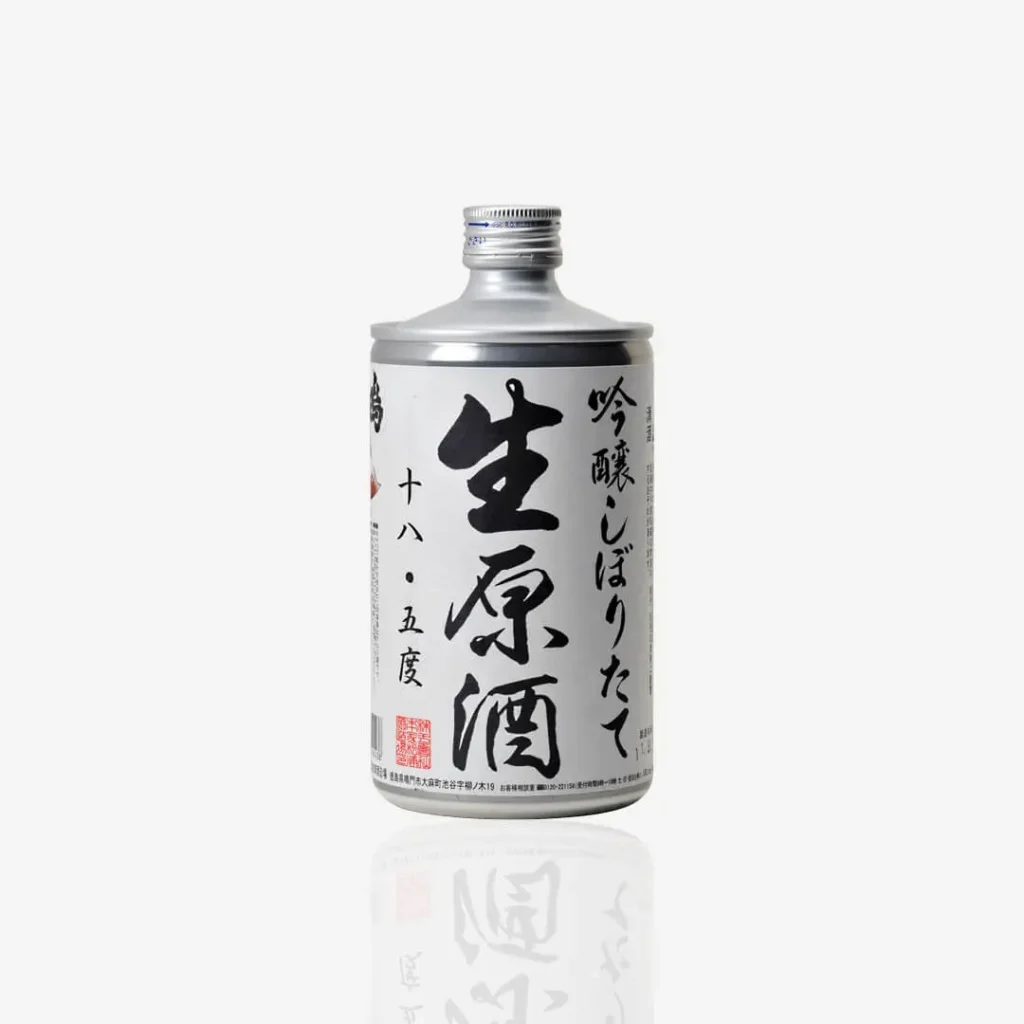
Pasteurization (Nama vs. regular) makes a difference. Unpasteurized sake (called Nama) might taste richer or sweeter, but its SMV may not show it. This namazake, Narutotai “Ginjo” Nama Genshu, with an SMV of +5 and acidity or 1.8, which is one of my favorites, should taste neutral in sweetness/dryness to most people. This sake also has the distinction of having been used in the movie Bladerunner 2049.
Serving temperature impacts how we perceive flavor. Warm sake can seem sweeter than cold. Heating a sake might make it taste drier or richer, regardless of its SMV.
Subjective Factors That Impact Flavor Perception
Individual taste buds vary. Some people sense sweetness more intensely. Others are more sensitive to dryness.
Aromas influence how we judge sweetness. Fruity scents can make sake seem sweeter, even if the SMV says otherwise.
Food pairing can change everything. A salty dish can make a sake seem sweeter. Conversely, a rich or fatty food might make it taste drier.
The pouring vessel—a small cup, a wide glass—can also alter what you taste. Narrower glasses might accentuate sweetness because of where the sip lands on your tongue.
Practical Tips for Enjoying Sake
If you’re trying to pick a sake, don’t ignore the SMV, but don’t depend on it either (but I do ignore it). Use it as a rough guide, then taste for yourself. Remember, many factors influence how it will taste beyond just the number. SMV also seems to be becoming less common on bottles, so rely on your own taste.
Try different temperatures, foods, and styles. And don’t think you can taste sake only with Japanese food. Sake pairs incredibly easily with most food. I like both the Kurusawa and the Narutotai with pizza. The more you taste, the better you’ll understand which sake suits your palate. The goal is to enjoy sake for its real flavors, not just the number on the label.
Do you own taste comparison by tasting several bottles, with different SMV and acidity numbers.
Conclusion
The bottom line? The SMV is an unreliable indicator of whether sake will be sweet or dry. It only measures density compared to water, not flavor nuances. Many other factors — acidity, region, rice type, temperature, and personal perception — influence how we experience sake. So next time you pick a bottle, trust your taste buds more than the numbers. Give each sake a chance; it might surprise you in ways the SMV never predicted. To be honest, I once ignored any sake with a negative SMV. I missed out on a lot of good sake by following that rule. Now I pretty much ignore the SMV and my sake tasting experiences have benefited from it.
Start tasting and exploring beyond the labels. That’s how you’ll discover your favorite sakes and truly enjoy their unique qualities.
Disclosure: As an Amazon Associate I earn from qualifying purchases. If you buy from a link on this site, I may earn a small commission from the vendor without any additional cost to you. No company pays me to say anything in particular, or to say nice things. I only stand behind products I believe in.