John Hornick — Chef’s Apprentice
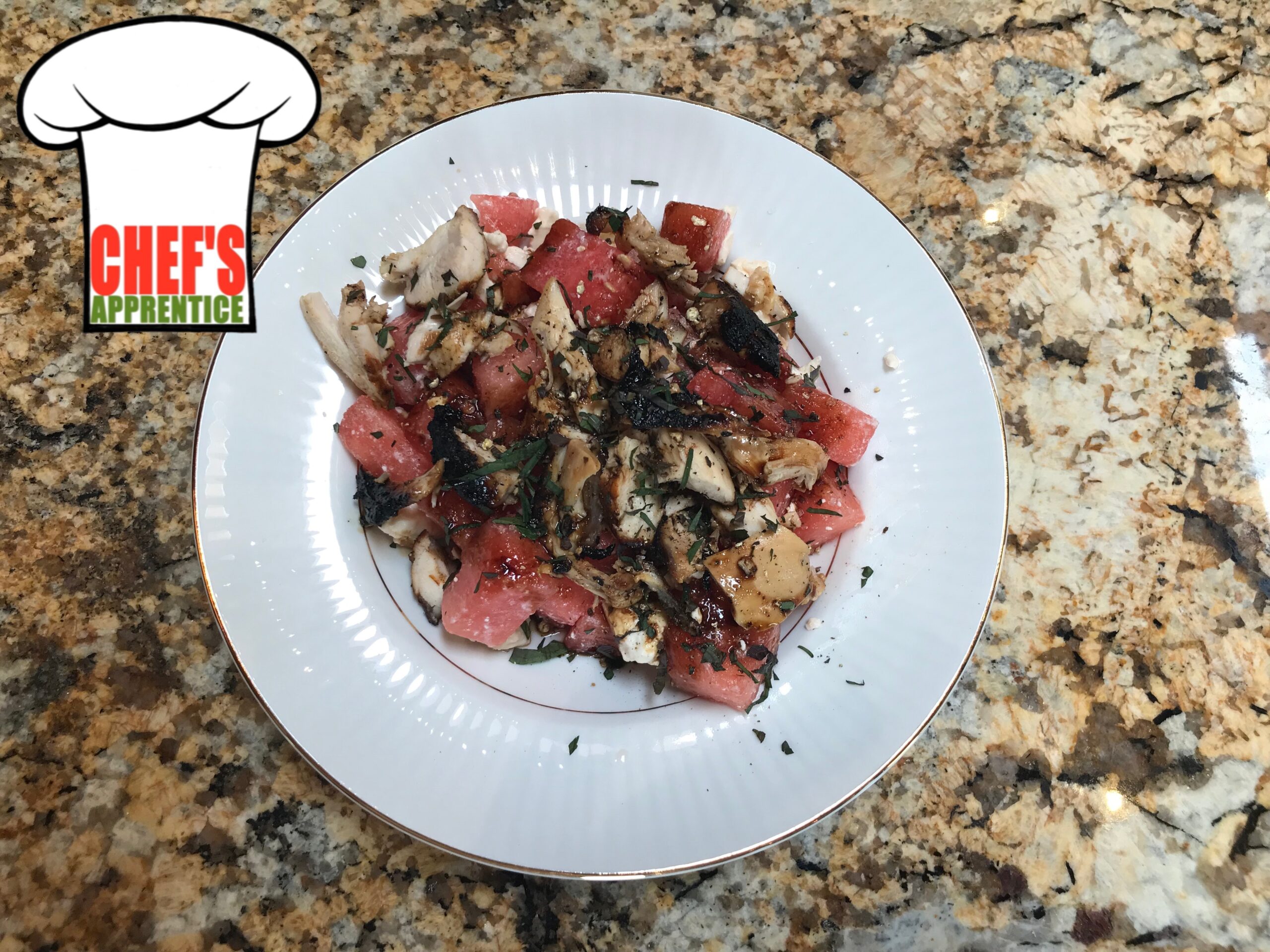
Warm weather calls for light, flavorful salads that cool you down and impress your guests. When done right, they blend textures and flavors in ways that excite the palate. This recipe for watermelon, feta, and roasted chicken salad combines unexpected ingredients with essential cooking techniques. It’s a perfect dish to boost your confidence in the kitchen and create a show-stopping summer meal.
The inspiration for this dish came from a pool-side menu at the Marriott Desert Ridge Resort in Phoenix, AZ. Unfortunately, they took it off the menu. Although the main ingredients may seem strange together, they are perfect partners. This dish is great in the summer and works best as a first or second small plate.
Even though the hotel took this dish off the menu, this is a wonderful resort to spend a few days or a week. It has everything: a lazy river, at least two other pools, water slide, spa, golf, pickle ball and tennis, beautiful grounds, and restaurants. Click here to book a stay.

Understanding the Basics of Salad Preparation
The Art of Picking and Preparing Ingredients
Great salads start with quality ingredients. Use fresh watermelon, fragrant herbs, crumbly feta, and free-range or pasture-raised chicken thighs. The fresher the produce, the better the taste and texture. Proper chopping, slicing, and deboning are vital steps that influence how your salad looks and tastes.
Balancing Flavors and Textures
Mixing sweet, salty, tangy, and savory elements makes a salad memorable. Juicy watermelon offers sweetness, while feta adds salty creaminess. Tender chicken provides substance, and herbs like mint bring a bright note. Finishing salts and good balsamic vinegar enhance flavor depth, making every bite satisfying.
Mastering Chicken for Perfect Results
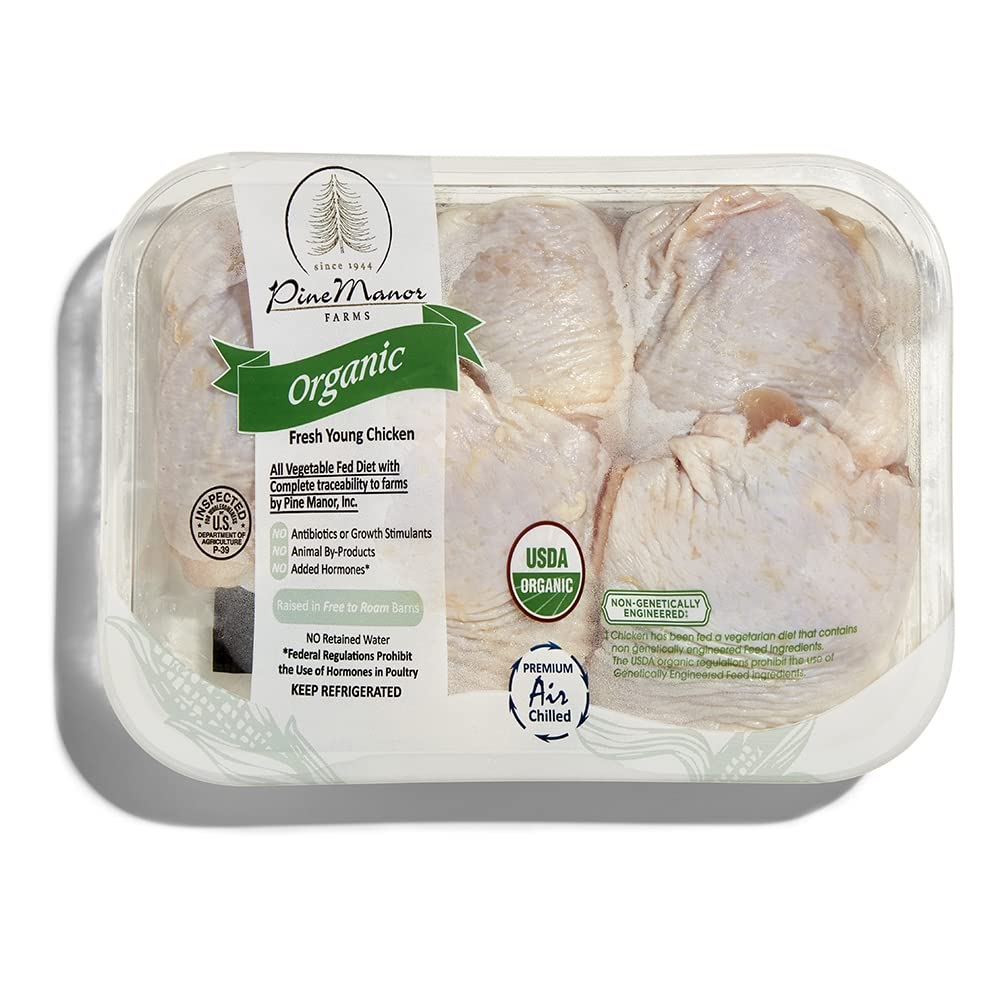
Choosing the Right Cut: Bone-In, Skin-On Thighs
Thighs are your best choice here. They’re juicy, flavorful, and stay moist during cooking. Going for bone-in and skin-on adds extra flavor and keeps the meat moist and tender. The bone helps distribute heat evenly, keeping the meat tender and juicy. The skin protects them meat, especially when pan-roasting. Don’t worry, the skin and bone will be removed later.
Alternative Cooking Techniques
You can use any of the following techniques to cook the chicken for this recipe. Each technique will yield good but different results. Personally, I like the rotisserie technique.
Rotisserie Roasting
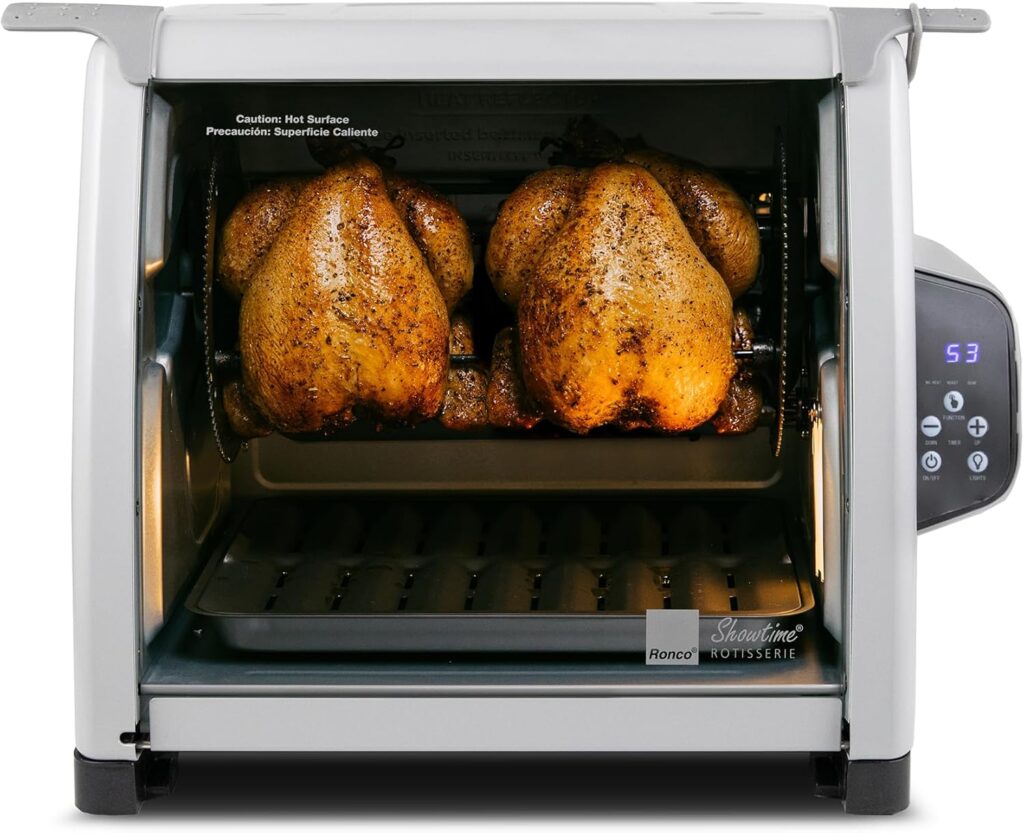
Using a rotisserie oven yields juicy, evenly cooked chicken thanks to constant turning. It’s faster than traditional roasting, often around 25-35 minutes for small pieces, depending on the instructions accompanying your rotisserie oven. A rotisserie adds a nice char and moisture that’s hard to beat.
Direct Heat: Pan-Roasting
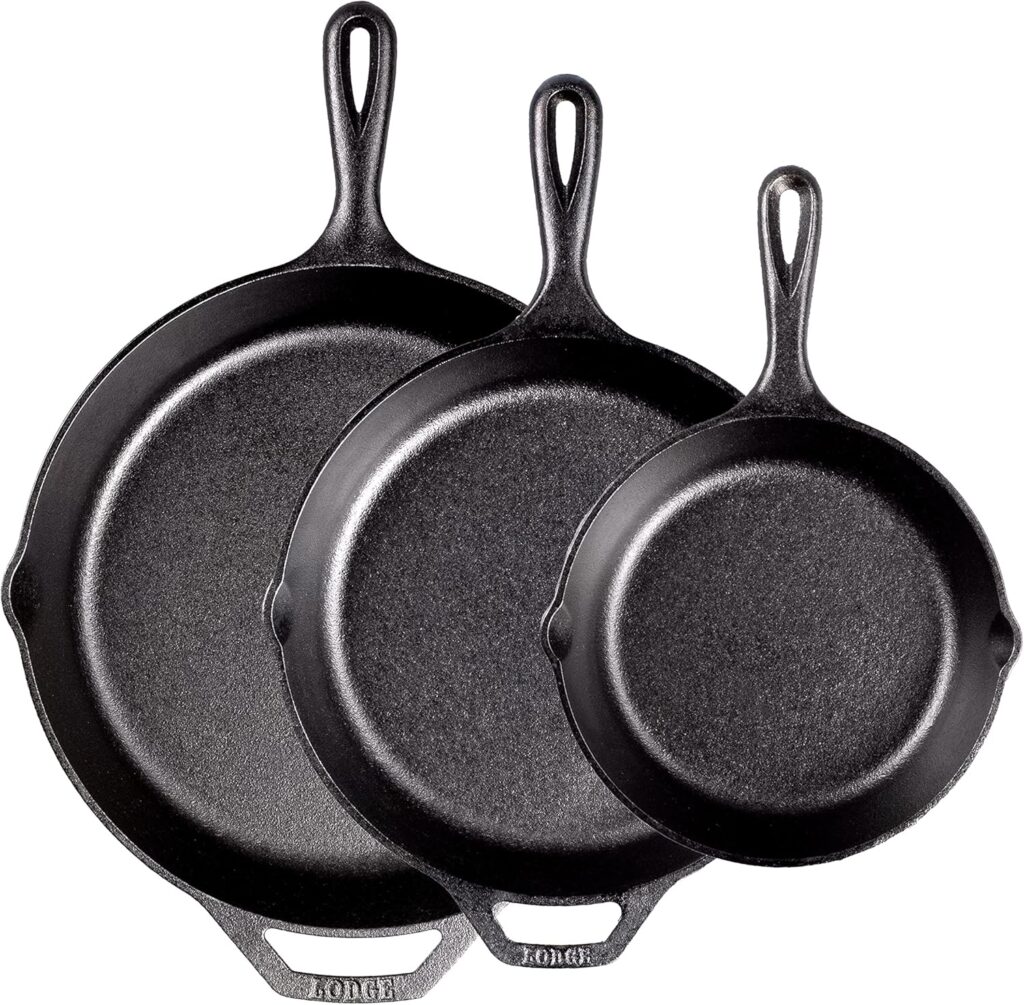
Pan-roasting begins with searing the chicken skin side down in a hot pan. Cast iron works well and I like the Lodge brand, which is made in America. It creates a crispy exterior while keeping the inside moist. Turn the thighs and cook until they reach an internal temperature of around 165-170°F. This method offers excellent control over browning and juiciness.
Indirect Heat: Oven Roasting
Oven roasting involves cooking the chicken at 375°F. Placing it on a sizzle plate (a kitchen workhorse) or baking sheet ensures even cooking. Use a thermometer to avoid overdoing it—aim for 165°F inside. This approach produces evenly cooked, tender meat with minimal fuss.
Preparing Ingredients for a Beautiful Salad
Marinating and Seasoning the Chicken
Create a simple marinade with inexpensive balsamic vinegar, honey, and fresh thyme. Use about half as much honey as vinegar for a balanced tang. Mix thoroughly to combine. Then, submerge the chicken in the marinade in a resealable bag, removing excess air to ensure the marinade coats every piece. Let it sit in the fridge for 2-3 hours—long enough to flavor but not break down the meat. If you marinate chicken too long, the acid in the vinegar can break down the chicken too much.
Cutting Fruit, Cheese, and Herbs
Cut the watermelon into bite-sized pieces—approximately ¾ inch chunks. This makes it easy to eat and helps the flavors distribute evenly. When preparing feta, crumble it into small, uneven chunks for a rustic look.
Chopping fresh mint is simple—stack and roll the leaves, then slice crosswise into thin strips called chiffonade, a fancy name for an easy and simple technique. Use this method to release the herb’s essential oils without crushing it.
Fresh thyme also plays a role for aroma and flavor, in the chicken marinade.
Preparing the Chicken
Once marinated, remove the chicken from the fridge and bring it to room temperature. Pat off excess marinade lightly, so the thighs don’t drip too much during cooking. Season with kosher salt and fresh ground pepper. Lightly oil the chicken to encourage browning and prevent sticking.
Cooking the Chicken
You will probably make this salad more than once. It is a go-to for me. So each time you make the salad, cook the chicken differently in one of the three following ways. You decide which method you like best.
Rotisserie
I love rotisserie-roasted chicken for this dish. In fact, I love chicken cooked in our rotisserie oven for just about any application, such as on a night when we want comfort food and don’t want to make much effort. We use it at least once each week. If you don’t have one, read on. But if you don’t have one, you are missing out.
Place the seasoned thighs in the rotisserie basket after you spray it with cooking spray. Roast at around 25-35 minutes, depending on your oven’s instructions. Juicy and evenly cooked, rotisserie chicken holds moisture well. I have found that the recommended cooking times for large rotisserie ovens are pretty accurate, but a little long for small ovens. Rest before deboning.
Pan-Roasting
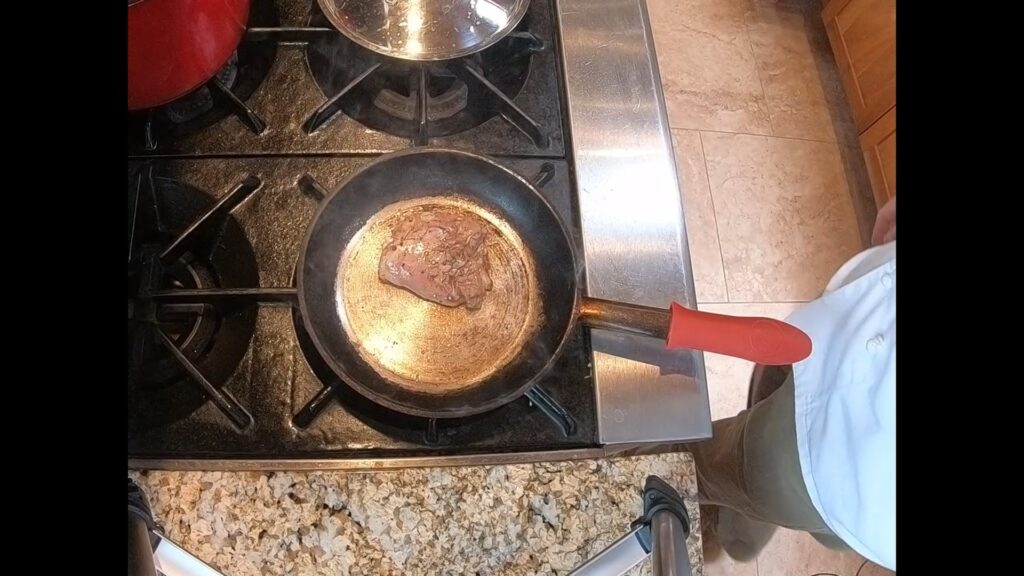
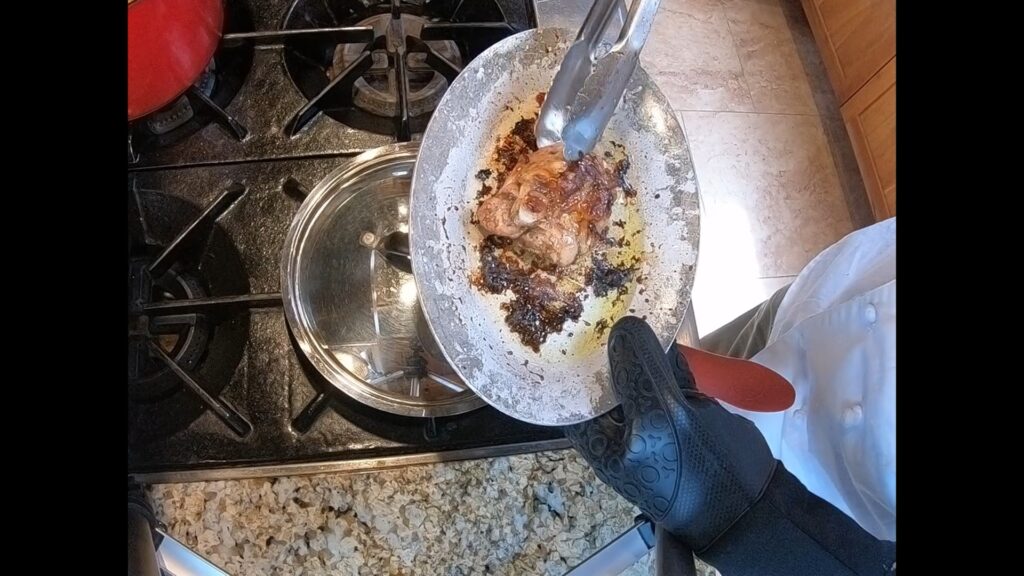
Pan roasting is an alternative to rotisserie roasting. Heat a skillet over medium-high heat. When hot, put the chicken skin side down. Cook for about 2 minutes, then flip and cook another 2 minutes. Turn the heat down to medium-low, cover, and simmer for 15 minutes. Check internal temperature with an instant-read thermometer—target 165°F. Rest before deboning.
Oven Roasting
Oven roasting is another alternative to rotisserie roasting. Place chicken on a sizzle plate or baking sheet. Roast at 375°F for about 20-25 minutes, flipping halfway. Use an instant-read thermometer; again, aim for 165°F. Rest for at least 5 minutes to retain juices. Rest before deboning.
Deboning the Chicken
After cooking, let the chicken cool just enough to handle. Remove the skin. Debone the thigh by running a sharp boning knife along the bone, then gently cutting under the bone until it releases. Keep the bones to make stock.
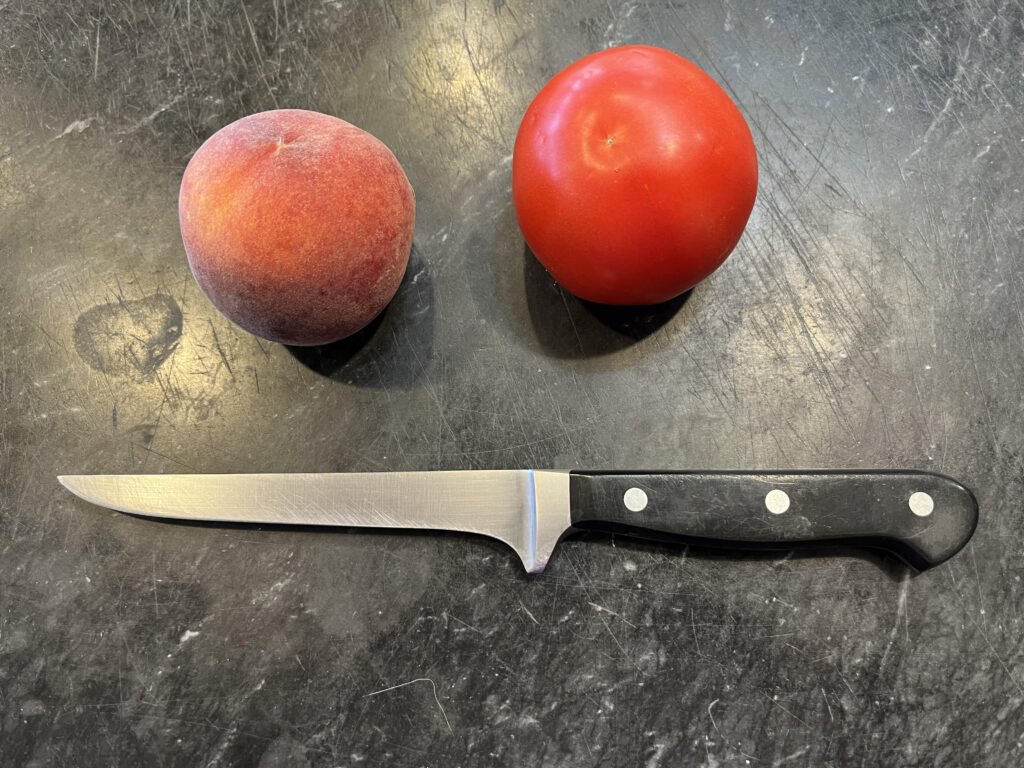
Slice against the grain into thin, bite-sized strips. Keep the slices warm by placing them on a warm plate or sizzle platter. See my video Watermelon, Feta, and Chicken Salad. Use a sharp knife like this. I have been using the Wusthof brand for any years.
Assembling the Salad
Tossing and Plating
Gently toss the watermelon pieces with feta separately from the chicken. Combining them too early can discolor the feta, making the salad look dull. Place the watermelon and feta mix into your serving bowl. Fan out the warm chicken slices on top, creating a layered look.
Garnishing and Finishing Touches
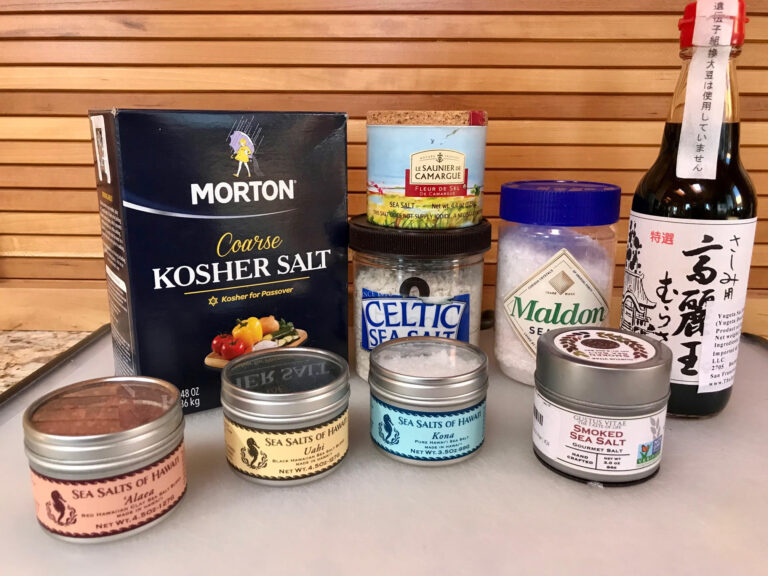
Sprinkle chopped mint over the salad for aroma and freshness. Drizzle high-quality balsamic vinegar for a tangy kick, and add a tiny pinch of fleur de sel or other sea salt for saltiness. The final touch enhances flavors and adds a refined appearance.
Tips from the Chef
- Always bring meat to room temperature before cooking for even doneness.
- Use a reliable instant-read thermometer to avoid under- or overcooking.
- Adjust cooking times based on your rotisserie oven, stove, or oven because equipment varies.
- Experiment with ingredient ratios until your perfect balance is found.
Conclusion
Mastering diverse cooking techniques opens doors to creating stunning salads like watermelon feta and roasted chicken. From pan-roasting to rotisserie cooking, each method brings out different qualities in the chicken. Proper ingredient prep, careful seasoning, and artistic presentation make all the difference. Take these skills, customize the flavors, and turn everyday meals into impressive summer dishes. Now, go ahead—try it out and enjoy the delicious results!
Disclosure: As an Amazon Associate I earn from qualifying purchases. If you buy from a link on this site, I may earn a small commission from the vendor without any additional cost to you. No company pays me to say anything in particular, or to say nice things. I only stand behind products I believe in.
Ingredients
- 3 chicken thighs, bone in, skin on
- 3/4 cup inexpensive balsamic vinegar
- 1/3 cup honey
- 4-5 sprigs of fresh thyme
- Kosher salt
- Peppermill
- About 4 cups watermelon, cut into bite-sized pieces
- About 1 ½ cups Feta cheese, crumbled
- 2 Tb. mint, chiffonade
- Fleur de sel
- Aged balsamic vinegar
- Cooking spray (for the rotisserie basket)
Stey-By-Step
Serves 6 as a small plate
Preparation time: 30-40 minutes, plus 2 hours for marinating
- 1. Mix the balsamic vinegar, honey, and thyme to make the marinade.
- 2. Marinate the chicken in the marinade for 2-3 hours in the fridge.
- 3. Cut watermelon into bite-sized pieces.
- 4. Crumble the feta into small, uneven chunks.
- 5. Chiffonade the mint.
- 6. Bring chicken to room temp and pat off excess marinade.
- 7. Season chicken and coat lightly in olive oil.
- 8. Cook the chicken in one of the three ways discussed above.
- 9. Debone the chicken and remove the skin.
- 10. Slice the chicken.
- 11. Toss the melon and feta.
- 12. Arrange the chicken artistically on top of the melon and feta.
- 13. Garnish with mint and sea salt and drizzle with balsamic vinegar.