John Hornick — Chef’s Apprentice
Cooking small plates is a smart way to impress guests or elevate a simple meal, especially when you add a touch of finesse. This dish, crab-stuffed lime, shows how combining fresh ingredients and good technique creates a delicious, eye-catching appetizer. It’s perfect for anyone wanting to learn basic knife skills, mixing, and presentation. By following these steps, you’ll gain confidence in your cooking and style like a real pro.
Understanding the Importance of Mise en Place for Mistake-free Cooking
What Is Mise en Place and Why It Matters
Mise en place is a fancy way of saying “everything in its place.” Chefs use this method to organize ingredients and tools before cooking. It helps everything run smoothly and prevents mistakes. For this dish, it means having your crab, lime, garlic, mayonnaise, and spices ready and within reach before starting.
Applying Mise en Place to Your Kitchen
Getting your ingredients and equipment ready before you cook saves time and makes the process easier. Organize knives, bowls, and seasonings beforehand. At home, you can set out everything you need, so you’re not scrambling when you need an ingredient or tool. It turns a hectic cooking session into a calm, creative one.
Essential Ingredients for Crab-Stuffed Lime
Choosing Fresh Crabmeat and Other Proteins
Pick a reliable brand of lump crabmeat. Look for pieces that stay firm and hold their shape. Fresh crab adds flavor and texture that frozen or processed crab can’t match. The choice of quality crab makes all the difference in taste.
Quality Produce
- Ripe avocados: Choose soft but firm avocados that give slightly when pressed. They add creaminess.
- Limes: Select firm, bright green limes. Roll them on the counter before squeezing to get more juice.
- Herbs: Fresh chives provide a mild onion flavor and look colorful when chopped finely.
Building Flavor with Sauces and Seasonings
Use good mayonnaise, Dijon mustard, wasabi powder, garlic, salt, and pepper. These create a balanced sauce with creaminess, heat, and acidity. High-quality ingredients make the dish stand out with vibrant flavors.
Essential Equipment
- Cutting Board: A kitchen essential. The best-ever board is True Board (see the banner)
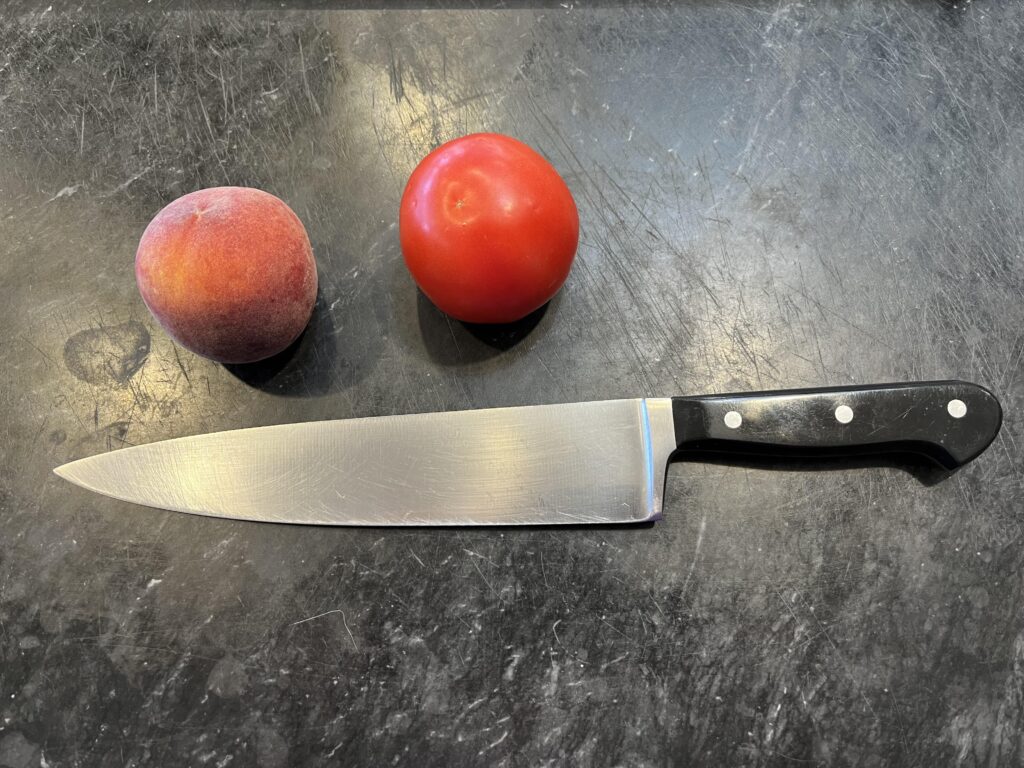
- Chef’s knife: Your main tool for chopping and slicing. Keep it sharp for safety and precision.
- Paring knife: Ideal for detailed tasks like hollowing out the lime and peeling garlic.
- Mixing bowls: Use these to prepare, hold, and present your dish.
- Spoons: For mixing and filling, avoid measuring spoons to develop intuitive judgment.
Step-by-Step Preparation Techniques
Prep Work (Mise en Place)
Minced garlic is a must for flavor. Remove the germ from the garlic, then finely chop or mince. For chives, slice them into very short pieces (about 1/8″), which make a nice presentation as a garnish.
See my video Crab-Stuffed Lime
Prep the Crab and Lime
Carefully transfer crab lumps into a bowl using a fork—avoid breaking them. Top and bottom the lime—cut a small piece off the bottom so it sits flat. Cut the top, create a hollow inside with a paring knife, and scoop out the flesh with a spoon, keeping as much juice as possible.
Preparing the Crab Mixture
Combine mayonnaise, lime juice, Dijon mustard, and garlic in the bowl. Fold in the crab lumps gently to keep them intact. Add salt and pepper for seasoning. Taste a tiny spoonful to adjust flavors before filling the lime.
Filling and Plating
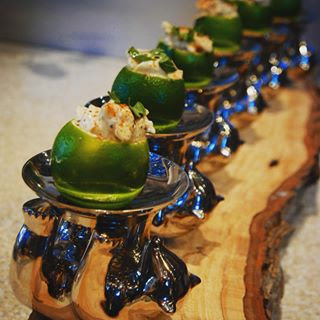
Carefully spoon the crab mixture into the hollowed lime, avoiding breaking the shell or breaking up the lumps of crab. Place the filled lime onto a saucer with a salt bed to stabilize it. Sprinkle paprika on top for color and garnish with chopped chives to finish. Small touches like this make the dish look restaurant-ready.
Presentation and Garnishing Techniques
Effective Plate Styling
Using salt in the saucer’s depression gives a stable base for the lime. Garnish with paprika and chives for visual appeal. Think of plate presentation as dress-up—color and symmetry matter.
Final Tips for Beautiful Plating
Keep it simple. Use a clean plate or saucer and focus on contrast—bright greens, reds, and a dash of powder. Avoid overcrowding. The goal: make each element pop and invite the eater to dive in.
Key Techniques Learned and Their Applications
- Knife skills: chopping garlic, mincing chives, hollowing the lime
- Folding ingredients: mixing without breaking crab lumps
- Intuitive seasoning: tasting and adjusting flavors naturally
- Creative plating: garnishing and using salt beds for presentation
Expert Tips and Best Practices
Always use sharp knives for safety and speed. Taste your mixture at each stage—balance is key. Use fresh, high-quality ingredients for true flavor. Practice mise en place; it transforms your cooking from chaotic to professional.
Conclusion
Mastering this crab-stuffed lime dish is a great way to learn fundamental skills. You’ll develop confidence in cutting, mixing, seasoning, and plating. Feel free to experiment with flavors and presentation styles once you get comfortable. Remember, the secret to good cooking isn’t just following recipes but understanding the techniques behind them. With practice, small plates become your signature, showing off both your skills and style. Happy cooking!
Disclosure: As an Amazon Associate I earn from qualifying purchases. If you buy from a link on this site, I may earn a small commission from the vendor without any additional cost to you. No company pays me to say anything in particular, or to say nice things. I only stand behind products I believe in.
Ingredients:
- 6 limes
- 8 oz. lump crabmeat
- 2 Tb. mayonnaise
- 2 garlic cloves, chopped
- Juice of 1-2 limes
- 2 Tb. Dijon mustard
- Kosher salt
- Peppermill
- Paprika
- About 1 Tb. chives, chopped
Step-By-Step
Serves 6 as a small plate
Preparation time: 20 minutes
- 1. Carefully transfer crab lumps into a bowl —don’t break them up.
- 2. Top and bottom the lime. Hollow out the lime, keeping as much juice as possible.
- 3. Mix mayonnaise, lime juice, wasabi powder, Dijon mustard, and garlic.
- 4. Gently fold in the crab, keeping the lumps intact.
- 5. Add salt and pepper to taste.
- 6. Fill the lime with the crab mixture without breaking the crab lumps.
- 7. Place the lime onto a saucer with a salt bed to stabilize it.
- 8. Garnish with paprika and chives.