John Hornick — Chef’s Apprentice
Introduction
Demi-glace is a staple in French cuisine and a sauce prized by chefs worldwide. Sometimes called “liquid gold,” it adds rich flavor, shine, and depth to many dishes. Making it from scratch might sound intimidating, but in truth, it’s straightforward—just a process of patience and good technique. This guide walks you through every step to create your own demi-glace, from roasting bones to reducing a flavorful stock. Expect the process to take a few days, but the end result is worth every effort—delicious, authentic, and versatile.
Understanding Demi-Glace: The Essential French Sauce
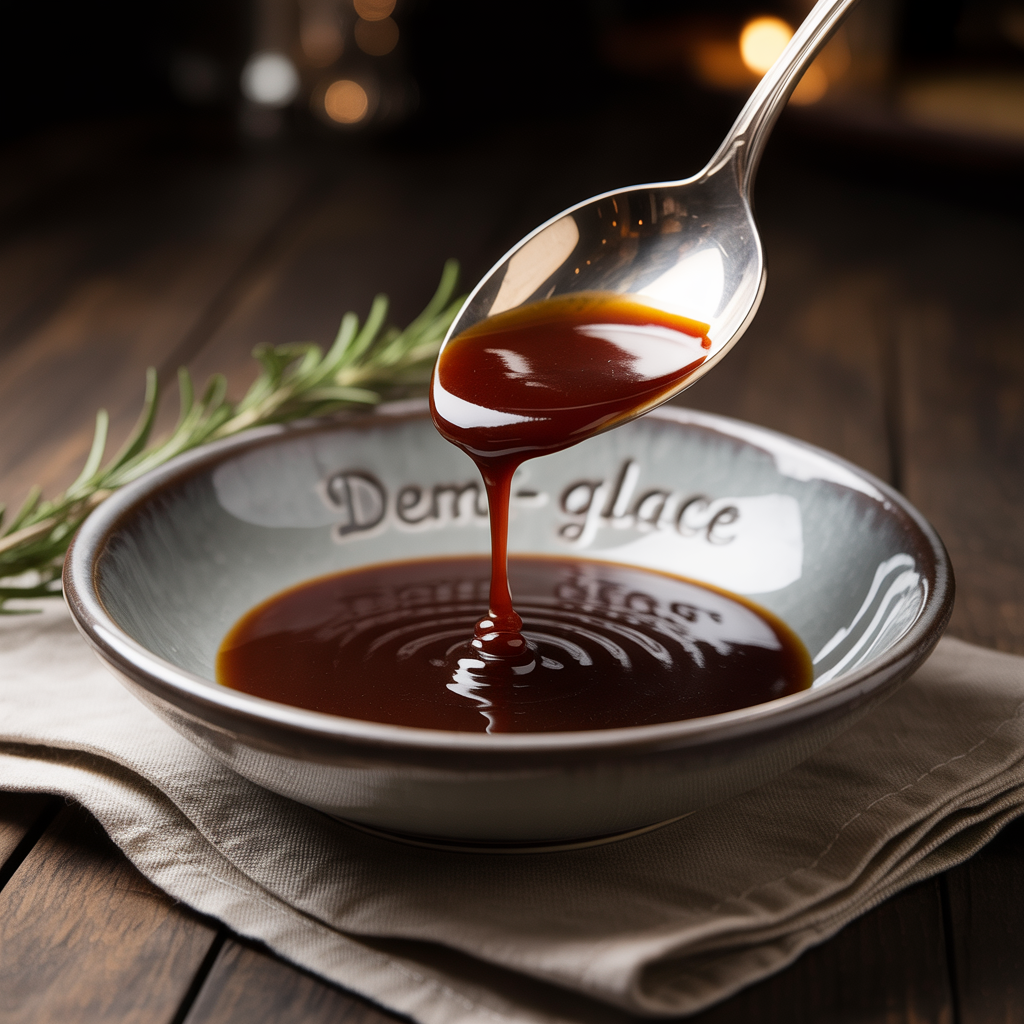
Demi-glace is a thick, shiny sauce that forms the foundation for many classic sauces like bordelaise or mushroom sauce, or modern sauces like my Japanese mashup called Gyu-Demi. It’s also an excellent sauce used as is. Its roots go back a couple of centuries in French cooking, prized for its deep flavor savory and velvety texture. The key ingredient is veal bones, which contain gelatin—that natural thickener and shine-maker. The gelatin makes the sauce thick and glossy without adding fat, giving it a luxurious feel on the palate. Chefs prefer homemade demi-glace because store-bought versions often lack the depth and finesse of the hand-crafted sauce. It’s used to enrich sauces, braises, and stews, making ordinary dishes extraordinary. When you think about it, it’s pretty incredible: a delicious sauce (maybe the most delicious sauce) with very little fat or salt.
Essential Ingredients and Equipment
Demi-glace is made from veal bones because they have the gelatin to give the sauce its body and sheen. Other types of bones, like beef bones, will not yield the same results. Someone told me he made a great sauce from beef bones. I don’t doubt it. Yes, you can make a great sauce from beef bones, but if it’s not made with veal bones, it’s not demi-glace.
I don’t recommend scaling down the ingredients to try to make a smaller amount. About 10 lbs. of veal bones yield only about 2 cups of demi.
Gather these ingredients (see quantities below):
- Veal bones (about 10 lbs.)
- Mirepoix: onions, carrots, and celery
- Tomato paste (about 3 ounces)
- Bouquet garni: fresh thyme and parsley stems, bay leaves, black peppercorns
- Garlic
- Water
- Optional vegetable trimmings from other dishes
For tools, you’ll need:
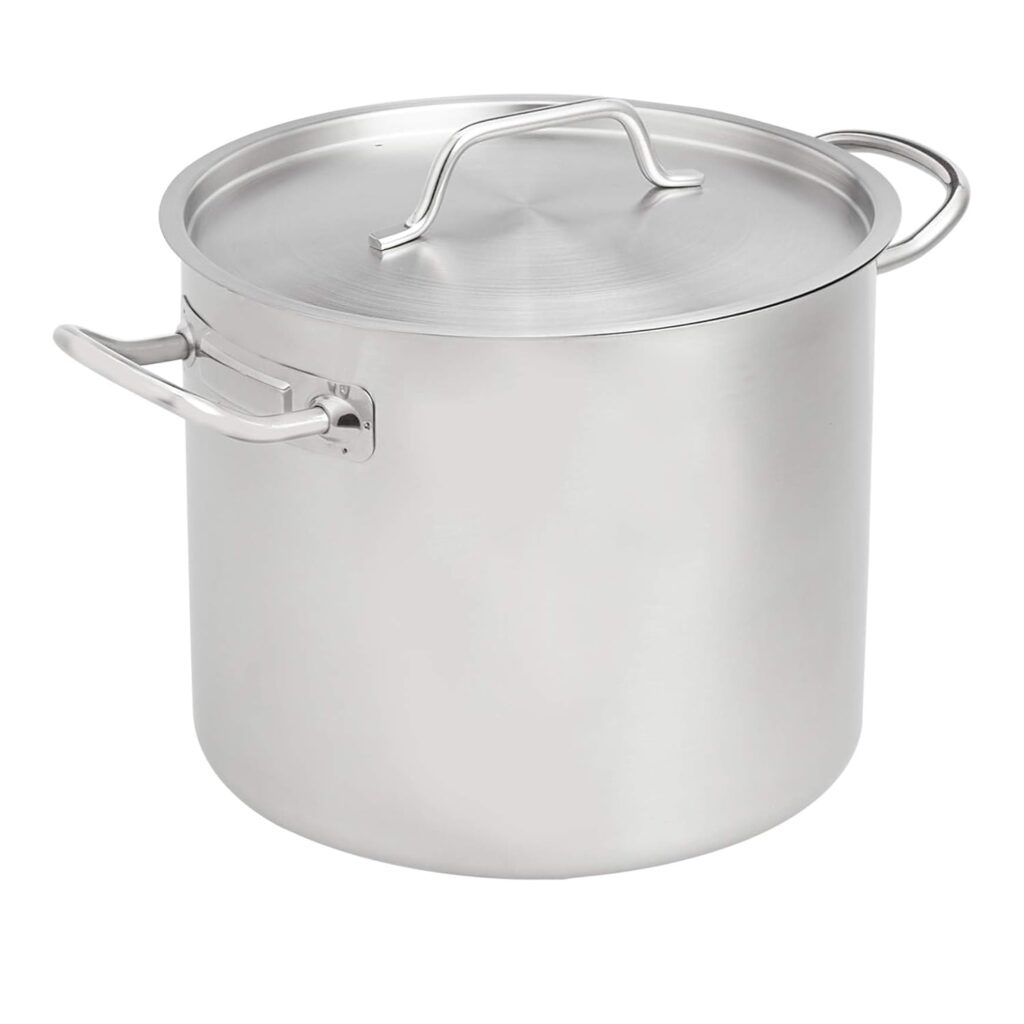
- Large stockpot (10-12 quarts, tall and narrow)
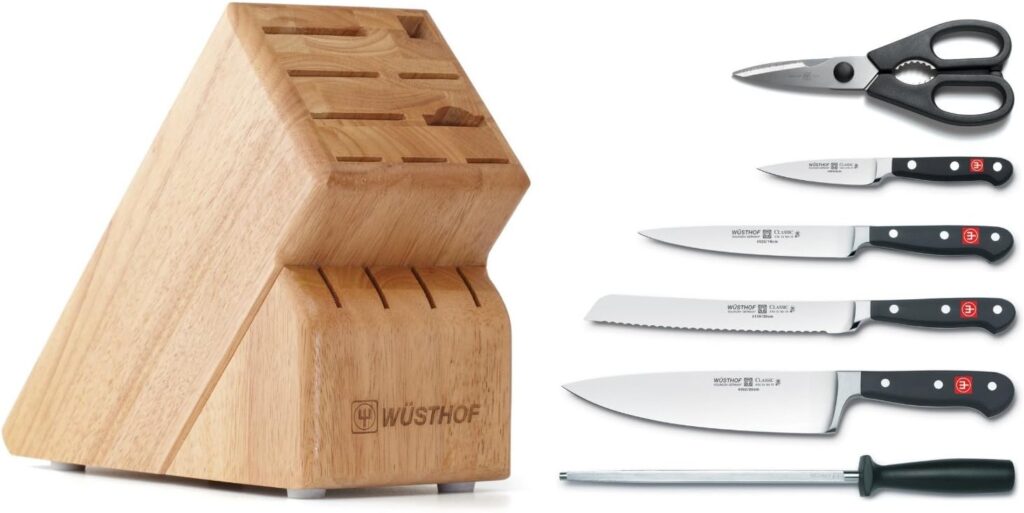
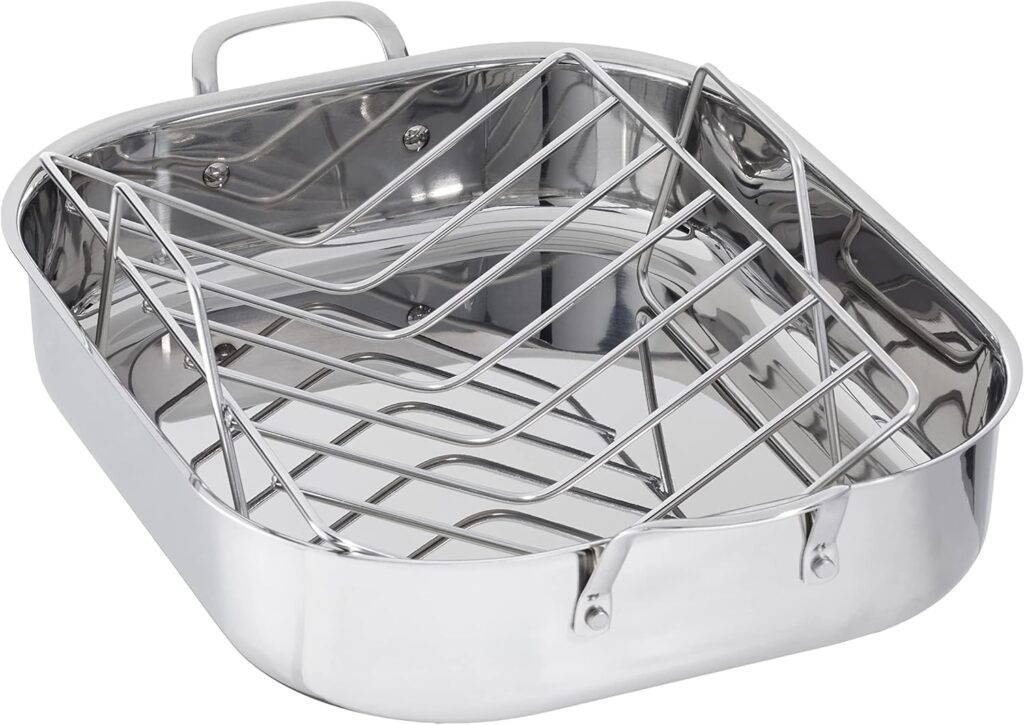
- Roasting pan or sheet pans
- Silpat baking mat or foil
- Fine mesh strainers
- Skimmer
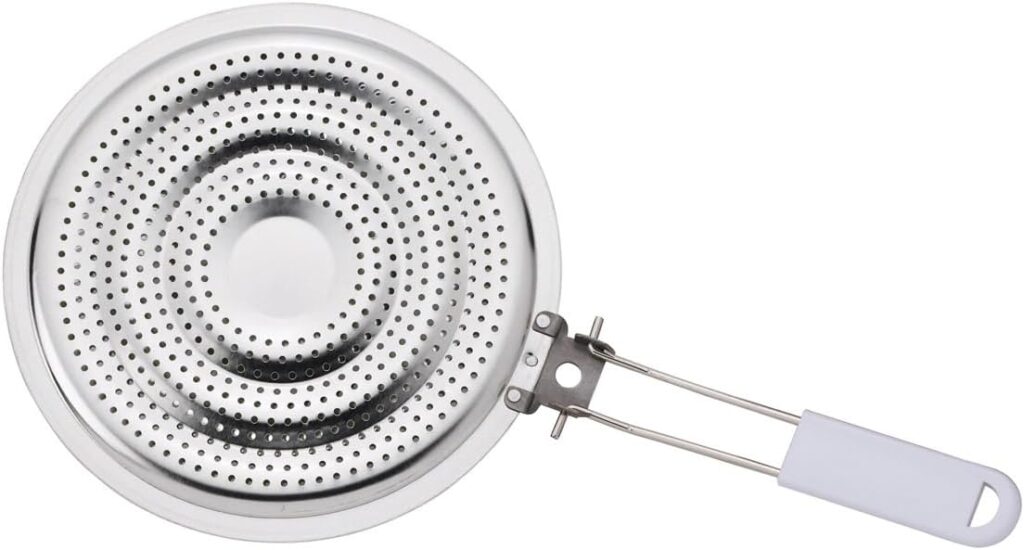
- Heat diffuser
- Small containers for freezing stock
- Kitchen twine

Planning Ahead
I make demi-glace over a three-day period. Yikes! This may sound crazy in today’s fast-paced world, but I do it for two reasons: 1. the result is worth the effort and 2. my method eliminates the need to be cooking the stock while you are sleeping, which I don’t like to do. All the steps take place during waking hours. If you start on a Friday night, you will finish on Sunday.
Day 1, Step 1: Roasting and Preparing the Bones
Roasting bones develops flavor and gives the demi-glace its rich color. Spread the veal bones in a roasting pan or sheet pan lined with Silpat mats or foil. Preheat your oven to 400°F for optimal browning. Roast the bones for about an hour, turning them occasionally for even color. Keep them spread out—crowded bones don’t brown as well. When they’re a deep golden brown, pull them out to move to the next step. Be careful not to burn them, which can ruin the final sauce, making it bitter.
Day 1, Step 2: Making the Mirepoix and Building Flavor
While the bones roast, cook the mirepoix in the stock pot. Use 3:2:1 onions, carrots, and celery—about 3 cups onions, 2 cups carrots, and 1 cup celery (including leaves). Heat a few tablespoons of olive oil in the stock pot over medium heat. Add your vegetables, stir them up, and cook until they turn translucent. Once they’re sweating nicely, keep cooking until they brown. The browning is the Maillard Reaction in action, which intensifies the flavor, creating a deeper base. Again, be careful not to burn the mirepoix.
Next, add half a can of tomato paste (about 3 oz). Cook for 3 to 5 minutes, stirring constantly. This step caramelizes the paste, adding richness. Scrape up all the browned bits (fond) from the bottom of the pot and deglaze with a splash of water. Mix this into your vegetables.
After an hour of roasting, brush the bones with a mixture of tomato paste thinned with a little water—they’ll caramelize in the oven. Roast the bones for another hour. This double roasting builds flavor and color, key to a excellent demi-glace. If the bones look like they might burn, reduce the oven temperature or roasting time.
After the second hour of roasting, move the bones to your stockpot. Pour or skim off the fat in your roasting pan and discard it —fat isn’t needed for demi-glace. Dab away any remaining fat with a paper towel. Scrape any remaining fond from your pans, deglazing with a little water if necessary, to release it, and add it to the stock pot, too. The goal is to extract as much flavor as possible.
Day 2, Step 3: Making the Veal Stock
In the morning, fill the stock pot with enough water to cover the bones and vegetables. Add the bouquet garni, garlic, and any trimmings. Start the stove and bring the water to a gentle simmer. Do not boil! Boiling emulsifies fat into the stock, clouding it and making it harder (and sometimes impossible) to clarify later. Keep the heat low, just enough to form gentle bubbles. Simmer for 10–12 hours, skimming scum off the surface. A long, slow simmer releases maximum gelatin and flavor.
After simmering, strain the stock through a fine mesh strainer to remove solids. It may take multiple passes. Be sure to discard all vegetable bits and bones. For clarity, strain the stock again into a clean pot, removing any remaining debris and fat.
Refrigerate overnight. The fat will solidify on top, making it easy to remove the next day. Properly cooled, your stock will be gelatinous and richly flavored, waiting to become demi-glace.

Day 3. Step 4: Clarifying and Reducing the Stock
The next day, remove the solidified fat layer. Carefully skim it off with a spoon. The gelatin underneath will appear wiggly and shiny—a sign you did well.
Gently reheat the stock on low. Stir often to break down any remaining lumps. When fully liquefied, strain again through a fine mesh sieve to eliminate any debris. Now, pour the stock into a smaller pot. You should have about 4 quarts. Bring it to a gentle boil and start reducing.
Reduce the volume from about 4 quarts to roughly 2-3 cups. This process takes about 4-6 hours—be patient. The goal is to concentrate flavor while maintaining clarity and glossiness. You’ll know it’s ready when the sauce becomes syrupy, transparent, and coats a spoon. This is called “reducing to perfection.”
Expert Tips and Troubleshooting
Use a tall, narrow stockpot—less evaporation means a richer, more intense demi-glace. You don’t want the liquid to evaporate too much. You want to start the reduction with about 4 quarts of stock. The taller the pot, the less evaporation.
Skim that scum regularly to keep the sauce clear and shiny.
Keep the simmer very gentle, adjusting heat as needed with a diffuser if bubbles are too vigorous. If the stock starts to boil too hard, move the pot to a cooler spot or turn down the heat. Moving the pot to the edge of the burner usually works.
Don’t rush the reduction; it’s the secret to a balanced flavor. When done, taste the demi-glace—it should be intensely savory, slightly sweet, with a glossy surface.
Freeze your sauce in small containers to save for future recipes.
Applications and Tips for Using Demi-Glace
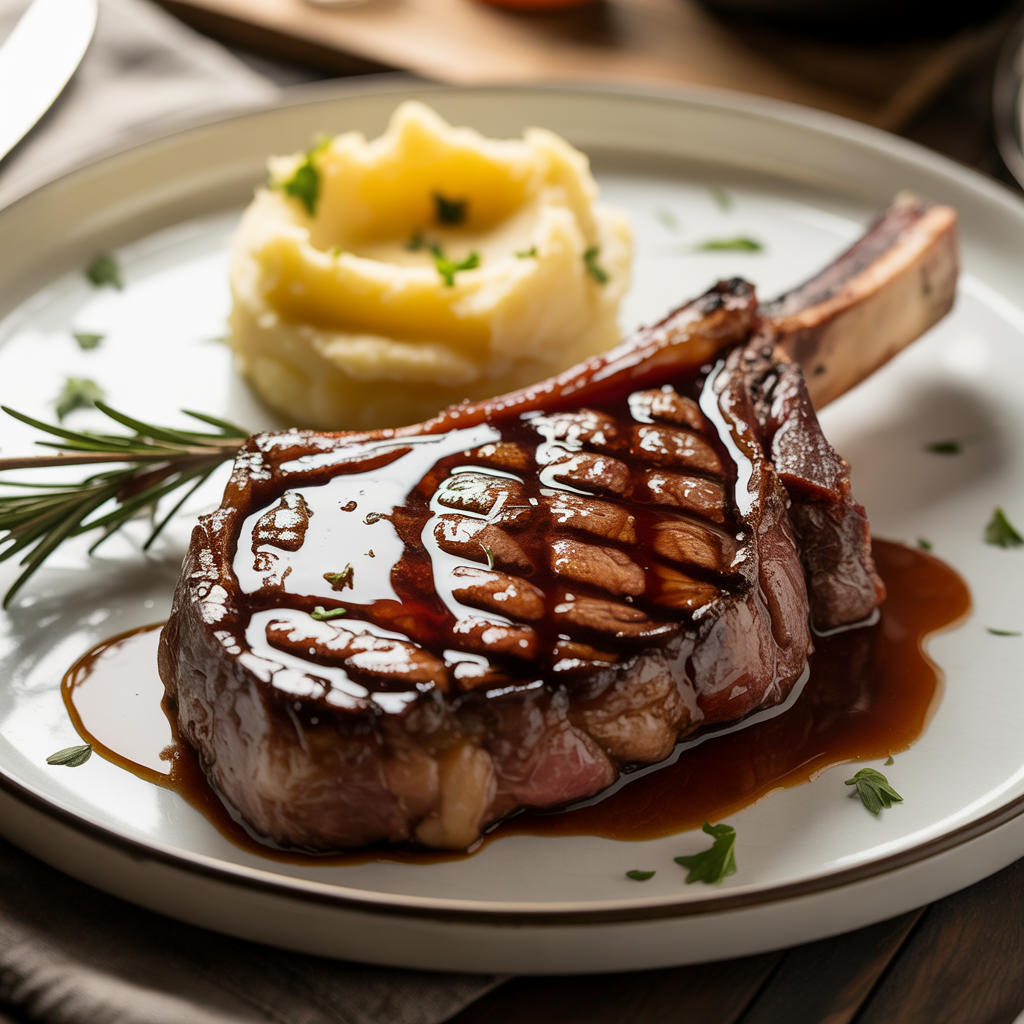
Demi-glace is a chef’s secret weapon. It’s perfect for making rich sauces like bordelaise or mushroom sauce. You can add red wine, shallots, or herbs for extra flavor. Use it as a finishing touch on steaks, roasts, or braised vegetables. Keep small portions frozen so you always have some handy. The homemade version beats store-bought every time, with authentic depth and no preservatives or added salt.
Conclusion
Making demi-glace from scratch involves a bit of time and care, but the taste payoff is priceless. Each step, from roasting bones to simmering the stock, builds layers of flavor that commercial versions simply can’t match. Once you master it, you’ll find endless ways to elevate your dishes and impress anyone at your dinner table. Take pride in creating this classic sauce—it’s a true mark of a dedicated home chef. Ready to start your own journey to liquid gold? Dive in and enjoy the process!
Disclosure: As an Amazon Associate I earn from qualifying purchases. If you buy from a link on this site, I may earn a small commission from the vendor without any additional cost to you. No company pays me to say anything in particular, or to say nice things. I only stand behind products I believe in.
Ingredients
- About 10 lbs. veal bones
- About 3 cups onions, peeled and chopped
- About 2 cups carrots, peeled and chopped
- About 1 cup celery, chopped
- Vegetable trimmings (optional)
- Bouquet garni (several fresh thyme sprigs, a small bunch of fresh parsley or parsley stems, about 2 Tb. black peppercorns, 1-2 bay leaves)
- 1 head of garlic, halved horizontally
- 6 oz. tomato paste
- Olive oil
Step-By-Step
To see my step-by-step video, click here.
Day 1: Make veal stock
- 1. Roast bones 1 hour @ 400F, single layer
- 2. Brown mirepoix in olive oil, in stock pot
- 3. Add ~3 oz. tomato paste and cook and stir 3-5 minutes
- 4. Deglaze with water and scrape fond
- 5. Mix ~3 oz. tomato paste with a little water, so it’s easy to brush on the bones
- 6. Brush tomato paste on bones
- 7. Roast 1 more hour
- 8. Add bones to stock pot
- 9. Pour off and discard fat, deglaze roasting pan with water and add to stock pot
- 10. Fridge overnight
Day 2: Continue Making Veal Stock
- 11. Cover ingredients with water; add bouquet garni, garlic, trimmings
- 12. Bring to boil but don’t boil, reduce heat and simmer 10-12 hours; skim as needed
- 13. Strain
- 14. Fridge overnight
Day 3: Finish Veal Stock
- 15. Remove fat
- 16. Strain once or twice
Day 3: Make Demi-glace from stock
- 17. Slowly reduce about 4 qts. veal stock to 2-3 cups (4-6 hours)
- 18. Use or freeze