John Hornick — Chef’s Apprentice
Cooking like a pro starts with your knives. In any kitchen, a few good knives are worth their weight in gold. Sharp, well-chosen knives can make every task easier and safer. Great knife skills help you cut evenly, prepare ingredients faster, and make your dishes look more appealing. Whether you’re a home or restaurant chef, this guide covers the most important knives to handle any kitchen task.
Selecting the Right Knife for the Job
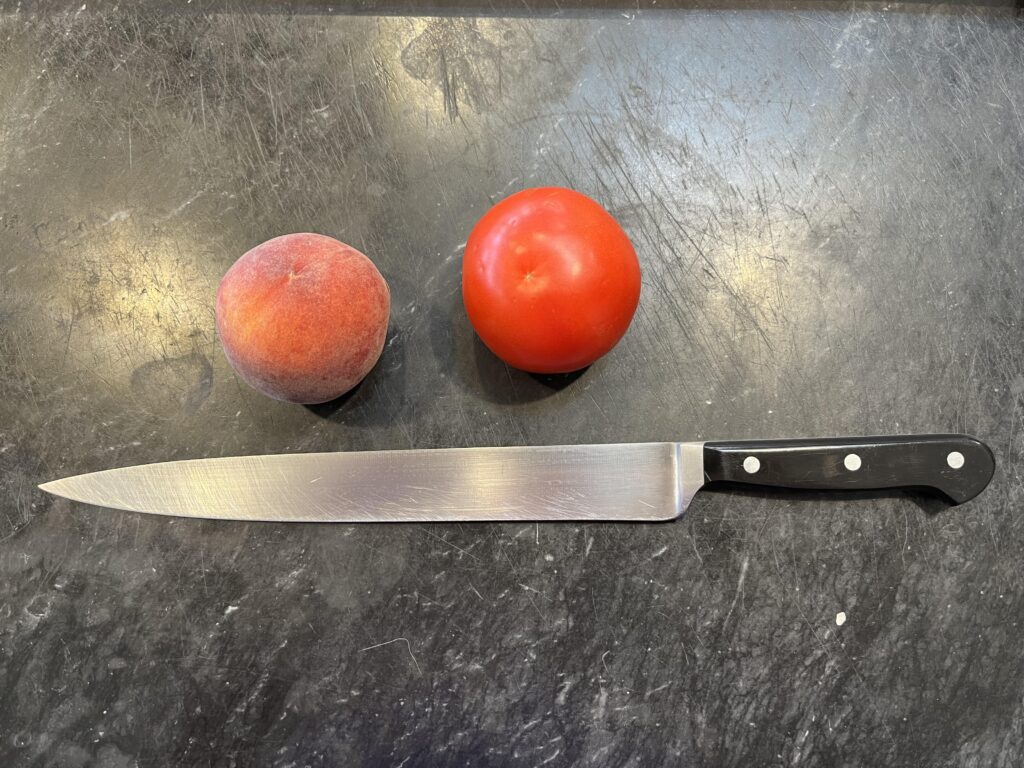
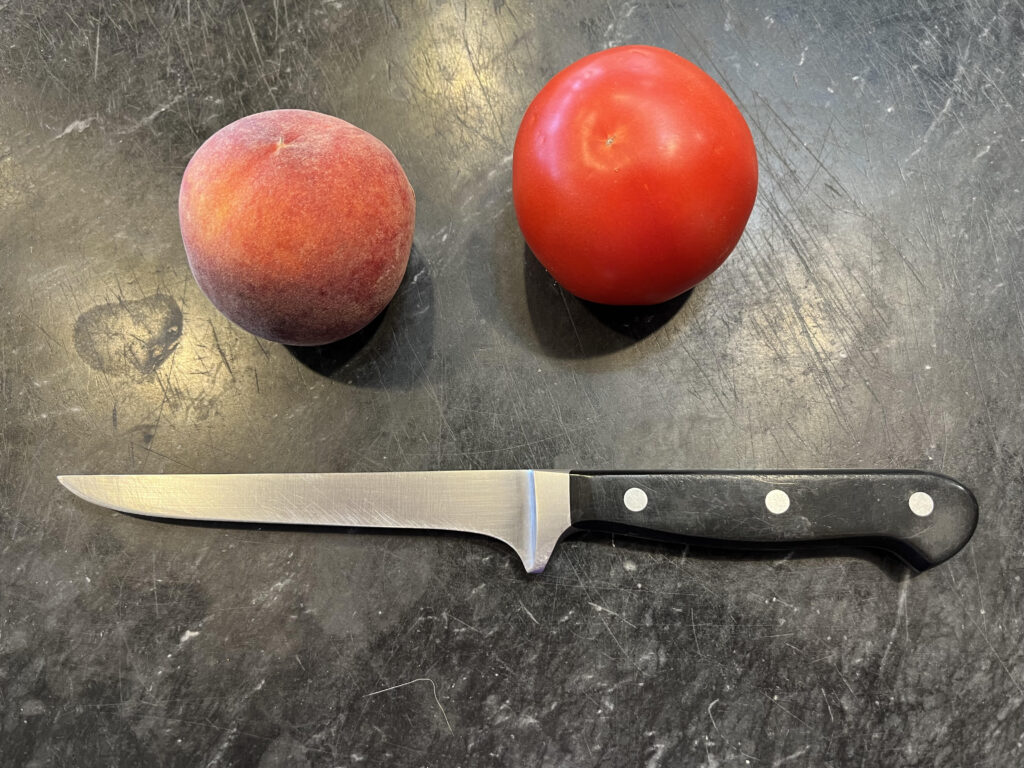
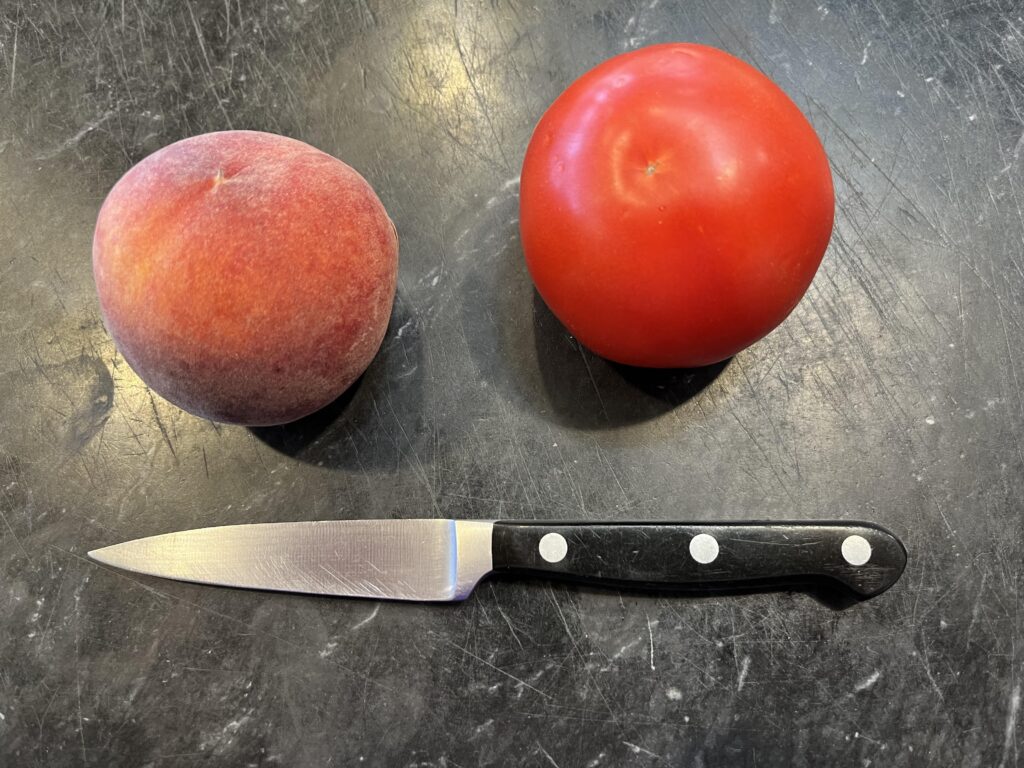
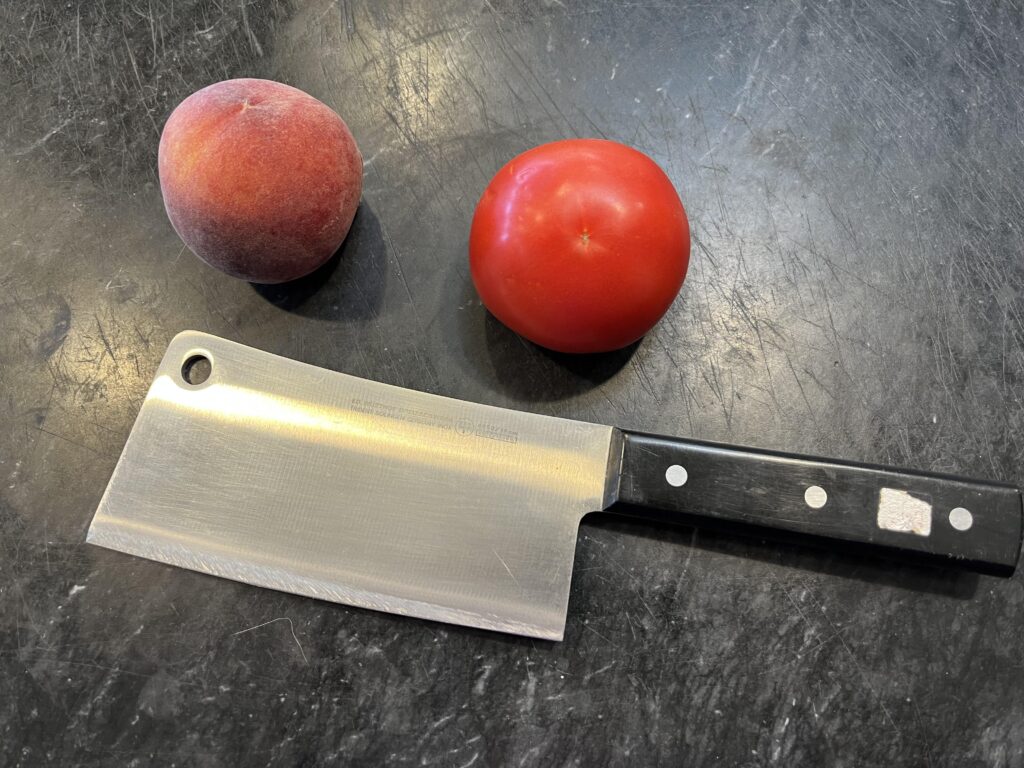
Each of the kitchen knives shown in the photo has a best use, so picking the best knife for each job is important. The Chef’s Knife is the most versatile and will be your go-to choice. It’s useful for many kitchen jobs, from chopping meat and vegetables, slicing onions, to crushing garlic with the side of the knife. This is the knife I use most of the time. If you need to cut meat or fish precisely, especially thinly, grab the slicer. To clean a fish or remove chicken thigh bones, choose the boning knife. For small work, the paring knife if your friend.
The Chef’s Knife: The Workhorse of the Kitchen
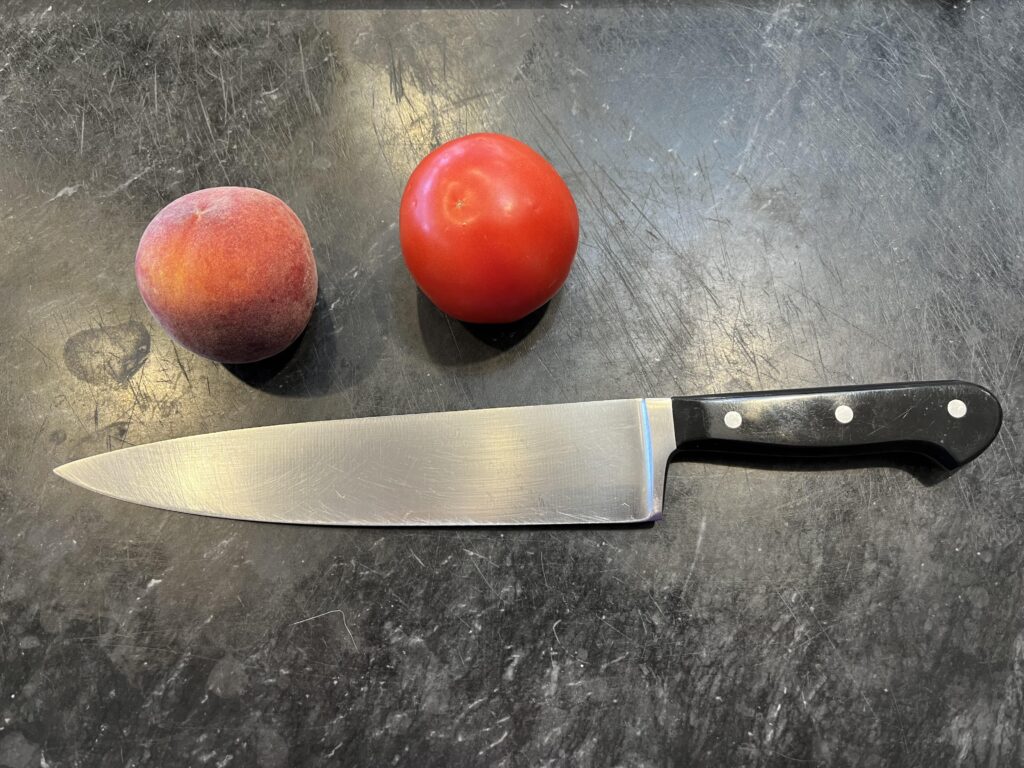
The chef’s knife is like your best partner—it can handle almost every task. It’s curved, which helps you rock the blade back and forth for chopping. A good chef’s knife should be big enough—with a blade about 8 to 10 inches long—so you can chop efficiently. Hold the handle comfortably, curling your fingers underneath for a firm grip. As you get used to it, you’ll notice how much faster your prep becomes. If the knife is too small, chopping is slower and feels clumsy; too big, and it’s hard to control. Find the size that fits your hand for better control. Most people need one bigger than they think they need. I think my 9″ chef’s knife is perfect.
Slicing Knives: Precision and Versatility
A slicing knife is longer and more flexible, making slicing meats or fish easier. Its thin blade lets you cut in one smooth stroke without sawing. This means cleaner cuts and less damage to the food. Choosing the right length and sharpness makes a big difference. A good length for a slicer blade is about 10″.
Boning/Filleting Knives: Handling Proteins
Boning knives are designed with a narrow, sharp tip for cutting around bones or removing them from meat, chicken, or fish. They are smaller and more precise, perfect for deboning or filleting. A special fish fillet knife may have a more flexible blade, helping you make clean cuts through delicate fish without tearing. Hold the protein steady and use gentle, controlled strokes.
The Paring Knife: Small but Mighty
This tiny knife is your go-to for peeling fruits and vegetables, trimming, and detailed work. Its small size allows you to do fine cuts that bigger knives can’t handle well. Practice holding it gently, with your chopping hand controlled for precision. It’s perfect for tasks like de-seeding peppers, removing the eyes from potatoes, or slicing fresh pasta sheets.
Meat Cleaver
A meat cleaver is used for chopping through bones and thick cuts of meat. Its weight and wide blade pack power—useful for heavy-duty tasks. These knives are also the favored weapons of cartoon chef’s whose food a guest has insulted.
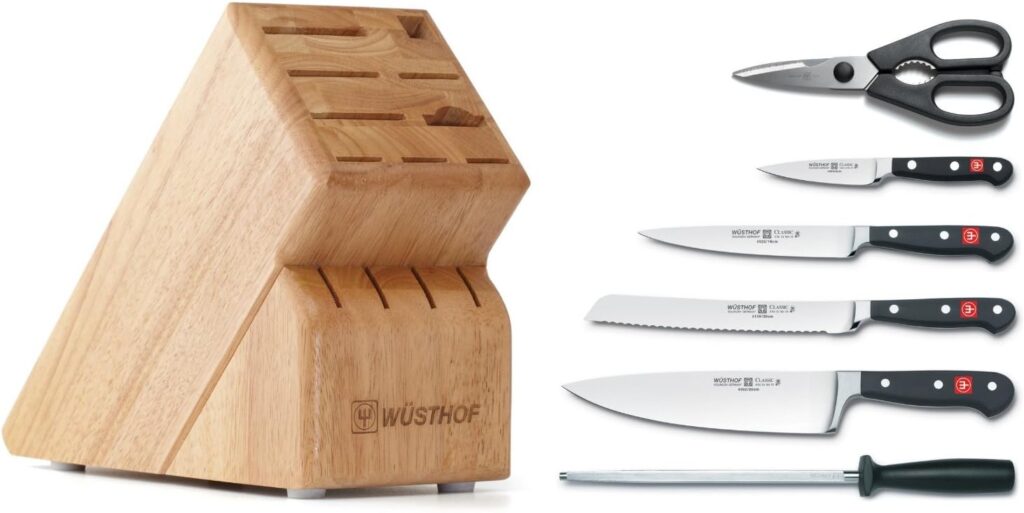
A word about cost. As is true of most things, you get what you pay for. Good cooking knives are not inexpensive but they will last a lifetime. Also, they may cost more if you but them separately. Buying a set, like the one shown at the bottom of this post, may be more economical.
Picking and Caring for Your Knives
Materials and Construction
Most kitchen knives are made of stainless steel or high carbon steel. Stainless steel knives are rust-resistant and easier to clean, but they don’t get REALLY sharp and may not stay sharp as long. Steel with at least 16% chromium is common in quality knives. High carbon steel blades are sharper and hold an edge longer but require more attention to prevent rust (watch for my blog post on carbon steel knives, which can get REALLY sharp). Handles can be made of wood or synthetic materials—choose what feels comfortable and durable for you.
There are many good knife brands but I started using Wusthof in cooking school. As my cooking school chef said, “take care of them and they will last a lifetime.” My knives still look great after many years of use.

How to Sharpen and Hone Your Knives
Keeping your knives sharp is important for both safety and performance. Dull blades slip and cause accidents more often than sharp ones.
Honing steels are for daily maintenance—just slide both edges of the knife along the steel a few times immediately before using the knife.
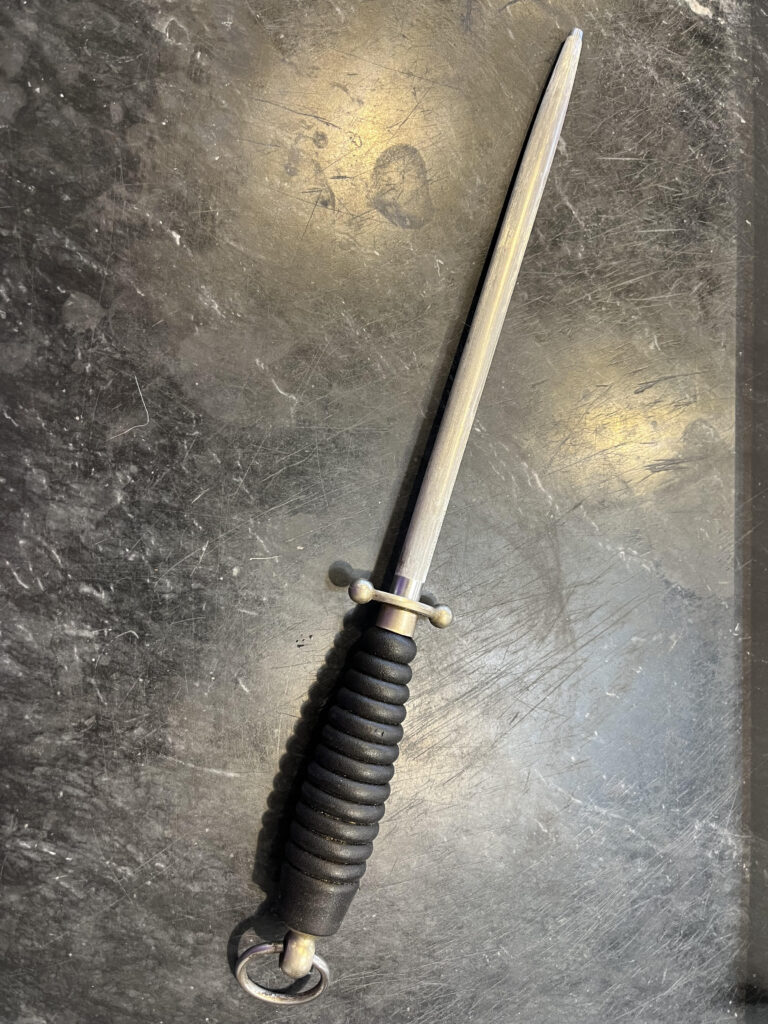
For periodic sharpening, I’ve been using this simple sharpener for years.
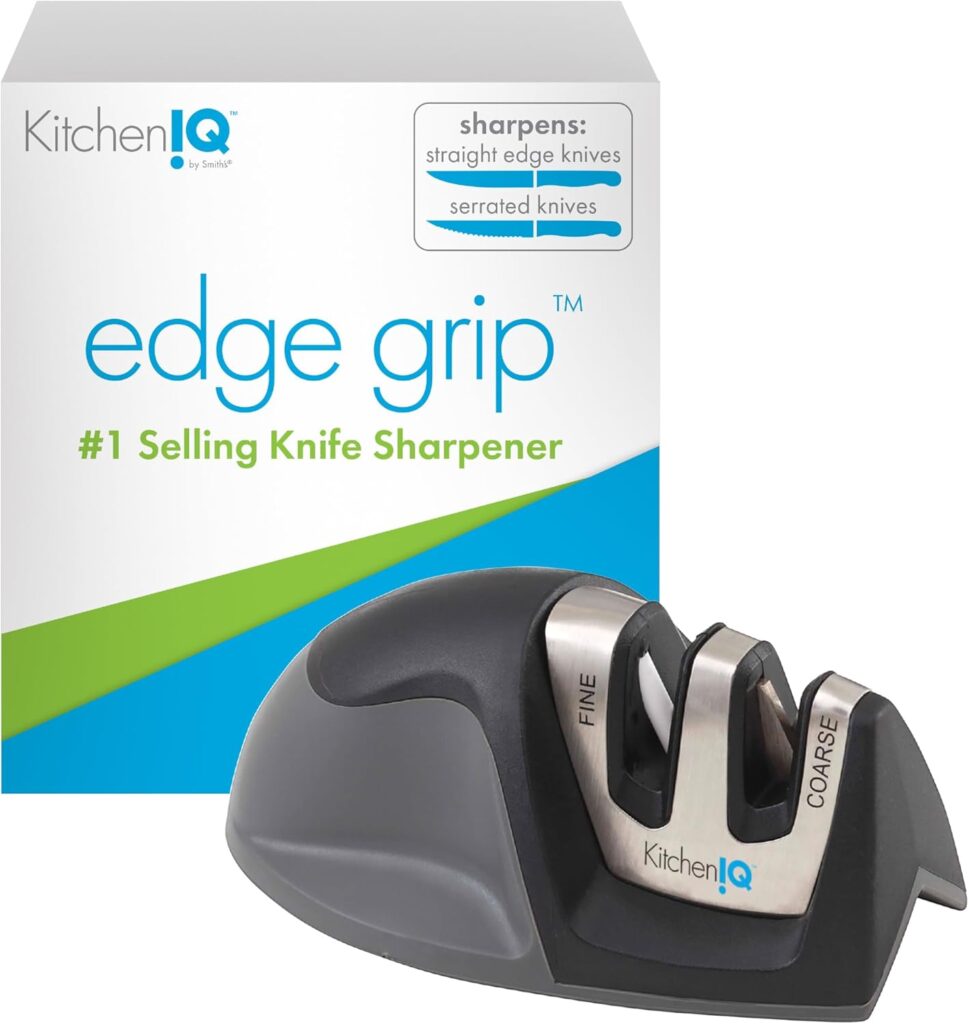
You can get much more serious about sharpening (as I have), using progressive grit sharpening stones. Watch for my blog post about sharpening with stones.
Regularly sharpening and honing your knives will make cooking safer and easier. A sharp knife needs less force to cut through ingredients. This means less slipping and fewer injuries. Dull blades can slip or crush food unevenly, increasing risk. Always keep your knives sharp and use the appropriate knife and technique for each task (watch for my blog post on technique, or see my video).
Proper Care and Storage
Wash your knives by hand immediately after use. Dry them thoroughly to keep them like new. Store knives in a knife block, a magnetic strip, or sheaths—this prevents dulling and keeps them safe. Regular inspections can help spot signs of wear, and professional sharpening can restore your knives’ edge.
Conclusion
Mastering the right knives and techniques improves every part of cooking. Sharp, well-maintained knives save time and make your food look chef-quality. Practice safe handling—always pay attention to your fingers. Keep honing your skills, and your knives, and soon you’ll be slicing, dicing, and chopping like a professional. With patience and practice, your kitchen confidence will grow, turning everyday meals into delicious works of art.
Disclosure: As an Amazon Associate I earn from qualifying purchases. If you buy from a link on this site, I may earn a small commission from the vendor without any additional cost to you. No company pays me to say anything in particular, or to say nice things. I only stand behind products I believe in.