John Hornick — Chef’s Apprentice
Imagine the flicker of flames dancing over a sizzling pan at your table, the rich aroma of seared beef, butter, and cognac filling the air. That’s the magic of Steak Diane, a dish cooked tableside that turns a simple dinner into a show. This classic recipe from the mid-20th century has wowed diners for decades, and now you can bring it home to impress your guests.
I first fell in love with Steak Diane as a young garde manger at the restaurant where I worked my first job, where it stole the show in the dining room. With its bold flavors and dramatic flair, Steak Diane isn’t just food—it’s an experience that lingers long after the last bite. Get ready to master this classic dish, step by step, and watch the compliments roll in.
The Heritage and History of Steak Diane
Steak Diane carries a legacy of elegance and excitement. Born in the mid-20th century, it became a staple in fine dining spots across America. Chefs and home cooks alike cherish it for the way it blends simple ingredients into something extraordinary.
Understanding the “Official” Recipe Debate
No single recipe rules Steak Diane; that’s part of its charm. Some folks toss in mushrooms or garlic for extra depth. Others stir in cream, white wine, or demi-glace to make it their own. This version sticks close to what I recall from the restaurant—simple yet stunning. Dating back to the 1950s, it is said to honor Diana, the Roman goddess of the hunt, with its quick, fiery prep. You might find variations everywhere, but the core stays true: tender beef in a zesty sauce.
Flexibility in Flavor: Customizing Your Steak Diane
Don’t stress over exact rules when making Steak Diane at home. Swap Sherry for white wine if that’s what you have on hand. Tweak the Dijon mustard or Worcestershire sauce— a bit more or less won’t ruin the magic. The key is balance; these tweaks let you tailor it to your taste. Even small changes keep the dish impressive. The servers at my old restaurant eyeballed portions, and it always turned out great. Play around, and you’ll find your perfect twist on this timeless recipe.
Check out my Steak Diane YouTube video.
Preparing the Foundation: Selecting and Pounding the Beef
Start with the right beef to set up success. A good cut ensures every bite melts in your mouth. Pounding it thin is the secret to that quick cook and tender, juicy result.
Choosing the Right Cut for Perfection
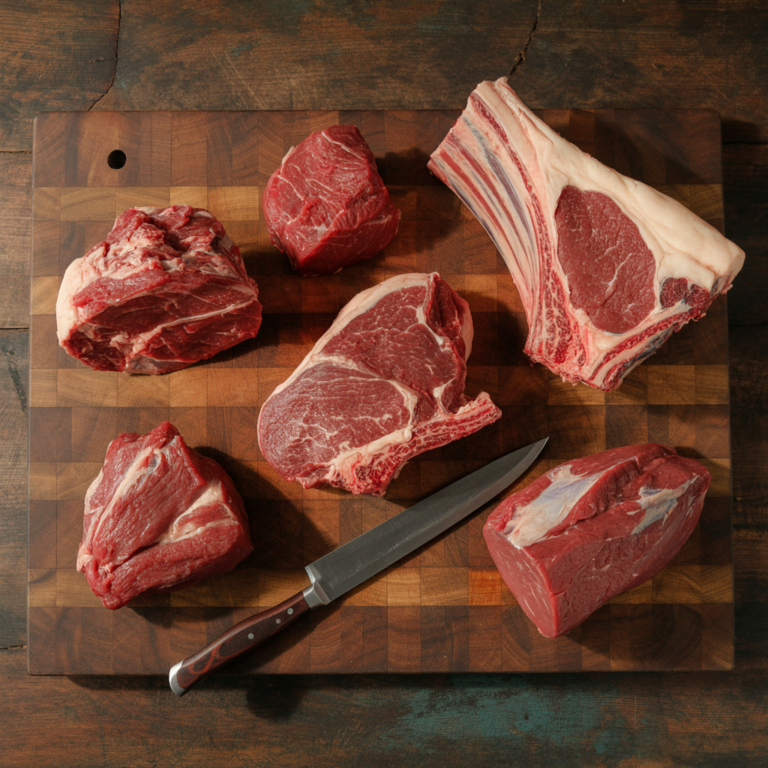
Go for cuts like ribeye, New York strip, or filet mignon. Ribeye brings rich marbling, while New York strip offers a firm bite. Filet mignon stays super tender. I often pick New York strip for its flavor punch. Aim for about 14 ounces total for two—that’s seven ounces each, a hearty portion without waste.
Great beef from a butcher makes all the difference in this classic Steak Diane recipe. For “Life Changing Meat”, check out the beef offerings from Porter Road.

The Pounding Technique: Achieving Uniform Thickness
Lay plastic wrap on your cutting board. Place the beef on top, then cover with another sheet. Use a meat mallet to pound it to about a quarter-inch thick. This even thickness cooks fast and absorbs sauce well.
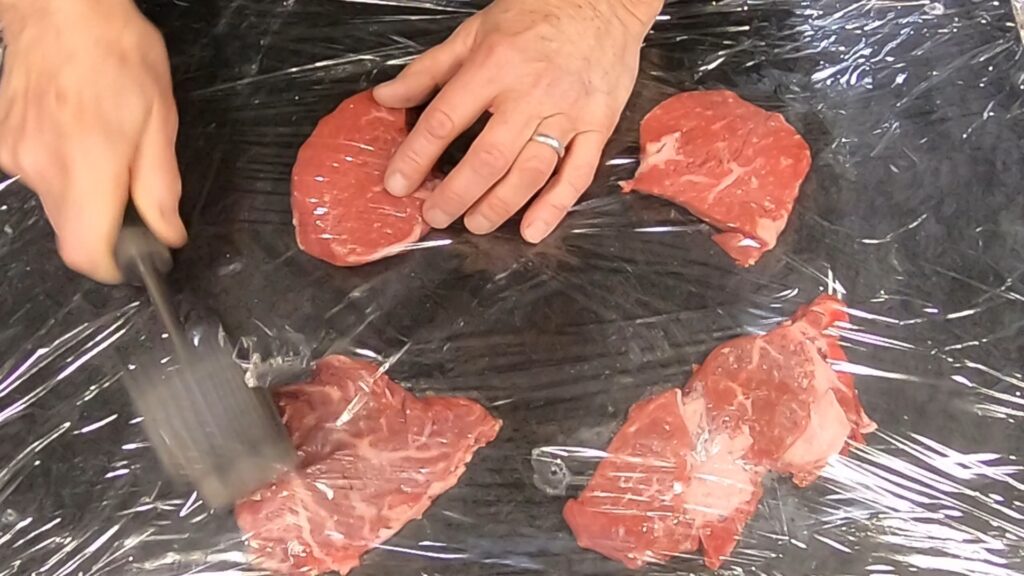
Peel back the top plastic to check your work; it should look uniform, not ragged. Let the pounded steaks sit at room temperature for 20 minutes before cooking. That step prevents a cold center and helps you get a perfect sear every time.
The Searing Process: Butter, Heat, and Browning
Heat is your best friend here. Searing locks in juices and builds flavor fast. Butter adds that golden crust no one can resist.
Melting the Butter: Generosity in the Pan
Warm a skillet over medium-high heat. Any saute pan will do, but you may want a pretty one if you plan to make this dish tableside for your guests’ enjoyment. Here’s one from Made In, which makes sturdy and attractive equipment.
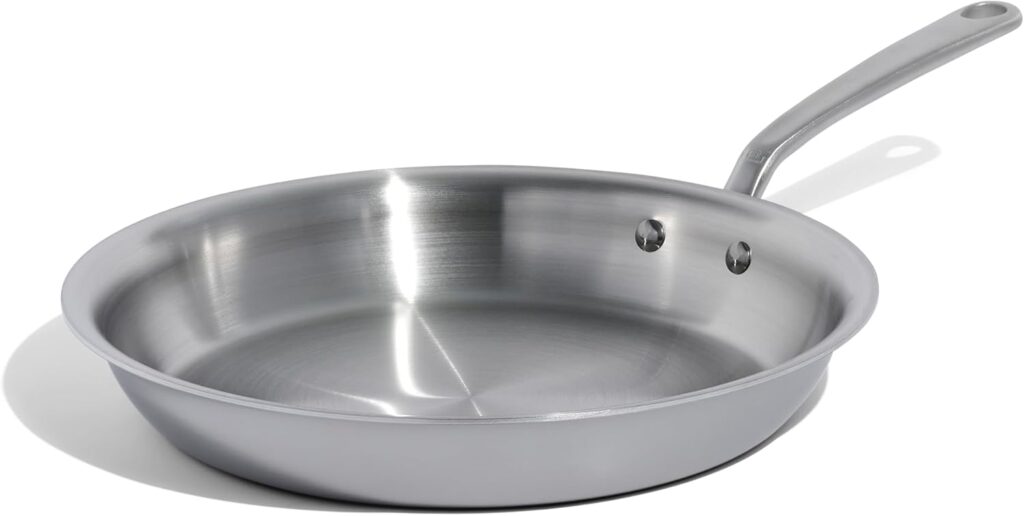
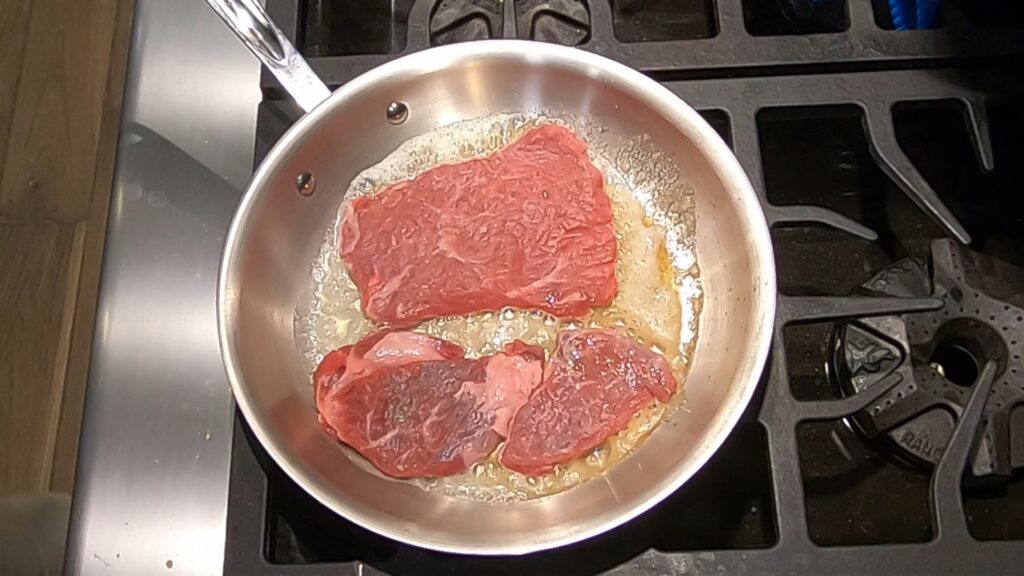
Drop in two tablespoons of butter, or grab a big dollop like the old-school servers did. Watch it melt and foam, coating the pan evenly. This generous base mimics tableside prep and infuses every element with richness. No need for precision; the butter’s job is to sizzle and shine. Then add the beef.
I usually cook Steak Diane tableside so my dinner guests can enjoy the show. I use a portable butane burner like this one. This one is also good for camping.

Cooking in Batches for Optimal Crust
Cook the beef medallions in batches to keep the pan hot. Slide one medallion into the bubbling butter. Season with kosher salt and fresh-ground black pepper right away. Let it sear for one minute until the edges brown lightly. Why batches? Crowding drops the temperature, leading to steaming instead of crisping. For two steaks, this means quick rounds that preserve that steakhouse quality.
The Quick Flip and Resting Phase
After one minute, flip the steak.
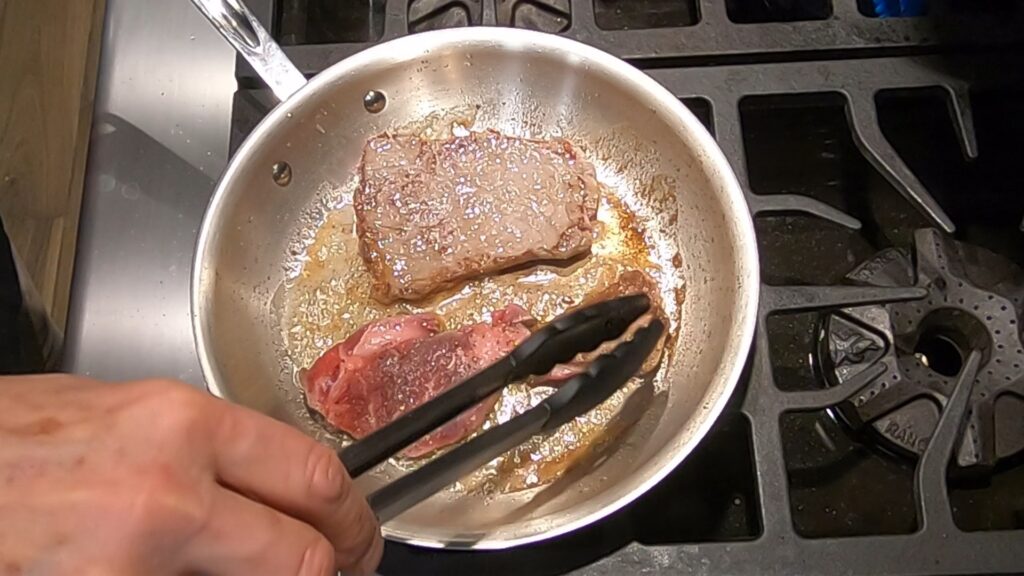
Cook the second side for 30 to 45 seconds— just enough for a light brown hue. Pull it out right away and set it aside to stay warm. Use a plate tented with foil, or pop it near the stove.
This short sear keeps the inside pink and tender, ideal for medium-rare fans. Repeat for the next piece, and you’ll have restaurant-level results.
Crafting the Iconic Sauce: Deglazing and Flavor Building
The sauce elevates Steak Diane from good to unforgettable. It’s where tangy and savory meet in a quick simmer. Build it layer by layer for maximum impact.
Sweating the Aromatics
Add a touch more butter to the pan after searing. Toss in finely chopped shallots. Stir them gently over medium heat. Sweating means softening them until translucent, not browned.
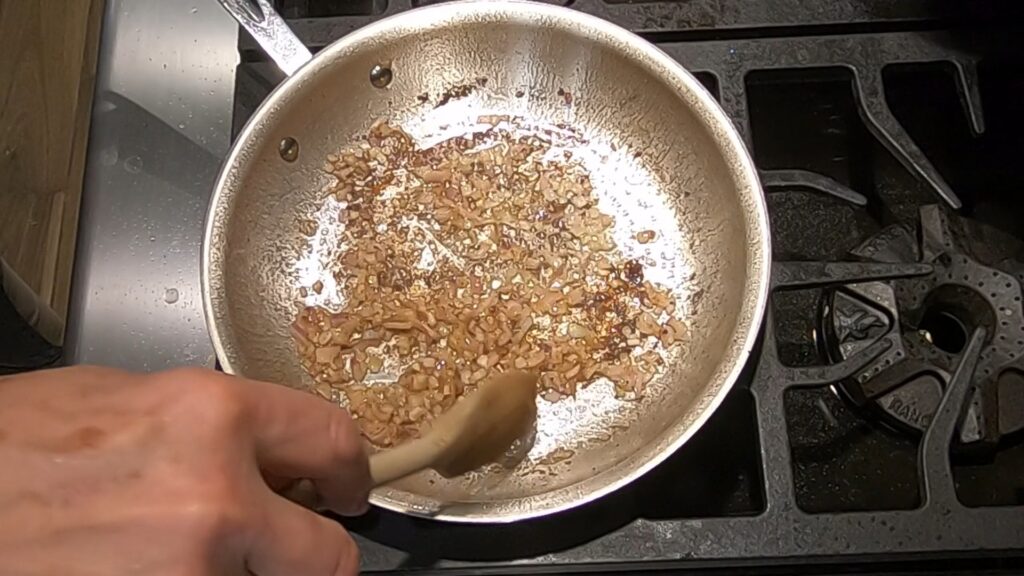
This takes one to two minutes and releases their sweet notes. It’s a simple step that ties the whole dish together.
The Flambé: Safety First with Cognac
Now comes the thrill: add a splash of cognac, about a quarter cup. Tilt the pan away from you and light it carefully with a long match or the burner’s flame (you should practice this (BE CAREFUL). Watch the blue flames dance as the alcohol burns off. Let them die down on their own—never blow them out.
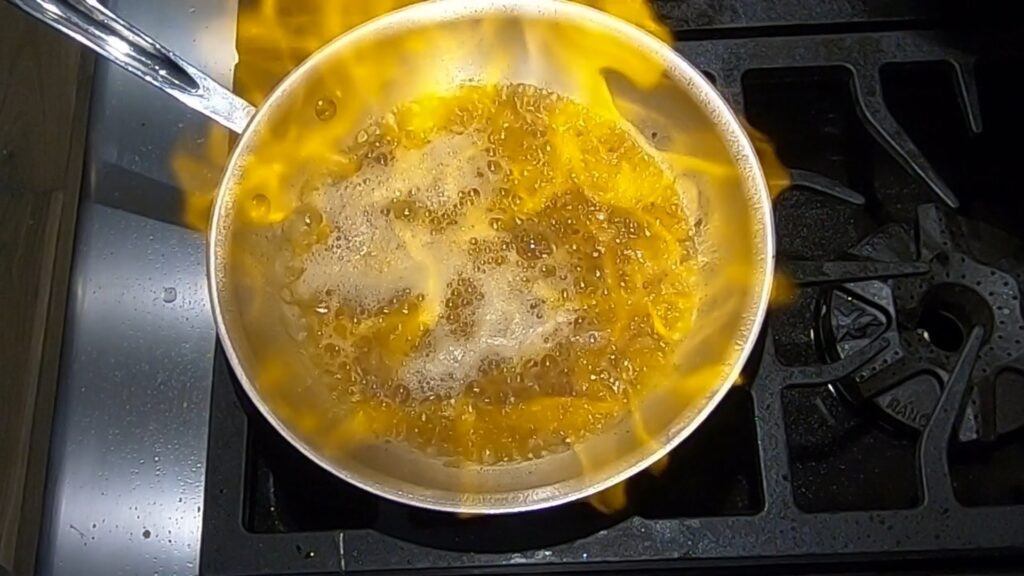
Safety tip: clear the area and keep a lid nearby to smother the flames if needed. This flambé step, straight from tableside tradition, adds depth without raw booze taste.
Building Depth: Mustard, Worcestershire, and Sherry
Stir in one tablespoon of Dijon mustard next. Follow with a teaspoon of Worcestershire sauce for umami kick.
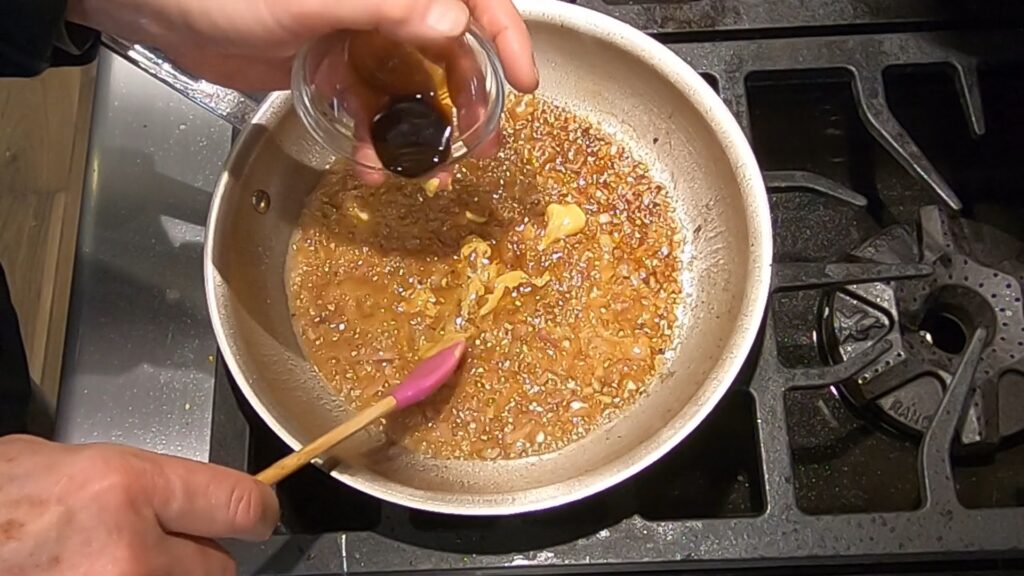
Pour in two tablespoons of Sherry and mix well. Let the Sherry bubble for 30 seconds to cook down a bit. Turn the heat low to medium now. This combo creates a glossy sauce that’s sharp yet smooth. Taste and adjust if you like; it’s forgiving.
Finishing and Presentation: Bringing Steak Diane Together
Tie it all back with these last moves. Warming and plating makes the dish shine. It’s the polish that impresses.
Reheating and Incorporating Pan Juices
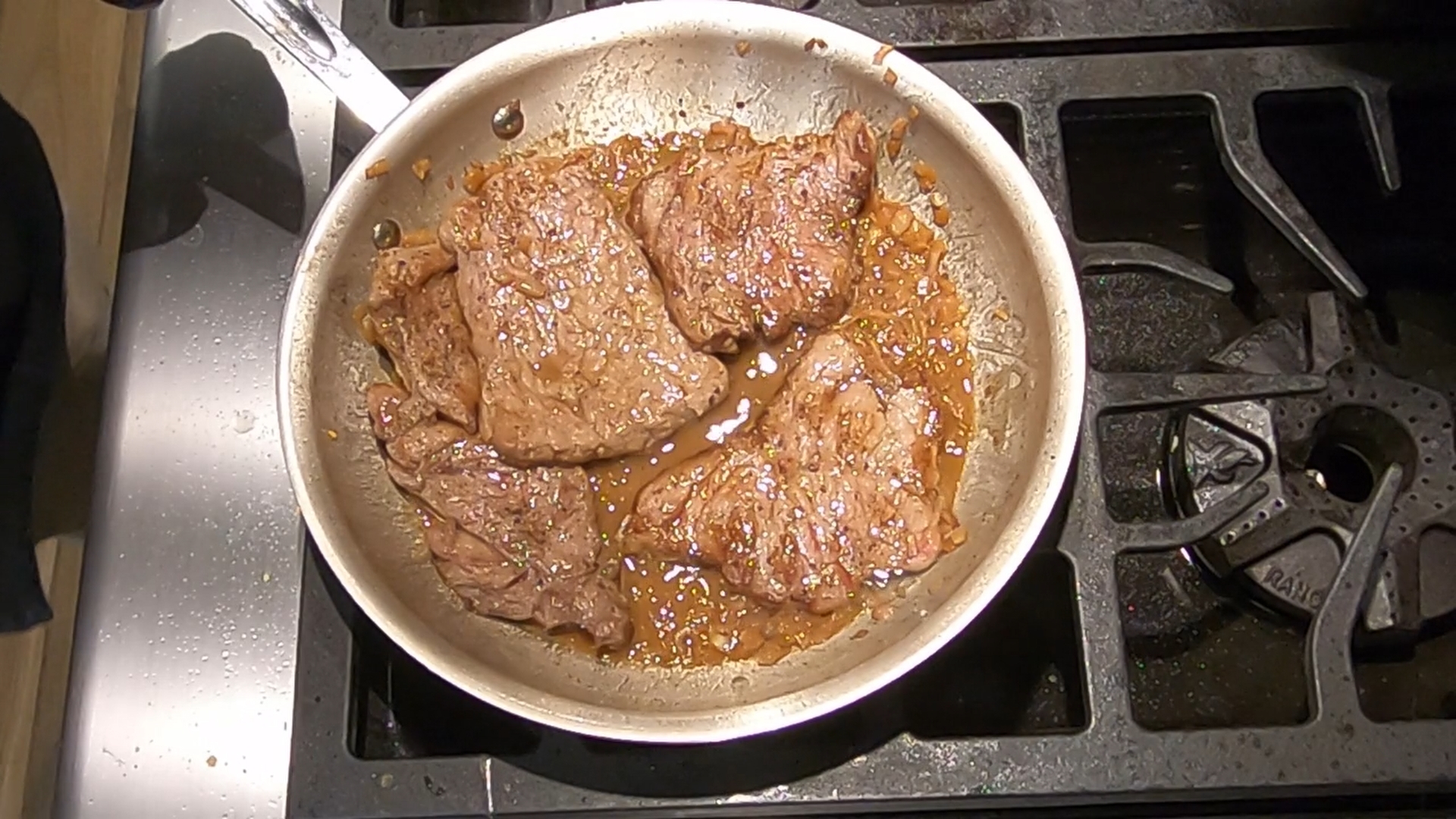
Slide the rested steaks back into the sauce. If juices pooled on the plate, pour them in too.
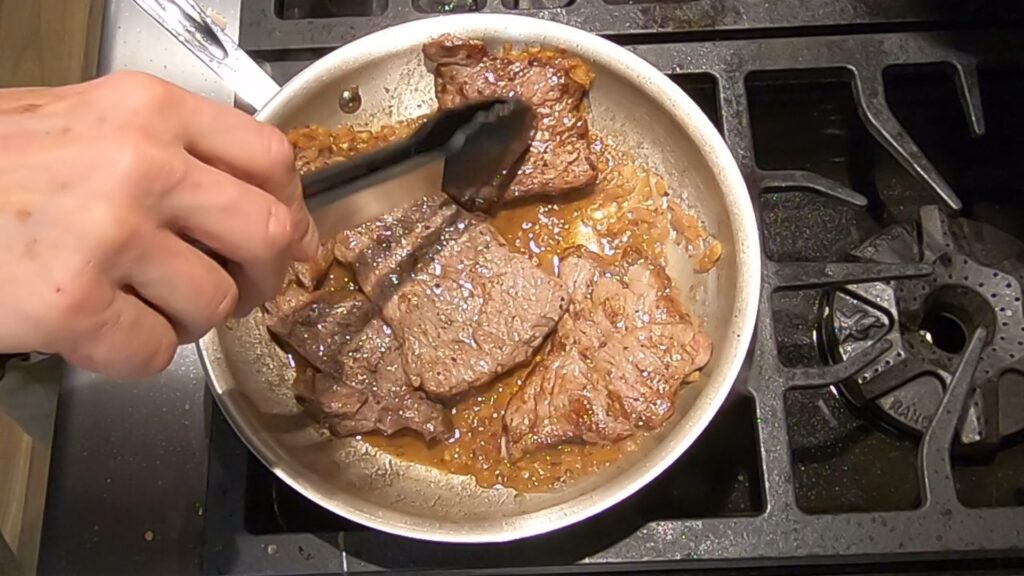
Warm everything for about one minute on low heat, spooning sauce over the meat. This reheats without overcooking and blends flavors perfectly. Keep it gentle; you want the beef just hot, not seared again or overcooked.
Plating for Maximum Impact
Divide the steaks between two plates. Spoon equal amounts of sauce over each.
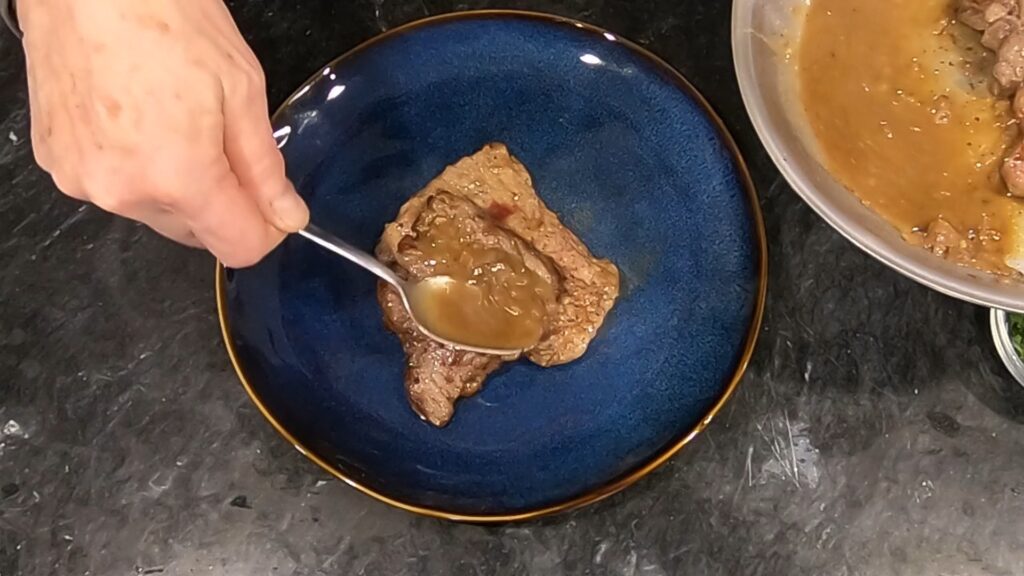
Finish with a sprinkle of fresh chopped parsley for a pop of green. Serve right away with sides like mashed potatoes or green beans. This setup looks pro and tastes even better. Your guests will love the care you put in.
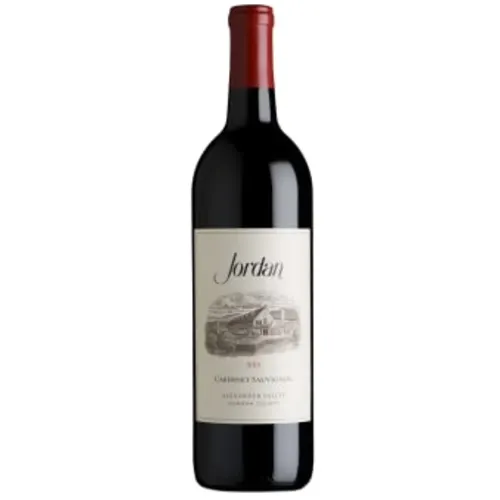
This dish wants to be served with a bold red wine, like the Jordan Cabernet Sauvignon (see photo below). Its aromas of ripe black cherry, currant, and boysenberry, and flavors of blueberry and cranberry pair well with this beef classic. If that wine isn’t available, Wine Express offers many other similar wines at discount prices.
Conclusion: Your Impressive Take on a Classic
Mastering classic Steak Diane means nailing the basics: pounding thin beef, searing hot and fast, and crafting a sauce with bold flair. You’ve got the tools now—from choosing cuts to that careful flambé—to recreate this mid-century gem. Whether you stick to my recipe or tweak it, the result wows. It’s more than a meal; it’s a memory maker. Try it soon, snap a photo of your plated masterpiece, and share it on Instagram at @chefsapprentice. Cook like a pro, impress your date, and subscribe for more tips to keep your kitchen exciting.
Disclosure: As an Amazon Associate I earn from qualifying purchases. If you buy from a link on this site, I may earn a small commission from the vendor without any additional cost to you. No company pays me to say anything in particular, or to say nice things. I only stand behind products I believe in.
Ingredients
- About 12-14 oz. ribeye, NY strip, or filet mignon, trimmed
- 2-3 Tb. unsalted butter
- 2-3 Tb. shallot, minced
- About ¼ cup cognac
- About 1 Tb. Dijon mustard
- About 2 Tb. dry sherry
- About 1 Tb. Worcestershire sauce
- About 1 Tb. parsley, chopped
- Kosher salt
- Peppermill
Step-By-Step
- 1. Trim, portion, and pound beef.
- 2. Melt butter until it foams.
- 3. Cook beef over med-high heat until lightly browned on bottom, about 1 min, seasoning with salt and pepper in the pan.
- 4. Turn and cook about 30-45 seconds, transfer to plate and cover.
- 5. Add shallots to pan and sweat.
- 6. Add cognac and flame.
- 7. Add mustard, Worcestershire, and sherry, cook about 1 min.
- 8. Add beef and turn to coat.
- 10. Simmer about 1 min.
- 11. Plate: beef, sauce, parsley.