John Hornick — Chef’s Apprentice
Japanese sake, officially known in Japan as “nihonshu”, is gaining fans all over the world. This means more people want to learn about it in a structured way. Knowing how sake is made, it’s unique terminology, how to taste it, and its deep culture are key for both casual drinkers and pros. This guide looks at the different ways you can learn about sake. We will focus on programs taught in English in the United States, Japan, and online. We will compare the top sake education programs to help you pick the best way to learn about sake.
Sake education has many options, just like sake itself. You can find programs that fit different learning styles, budgets, and places. From deep learning trips in Japan to easy online classes, each path shows you a special journey into sake brewing art and science. This comparison will cover the curricula, teaching methods, certificates you can earn, and what you get for your money. This way, you can pick a sake education program that fits your needs and budget.
Japanese Sake Education Programs: An Overview
Historical Context and Evolution of Sake Education
Learning about sake once happened mostly through apprenticeships. Young brewers worked directly under masters for many years. They learned by doing, day after day, year after year. Formal education later came about as interest in sake grew outside of Japan. People wanted clear, structured ways to learn. This shift made sake knowledge more open to everyone, not just those working in breweries.
Today, more people outside of Japan want to know about sake. This has led to new ways of teaching. These modern courses blend old traditions with new science. They teach about sake’s rich past while also covering its complex brewing techniques. It shows how much sake’s appeal has expanded across borders.
Key Players in Sake Education
Many groups and people now offer structured sake courses. These include schools, trade organizations, and well-known experts. They help people learn about sake in a formal setting. Getting a sake certification has become popular, especially for people in the food and beverage industry. It proves you have a good understanding of sake.
These certifications can help people in hospitality, retail, or anyone who simply wants to deepen their personal knowledge. You can find programs for every skill level, from beginners to advanced tasters.
Sake Education in the United States
Sake School of America (SSA)
The Sake School of America (SSA) offers a complete look at sake. Its courses cover sake history, the science behind brewing, how to taste, and even pairing sake with food. They offer different levels of certification, such as the Certified Sake Advisor.
- Curriculum Breakdown:
- Core modules teach you about rice, koji mold, yeast, and how fermentation works.
- You learn sensory evaluation and proper tasting methods
- The classes also cover sake types, regional differences, and its history
- You will learn sake terminology
- Some courses will teach you to read Japanese characters on sake labels
- Target Audience and Learning Experience:
- SSA programs are for people in the industry, like servers, bartenders, or sommeliers. They also welcome serious sake lovers.
- Classes may happen in a classroom or online. They might include hands-on parts, like tasting different sakes.
See my comparison chart below.

Other US-Based Institutions and Courses
Beyond the SSA, other places in the US also teach about sake. Some local culinary schools or wine academies might offer short classes. Retailers and sake importers sometimes host workshops too. These can be a good starting point for new sake drinkers, but they probably offer no certifications.
You can also find regional sake groups that organize tasting events. These events are often less formal but still informative. They help people in different areas learn about and enjoy sake together. For example, I have taught a non-certificate course called Japanese Sake 101 through the Osher Lifelong Learning Institute. Also, check out my videos and blog posts:
Daimon: True Hand-Crafted Sake Part 1
Daimon: True Hand-Crafted Sake Part 2
Getting My Sake Professional Level 2 in Tokyo
Sake SMV (Sake Meter Value): Ignore It
Ordering Japanese Sake in a Restaurant
The Ultimate Guide to Ordering and Enjoying Sake
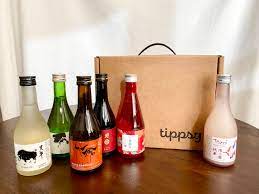
Also check out my curated list of sakes at Tippsy Sake and use my CHEF’S APPRENTICE discount code.
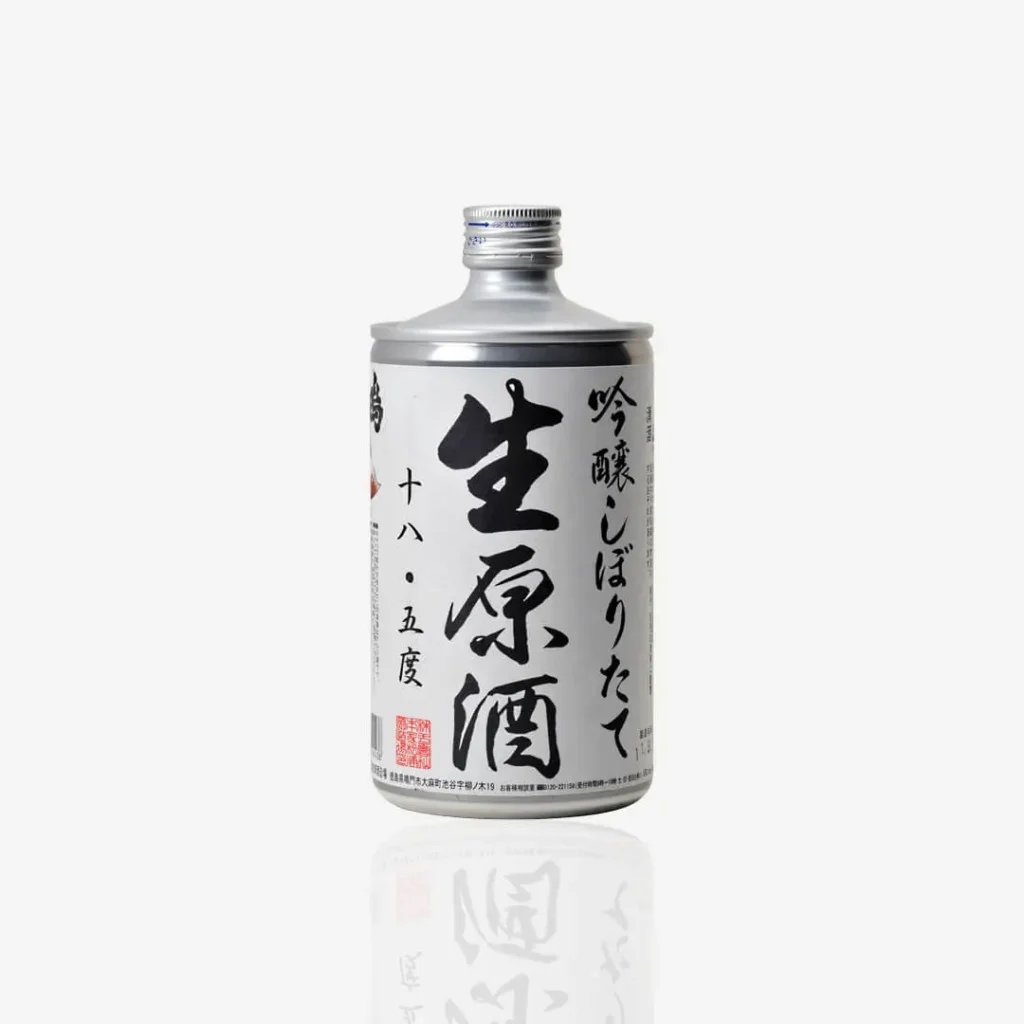
This is my all-time favorite sake, called Narutotai, which is a Ginjo Nama Genshu and was used in the movie Bladerunner 2049. You will learn what these terms mean in any of the courses featured in this guide.
Sake Education in Japan
Immersive Programs and Brewery Stays
Learning about sake in Japan offers a special experience. You get to see where and how sake is made, right in its home country. This means you can talk to brewers directly and try very fresh regional sakes. Imagine how much you would learn just by being there.
- Brewery Internships and Workshops:
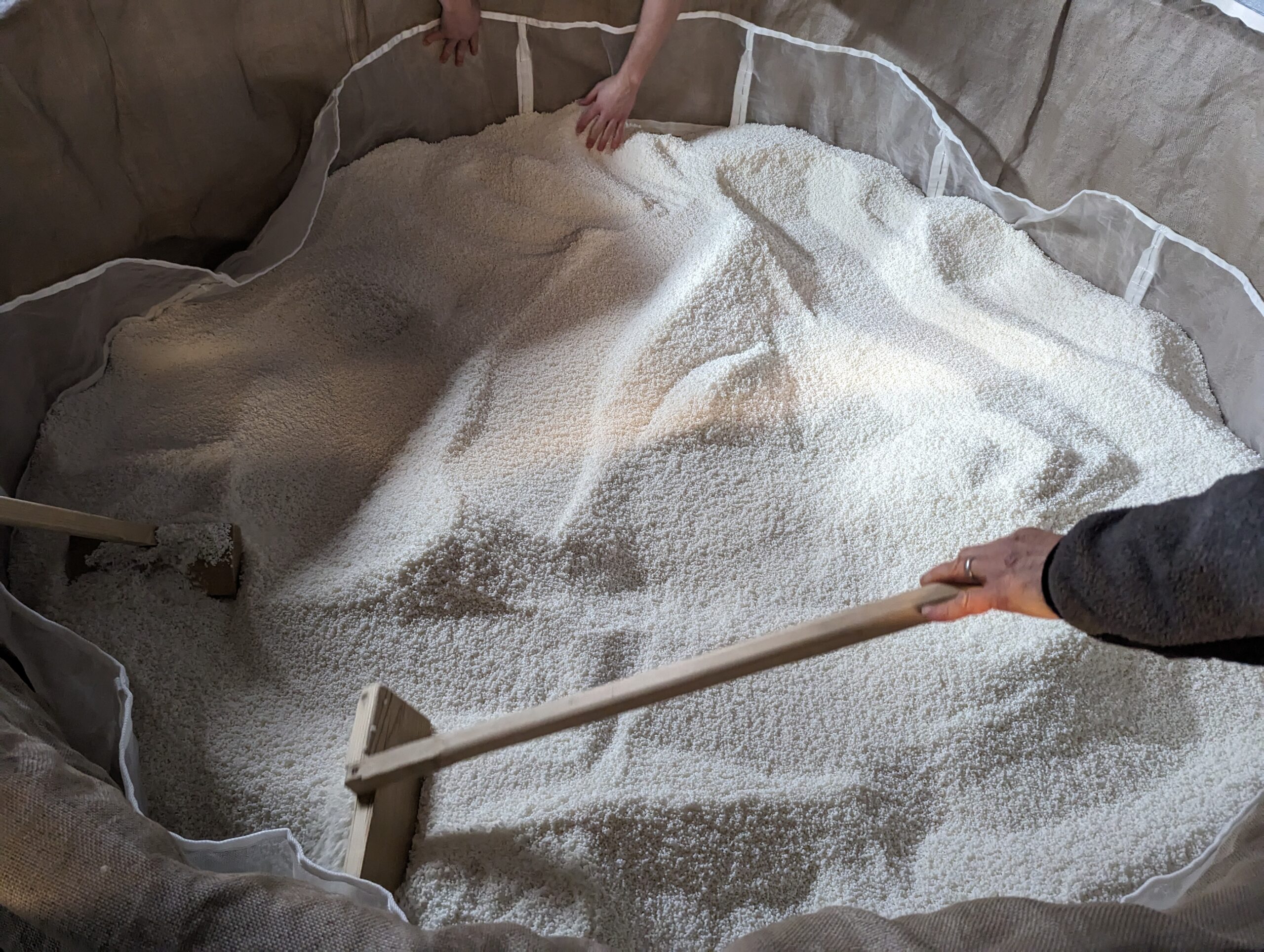
- Internships offer real, hands-on work in a sake brewery. You learn by doing the actual tasks. I interned at the Daimon Brewery near Osaka, Japan, which was a great experience. Daimon is mostly interested in potential interns who want to brew sake.
- Some breweries also offer short workshops. These might teach you basic brewing steps or tasting skills.
- Academic Institutions in Japan:
- Some universities in Japan have programs in fermentation science. These include a deep dive into sake making. They offer a very academic approach, in Japanese.
Programs Led by Renowned Sake Experts (John Gauntner)
John Gauntner, who has authored The Sake Handbook: All the information you need to become a Sake Expert! and Sake Confidential: A Beyond-the-Basics Guide to Understanding, Tasting, Selection, and Enjoyment, is perhaps the most respected and well-known sake educator in the world. True to his slogan “No sake stone remains left unturned”, he helps people learn practical things about sake. His work has made sake education popular all over the world.

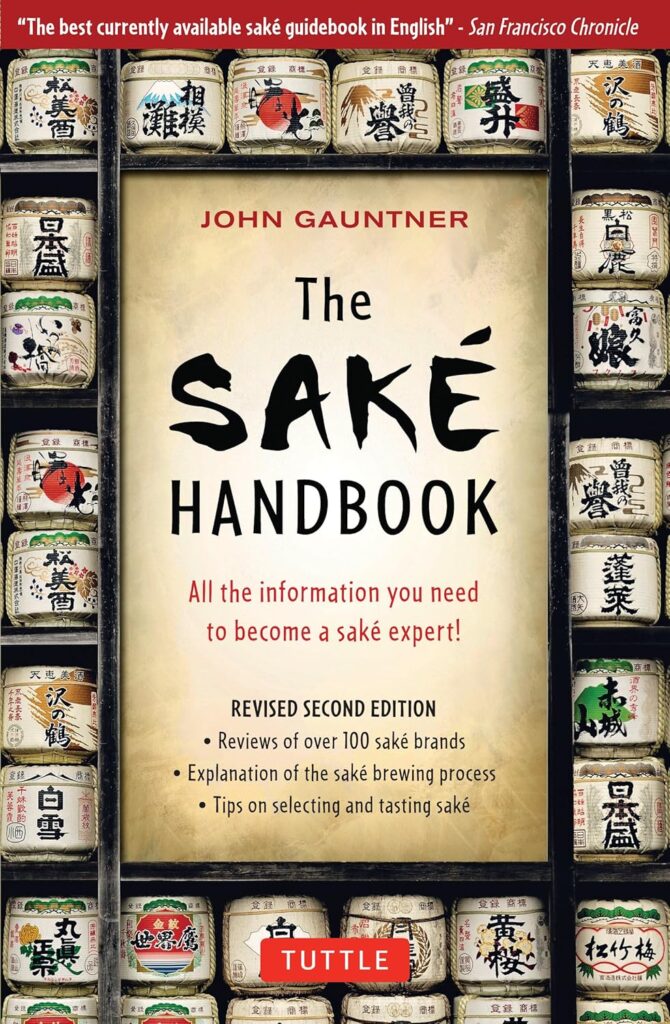
I learned much of what I know about sake from John, who is a great teacher. Students who successfully complete his Sake Professional Level 1 and Sake Professional Level 2 courses and exams receive the Certified Sake Professional (CSP) and Advanced Sake Professional (ASP) certifications from the Sake Education Council. These programs offer unique insights from a true master. I proudly hold both certifications. I did the Level 1 course online and the Level 2 course in Tokyo. Click here for information about these courses.
Check out my short scrapbook video about obtaining my Level 2 CSP in Tokyo. There were about 20 people in my class from all over the world, most of whom work in the food and beverage or hospitality industries. It was a great interactive experience.
To book your trip to Japan, or anywhere, use this Expedia box:
Online Sake Education Options
Benefits and Accessibility of Online Learning
Online sake programs have many plusses. They offer flexibility, so you don’t have to travel. Anyone anywhere can join them. This makes sake education available to a global audience.
I earned my Certified Sake Professional (CSP) through John Gauntner and my Sake Advisor certification from the Sake School of America, both online.
Key Online Course Providers and Platforms
Several online platforms offer structured sake courses, which allow you options to study sake from your computer.
- Curriculum and Delivery Methods:
- All of the online courses with which I am familiar are live online, not prerecorded or slide shows.
- They usually have handouts or textbooks you can download, and they usually have tasting sessions. Basic courses offer structured but not blind tastings.
- The course provider either ships you the sake or you can pick it up.
- These programs are also interactive so you can ask questions.
- Certification and Recognition:
- The online programs I cover here provide certificates when you finish. How much these are recognized varies. Check if the certification will help you with your career goals.
- Actionable Tip: Look for courses that include guided tasting kits. Or, they should recommend specific sakes to buy for studying at home. This makes the online experience much better.
Comparing the Learning Experiences
Curriculum and Depth of Knowledge
Based on my experience, and based on my review of the curricula for the sake courses covered in this guide, all of the online and live programs cover basically the same material. The introductory courses are more basic but still cover a lot of information, and the more advanced courses dive deeper into the topic.
The introductory courses involve sake tasting but not testing on the tasting. The more advanced courses include testing based on blind tasting. If this scares you, maybe this will help: I was scared too because my sense of smell is not great; I am usually somewhat congested. But despite my fears I successfully completed the blind tastings for my Level 2 Advanced Sake Professional certification, partly because it tests mainly for major (not subtle) differences, and partly because John Gauntner is very good at preparing his students for the tasting exam.
Cost and Time Investment
I have not included the cost of the courses covered by this guide because prices may change. But most of the introductory courses cost, both online and live, about the same: a few hundred dollars. The more sake you get to taste in each course, the more it will cost. For John Gauntner’s courses, contact John at sakeguy0494@gmail.com and either mention my name (John Hornick) or my CHEF’S APPRENTICE promo code for a 10% discount.
Of course programs in Japan can be expensive due to travel costs. However, I highly recommend that you go to Japan if you can. Your experience will be richer and you will learn more. The Gauntner Level 2 course also includes brewery visits, where you will see and learn first-hand how sake is made. There is no substitute for live classroom instruction, interaction with other students, tasting an abundance of different sakes, pairing them with food at dinner, touring breweries, interacting with the toji (brewmaster) and kurabito (brewery workers), and soaking up all that is Japan.
I jumped at the chance to go to Tokyo to obtain my Sake Professional Level 2 certification. I used United points to fly to Japan (after many trips, I believe United or ANA, its partner, are the best ways to get there) and Marriott points to stay at the Marriott Aloft Tokyo Ginza. This is a very nice business hotel within walking distance of anyplace in Ginza, including the classroom. Ginza is a district known for upscale shopping and restaurants.
If you have slightly fewer points than you need, you can buy enough to get you the free trip you need from either United or Marriott.

If you want to experience the best of Japanese dining while inTokyo, check out my Chef’s Apprentice Travels, Tastes, & Toasts: Three Nights in Ginza, Tokyo.
Networking and Community
Each learning setting gives different chances to connect with people. In-person classes, especially in Japan, let you meet brewers and fellow students who share your passion for sake. This builds a strong community. Online forums and virtual groups may also let you connect with peers.
Connecting with others is a big part of learning. Many students say that the friends they made during their studies were just as valuable as the lessons. These connections can lead to new opportunities and lasting friendships.
Certification and Career Advancement
The certificates earned by successfully completing the programs covered by this guide should be recognized in the food and beverage industry. They can really help your career.
Course Comparison
I have summarized important points about each program in the table below.
| School | Course | Certifica-tion | Online/Live | Length | Exam | Pre-requisites | Promo Code |
|---|---|---|---|---|---|---|---|
| Gauntner | Sake Prof Course Level 1 | Certified Sake Profession-al (CSP) | Both, in US & Japan | Live: 3 days Online: 5 4-hr sessions | Online | None | CHEF’S APPRENTICE |
| Gauntner | Sake Prof Course Level 2 | Advanced Sake Profession-al | Live, in Japan | 1 week, including exam and brewery visits | Live | Sake Prof Course Level 1/CSP | CHEF’S APPRENTICE |
| SSA | Sake Advisor | Certified Sake Advisor | Both, in US | 1 day* | Online | None | |
| SSA | Sake Somm | Sake Sommelier/Int’l Kikisake-Shi | Online | 3 days, plus review day | Live | Sake Advisor | |
| SSA | Japan Somm Assn | Sake Diploma | Online | 8 days, plus review sessions | Live | Kikisake-Shi or WSET Level 3 | |
| WSET | Level 1 | WSET Certificate | Online | 1 day | Online | None | |
| Level 2 | WSET Certificate | Live | 2 days | Live | None | ||
| Level 3 | WSET Certificate | Live | Live | WSET Level 2 or equivalent | * |
*When I took this SSA course, it stretched over 4 days.
I have no actual experience with the WSET courses, which are offered by the Wine & Spirits Education Trust, but they seem to be similar to the other courses covered here.
Given a choice between a course in the U.S. or in Japan, or a course online or in Japan, I recommend choosing Japan for all of the reasons I mentioned.

Conclusion: Choosing Your Sake Education Path
Picking a sake education program involves weighing many factors. Think about your learning style, what you hope to achieve, and how much you can spend. Each type of program offers a unique path to understanding sake.
- Key Takeaways and Recommendations:
- For deep, hands-on experience, especially in brewing, consider studying in Japan.
- If you need flexibility and cost-effectiveness, online courses are a great choice.
- US-based programs often give a good balance of classroom learning and practical tasting.
- Actionable Tip: Before you commit, talk to alumni or read reviews. Find out what real students thought of the program. This helps ensure your choice fits your goals.
Disclosure: As an Amazon Associate I earn from qualifying purchases. If you buy from a link on this site, I may earn a small commission from the vendor without any additional cost to you. No company pays me to say anything in particular, or to say nice things. I only stand behind products I believe in.