John Hornick — Chef’s Apprentice
Introduction
Japanese hot pots are more than just food — they’re a way to bring people together around the table. Each dish tells a story and offers a taste of Japan’s rich culinary culture. This sweet chicken hotpot stands out as a comforting meal that’s perfect for sharing. It combines simple ingredients, slow cooking, and a cozy atmosphere, making it ideal for family dinners or special gatherings. Ready to discover how to make this delicious dish? Let’s dive into the world of donabe.
What is Donabe? An Overview of the Traditional Japanese Hot Pot
Definition and Cultural Context
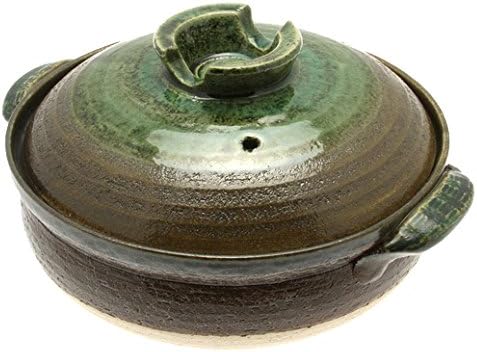
The word “donabe” refers to a special earthenware pot used to make nabemono, which are hotpots made at the dining table. “Donabe” can also refer to the hotpot itself. These dishes are beloved in Japan because they are warm, filling, and are enjoyed communally. This hotpot is a sweet chicken nabemono where flavors like miso and amazake deepen the taste, creating a dish that’s both hearty and subtly sweet. It’s often enjoyed during colder months, bringing comfort and warmth to the dining table.
Different regions in Japan might tweak the ingredients, adding local vegetables or spices. Some prefer a heavier miso flavor, while others focus on the sweetness provided by amazake. Feel free to make your own modifications.
Unique Features of Donabe
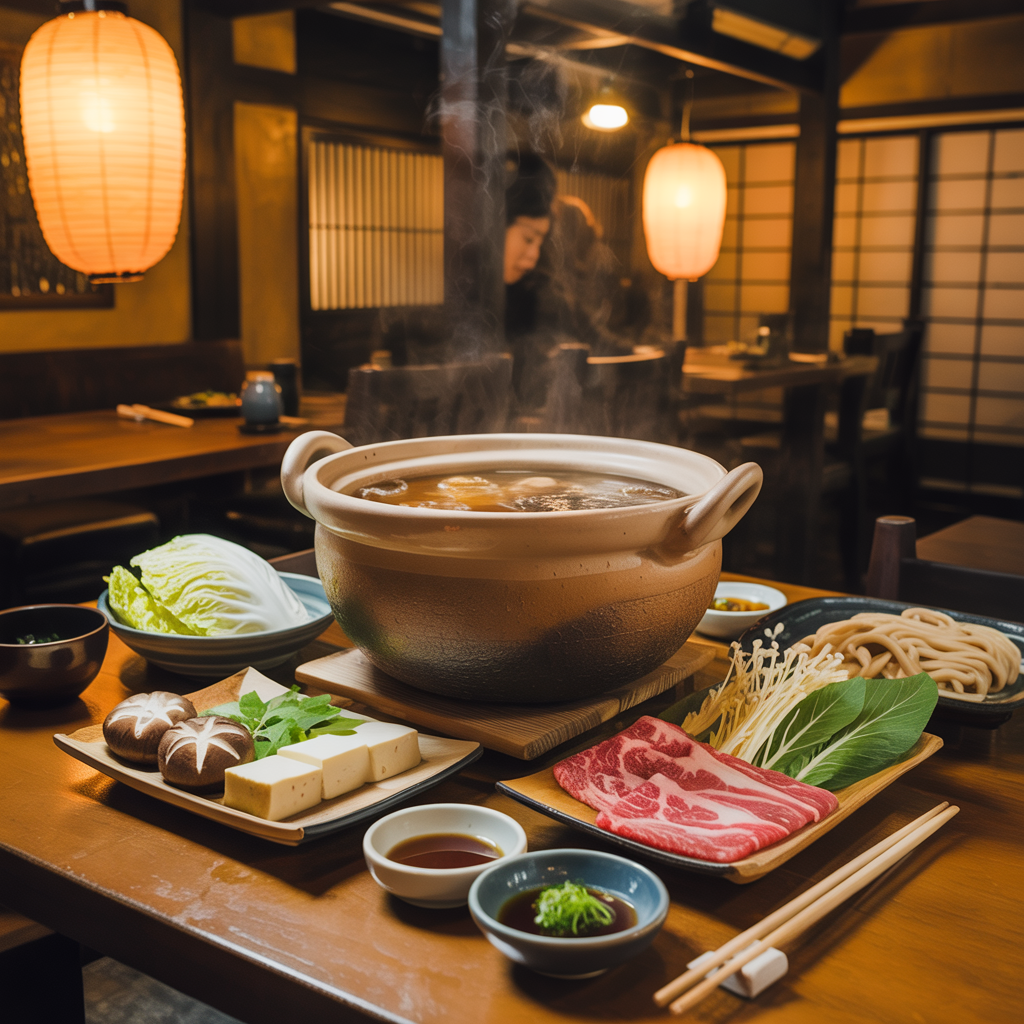
The key to donabe’s charm is the use of the special earthenware pot with a lid. The lid has a small hole, to allow steam to escape. These pots are both flame and oven proof, making them versatile tools for cooking and serving in style. In Japan, donabe are usually placed directly on the table, allowing guests to cook and serve themselves right from the pot. It’s an interactive meal — a social experience wrapped up in one pot.
Benefits of Making Donabe at Home
Creating donabe at home means you control the flavors and ingredients. It’s a chance to slow cook tender chicken while infusing it with sweet and savory notes. Plus, the process encourages everyone to join in — everyone can serve themselves directly from the donabe. It’s a special way to make your meals more meaningful and authentic.
Have Donabe in Japan
Maybe you’re heading to Japan and would like to experience Donabe in its homeland. Maybe you love to travel and have been struggling to decide your next destination. Maybe you’ve heard that Tokyo restaurants hold the highest number of Michelin stars in the world. If you fall into one of these categories, CLICK HERE TO PLAN YOUR JAPAN TRIP and CLICK HERE TO BOOK JAPANESE CULINARY ADVENTURES.
Essential Ingredients and Equipment for Donabe
Key Ingredients
- Chicken: Use bone-in pieces for rich flavor; thighs are ideal, but use any pieces you like. Season well with salt and pepper before cooking. The ingredients call for a whole, cut-up chicken.
- Vegetables: Mushrooms, sweet potatoes, radishes, and greens like bok choy, spinach, or arugula, or any Japanese greens you can find. Thinly sliced garlic and ginger add aromatics and flavor.
- Broth Components: Dashi (an extremely easy to make Japanese soup stock), sake, white miso, amazake (a sweet rice beverage you can easily make), and grated daikon — all work together for a complex broth.
- Garnishes: Thin radish slices for visual appeal, and additional greens for color and nutrition.

Equipment Needed
- Donabe (earthenware hot pot): The centerpiece of the dish, made of heatproof ceramic. Handle with care; they are more durable than the earthenware feels, but I take very careful care of mine, to avoid cracking it.
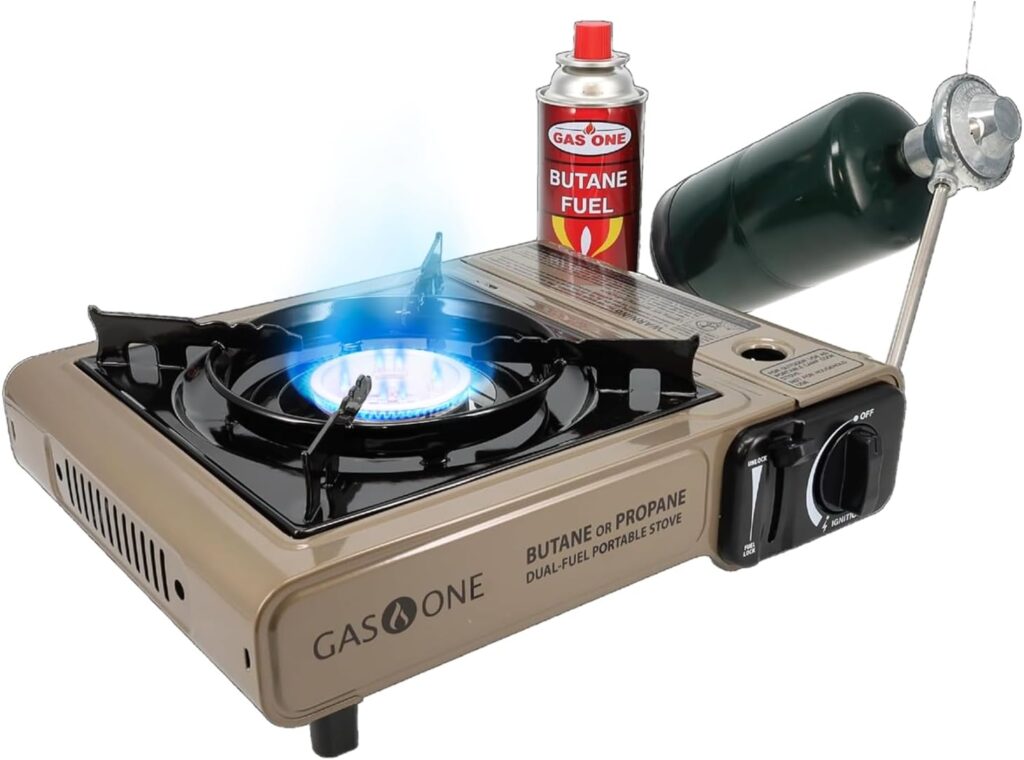
- Oven and portable butane stove: For browning, slow roasting, and cooking in front of your guests.
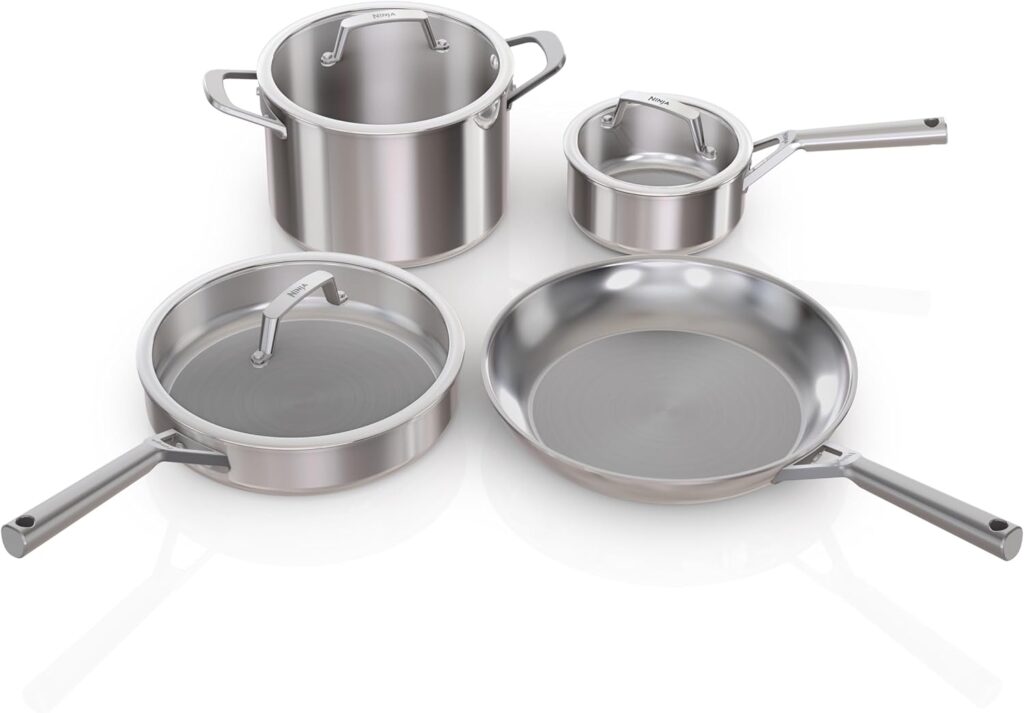
- Wide, shallow pan to brown the chicken and vegetables
- Utensils: Chef’s knife, cooking tools, and mixing bowls.
Step-by-Step Guide to Making Donabe
Preparation Phase
Start by preheating your oven to 350°F (about 177°C). Next, season your chicken parts with kosher salt and freshly ground black pepper. Toss parts in a little flour — this helps catalyze the Maillard Reaction (browning) and helps to thicken the sauce as it cooks.
Cooking Process
See my video Donabe 1: Sweet Chicken Hotpot
Browning the Chicken
Heat olive oil in a wide, shallow pan (not in the donabe). Brown the chicken pieces on all sides until golden-brown skin appears. Work in batches if needed. The browning gives flavor and texture.
Note: Although donabe are oven-proof and flame-proof when they contain liquid, they often ARE NOT flame-proof when they have no liquid. This is why the chicken is browned in a separate pan, rather than in the donabe.
Preparing the Vegetables
While the chicken browns, lightly toss sliced mushrooms, sweet potato chunks, and greens with olive oil, salt, and pepper. Thinly slice garlic and ginger, then add them for extra aroma. Stir everything well so veggies are lightly coated.
Making the Broth
In a bowl, combine one cup of dashi, sake, white miso, amazake, and grated daikon. Mix thoroughly to blend the flavors. This broth will serve as the tasty soaking liquid for everything.
Assembly and Roasting
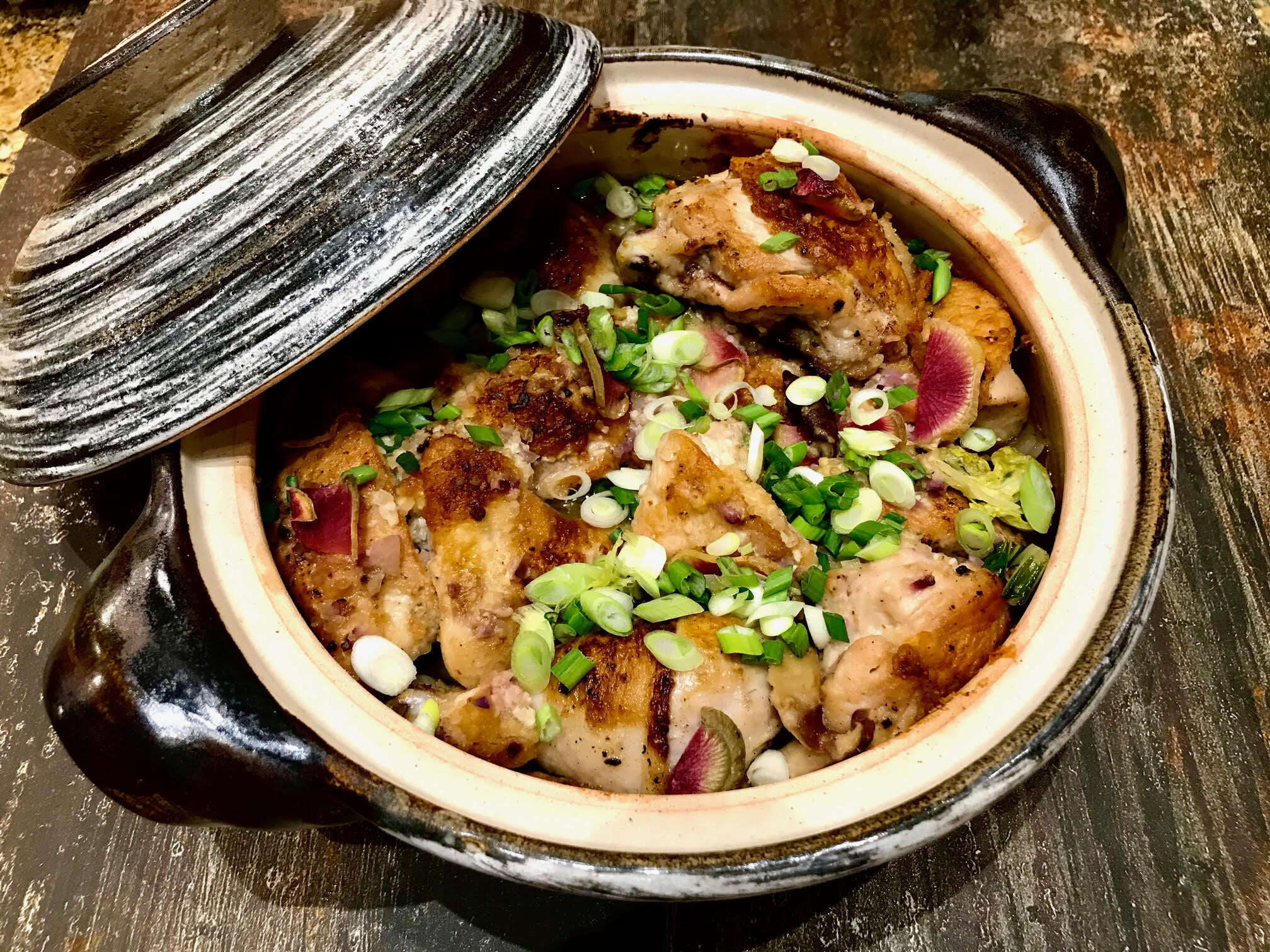
Line the bottom of your donabe with napa cabbage leaves. Then, carefully nestle the browned chicken and vegetables into the pot. Pour the broth evenly over the ingredients. Garnish with radish slices for a beautiful touch.
Cover the donabe and place it in the oven. Roast for 45 to 60 minutes, until the chicken is fork-tender and falling apart. Check occasionally to ensure the broth isn’t boiling away — it should reduce only slightly.
Presentation at the Table
Once cooked, move the donabe to your portable butane burner on the dining table. Set the heat to low. When ready to serve, open the lid so your guests can observe the dish and enjoy the rich aroma. Serve the hot pot directly from the donabe, offering pieces of chicken, vegetables, and broth in each bowl. It’s best enjoyed while steaming hot. Add extra garnish or greens as desired for a fresh finish.
Tips for Perfecting Donabe at Home
- Adjust sweetness by adding more miso or amazake, depending on your taste.
- Feel free to swap ingredients based on what’s available or your dietary preferences.
- Serve directly from the donabe to keep the meal authentic and interactive.
- Always check the chicken tenderness before serving — nobody likes undercooked chicken.
- Traditionally, rice or noodles are added to the remaining broth after most of the goodies have been eaten. This is called “shime,” or final dish of the meal. This is entirely optional. But if you want to be authentic, add cooked rice or noodles to the remaining broth and serve some to each guest.
Conclusion
Making donabe at home is easier than you might think and incredibly rewarding. This warm, subtly sweet chicken hot pot brings comfort and a touch of Japanese tradition to your table. With simple ingredients and a bit of patience, you can craft a dish that’s perfect for sharing and celebrating.
Ready to try? Gather your ingredients, step into the kitchen, and enjoy creating an authentic Japanese hotpot. Remember, the secret is slow cooking and love — just like in Japan.
Subscribe for more Japanese recipes and share your donabe creations with pride!
Disclosure: As an Amazon Associate I earn from qualifying purchases. If you buy from a link on this site, I may earn a small commission from the vendor without any additional cost to you. No company pays me to say anything in particular, or to say nice things. I only stand behind products I believe in.
Ingredients
- 1 whole chicken (about 3.5 lbs.), broken down into parts, breasts each cut into 3 pieces (see my video How to Break Down a Chicken)
- Kosher salt
- Peppermill
- About 2/3 cup flour
- Olive oil
- 4 leaves of Napa cabbage, torn or cut into 3” to 4” pieces
- About 2 cups shitake mushrooms, cut into ~3/8” slices
- About 2 cups sweet potatoes, peeled and cut into ~¾” cubes
- About 1 cup (packed) baby spinach, bok choy (green and white parts, cut into 1” to 1 ½” pieces), or arugula, or a combination
- About 1 ½ cups onion, cut into ~3/8” slices
- 1 cup dashi
- 2 Tb. sake (use my “CHEF’S APPRENTICE” one-time discount code at checkout)
- 1 Tb. white miso (for more color and less sweetness, use red miso instead)
- About 2 Tb. garlic, very thinly sliced
- About 1 tsp. ginger, minced
- ¼ cup amazake (see my video “Making Shio Koji, Shoyu Koji, & Amazake“)
- 2 scallions, thinly sliced diagonally (white and green parts)
- 1 Tb. shoyu (Japanese soy sauce)
- 2 strips thick-cut bacon (bring to a boil, simmer 5-10 minutes, blot, and cut into ~½” squares)
- About 2 Tb. daikon, grated or minced
- 1 red radish, halved and thinly sliced and cut into half-moons
Step-By-Step
- 1. Heat oven to 350 F
- 2. Season chicken with salt and pepper
- 3. Dredge chicken in flour
- 4. Brown chicken in olive oil
- 5. Toss in olive oil, salt, and pepper: mushrooms, sweet potatoes, spinach/bok choy/arugula, onions, garlic, ginger, bacon
- 6. Mix: dashi, sake, miso, amazake, shoyu, daikon
- 7. Line bottom of donabe with Napa cabbage leaves
- 8. Top with vegetables
- 9. Top with chicken, skin side up
- 10. Top with radishes
- 11. Pour sauce over all
- 12. Cover and roast for 45-60 minutes, until chicken and sweet potatoes are fork tender
- 13. Garnish with scallions
- 14. Transfer to butane burner for presentation and service