John Hornick — Chef’s Apprentice
Sake is more than just a drink in Japan. It’s a centuries-old tradition that carries culture, craftsmanship, and flavor all in one bottle. Whether you’re ordering at a restaurant or exploring wine or sake shops, knowing what to look for makes all the difference. Understanding sake labels and terminology turns the experience from confusing to a light-bulb moment. This guide will walk you through the essentials—types, labels, tasting profiles, serving tips, and food pairings—so you can savor sake with confidence.
The Basics of Sake: What Makes It Unique
Unlike wine or beer, sake is an alcoholic drink with a special brewing process. It’s often incorrectly called rice wine, but it’s made through a double fermentation process that’s unlike anything else. The key ingredients are rice, koji mold, water, and yeast. The unique fermentation involves both koji (a friendly mold) and yeast working together— the koji turns the rice starch into sugar while the yeast is turning the sugar into alcohol.
Most sake comes from Japan, but some American breweries craft it too. Brewing in Japan mostly follows traditional methods, but innovation is blooming elsewhere. Sake’s flavor is unmatched—sometimes sweet, sometimes dry, with a complex aroma that can’t be easily compared to other drinks. It’s a craft rooted in centuries of artistry.
Experience Sake Tasting in Tokyo
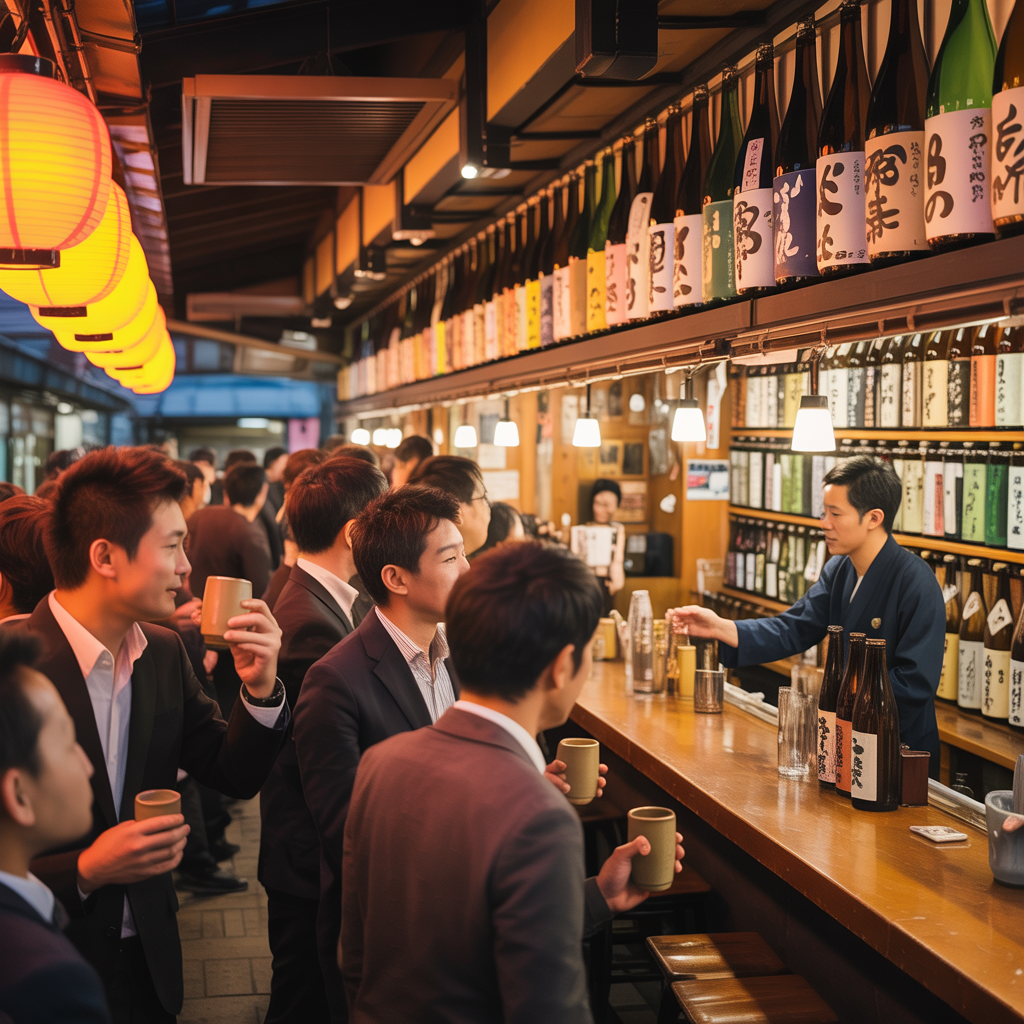
Maybe you’re heading to Japan and would like to experience sake in a local bar. Maybe you love food travel and have been struggling to decide your next destination. Maybe you would like to take a sake brewery tour. Maybe you would like to try sake that isn’t available in the U.S. If you fall into one of these categories, CLICK HERE TO PLAN YOUR JAPAN TRIP and CLICK HERE TO BOOK JAPANESE SAKE ADVENTURES.
Decoding Sake Labels: What Terms and Symbols Mean
Understanding Front and Back Labels
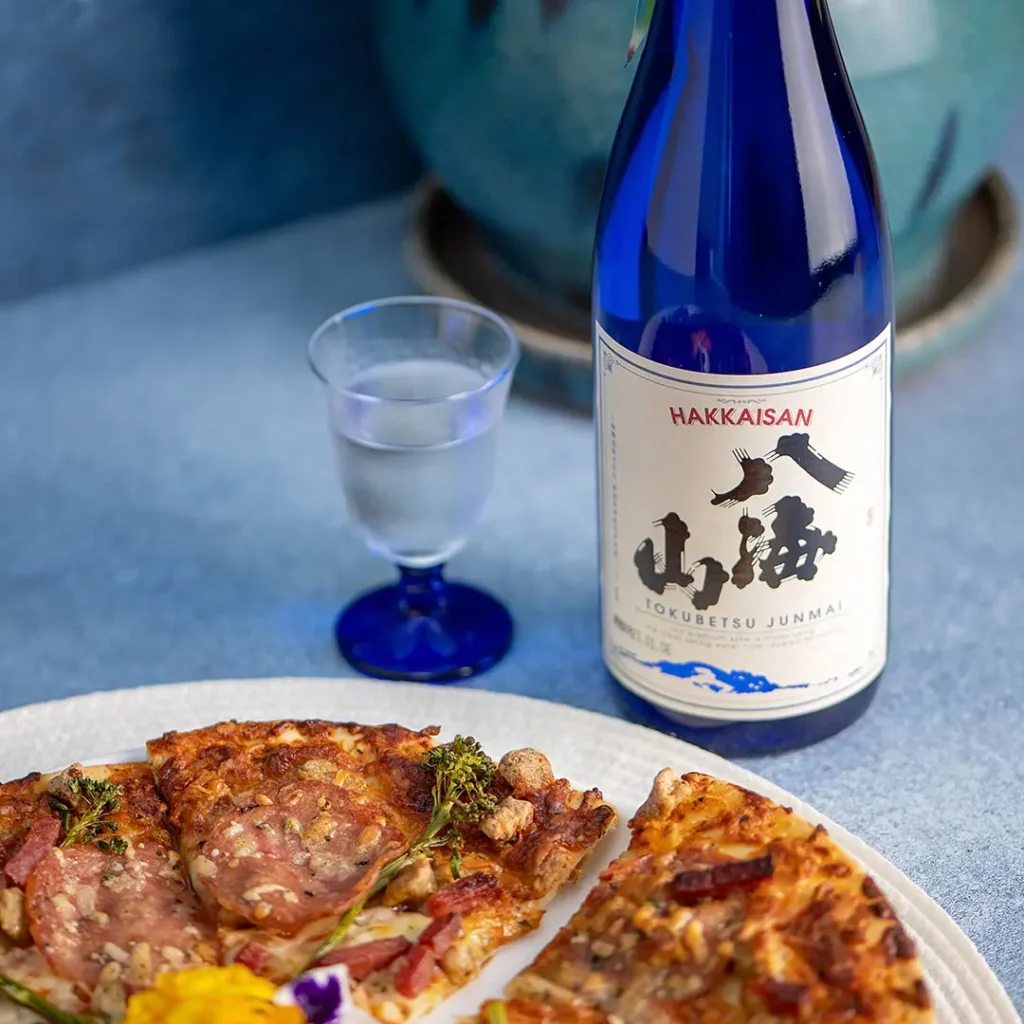
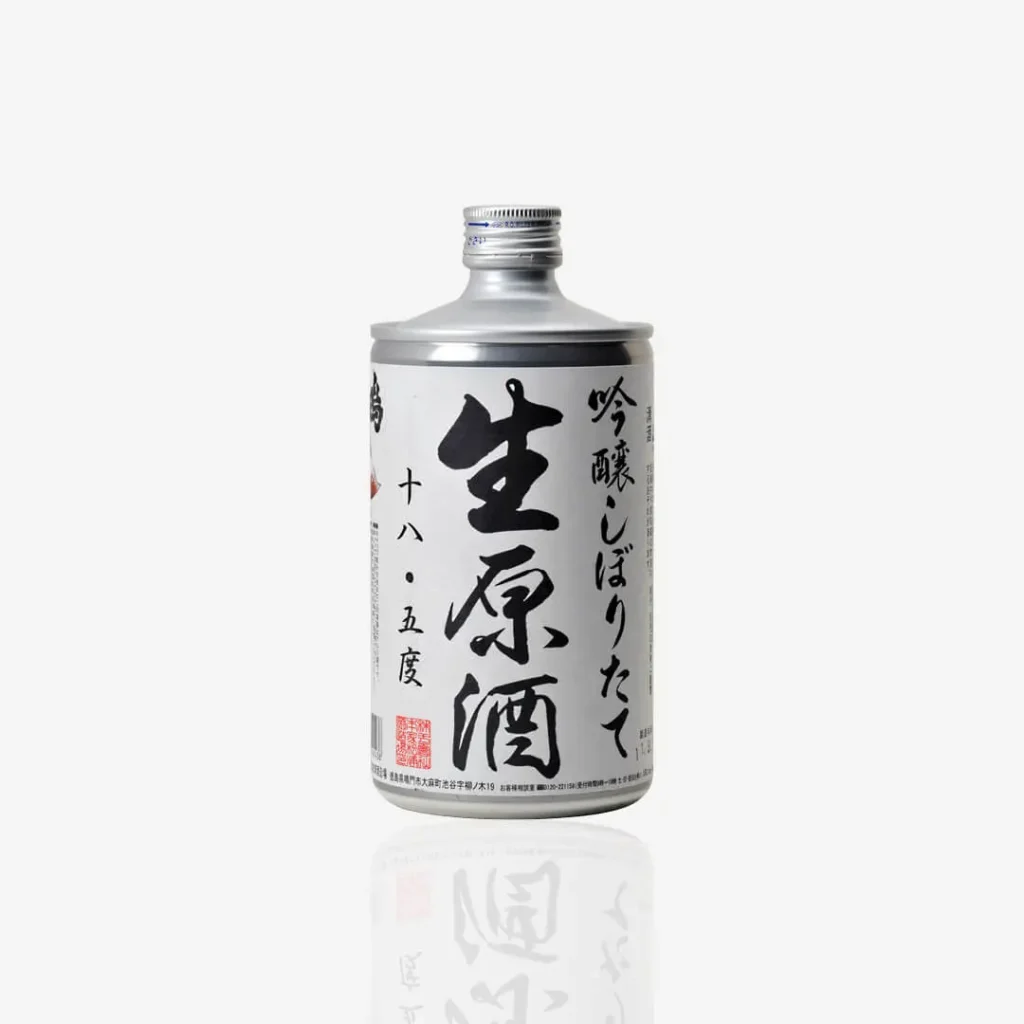
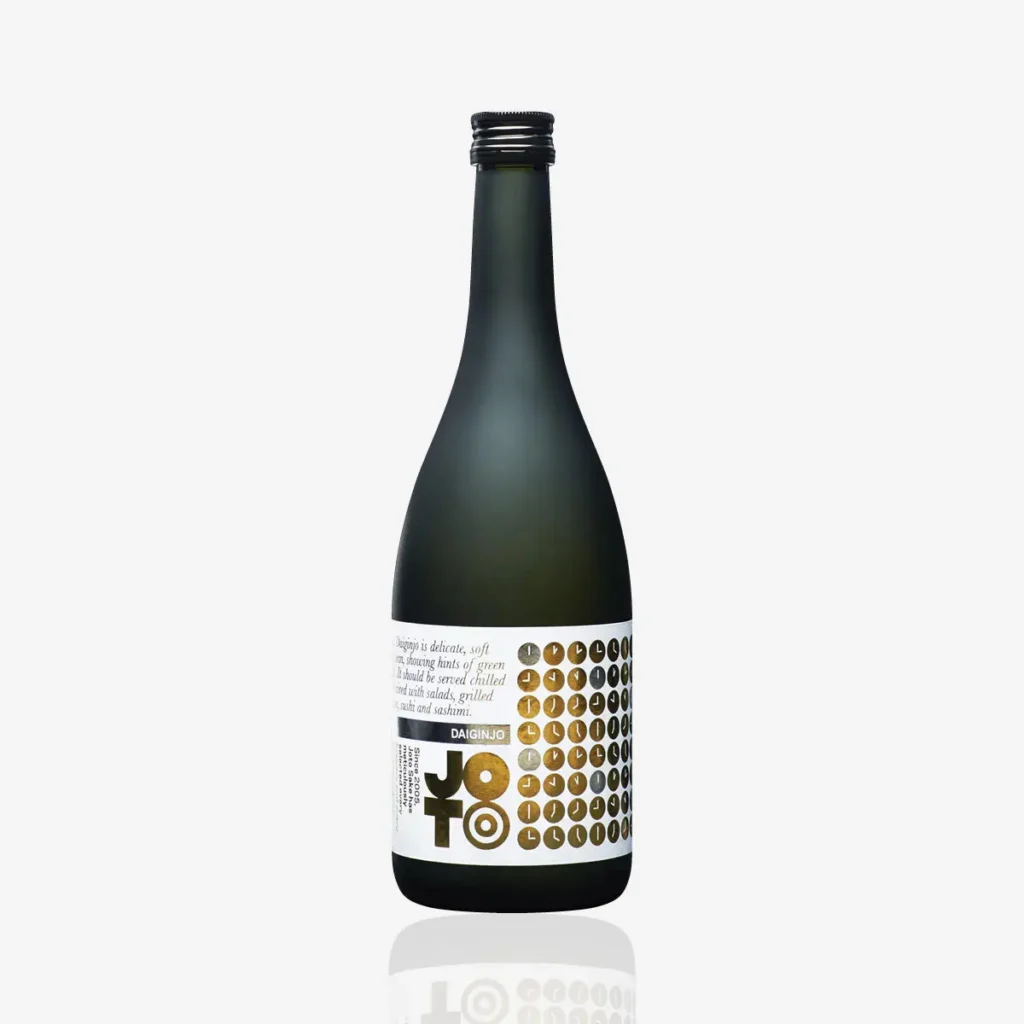
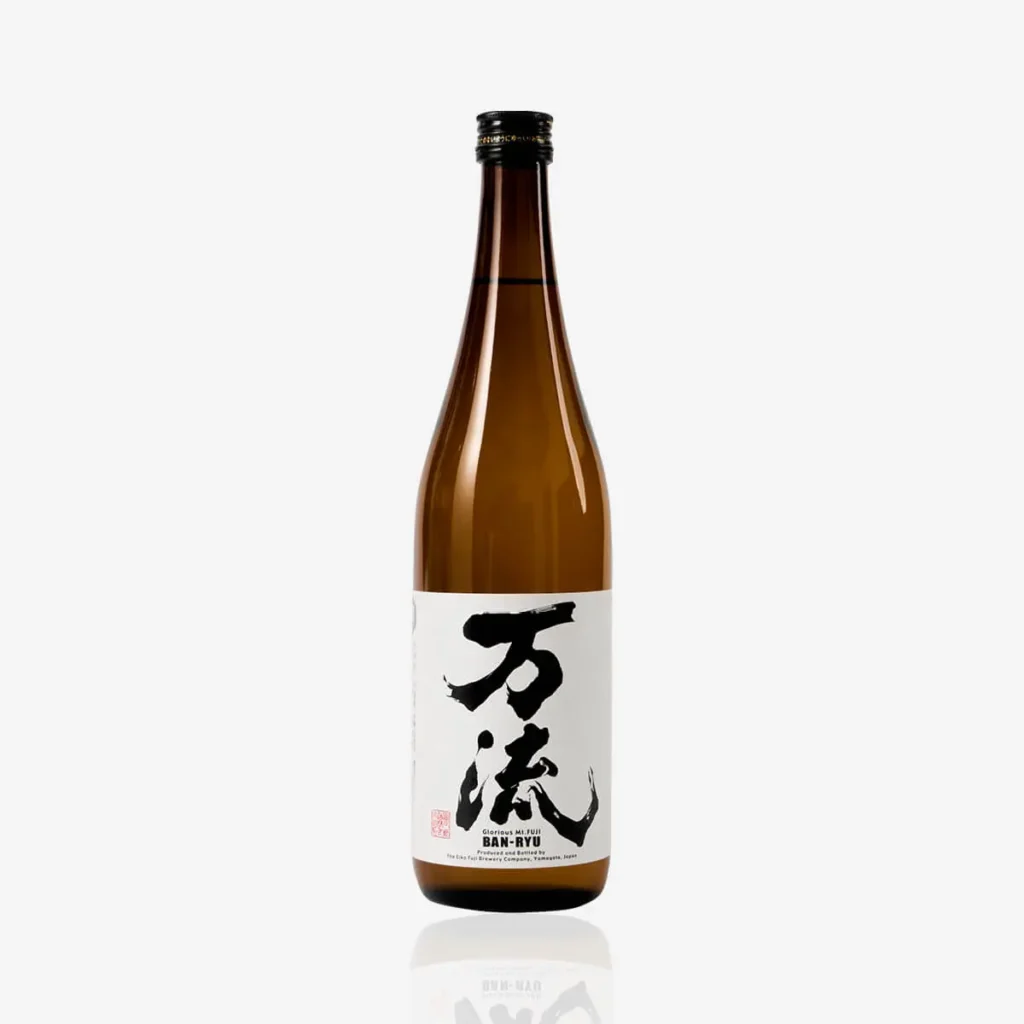
As I explain in my video, when you see a bottle of sake, the labels contain useful clues. The front often features the name and sometimes an artistic label and Japanese characters. The back often provides detailed info like alcohol content, rice polishing ratio, and SMV (Sake meter Value). More labels today include English descriptions, helping non-Japanese speakers pick the right sake.
Key Terms and Their Meanings
Types of Sake by Classification
- Futsu-shu (Table Sake): The most common sake. It’s everyday table sake (like table wine) without bells and whistles. You probably won’t see “Futsu” written on a bottle. But if it doesn’t say Junmai, Honjozo, Ginjo, or Daiginjo it’s probably a Futsu.
- Junmai: Made only from rice, water, and koji. No added alcohol. It’s full-bodied with a rich flavor.
- Aruten: Sake that has distilled alcohol added during brewing. This makes it lighter and more fragrant. You probably won’t see “Aruten” on a bottle, but if it doesn’t say Junmai, it’s probably aruten.
- Honjozo: Similar to Junmai, but with a rice polishing ratio of 70% or less remaining, with a small amount of added alcohol for aroma.
- Ginjo & Daiginjo: The top-shelf sake with rice polished down to 60% (Ginjo) or less, or 50% (Daigino) or less. It’s the most elegant and often priced higher. It’s not Junmai, so a little alcohol has been added.
- Junmai Ginjo & Junmai Daiginjo: Premium sake made from highly polished rice—at least 60% (Ginjo) or 50% (Daiginjo) remaining. These are smooth, fruity, and very refined.
Rice Polishing Ratios (RPR)
Polishing rice means grinding away the outer layer to remove impurities and enhance flavor. The percentage remaining after polishing is called the rice polishing ratio (or something similar) or “seimeibuai” in Japanese. For example:
- 60% RPR means 60% of the grain’s original size remains.
- 50% RPR or less (more polishing) results in a lighter, more refined sake.
Higher polishing (Ginjo and Daiginjo types) usually equals a more delicate, aromatic drink.
Special Terms and Labels
- Tokubetsu (“Special”): Indicating something special, usually about the rice or brewing process.
- Genshu: Defines undiluted sake, sometimes with higher alcohol content—often richer and more intense.
- Namasaki: Unpasteurized sake, lively and full of fresh flavors.
- Muroka: Sake pressed but not charcoal-filtered or filtered in another way, giving different textures and flavors.
- Negori: Cloudy sake with coarse filtration, often sweet and creamy.
- Koshu: Aged sake, often matured for three years or more, with richer, more complex taste.
Regional and Brewery Information
Many labels include the brewery’s location. Different regions produce sake with distinct flavors—like the clean, crisp, and dry sake from Niigata or the robust varieties from Hiroshima. Knowing the region adds a layer of understanding about the sake’s character, but there are always exceptions within a region.
To book your trip to Japan, or anywhere, use this Expedia box:
Additional Label Insights
- SMV (Sake Meter Value) or Nihonshu-do: Supposedly measures dryness or sweetness. Plus (+) signs supposedly mean drier, minus (−) signs supposedly mean sweeter. But it’s just a rough guide—your taste says more than numbers and other factors affect apparent sweetness or dryness.
- Acidity: Usually between 1.0 and 2.0, affecting how tart or mellow the sake feels. Higher acidity can make sake seem drier.
- Rice Type: Some brewers specify the rice variety, which affects aroma and flavor.
- Bottling and Aging Dates: Freshness matters. Most sake is best enjoyed within a year, but some aged varieties — though uncommon — develop richer flavors over time.
Types and Flavor Profiles of Sake
Main Sake Types
- Junmai: Pure rice sake, full-bodied with a rich aroma.
- Honjozo: Slightly lighter, more fragrant, with a touch of alcohol added for aroma.
- Ginjo & Daiginjo: Ultra-polished, very refined, with fruity and floral notes, a little alcohol added.
- Junmai Ginjo & Junmai Daiginjo: Ultra-polished, very refined, with fruity and floral notes; sometimes called the champagne of sake.
- Nigori: Cloudy, coarsely filtered to retain rice particles; often sweet and creamy.
- Namasake: Unpasteurized, lively, with vibrant flavors; best kept refrigerated.
Flavor Profile Categories (“Shu” means “sake”)
Kun-shu (Light, Fragrant, Fruity)
Think of this as the fine white wine of sake. It includes ginjo and daiginjo varieties. These are delicate, with floral or fruity aromas, best drunk chilled.
So-chu (Clean, Light, Less Fragrant)
Includes honjozo, namasake, and futsu-shu. These taste lighter, like white wine—perfect for sipping chilled or warm.
Juku-shu (Aged, Full-bodied)
Rich and full of character. They develop deep, complex flavors similar to red wine—best enjoyed at room temperature.
Jun-shu (Heavier, Less Fragrant)
Old-fashioned sake made with traditional methods like kimoto or yamahai. These sakes are more substantial and pair well with hearty dishes.
How to Taste Sake: Temperature, Glassware, and Serving Tips
Proper Serving Temperatures
Choosing the right temperature elevates any sake. Here are some guidelines:
- Sprightly, fruity sakes (Ginjo, Daiginjo): Best slightly chilled around 50°F.
- Unpasteurized, table sake (Honjozo, Futsu-shu): These can be served hot (up to 122°F), chilled (~41°F), or slightly chilled.
- Aged or full-bodied sake: Usually at room temperature or slightly below.
Ask yourself: Do I want to bring out aroma or mellow the flavor? Temperature is key.
Types of Sake Containers and Glassware
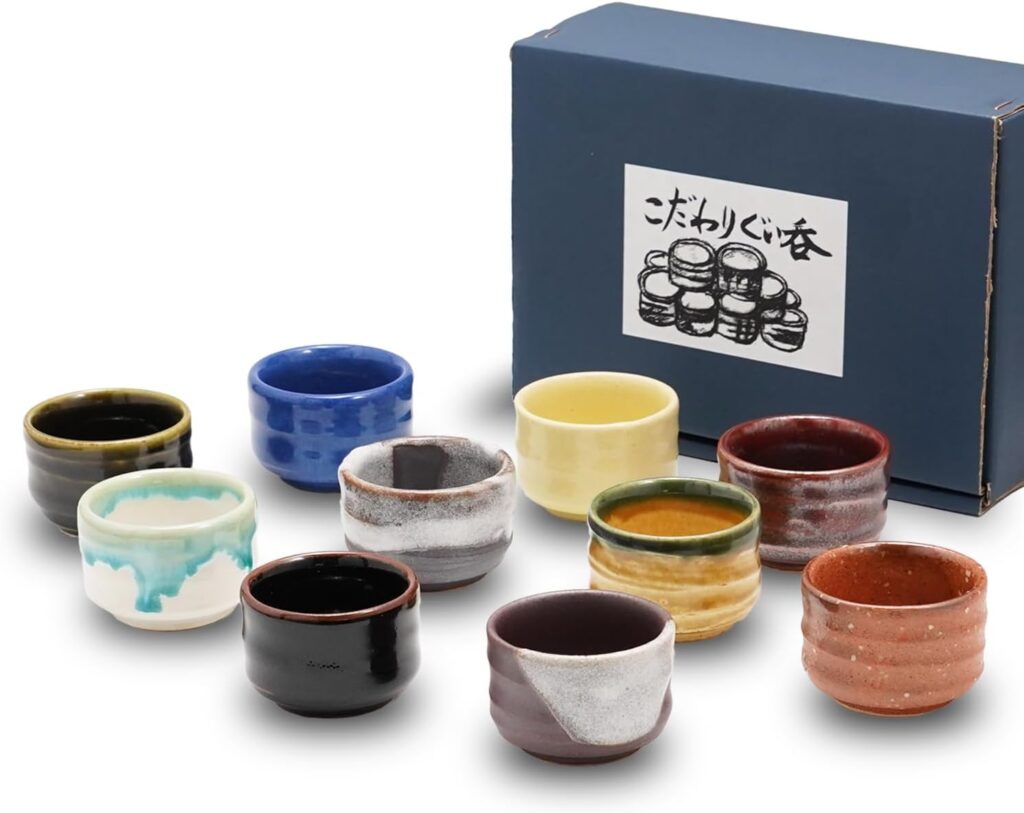
Traditionally, sake is served in ceramic cups called ochoko—small, rounded, handmade for an authentic experience. Or, for some sakes, a cedar cup can enhance aroma. Today, in the U.S., some sake lovers prefer modern wine-glassware to better appreciate the clarity and scent, but you probably won’t see sake in a glass in Japan.
Actionable Tips for Serving Sake
- Serve the delicate types slightly chilled to preserve aroma.
- To be very Japanese, always pour for others, not for yourself.
- Pour small amounts to keep the temperature stable.
- Keep high-quality bottles refrigerated until serving.
Pairing Sake with Food: Elevate Your Dining Experience
Food Pairing Strategies
Because it has higher levels of lactic acid and succinic acid, sake pairs well with food, and is actually easier to pair with food than wine.
- Match the sake’s weight with your dish. Light sake with lighter foods, full-bodied with richer meals.
- Use sake to cut through fatty or oily foods—its acidity balances richness.
- Experiment with serving temperature. Food can change how sake tastes.
- My opinion: don’t worry about it; I believe almost all sake pairs with almost all food.
Trust your palate more than any rule. If you like it, go for it.
Resources and Opportunities for Learning More About Sake
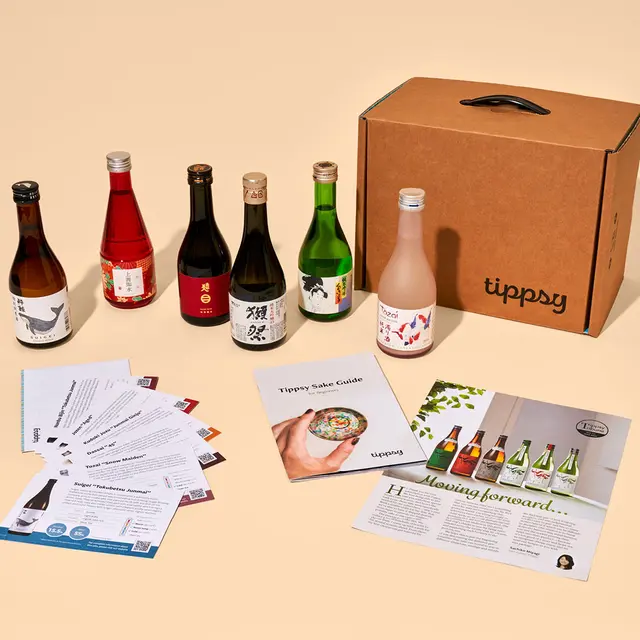
Want to deepen your sake knowledge? Consider certification programs from the Sake School of America or Certified Sake Professional Courses, where I got my certifications, or explore virtual brewery tours online through the Sake School of America. Websites like TippsySake.com, where I have a curated sake list, offer tons of info, tasting tips, and reviews that are perfect for beginners and experts alike.
Conclusion
Sake may seem complicated with all its labels and classifications, but once you understand the basic terms and flavor profiles, it becomes an exciting journey. From the refined Ginjo to the warming Junmai, each bottle has its own story. By knowing how to read labels, select the right temperature, and pair sake with food, you’ll enhance every sip. Whether you enjoy sake on its own or with a delicious meal, the more you learn, the more you’ll enjoy this beautiful beverage. So next time you order, remember: it’s not just about drinking it—it’s about experiencing it. Most of all, trust your taste. Sake is about what you like. Cheers!
Disclosure: As an Amazon Associate I earn from qualifying purchases. If you buy from a link on this site, I may earn a small commission from the vendor without any additional cost to you. No company pays me to say anything in particular, or to say nice things. I only stand behind products I believe in.
* 10% Discount (one-time use)