John Hornick — Chef’s Apprentice
Imagine the sizzle of fresh veggies hitting a hot wok, that quick toss sending aromas through your kitchen. You grab your wok, but does it heat evenly? Stick a bit? Getting a good seer? The material matters a lot. When comparing wok materials like carbon steel, cast iron, stainless steel, and nonstick coatings, you see big differences in how they handle high-heat stir-fry dishes. Pick wrong, and you fight sticking or uneven cooking. Choose right, and great results come easy.
This expert guide to woks examines the pros and cons for each type. Plus, we cover seasoning steps and care tips. You’ll find what fits your style. By the end, you can pick a wok that boosts your cooking without hassle.
Learn to Cook With a Wok in Shanghai
Can you think of a better place to master the wok than in China? If you’re planning a China trip, click here for a “WOK ‘N ROLL” Chinese cooking class with a local master chef in the exciting city of Shanghai. Click here for places to stay in Shanghai, and here for other culinary adventures.
Understanding Wok Materials and Their Role in Cooking
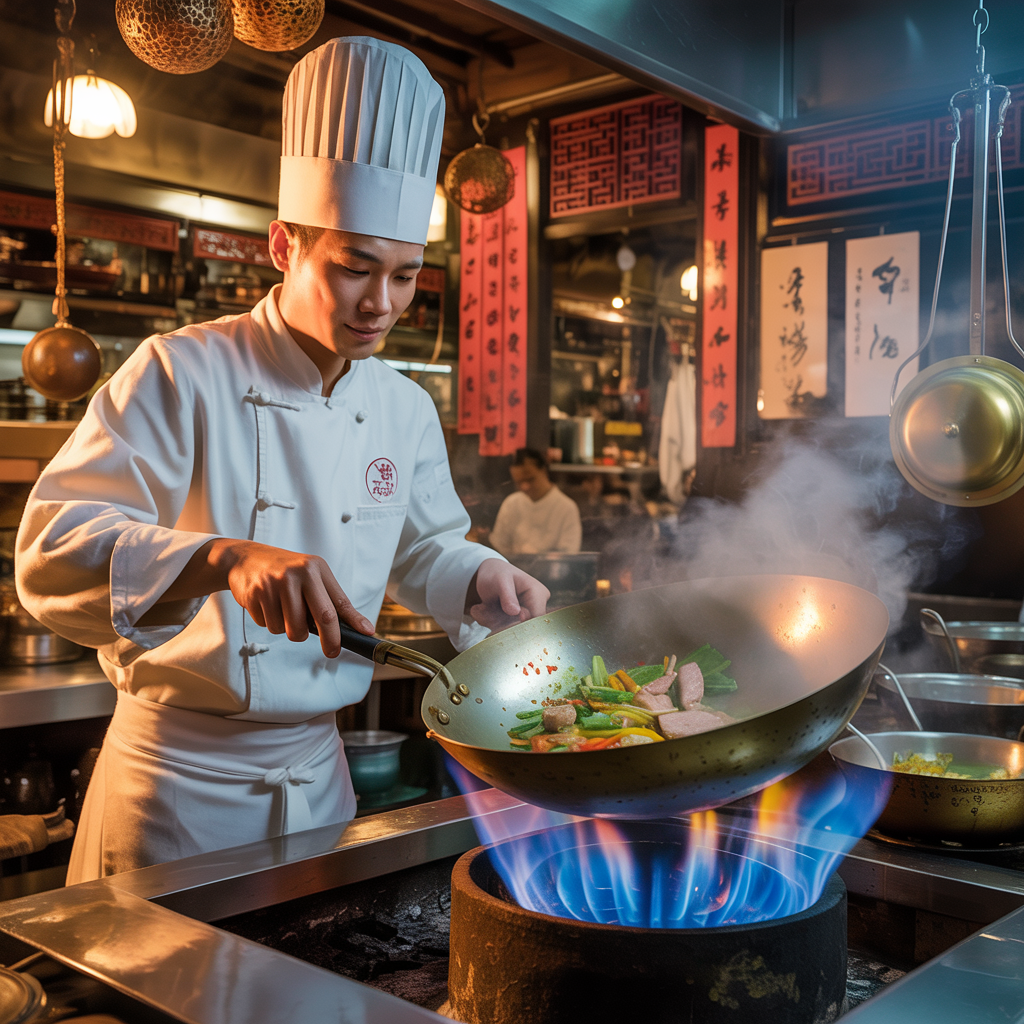
Wok materials shape how heat spreads and food cooks. Some grab heat fast for quick browning. Others hold it steady for deeper flavors.
This section explains the basics. Heat conductivity lets metal warm up quick or slow. Durability keeps it going for years. Reactivity? Some metals change food taste or appearance if acidic.
Key Properties of Wok Materials
Thermal mass means how much heat a wok stores. Cast iron packs a lot, so it stays hot longer but heats slower. Heat retention helps with multiple batches.
Carbon steel heats fast and conducts heat well. Stainless doesn’t react to acids, no worries there. Nonstick skips reactions but wears out and does not distribute heat as well. Each material has strengths and weaknesses, which can make or break your wok choice.
How Material Influences Wok Performance
Heat choice affects searing. High conductivity in carbon steel lets you sear quickly. It builds flavors fast. In cast iron, heat lingers for braises.
Stainless may need oil to avoid sticking. Nonstick releases easy but does not have the responsiveness and heat distribution of carbon steel. Wonder why pros love carbon steel? It responds quick to your moves.
Carbon Steel Woks: Lightweight and Responsive
You often see these in pro kitchens. They heat fast and build a non-stick patina over time. But they need care. Rust attacks if you skip steps.
Carbon steel feels right in hand. Not too heavy, it lets you flip foods with ease. Popular for high-heat work, it shines in browning proteins or making fried rice.
I love my Yosukata round-bottomed 14″ carbon steel wok with a wooden handle. I have owned many woks; this is my favorite. It has Goldilocks weight (just right), a solid handle, and perfect balance. Don’t buy a wok without a handle like this. You need it to flip food in the wok.
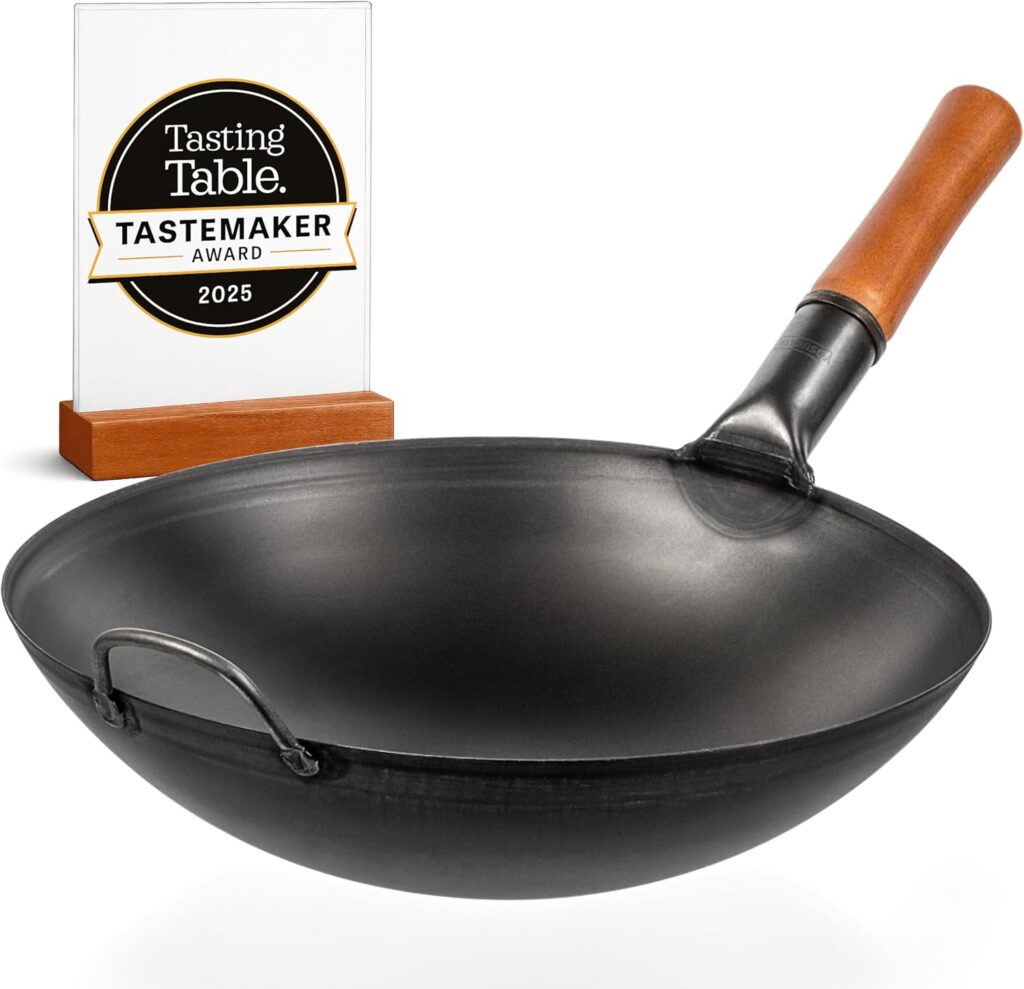
Although a flat-bottomed version is available, I use only round-bottomed woks for true stir-frying.
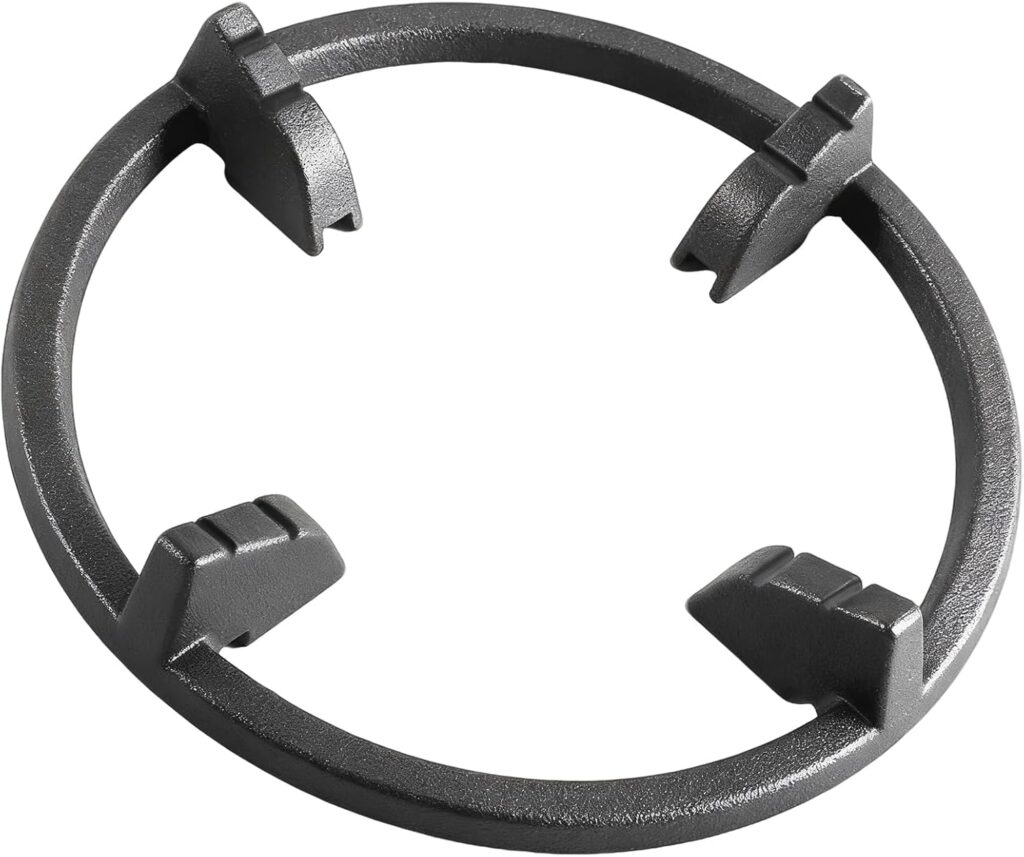
To use my wok on the stovetop, I remove the stove’s metal star that covers the burner, place my wok ring over the burner, and place the wok on the ring, so it’s closer to the fire and heats faster and hotter. The ring provides stability.
Pros and Cons of Carbon Steel
Pros:
- Conducts heat top-notch, getting hot in seconds.
- Affordable.
- Seasons to non-stick glory, no coatings needed.
- Light weight and easy to handle.
Cons:
- Rusts if not dried immediately after cleaning.
- Needs seasoning work upfront.
- Thin ones may warp from heat shocks.
Seasoning Methods for Carbon Steel
Start clean. Wash with hot water and dish soap. Fully rinse, then fully dry. Bring about 2 Tb. high-smoke-point oil (such as canola) to almost smoking. Remove from heat and spread the oil around in the wok, all the way up to the rim. Let the wok cool to room temp. Wipe out the extra oil. Repeat this process one or two times.
A patina will build up over time. As it does so, it will no longer look new out of the box. But in my opinion, it will look well used and well loved.
Care and Maintenance Tips
Clean immediately after use. I use a little coarse Kosher salt and olive oil, and an abrasive scrubby dedicated to cleaning carbon steel and cast iron (see my video Cast Iron Pans: Care and Feeding and my Expert Guide: How to Restore and Maintain Your Cast Iron Pan: Expert Guide to Easy Cleaning and Seasoning).
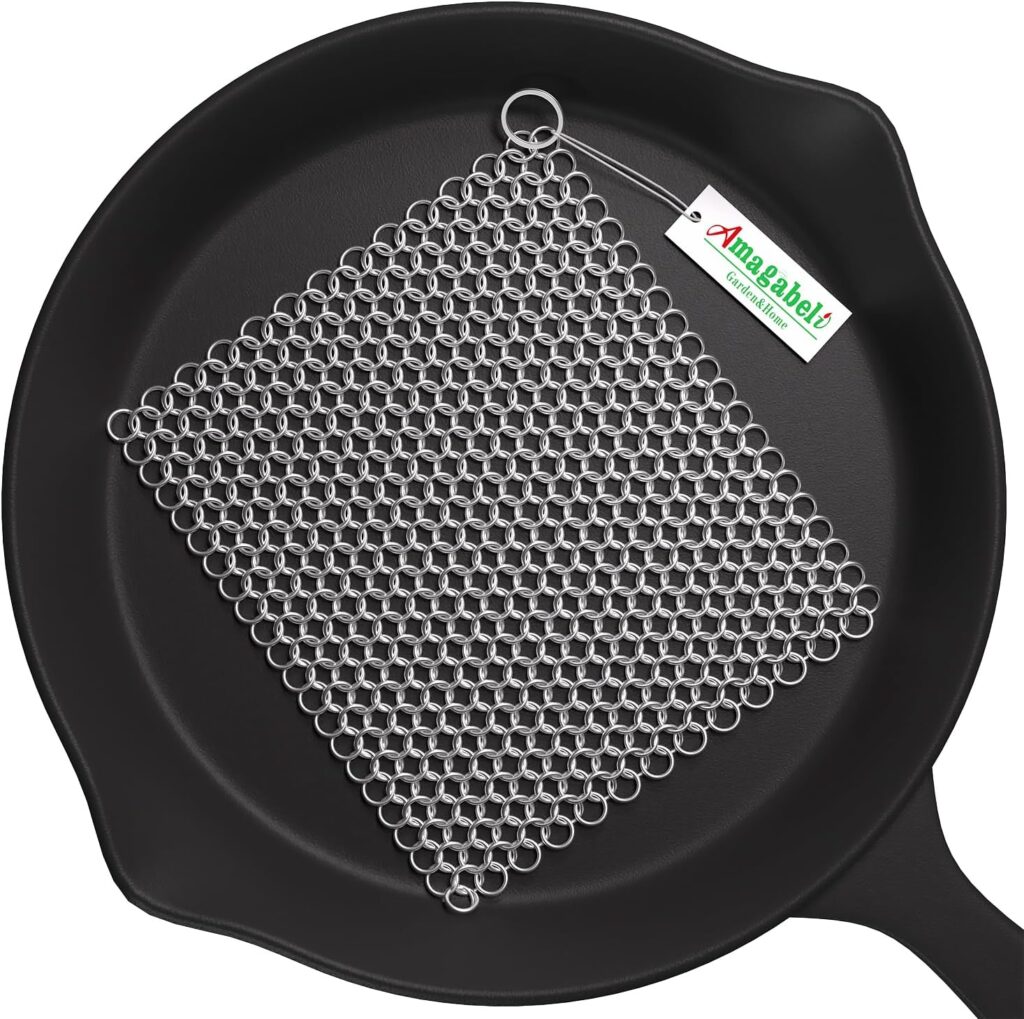
I never use soap or water, so there is no need to dry the wok. Cleaning with oil helps build the work’s seasoning.
Store the wok in a dry place.
NEVER use the dishwasher, which in every way is the enemy of a carbon steel wok. It strips seasoning and leads to rust.
Cast Iron Woks: Hearty Heat Retention
These beasts last forever. They hold heat like a warm hug, perfect for even cooks. But heavy, they tire arms quickly.
Durability shines. For oven or stove, they multitask. They are slower to heat than carbon steel, but once hot, they stay hot. They aren’t good for flipping food but they excel at long, slow cooking or deep frying.
For cast iron, I like this bad boy, which comes with a wooden lid:
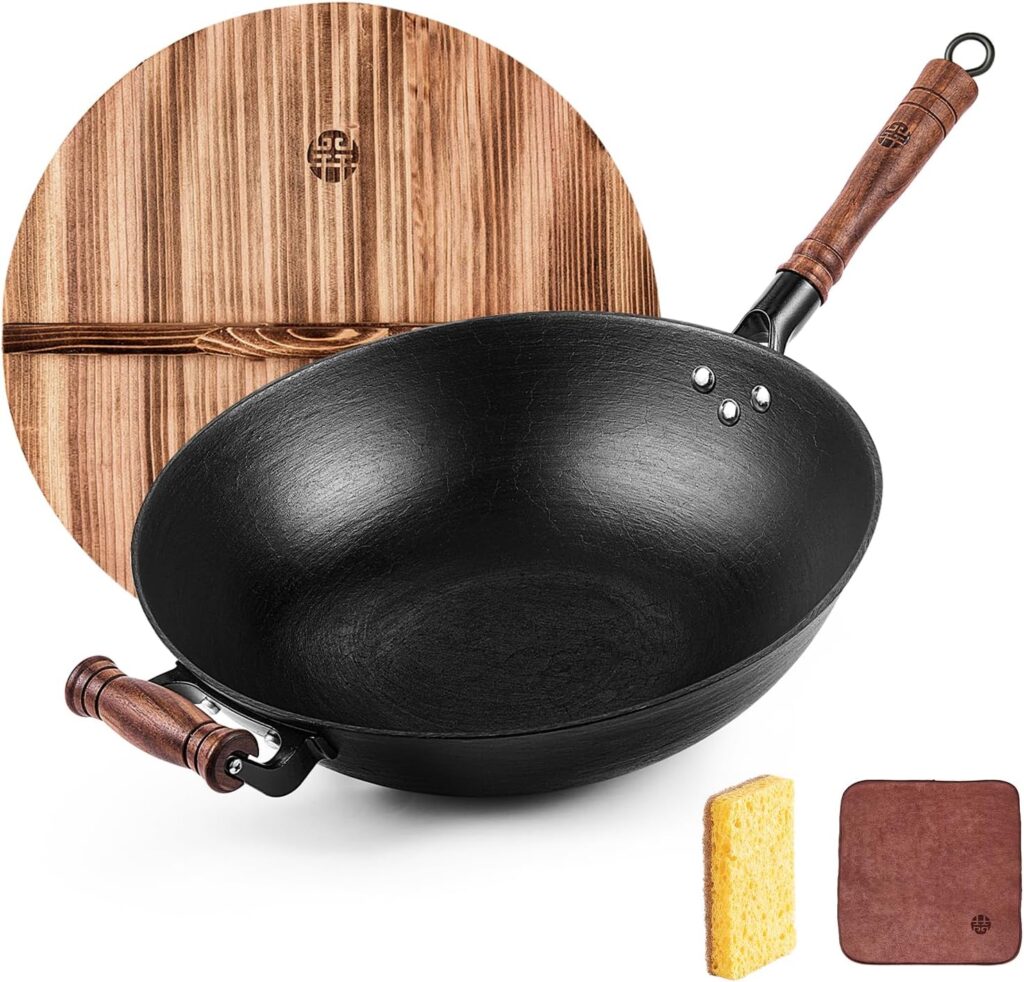
Its 14″ is plenty large and the front wooden handle helps compensate for its greater weight (compared to lighter carbon steel). Although I prefer a round-bottomed wok, the flat bottom helps because the wok is heavier.
Pros and Cons of Cast Iron
Pros:
- Best heat retention.
- Great for stews or deep fries.
- Versatile, oven-safe.
- Tough as nails (and just as heavy).
- Lasts a lifetime with care.
Cons:
- Heavy to lift, which makes flipping food harder.
- Slower to heat.
- They will rust without proper care.
Seasoning Methods for Cast Iron
Season an iron wok the same as carbon steel. Wash it with hot water and dish soap. Fully rinse, then fully dry. Bring about 2 Tb. high-smoke-point oil (such as canola) to almost smoking. Remove from heat and spread the oil around in the wok, all the way up to the rim. Let the wok cool to room temp. Wipe out the oil. Repeat this process two times.
Care and Maintenance Tips
Care for an iron wok the same as carbon steel too. Clean it immediately after use. Never use soap or water. Use some coarse Kosher salt and olive oil, and an abrasive scrubby dedicated to cleaning carbon steel and cast iron. Store the wok in a dry place.
NEVER use the dishwasher.
Stainless Steel and Nonstick Woks: Durable and Low-Maintenance
Modern kitchens love these. No rust worries, dishwasher friendly. Corrosion proof, handles acids fine. But heat spreads unevenly, they don’t sear as well as carbon steel or cast iron, and your results will be less authentic. I don’t like stainless steel or nonstick woks, don’t use them, and don’t recommend them.
Pros and Cons
Pros:
- Need not be seasoned.
- Easy to clean and they don’t rust.
- Dishwasher safe.
- They can always look new-ish with proper cleaning.
Cons:
- Food may stick unless enough oil is used in stainless steel.
- They don’t get as hot as carbon steel or cast iron.
- They don’t sear as well as carbon steel or cast iron.
- Nonstick surface may be damaged by metal tools.
- Nonstick may be damaged by high heat.
Seasoning Methods
Seasoning is not necessary for stainless steel or nonstick, but food should be tossed in oil before cooking in a stainless steel wok, to minimize the risk of sticking.
Care and Maintenance Tips
Clean a stainless steel or nonstick wok the same as you would clean any stainless steel or nonstick pan.
Conclusion
Material matters is a wok. Carbon steel and cast iron give real high-heat punch, but demand seasoning and care. But for authentic stir fries, they can’t be beat.
Disclosure: As an Amazon Associate I earn from qualifying purchases. If you buy from a link on this site, I may earn a small commission from the vendor without any additional cost to you. No company pays me to say anything in particular, or to say nice things. I only stand behind products I believe in.