John Hornick — Chef’s Apprentice
A Beautiful Original Chilled Soup
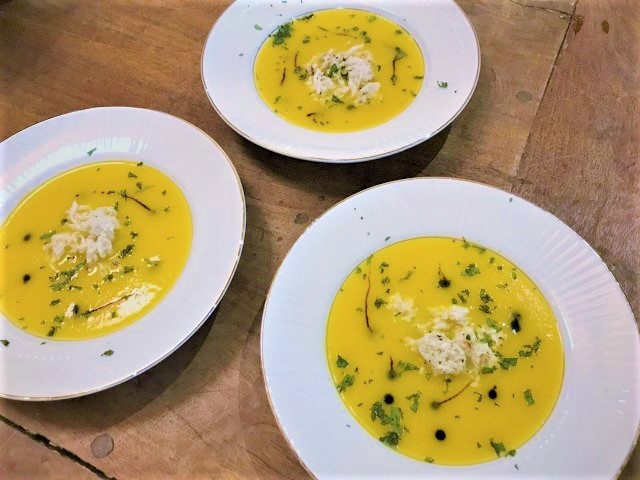
Creating a stunning, flavorful cold soup can turn a meal into a memorable event, especially in hot weather. Imagine serving a bowl with vibrant orange hues spotted with delicate balsamic drops—the truly eye-catching Leopard Soup. This dish combines simple techniques with bold presentation, making it perfect for impressing guests or enhancing your culinary skills. With the right ingredients and a few steps, you’ll elevate homemade soup to restaurant quality. But don’t worry, no real leopards are harmed in making this Chef’s Apprentice original soup.
Making this beautiful soup teaches the basic techniques for making almost any soup. This one is best served cold, and as a mystery. Make your guests guess the main ingredient. Almost no one can. Only one person has guessed correctly in over two decades of serving this soup. But everyone loves it. The cantaloupe and citrusy crab, with a hint of mint and lime juice, pair wonderfully.
Understanding Cold Soups: Types, Techniques, and Benefits
What Are Cold Soups?
Cold soups are refreshing dishes served chilled. Unlike traditional hot soups, they often focus on bright flavors and interesting textures. Popular examples include gazpacho and vichyssoise. These soups often combine fruits and vegetables, pureed to a silky consistency that wakes up the palate.
Benefits of Making Cold Soups
Making cold soup is great for hot days, yet suitable year-round for elegant entertaining. Preparing the soup ahead of time allows flavors to blend and meld deeply (which I call “flavorating”). Plus, they open the door for creative ingredient combos—like this cantaloupe and crab version (yes, you read that right).
Key Techniques in Cold Soup Preparation
To craft a perfect cold soup, master these fundamental techniques:
- Pureeing: Turning ingredients into a smooth mixture
- Straining: Achieving a silky texture free of chunks
- Seasoning: Balancing flavors with salt and pepper
- Garnishing: Adding visual appeal with herbs and drops of flavor
Learning these skills ensures your soup will look and taste professional.
Essential Ingredients and Their Roles in Leopard Soup
Base Vegetables and Fruits
The soul of Leopard Soup is the cantaloupe. When I created this soup, many years ago, I didn’t have a name for it at first. But after I garnished the finished soup with dots of balsamic vinegar, it reminded me of a leopard. Hence the name. Although this fruit adds subtle sweetness and vibrant color, when paired with shallots and celery in the mirepoix (which form the flavor foundation), the fruit’s sweetness is tempered and the end result is clearly savory. Be sure to use cantaloupe that is ripe and juicy for maximum flavor and color.
Flavor Enhancers and Seasonings
White wine or vermouth introduces a subtle acidity that balances the natural sweetness of the cantaloupe. Interesting story: legend has it that when Julia Child first started to introduce French cooking to America, she found that many households lacked an important ingredient for her recipes: white wine. But every household had vermouth because martinis were a popular drink at that time. So she sometimes substituted dry vermouth when she would have recommended white wine. In most recipes, I view dry white wine of dry vermouth as interchangeable.
For seasoning, white pepper keeps the seasoning light and avoids specks of black pepper in the soup.
Fresh lime juice and mint bring brightness, making each spoonful lively and fresh.
Garnishes and Final Touches
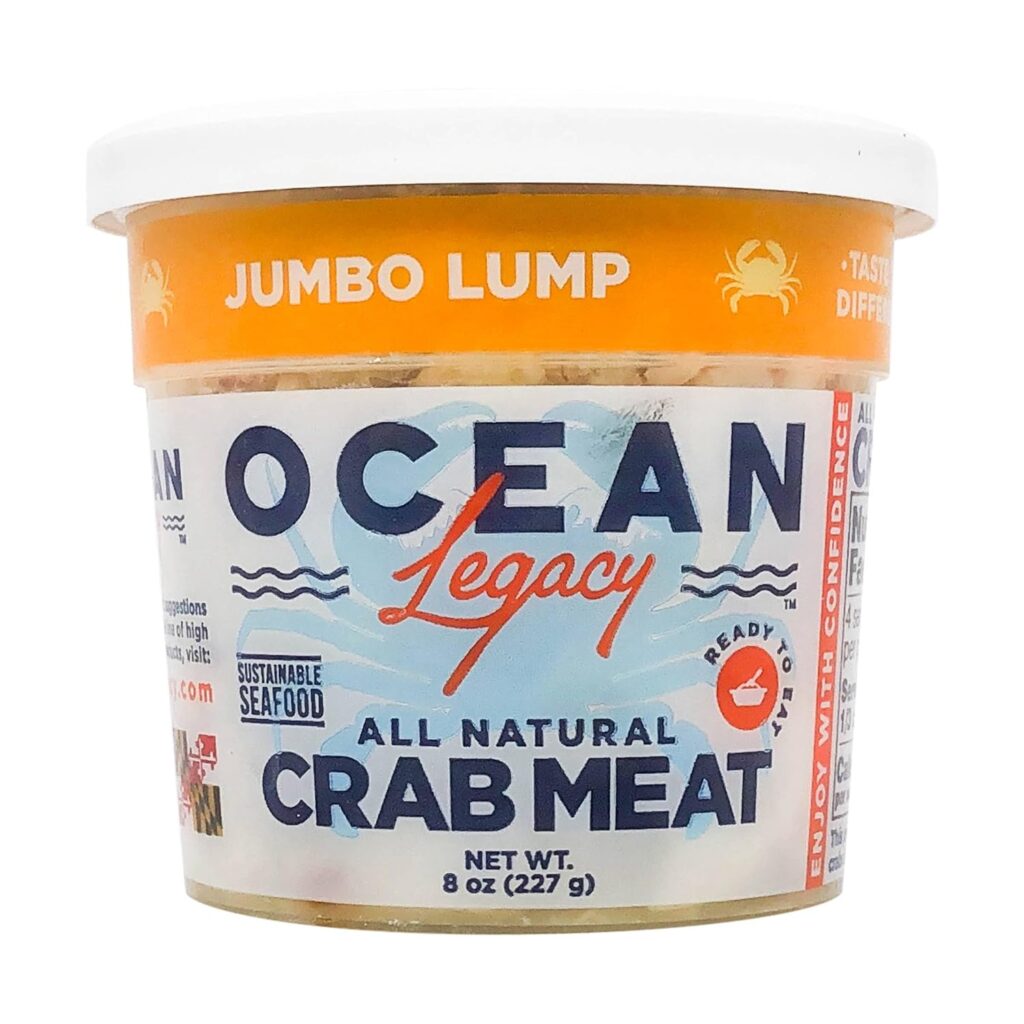
Lump crabmeat adds a luxurious, savory element, while balsamic vinegar offers the signature leopard spots. Use high-quality ingredients for a refined look and taste. These final touches make your dish stand out visually and in flavor.
Equipment Needed for Perfecting Leopard Soup
Kitchen Tools for Preparation
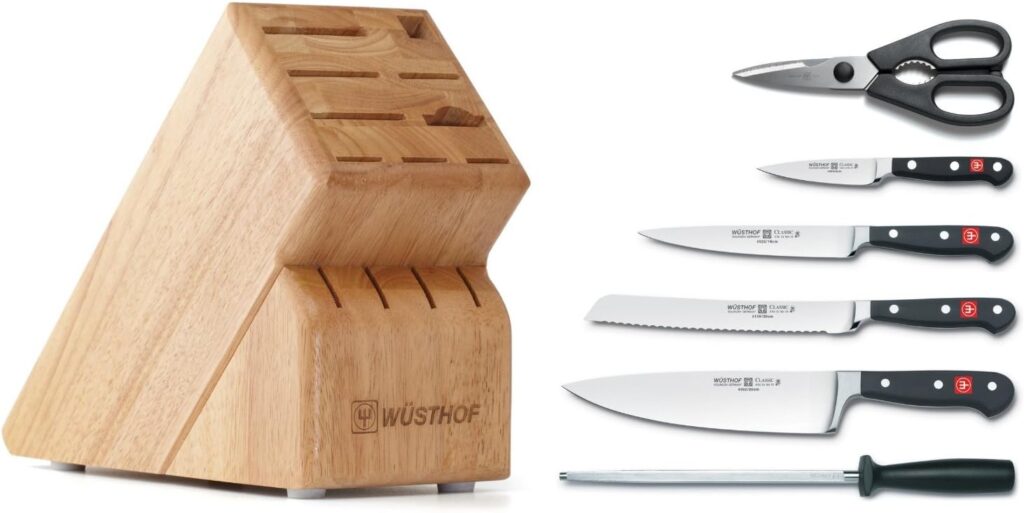
- Sharp chef’s knife and cutting board for chopping (I have been using Wusthof brand for many years)
- Citrus squeezer for extracting lime juice
- Medium saucepan for cooking the soup (I use functional, not fancy pans)
- Blender for pureeing (I like the Ninja and the Kitchenaid, but the Ninja has the edge because its removable blade makes it so easy to clean)
- Strainer for removing any lumps
- Rubber spatula and wooden spoon to push soup through the strainer
- Bowls for mixing crab meat
- Ladle for filling serving bowls

Step-by-Step Guide to Making Leopard Soup
Preparing the Mirepoix and Vegetables
Start by finely chopping the shallots and celery. Put a splash of olive oil in the saucepan, then cook them on low to medium heat until they are transparent. This is called “sweating”. This step releases flavors without browning—think of it as unlocking the veggies’ natural sweetness.
See my video on making Leopard Soup. Also, check out my Snow Leopard Soup.
Deglazing and Cooking the Soup Base
Pour in the white wine (or vermouth), then cook until it has mostly evaporated to what I call “just wet or almost dry.” This is called deglazing and reducing, which concentrates the flavors and evaporates the alcohol.
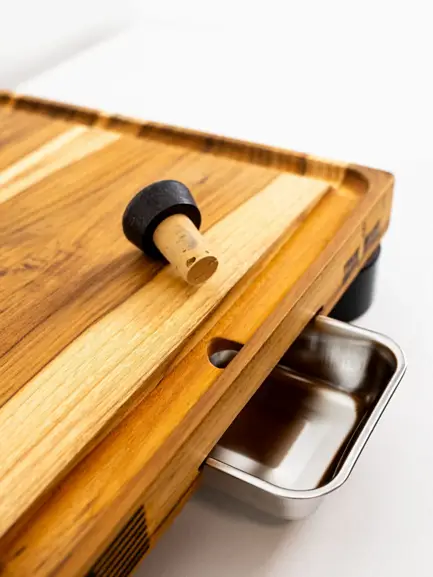
Next, add the cantaloupe chunks, any cantaloupe juice from the cutting board (the True Board, which is the best-ever cutting board, is great for catching juice), and enough water just to cover the chunks. Season with a little salt and white pepper, then cook for about 10 to 15 minutes until the fruit is tender and has released its liquid. Be sure to start light with the salt and pepper. You can always add more but you can’t take it away. See my video “Mastering Salt,” and my blog post.
Pureeing and Straining for Smooth Texture
Transfer the hot mixture to your blender. Cover the lid with a towel to avoid splatters and blend until smooth. Then, pour the pureed soup into a strainer and push it through the strainer into another pan or bowl. Use a spatula or wooden spoon to push it through, ensuring a silky texture free from chunks.
Seasoning and Adjusting Flavors
Taste your soup and adjust the salt and white pepper—less is more. Keep the delicate sweetness balanced with the seasoning. Remember, your goal is bright, fresh flavor that highlights the cantaloupe. You should adjust the seasoning again after the soup chills.
Chilling and Preparing for Serving
Once seasoned, refrigerate the soup for at least an hour. Cold temperature heightens the flavor and makes the soup refreshing. The chilling time also allows you to prepare the crab and garnishes. Adjust the seasoning after the soup is cold.
Incorporating Crab and Garnishes
Preparing Crabmeat Mixture
Gently mix lump crabmeat with a splash of lime juice, a pinch of salt, and a few grinds of white pepper. Be careful—crab is delicate. Don’t break up the lumps. The lime absorbs into the meat, adding tang and flavor.
Plating and Garnishing the Soup
To serve, ladle the chilled soup into bowls. Add a small mound of seasoned crab in the center. Hold fresh mint leaves about 18 inches above the bowl and let them rain down—I call this “garnishing from on high,’ which creates a beautiful, even sprinkle. Finish with a few drops of balsamic vinegar for spotty contrast resembling a leopard’s coat.
Expert Tips and Troubleshooting Common Issues
- Texture not silky enough? Make sure to puree until completely smooth and strain thoroughly.
- Too thick? Thin it with a bit more water.
- Flavor too bland? Adjust the salt.
- Color not orange enough? Your cantaloupe was not ripe enough.
Conclusion
Making Leopard Soup at home combines simple skills with impressive results. Focus on fresh ingredients, careful seasoning, and artistic presentation to bring a touch of professionalism to your kitchen. Don’t be afraid to experiment with flavors and garnishes—each bowl can be uniquely yours. With practice, you’ll turn this stunning cold soup into a signature dish that wows every guest.
Oh, and don’t forget to make your guests guess the main ingredient.
Disclosure: As an Amazon Associate I earn from qualifying purchases. If you buy from a link on this site, I may earn a small commission from the vendor without any additional cost to you. No company pays me to say anything in particular, or to say nice things. I only stand behind products I believe in.
Ingredients:
- Olive oil (you don’t need expensive stuff)
- About ½ cup shallots, chopped
- About 1 ½ cups celery, chopped
- About 1/4 cup white wine or dry vermouth
- 1 large ripe cantaloupe, seeds scooped out and discarded, rind cut away and discarded, fruit coarsely chopped
- Kosher salt
- White pepper, ground
- Peppermill (an essential kitchen tool)
- 8 oz. lump crabmeat
- Juice of 1 lime
- About 1 Tb. mint, chopped
- Aged balsamic vinegar (the thicker the better)
Step-By-Step
Serves 4 as a small plate
Preparation time: 35-45 minutes, plus time to chill the soup
- 1. Sweat shallots and celery in about 2 Tb. olive oil.
- 2. Deglaze with wine or dry vermouth and reduce until just wet/almost dry.
- 3. Add cantaloupe and juice from the cutting board, and lightly season with salt and white pepper.
- 4. Cook the cantaloupe on medium heat until it is soft and renders most of its water, about 10-15 minutes. If it does not render enough water to cover the fruit, add just enough water to cover the fruit.
- 5. Puree, then strain the soup into a clean cold pot, pressing the soup through the strainer with a wooden spoon or rubber spatula. Adjust seasoning and chill.
- 6. Lightly season the crabmeat with salt and black pepper, and sprinkle with the lime juice. Gently toss the crab to mix the ingredients, being careful not to break up the lumps.
- 7. Adjust the seasoning of the chilled soup, ladle equal amounts of soup into each bowl, then mound with some crabmeat in the center of each bowl.
- 8. To finish: holding your thumb over the inverted balsamic vinegar bottle opening, let just enough vinegar escape to dot the soup, like leopard spots.
- 9. Garnish with the mint by sprinkling from on high, about 18” above the bowl, so that it falls and distributes nicely.